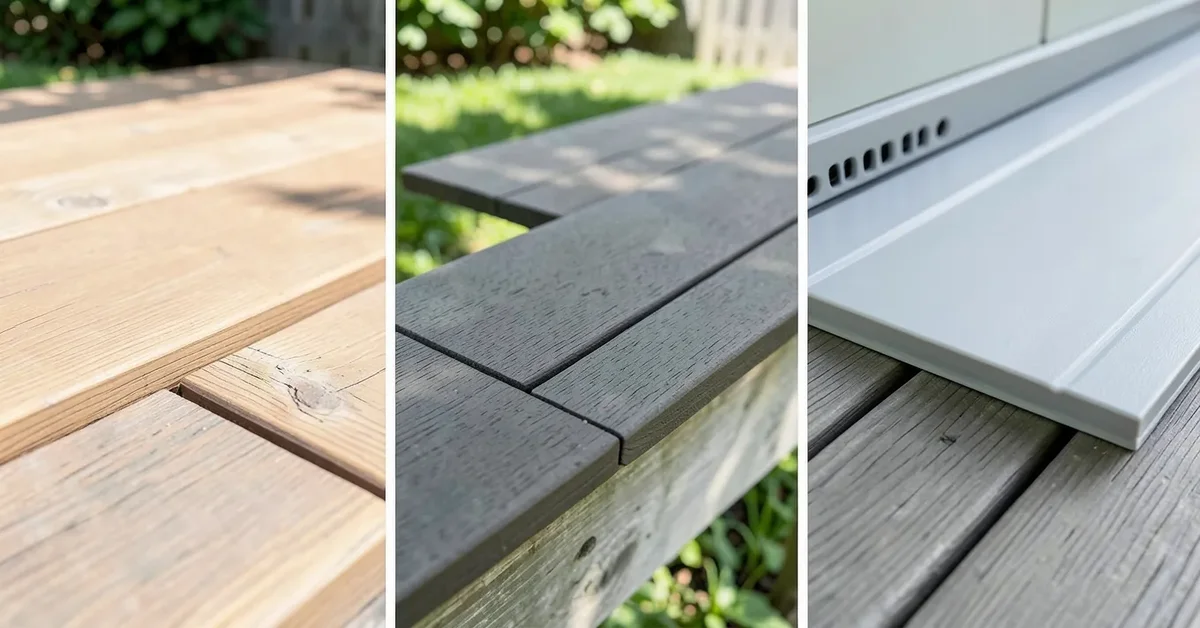
Decking Materials Compared: Wood vs. Composite vs. PVC
Composite and PVC decking cost more upfront, but pressure-treated wood only stays the cheaper choice if you’re willing to reseal it every one to two years for its whole lifespan — once you count 15 years of maintenance, the real cost gap between wood and composite is usually a few hundred to about two thousand dollars, not the several-thousand-dollar gap the sticker prices imply.
That’s the trade-off most “decking solutions” round-ups skip past. This guide compares wood, composite, and PVC decking on real 2026 costs, walks through the actual 15-year math, and gives you a simple way to match a material to your climate, budget, and how much upkeep you’re actually willing to do.
Wood vs. Composite vs. PVC: Quick Comparison
Best Wood Deck Fastener Pick
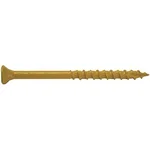 |
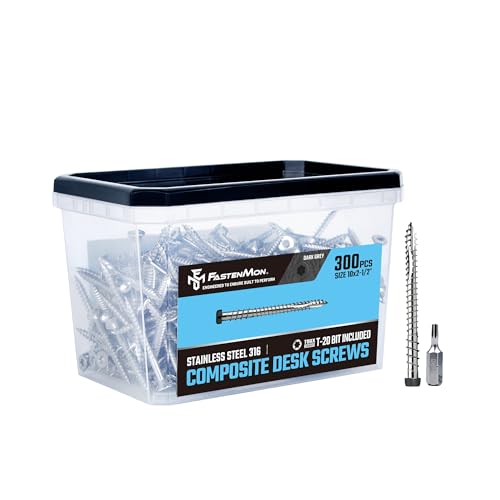
DeckMate 3.5 in. Star Flat-Head Wood Deck Screws (5 lb.) – $29.99 If the comparison above points you to pressure-treated wood, cedar, or another real-wood board, skip nails and nail-gun staples — use coated star-drive screws like these so seasonal wood movement doesn’t work fasteners loose.
|
Here’s how the three main decking materials stack up before you get into the details:
| Material | Installed Cost (per sq ft, 2026) | Typical Lifespan | Maintenance | Best For |
|---|---|---|---|---|
| Pressure-Treated Wood | $12 – $25 | 10–15 years | Reseal every 1–3 years | Tight budgets, DIY builders |
| Cedar / Redwood | $18 – $35 | 15–20 years | Reseal every 1–2 years | Natural look, moderate budget |
| Composite | $25 – $40 | 25–30 years | Occasional wash, no sealing | Low-maintenance, long-term owners |
| PVC | $30 – $50 | 25–30+ years | Occasional wash, no sealing | Wet/humid climates, pool decks |
These are national planning-level ranges for materials plus typical installation labor, not a quote for your specific project — get local bids before budgeting a real project.
How to Pick the Right Material for Your Climate, Budget, and Timeline
The comparison table above tells you what each material costs and how long it lasts on average. It doesn’t tell you which one fits your situation. Use these four questions to narrow it down:
What’s your climate actually doing to the deck?
- Hot, sunny (Southwest, inland South): dark composite gets noticeably hot underfoot in direct sun — look for a lighter capped composite color or stick with wood, and use a UV-rated sealant either way.
- Humid or rainy (Southeast, Pacific Northwest): composite and PVC resist rot and mildew far better than wood if you’re not going to stay on top of resealing every year or two.
- Freeze-thaw winters (Northeast, Midwest): both wood and composite handle freeze-thaw cycling fine; check the manufacturer’s cold-weather rating before choosing PVC, since some formulations get brittle below freezing.
- Coastal/salt air: salt accelerates corrosion on cheap fasteners regardless of decking material — use stainless or coated screws either way.
How much upkeep will you actually do?
Be honest here. If a wood deck’s resealing schedule is realistically going to slip by a year or two, budget for composite or PVC instead of a wood deck you can’t picture yourself maintaining on schedule — a neglected wood deck degrades faster than the “10–15 year” average assumes.
How long are you keeping the house?
Selling within 3–5 years: a well-maintained wood deck or mid-tier composite both photograph and appraise fine; don’t overspend on premium PVC you won’t get back at resale. Staying 10+ years: the composite/PVC maintenance savings compound, and that’s when the 15-year math below tends to favor them.
What’s your actual budget ceiling?
If the upfront number is the hard constraint, pressure-treated wood remains the only option that gets you a deck at all in some budgets — just build the resealing cost into your annual maintenance budget instead of treating it as optional.
The Real 15-Year Cost of Wood vs. Composite vs. PVC
Most decking guides compare installed cost per square foot and stop there. That’s misleading, because it ignores the maintenance wood requires that composite and PVC don’t. Here’s the math on a common 320-square-foot deck, using 2026 national average costs for materials, installation, and upkeep:
| Material | Install Cost | 15-Year Maintenance | 15-Year Total |
|---|---|---|---|
| Pressure-Treated Wood | ~$5,800 | ~$3,550 (7 resealing cycles + board repairs) | ~$9,350 |
| Composite | ~$10,200 | ~$750 (annual cleaning only) | ~$10,950 |
| PVC | ~$12,200 | ~$600 (annual cleaning only) | ~$12,800 |
The takeaway: wood’s upfront advantage over composite is roughly $4,400 on this example deck, but its 15-year advantage shrinks to about $1,600 once resealing and repairs are counted — and that gap disappears entirely if you’d pay a contractor to do the resealing instead of doing it yourself. See our full wood deck cost breakdown for how these installed-cost ranges are built, or compare Trex composite against wood in more detail if a specific composite brand is on your shortlist.
These figures are planning-level estimates from national average material and labor costs, not a lab test or a specific project quote — your local labor rates and board choice will move the numbers.
Types of Decking Materials Explained
The comparison and cost math above cover the decision. Here’s what’s actually different about each material.
Wood: Pressure-Treated, Cedar, and Redwood
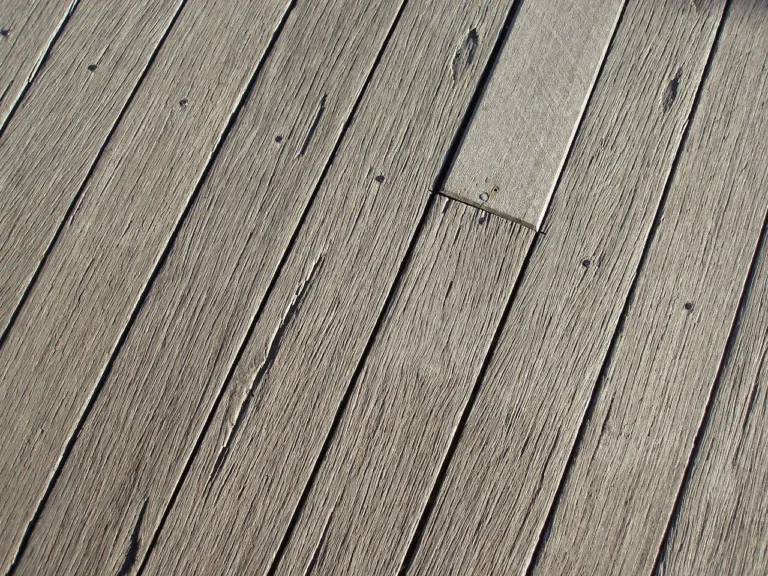
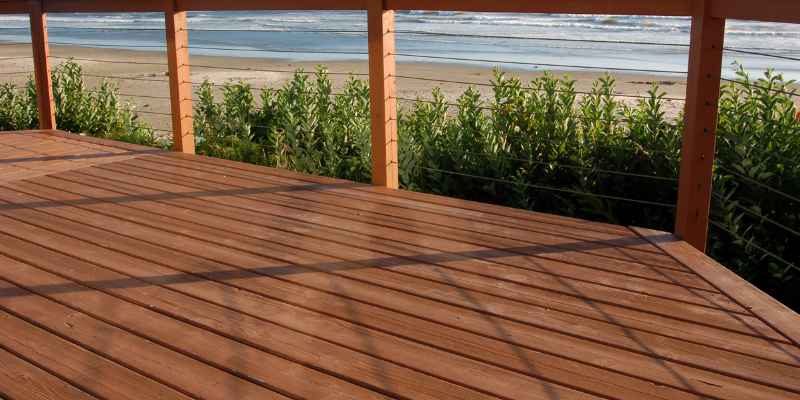
Pressure-treated pine is the cheapest decking material and the most common. It’s chemically treated to resist rot and insects, but it still needs a sealant reapplied every 1–3 years or it grays, splinters, and cups. Cedar and redwood cost more but naturally resist decay without chemical treatment, and hold color better between resealing cycles. Dense tropical hardwoods like ipe cost the most of any wood option and can last 25–40 years, but they’re heavy, hard to work with standard tools, and still benefit from periodic oiling.
Composite: Wood Fiber Plus Recycled Plastic
Composite decking blends wood fibers with recycled plastic, then usually adds a plastic “cap” shell for extra fade and stain resistance. It won’t rot, splinter, or need sealant, and most capped composite boards carry 25–30 year warranties. The trade-offs: it costs roughly double wood upfront, can get hot in direct sun, and lower-grade uncapped composite from a decade ago had real fading and staining problems that capped composite mostly solved. Compare specific composite brands if you’re choosing between Trex, TimberTech, and others.
PVC: Fully Synthetic Decking
PVC decking is 100% synthetic — no wood content at all. That makes it the lightest of the three, fully waterproof, and immune to rot, mold, and insects, which is why it’s common around pools and in humid climates. It’s also the most expensive option per square foot, has a more uniform “manufactured” look than composite, and some formulations get slippery when wet or brittle in extreme cold, so check the specific product’s climate rating.
Installation: DIY vs. Professional
Whichever material you land on, installation method changes the total cost and the timeline.
| Aspect | Professional Installation | DIY Installation |
|---|---|---|
| Cost | Higher upfront, includes labor | Lower cost, but you supply time and tools |
| Time | Usually 2–5 days for an average deck | Often a full weekend or two, depending on skill |
| Composite/PVC specifics | Contractor already knows the brand’s spacing/fastening specs | Follow the manufacturer’s gap-spacing spec exactly — composite and PVC expand more than wood |
| Warranty | Often includes a workmanship warranty | Manufacturer material warranty only, unless installed to their spec |
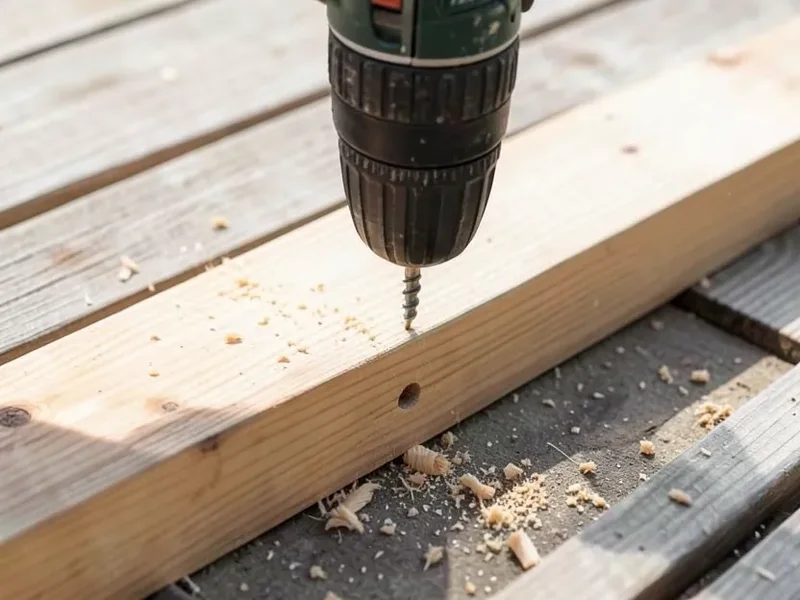
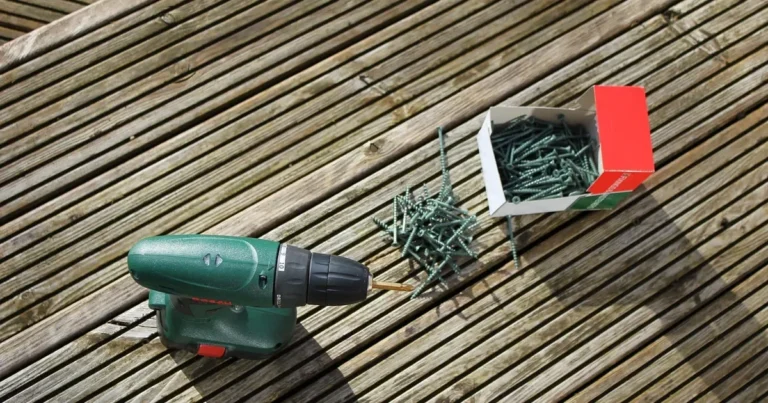
Whichever material and installer you choose, the most common DIY mistakes are the same: skipping the local permit and inspection, ignoring drainage slope, and using the wrong fastener for the board material. Wood needs coated or stainless screws; composite and PVC need color-matched composite screws designed to avoid mushrooming the board’s shell.
Maintaining Your Deck by Material
Maintenance is where the three materials diverge most, and it’s the piece the 15-year cost math above depends on.
Wood
Clean with mild soap and water or a wood-safe deck cleaner, let it dry fully, then inspect for graying, splintering, or raised grain before resealing. Reseal every 1–3 years depending on sun/rain exposure — skipping a cycle is the single biggest reason wood decks fail early. See our wood deck stain and sealer comparison for picking a product that matches your climate.
Composite and PVC
Sweep regularly and wash with soap and water or a composite-safe cleaner once or twice a year — never use a wire brush or aggressive pressure-washer setting, both can scuff the cap shell. No sealant, staining, or sanding needed. Watch for mold in shaded, poorly-ventilated spots; composite’s wood-fiber core can still support mold growth on the surface even though it won’t rot structurally.
Deck Safety and Structural Checks
Regardless of decking material, the structure underneath needs the same annual attention:
- Inspect ledger and joist connections: look for rot, rust, or pulled fasteners where the deck attaches to the house.
- Check support posts and footings: look for movement, rot at the base, or cracked concrete.
- Test the railing: it should not flex noticeably when you push on it.
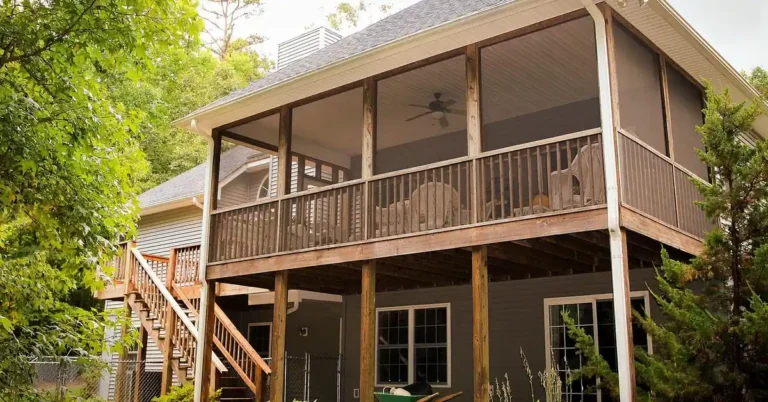
- Know your load limit: a standard residential deck is typically rated for 40 lbs/sq ft live load — don’t assume a deck can handle a hot tub or large gathering without checking.
These checks matter equally on a 5-year-old composite deck and a 20-year-old wood one — decking material affects the boards, not the framing underneath.
Frequently Asked Questions
Is composite decking or wood decking cheaper in the long run?
Pressure-treated wood costs less to install, but once you count resealing every one to two years plus eventual board repairs, the 15-year total cost gap between wood and composite is usually a few hundred to about two thousand dollars — far smaller than the upfront price difference suggests. Composite becomes the cheaper option over time if you’d otherwise pay someone to maintain a wood deck.
What decking material lasts the longest?
PVC and capped composite decking typically last 25 to 30+ years with only occasional cleaning. Pressure-treated wood lasts 10 to 15 years with regular resealing, or closer to 40 years for dense hardwoods like ipe, though ipe costs significantly more upfront and still needs periodic oiling.
Do I need special screws for composite or PVC decking?
Yes. Composite and PVC boards need color-matched composite deck screws with a reverse-thread design that prevents the plastic shell from mushrooming around the screw head. Standard wood deck screws will chew up composite boards, so don’t reuse leftover wood fasteners on a composite project.
Can I install composite decking myself?
Yes, if you have basic DIY skills and can follow the manufacturer’s spacing and fastening specs exactly — composite and PVC boards expand and contract with temperature more than wood, so gap spacing matters more than it does on a wood deck. Complex framing, stairs, or anything requiring a permit inspection is usually worth hiring out.
Bottom Line
If budget is the hard constraint, pressure-treated wood is still the only material that gets a deck built at all — just plan for resealing every 1–3 years as a real line item, not an afterthought. If you’re staying in the house 10+ years or don’t trust yourself to keep up a resealing schedule, composite or PVC’s higher upfront cost is usually paid back in avoided maintenance well before year 15.
Sponsored / affiliate links. As an Amazon Associate I earn from qualifying purchases. I may earn additional commission from eligible campaigns.