Craftsman vs Ryobi (2026): 300+ Tools vs 3-Year Warranty
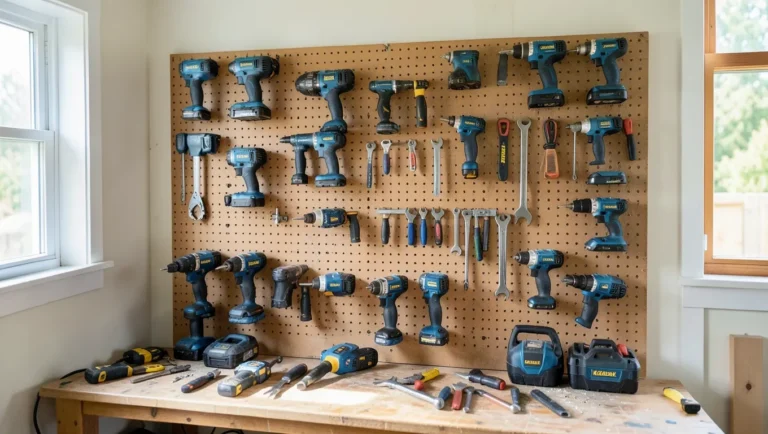
Ryobi’s 18V ONE+ platform now spans over 300 tools on a single battery, while Craftsman’s V20 power tools carry a 3-year limited warranty on the tool and battery, not the lifetime coverage often assumed.
Picking the wrong platform locks you into one battery system for years. This guide compares Craftsman and Ryobi on ecosystem size, warranty terms, build quality, and starting price so you can choose the system that actually fits your shop.
Who Owns Craftsman and Who Owns Ryobi?
Craftsman launched in 1927 under Sears, Roebuck and Co. and has been owned by Stanley Black & Decker since 2017 — the same parent company behind DEWALT, so Craftsman’s newer V20 tools share some internal engineering with DEWALT’s budget-tier lines.
Ryobi started in Japan in 1943 as a die-cast manufacturer before moving into power tools. In North America, Ryobi power tools are licensed exclusively to Techtronic Industries (TTI) — the same parent company as Milwaukee Tool — and sold primarily through The Home Depot. That corporate link is why Ryobi and Milwaukee share some battery-cell technology even though they’re marketed as separate brands.
If Craftsman’s Stanley Black & Decker lineage matters to your buying decision, see how Craftsman actually stacks up against its own corporate sibling in our Craftsman vs DEWALT comparison.
Best Ryobi ONE+ Starter Pick
 |
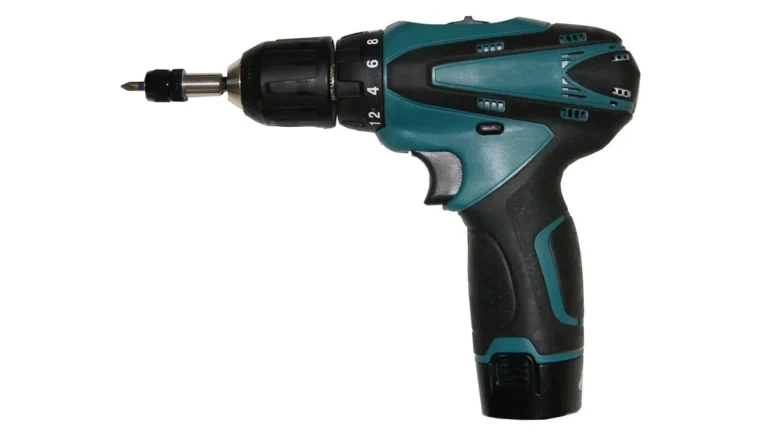
Ryobi ONE+ 18V Drill/Driver Kit The lowest-cost way into the 300+ tool ONE+ ecosystem this guide covers — the battery in this kit will also run any future ONE+ tool you add.
|
As an Amazon Associate we earn from qualifying purchases.
Craftsman V20 vs Ryobi ONE+: Battery Ecosystem Compared
The battery platform matters more than any single tool — it determines what you can buy bare-tool (without paying for another battery and charger) for years afterward. Ryobi’s 18V ONE+ system has run for over 30 years and today covers more than 300 tools that all share the same battery, from drills to pressure washers. Craftsman’s V20 lineup is newer and narrower, focused mainly on core power tools rather than outdoor equipment.
| Attribute | Craftsman V20 | Ryobi 18V ONE+ |
|---|---|---|
| Platform launched | 2019 (V20 naming) | 1996 (One+ 18V) |
| Tools on one battery | Dozens, core tools only | 300+, including outdoor equipment |
| Parent company | Stanley Black & Decker | Licensed to Techtronic Industries (TTI) in North America |
| Sold primarily at | Lowe’s, Amazon | The Home Depot, Amazon |
Craftsman vs Ryobi Warranty: Correcting the Lifetime Myth
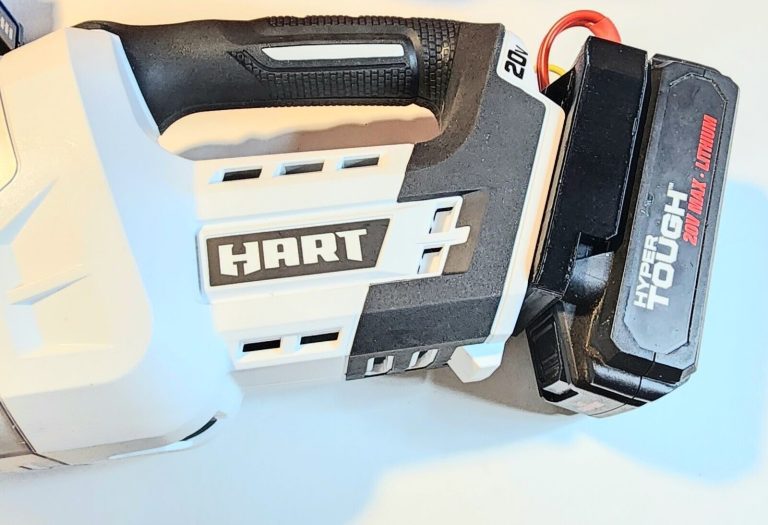
Craftsman V20 power tools do not carry a lifetime warranty — that claim applies to certain Craftsman hand tools, not the V20 cordless line. Per Craftsman’s own warranty terms, V20 tools and batteries get a 3-year limited warranty, with the charger covered for 1 year. Ryobi backs its 18V ONE+ tools with a standard 3-year manufacturer’s warranty as well, and extends it to a free service agreement if you register the tool within 30 days of purchase.
📊 Ryobi’s 18V ONE+ system now covers 300+ tools on one battery platform, spanning three decades of releases. — Source: RYOBI Tools, 18V ONE+ collection
For the exact battery and charger warranty terms Ryobi will honor on a claim, see our breakdown in Ryobi battery warranty coverage.
Performance: Which Brand Hits Harder?
Craftsman’s V20 drills and impact drivers are built for general DIY torque needs — enough for framing, deck screws, and cabinet work, but not tuned for all-day jobsite abuse. Ryobi’s standard 18V ONE+ drills sit in a similar torque range, but Ryobi’s higher-end “HP” and Brushless sub-lines close the gap with DEWALT-level output at a lower price, which is why Ryobi’s lineup feels less consistent from one SKU to the next — the base and premium tiers perform very differently even though they share the same battery.
Craftsman keeps its lineup simpler: fewer performance tiers, so what you see on the shelf is closer to what you get. If raw torque numbers matter more to you than ecosystem size, our DEWALT vs Ryobi torque comparison has the exact in-lb figures for Ryobi’s standard and High Torque drill lines.
Chuck Size: A Spec Both Brands Bury in the Fine Print
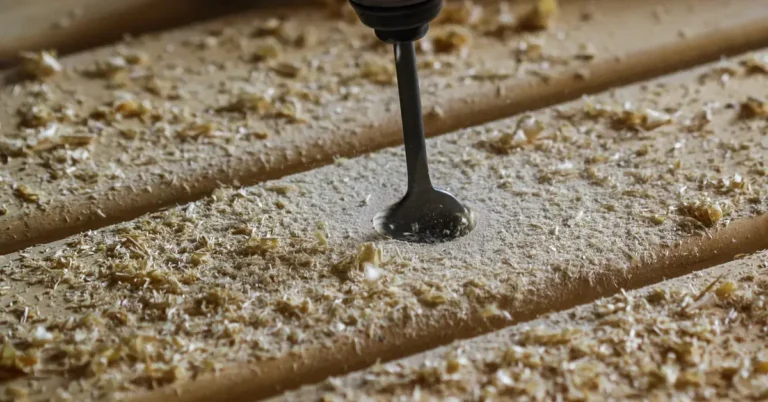
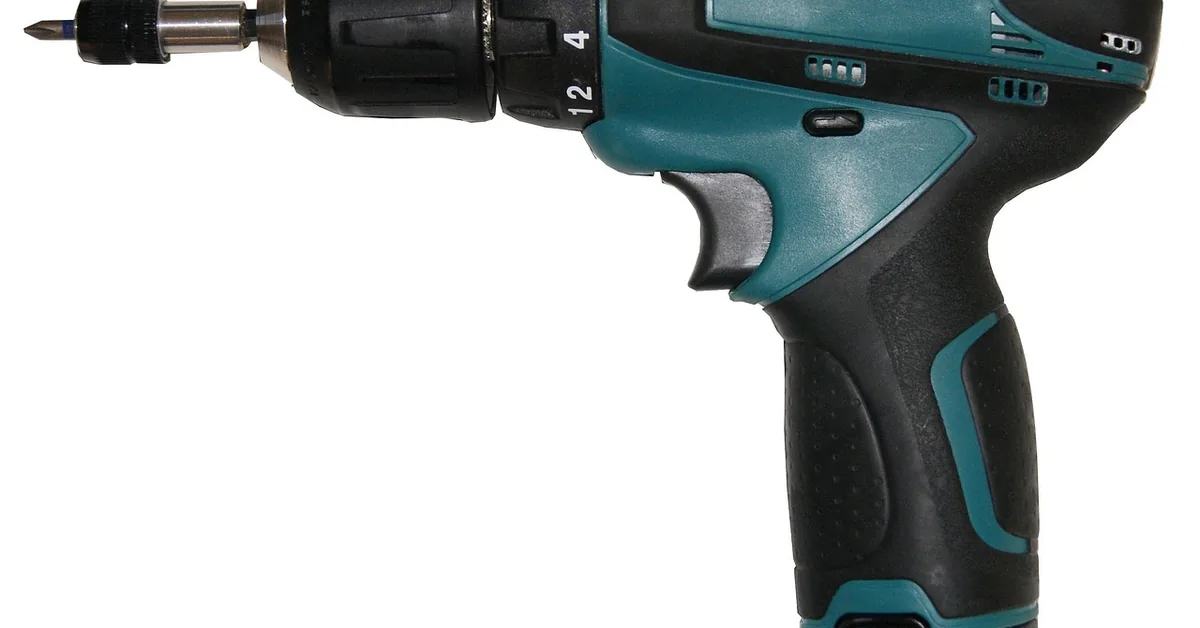
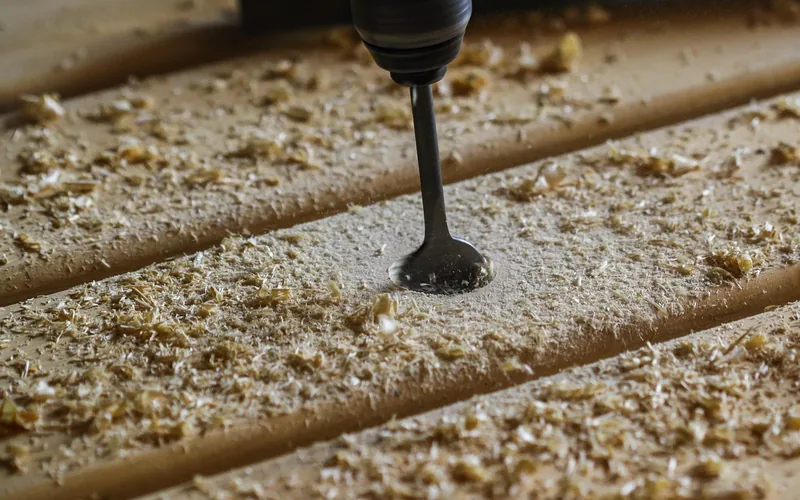
Not every “18V drill kit” ships with the same chuck. Ryobi’s entry-level ONE+ drill/driver kits commonly use a 3/8-inch keyless chuck, while its mid-tier and HP-series drills step up to a 1/2-inch chuck that accepts larger bit shanks. Craftsman’s V20 drill/driver kits are more consistently 1/2-inch across the lineup. If you regularly use spade bits, hole saws, or large auger bits, check the chuck size on the specific kit listing rather than assuming — it’s one of the easiest specs to overlook when a listing photo makes every drill look the same size.
Brushed vs Brushless: What You’re Actually Paying For
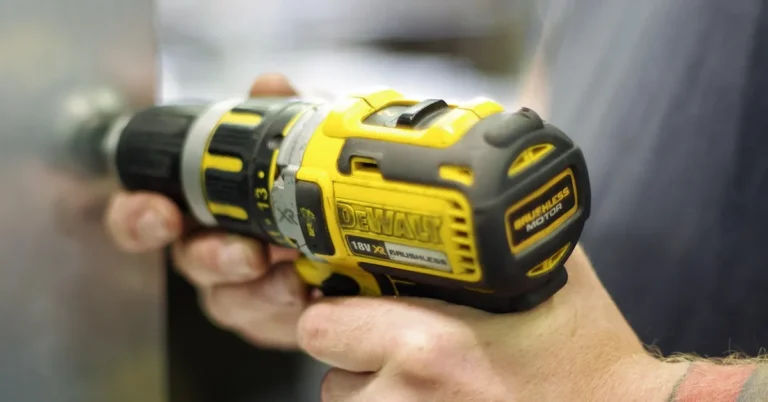
Both brands sell a mix of brushed and brushless motors, and the difference matters more than the brand name on the housing. Brushed motors use physical carbon contacts that wear down over years of use, run hotter under load, and top out at lower efficiency. Brushless motors use electronic switching instead of contacts, run cooler, last longer under heavy use, and typically deliver 20-30% more runtime from the same battery.
Craftsman’s entry-level V20 drills are usually brushed, with brushless reserved for its higher-tier kits. Ryobi mirrors that structure: the base 18V ONE+ drill is brushed, while the “HP” and “Brushless” labeled tools cost more but close most of the performance gap with pro-grade brands. If a listing doesn’t say “brushless” in the title, assume it’s brushed — neither brand leads with that spec on budget kits, and it’s easy to miss when comparing prices side by side.
Common Mistakes When Choosing Between the Two
- Assuming warranty length is the same across a brand’s whole catalog. Craftsman’s lifetime warranty on certain hand tools doesn’t carry over to V20 power tools — check the specific product page, not the brand’s general reputation.
- Buying a bare tool before confirming your existing battery generation. Ryobi has updated its ONE+ battery contacts over the years; very old ONE+ batteries can still fit newer tools, but always check the tool’s listed compatibility before assuming a mismatch-free swap.
- Comparing a Craftsman brushless kit’s price to a Ryobi brushed kit’s price. Match motor type before comparing price, or you’ll conclude one brand is “cheaper” when you’re really comparing two different tiers.
- Ignoring where each brand is sold. Ryobi is largely a Home Depot-exclusive brand in the U.S., while Craftsman is more common at Lowe’s and Ace Hardware — return and exchange convenience often comes down to which store is actually near you.
Pricing: Which Costs Less to Start and Expand?
As of this comparison, a Craftsman V20 drill/driver kit with battery and charger runs about $99, while a comparable Ryobi 18V ONE+ drill/driver kit lists around $117 — though Ryobi’s kit typically bundles more accessories (a driver bit set and holster) for the difference. Where Ryobi pulls ahead long-term is bare-tool pricing: because the ONE+ ecosystem is so much larger, you can add a new tool for $40-$60 without buying another battery, which adds up faster than Craftsman’s narrower lineup allows.
Which Should You Buy: Craftsman or Ryobi?
Choose Craftsman V20 if you want a simpler lineup with consistent performance across tools and don’t need outdoor power equipment on the same battery. Choose Ryobi 18V ONE+ if you want the largest cordless ecosystem available at this price point, including mowers, blowers, and shop tools that share one battery with your drill. Neither battery system is cross-compatible with the other, so pick based on which tool list you’ll actually grow into, not just today’s purchase.
Frequently Asked Questions About Craftsman vs Ryobi
Does Craftsman offer a lifetime warranty on power tools?
No. Craftsman’s lifetime warranty applies to specific hand tools, not the V20 cordless power tool line. V20 tools and batteries carry a 3-year limited warranty, and the charger is covered for 1 year.
Are Craftsman and Ryobi batteries interchangeable?
No. Craftsman V20 and Ryobi 18V ONE+ use different battery designs and are not physically or electrically compatible. Once you buy into one platform, every bare-tool purchase has to match that same battery system.
Is Ryobi made by the same company as Craftsman?
No. Craftsman is owned by Stanley Black & Decker. Ryobi power tools are licensed in North America to Techtronic Industries (TTI), the same parent company that owns Milwaukee Tool.
Which brand has more tools on one battery?
Ryobi. The 18V ONE+ platform spans more than 300 tools, including outdoor equipment, compared to Craftsman’s narrower V20 lineup that’s focused mainly on core power tools.
Conclusion
Craftsman and Ryobi both make capable cordless tools, but they solve different problems. Craftsman V20 keeps things simple with a tighter lineup and a straightforward 3-year warranty. Ryobi 18V ONE+ trades some tier consistency for the largest single-battery ecosystem in its price class. Match the platform to the tool list you expect to own in three years, not just the kit in front of you today.
Sponsored / affiliate links. As an Amazon Associate I earn from qualifying purchases. I may earn additional commission from eligible campaigns.