Darkest Wood Types: Ebony, Wenge & Black Walnut (Ranked)
African blackwood and Gaboon ebony are the world’s darkest woods, both scoring near-black on the Janka hardness scale at 3,670 and 3,080 lbf — but wenge and black walnut are the practical dark-wood choices for furniture and flooring. Several true ebony species are now CITES-restricted, so buying real ebony without checking legality can mean paying $80–150+ per board foot for wood you may not be able to import. This guide ranks the six darkest wood species by Janka hardness, flags which ones are endangered, and covers safe handling, care, and where each performs best.
Quick Answer
African blackwood (3,670 lbf Janka) and Gaboon ebony (3,080 lbf) are the darkest and hardest woods in the world, both nearly jet-black with almost no visible grain. Wenge (1,930 lbf) and black walnut (1,010 lbf) are far more available and affordable, and remain the go-to dark woods for real furniture and flooring projects.
The Darkest Wood Species, Ranked by Janka Hardness
Best Black Walnut Project Wood Pick
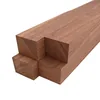
Barrington Hardwoods Black Walnut Turning Squares (4-pack, 2″x2″)
Kiln-dried black walnut squares sized for small furniture accents, box lids, and turning projects — no need to source and mill a full board.
- Best for: small dark-wood accent pieces and lathe projects
- Why we picked it: true black walnut, the darkest wood most home shops can actually buy and machine safely
- Main drawback: pieces are small — not sized for full furniture panels
Compare more dark hardwood project options
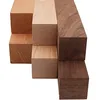 Option 1 Maple, Walnut & Cherry Variety Pack (6pc)
|
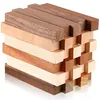 Option 2 30-Piece Exotic Wood Pen Blanks
|
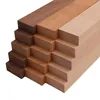 Option 3 Walnut, Maple & Cherry Board Pack (15pc)
|
As an Amazon Associate we earn from qualifying purchases.
Wood darkness and wood hardness are not the same measurement, but the six species below are the ones consistently cited as the world’s darkest — and their Janka hardness ratings (the industry-standard resistance-to-denting test) explain why some are prized for tool handles and fingerboards while others are reserved for flooring and furniture.
| Wood species | Janka hardness | Color | Best for |
|---|---|---|---|
| African blackwood | 3,670 lbf | Solid black, little/no grain | Musical instruments, inlay, carving |
| Gaboon (African) ebony | 3,080 lbf | Jet-black, no visible grain | Piano keys, small specialty items |
| Cocobolo | 2,960 lbf | Deep reddish-brown to near-black | Knife handles, turned objects |
| Wenge | 1,930 lbf | Near-black with caramel streaks | Flooring, high-traffic furniture |
| Santos mahogany | 2,400 lbf | Dark reddish-brown | Flooring, cabinetry |
| Black walnut | 1,010 lbf | Dark chocolate brown | Furniture, cabinetry, veneer |
📊 African blackwood (3,670 lbf) is roughly 3.6× harder than black walnut (1,010 lbf) on the Janka scale — Source: The Wood Database, 2026
Ebony
With its deep, velvety black appearance, ebony wood is synonymous with luxury. Gaboon ebony’s heartwood is jet-black with almost no visible grain, and at 3,080 lbf Janka it dulls cutting tools quickly. It is often used in high-end furniture, piano keys, and specialty items — see the full breakdown of naturally black wood species for how ebony compares to other black-toned woods.
Wenge
Wenge is a nearly black African hardwood with a coarse, straight grain and pale caramel-colored streaks running through the heartwood. At 1,930 lbf Janka it is harder than red oak (1,290 lbf) and maple (1,450 lbf), which is why it holds up so well as flooring. It is also notoriously splintery to work — more on that in the safety section below.
Black Walnut
Black walnut is the darkest wood grown naturally in North America, ranging from dark chocolate-brown heartwood to creamy white sapwood. At 1,010 lbf Janka it is softer and far easier to work than the tropical species above, which is why it remains the most common dark wood choice for dining tables and cabinetry in the US.
Mahogany and Rosewood
Mahogany’s reddish-brown hue and rosewood’s purplish-black tones round out the classic dark-wood lineup. Neither is as hard as walnut on the Janka scale, but both carry distinctive figured grain that made them historic favorites for fine furniture and musical instruments.
Why Some of the Darkest Woods Are Now Restricted or Endangered
Most ebony species are listed under CITES Appendix II, meaning international trade requires permits, and several are rated endangered on the IUCN Red List after decades of over-harvesting — ebony trees can take 60 to 200 years to reach maturity, and only about one log in ten yields wood dark enough to sell as true ebony. African blackwood is rated “near threatened” rather than endangered, but is still CITES-listed genus-wide.
📊 Gaboon ebony has lost over 50% of its population in the last three generations and is listed on the IUCN Red List — Source: The Wood Database, 2026
If sourcing true ebony for a project, buy only from suppliers who can show CITES documentation. Black walnut, purpleheart, and wenge are commonly used as more sustainable, legally uncomplicated stand-ins for the deep-black look — see our purpleheart wood guide for a dark, dramatic alternative that isn’t restricted.
Characteristics and Properties of Naturally Dark Wood
Naturally dark wood is timber whose heartwood pigment runs deep brown to black without staining, so the color stays consistent even when the surface is scratched or worn through. Dark hardwoods also tend to be denser than pale species, which is part of why several of the woods above score so high on the Janka scale. Dark species are one slice of a much bigger picture — see our full wood types guide for how they compare to lighter hardwoods and softwoods overall.
The Natural Dark Color
The dark color is not a result of staining or artificial treatment — it is the inherent pigment of the wood itself, which is why the color extends through the entire board rather than sitting on the surface.
Sturdiness and Durability
Higher-density dark woods like African blackwood and ebony resist dents and wear far better than softer, pale species, which is why they show up in high-friction uses like piano keys and fingerboards rather than large panels.
Resistance to Warping and Shrinking
Dense dark woods are generally more dimensionally stable across humidity swings than lighter domestic species, which matters most for flooring and long panel glue-ups where even small movement shows.
Best Uses for Dark Wood
Furniture and Cabinetry
Black walnut and mahogany are the two most practical dark woods for furniture and cabinetry — both are strong, take a finish well, and stay stylish rather than tied to a passing trend. A dark wood dining table or built-in cabinetry are the most common uses.
Flooring and Paneling
Wenge and Santos mahogany are the standard choices for dark hardwood flooring because their higher Janka hardness holds up to foot traffic better than black walnut alone. Dark floors also visually contrast light walls and furnishings.
Decorative Accents and Small Accessories
Ebony, rosewood, and cocobolo are usually reserved for accents — frames, knife handles, inlay, and turned objects — rather than full furniture, simply because true dark exotic lumber is expensive and hard to source in large, clear sections.
Caring for Dark Wood
Dark wood shows dust, scratches, and sun-fading more visibly than pale wood because the contrast is so high. Regular cleaning, a protective finish, and sun control keep it looking correct for decades.
How to Clean and Protect Dark Wood Furniture or Flooring
- Dust first: remove loose grit with a soft cloth or microfiber duster before wiping with anything wet.
- Use a wood-specific cleaner: apply a mild cleaner formulated for finished wood to a damp cloth, then wipe with the grain.
- Rinse and dry: wipe away cleaner residue, then dry fully with a clean cloth to prevent water spotting.
- Apply a protective finish: polyurethane, wiping varnish, or tung oil all protect against scratches and moisture — reapply per the product label, not on a fixed schedule.
- Control sun exposure: keep dark furniture out of direct sun or use UV window film; fading shows faster on dark wood than light wood.
- Wipe spills immediately: standing moisture is the single most common cause of warping and finish failure on dark wood surfaces.
Frequently Asked Questions
What is the darkest wood in the world?
African blackwood is the hardest of the truly black woods at 3,670 lbf Janka, but Gaboon ebony is usually cited as the darkest because its heartwood is jet-black with essentially zero visible grain, while African blackwood occasionally shows a faint purplish-brown cast.
Is ebony wood illegal to buy?
Not illegal outright, but most ebony species are listed under CITES Appendix II, so legitimate international trade requires export permits. Madagascan ebony has additional CITES protection. Buy only from suppliers who can provide documentation, and avoid ebony with no chain-of-custody paperwork.
Does wenge wood cause splinters or skin irritation?
Yes. Wenge is notoriously splintery, and its splinters heal slower and go septic more often than splinters from other woods. Sawdust exposure has also been linked to skin, eye, and respiratory irritation, so gloves, sharp carbide tooling, and dust extraction are worth using when machining it.
Is black walnut considered a dark wood?
Yes — black walnut is the darkest wood species that grows naturally in North America, with heartwood ranging from dark chocolate-brown to nearly black, though at 1,010 lbf Janka it is far softer than tropical species like ebony or wenge.
What is a sustainable alternative to ebony?
Black walnut, purpleheart, and wenge are the most common legally uncomplicated substitutes for ebony’s dark, dense look. Engineered options like thermally modified maple (“Sonowood”) are also used in instrument making as ebony alternatives.
“Wenge lives up to its reputation in the shop — it dulls edges fast and throws long splinters that don’t heal cleanly, so we always run it with sharp carbide tooling, dust extraction, and gloves when handling rough stock.”
Conclusion
African blackwood and Gaboon ebony are the darkest and hardest woods available, but their price, workability, and CITES status put them out of reach for most projects. Wenge and black walnut deliver most of the same visual drama at a fraction of the cost and legal complexity, which is why they remain the two dark woods worth actually building with.
Sponsored / affiliate links. As an Amazon Associate I earn from qualifying purchases. I may earn additional commission from eligible campaigns.