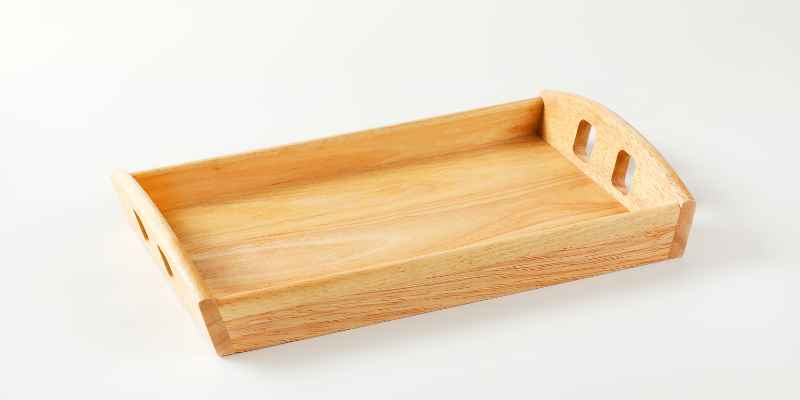
How to Build a DIY Wood Serving Tray (Food-Safe Finish Guide)
A DIY wood serving tray comes together in about two hours from a 12×18-inch plywood base and four 1×4 pine or poplar sides — no specialty tools required beyond a saw, drill, and clamps. Skip a proper finish and the tray stains or warps within weeks of kitchen use. This guide covers the exact cut list, two ways to join the corners, and which finishes are genuinely food-safe once cured.
Insert your Affiliate Disclosure reusable block here
Quick Answer
Food-grade mineral oil is the simplest food-safe finish for a wood serving tray — it’s safe as soon as you wipe off the excess. Polyurethane is more durable but only becomes food-safe after it fully cures, which takes about 30 days for an oil-based formula. Avoid standard varnish and stain unless the label specifically says food-safe once cured.
Materials and Cut List You’ll Need
Best Food-Safe Finish Pick
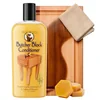
Howard Products Butcher Block Conditioner & Food-Grade Mineral Oil
A mineral oil and beeswax blend built for cutting boards and trays that touch food.
- Best for: trays and boards used for food service, not just display
- Why we picked it: the beeswax adds water resistance mineral oil alone doesn’t have
- Main drawback: needs reapplying every few weeks with regular kitchen use
Compare more food-safe finish options
 Option 1 Thirteen Chefs Food-Grade Mineral Oil, 8 oz
|
 Option 2 Kate Naturals Food-Grade Mineral Oil, Odorless
|
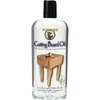 Option 3 Howard Products Food-Grade Mineral Oil, 12 oz
|
As an Amazon Associate we earn from qualifying purchases.
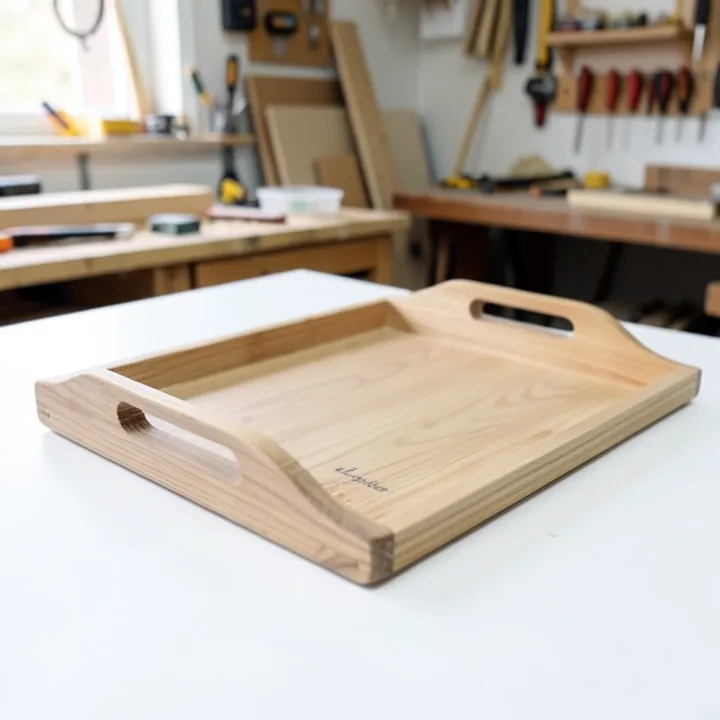
A tray sized for everyday use — big enough for a coffee pot and two mugs, small enough to fit most cabinets — starts with a 12×18-inch base. Scale the cut list up or down in the same ratio for a bigger or smaller tray.
| Material | Cut Size | Quantity |
|---|---|---|
| 3/4″ plywood or 1x board (base) | 12″ x 18″ | 1 |
| 1×4 pine, poplar, or oak (sides) | Two at 18″, two at 10.5″ (mitered or butt-joined) | 4 |
| Wood glue | — | 1 bottle |
| 1-1/4″ finish nails or #6 wood screws | — | ~16 |
| Handles (optional hardware) | — | 2 |
| Food-grade mineral oil or fully-cured water-based polyurethane | — | 1 bottle |
For tools, you need a miter saw or hand saw with a miter box, a power drill, clamps, and 120- and 220-grit sandpaper. A pre-drilled pilot hole at each corner keeps 1x lumber from splitting when you drive screws near the end grain.
How to Build a DIY Wood Serving Tray (Step by Step)
These six steps cover a tray built from a plywood base and mitered or butt-jointed 1×4 sides — the same basic method whether you’re making a plain kitchen tray or a decorative gift piece.
- Cut the base and sides: Cut a 12×18-inch piece of 3/4-inch plywood for the base and four 1×4 boards mitered at 45 degrees, or square-cut for simple butt joints, to fit around it.
- Sand every piece before assembly: Sand all faces and edges with 120-grit sandpaper, then 220-grit, before gluing anything together — it’s far easier to sand flat pieces than tight corners after assembly.
- Glue and clamp the sides to the base: Run a bead of wood glue along each seam, press the sides against the base and each other, and clamp for at least 30 minutes.
- Reinforce each corner: Once the glue sets, drive 1-1/4 inch finish nails or pre-drilled screws through each corner and into the base edge for lasting strength — glue alone will eventually fail on a tray that gets picked up daily.
- Attach handles or cut handle openings: Screw on hardware handles, or drill a starter hole and cut a handle opening with a jigsaw before final sanding.
- Apply a food-safe finish: Wipe on food-grade mineral oil and let it sit 4 hours before wiping off the excess, or apply a fully-cured water-based polyurethane for more durability. See the finish comparison below before you pick one.
Is Your Finish Actually Food-Safe? Mineral Oil vs. Varnish vs. Polyurethane
A food-safe finish is a wood coating that, once fully dry or cured, releases no harmful solvents or additives into food it contacts. Most commercial wood finishes are food-safe once fully cured — the risk is using them before curing is complete, not the finish itself.
| Finish | Food-Safe When? | Best For |
|---|---|---|
| Food-grade mineral oil | Immediately after wiping off excess | Everyday food trays, quick refresh |
| Mineral oil + beeswax conditioner | Immediately after wiping off excess | Trays that need more water resistance |
| Water-based polyurethane | After it fully cures (about 2 weeks) | Display or drink trays, more durability |
| Oil-based polyurethane | After it fully cures (about 30 days) | Decorative trays, longer wait acceptable |
| Standard stain or varnish | Only if the label says food-safe once cured | Decorative-only trays, not for food contact |
📊 Oil-based polyurethane needs roughly 30 days to fully cure before food contact is safe — food-grade mineral oil is safe as soon as the excess is wiped off. Source: Rockler Woodworking, 2026.
According to Holland Bowl Mill, a wood products manufacturer that finishes items for direct food contact, most commercially available wood finishes are safe to eat off of once they’ve had adequate time to cure — the exception is any finish still off-gassing solvents, which is a cure-time issue, not a formula issue.
Choosing the Right Wood for a Serving Tray
Oak and maple are the two most durable common choices — both resist dents and are widely available at home centers. Pine is softer and cuts easily, which makes it forgiving for a first build, but it dents more easily under daily use. Walnut and cherry cost more but darken to a richer color as they age, which is worth it for a tray meant as a gift rather than daily kitchen duty.
Whatever species you pick, check it for cracks, knots near the edges, or cupping before you cut — a board that’s already warped will only get worse once it’s exposed to a food tray’s regular contact with moisture. If you’re gluing multiple boards edge-to-edge for a wider base, match grain direction and color across boards so the seams don’t stand out; the wood glue you use matters less here than clamping pressure and dry time.
Mitered Corners vs. Butt Joints: Which Should a Beginner Use?
Mitered corners (each side cut at a 45-degree angle) look cleaner because there’s no visible end grain, but they require an accurate miter saw setup and leave less room for measuring error. Butt joints (square-cut sides glued and nailed directly to the base edge) are more forgiving for a first build and just as strong once reinforced with glue and two finish nails per corner — the visible end grain reads as intentional on a rustic-style tray.
“Mitered corners look cleaner, but butt joints reinforced with glue and two finish nails per corner hold up just as well on a tray this size. For a first build, butt joints are far more forgiving of small measuring mistakes.”
For handles, cutting an opening directly into the side pieces with a jigsaw — rounded at the corners so fingers don’t catch on sharp edges — skips hardware entirely and holds up better than screwed-on handles over years of lifting a loaded tray. If you’d rather add hardware, wooden handles keep the same warm look as the tray itself.
Caring for Your Wood Serving Tray
Wipe the tray with a damp cloth and mild soap after use, then dry it immediately — never let a wood tray soak or sit wet, since standing water is what actually causes warping and cracking, not occasional light moisture. Keep it out of direct sunlight, which dries oil finishes out faster and can fade darker wood species over time.
Reapply mineral oil every 2-4 weeks with regular use, or as soon as the wood starts looking dry or pale. Check screws and nails periodically and tighten anything that’s loosened — daily handling is what works fasteners loose over months of use, not the wood itself failing.
Creative Ways to Use Your Serving Tray
Beyond serving food and drinks, a finished tray works as a coffee-table catch-all for remotes and coasters, an entryway spot for keys and mail, or a bathroom vanity organizer. A similar shallow-tray build shows up as the entryway valet caddy in our beginner-to-intermediate project roundup if you want to build a second one sized for a narrower spot.
For gifting, add a wood-burned monogram or a simple stenciled design before the final finish coat — do the burning or stenciling before oiling, since oil finishes don’t take stain or burn marks well once applied. A DIY wood project like this one also makes a solid weekend build to pair with other simple furniture pieces.
Frequently Asked Questions
What materials are needed for a DIY wood serving tray?
You need a 12×18-inch plywood or solid-wood base, four 1×4 boards for the sides, wood glue, finish nails or screws, optional handles, and a food-safe finish like mineral oil or fully-cured polyurethane.
How do I choose wood for a serving tray?
Choose a hardwood like oak or maple for daily-use durability, or pine if you want an easier first build. Check every board for cracks, loose knots, or cupping before cutting.
Is mineral oil safe to use on a wood serving tray?
Yes — food-grade mineral oil is one of the few finishes that’s safe to use as soon as you wipe off the excess, with no cure time required. It needs reapplying every few weeks with regular use, since it doesn’t build a protective film the way polyurethane does.
Can you use polyurethane on a serving tray that touches food?
Yes, but only once it’s fully cured — about 2 weeks for water-based polyurethane and about 30 days for oil-based. Using a tray for food before the finish has fully cured is the actual safety risk, not the polyurethane itself.
Can I customize my wood serving tray?
Yes — paint, stain, wood-burn a design, or add decorative handles to match your style. Just apply the food-safe finish coat last, over any paint or wood-burning.
What tools are required for making a serving tray?
A saw (miter saw or hand saw with a miter box), a power drill, clamps, and 120- and 220-grit sandpaper cover the whole build.
Conclusion
A DIY wood serving tray is a genuinely quick weekend project — the build itself takes an afternoon, and the only real decision that affects safety is which finish you use and whether you give it enough time to cure. Pick food-grade mineral oil if you want to use the tray the same day you finish it, or a fully-cured polyurethane if durability matters more than turnaround time. If you want a similar build for the bathroom instead of the kitchen table, a DIY bathtub tray uses the same crosscut-and-seal approach, just sized to span your tub and sealed with spar urethane instead of food-safe oil. Head to the full Woodworking Projects & Tips guide for more builds at every skill level.
Sponsored / affiliate links. As an Amazon Associate I earn from qualifying purchases. I may earn additional commission from eligible campaigns.