Does Acacia Wood Hold Up Outdoors? Yes, 10-25 Years With Oiling
Acacia wood holds up outdoors for 10 to 25 years, but only with regular oiling — left bare, direct sun fades and cracks it within a season. Skipping maintenance is the single biggest reason acacia patio sets fail early, since its natural oils protect against rot but not UV. This guide covers acacia’s real durability numbers, how it compares to teak and cedar, and the maintenance schedule that gets you the full lifespan.
Acacia Wood’s Outdoor Properties
Best Acacia Outdoor Sealer Pick
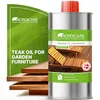
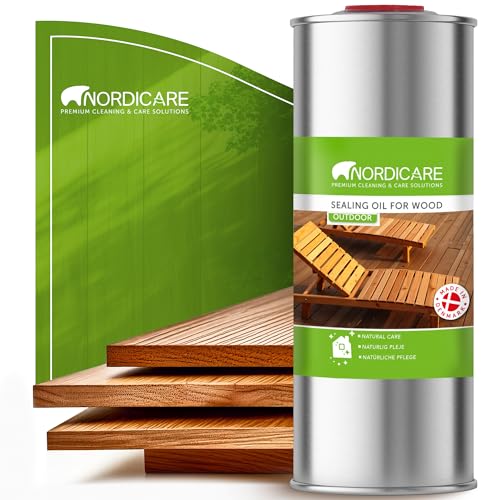
Nordicare Teak & Acacia Oil, 16.9 oz – $19.85
Formulated specifically for acacia, teak, and oak — matches the 6-12 month reapplication schedule this guide recommends for holding up outdoors long-term.
- Best for: routine maintenance oiling to hit the full 10-25 year lifespan
- Why we picked it: formulated for acacia specifically, not just generic teak oil
- Main drawback: smaller bottle covers fewer pieces per application
Compare more acacia and teak oil options
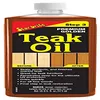 Option 1 Star Brite Golden Teak Oil – $26.89
|
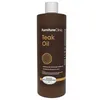 Option 2 Furniture Clinic Teak Oil – $17.95
|
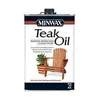 Option 3 Minwax Helmsman Teak Oil – $12.96
|
As an Amazon Associate we earn from qualifying purchases.
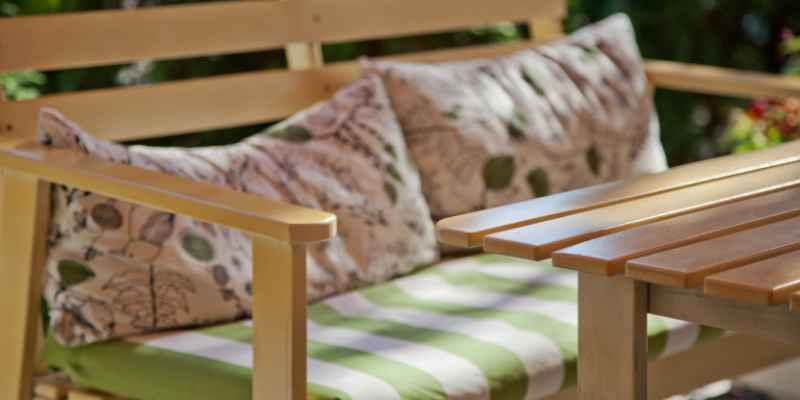
Acacia wood is naturally water-resistant, meaning it sheds rain and moderate splashing without warping right away. It is not waterproof, though — standing water left on the surface for days will still soften and swell the grain over time. Its density also gives it real structural durability: acacia resists dents and scratches better than most softwoods used outdoors, which is why it holds up under daily patio use, not just occasional weather.
Acacia’s Janka hardness — the industry measure of how much force it takes to dent a wood surface — runs 1,700 to 2,300 lbf depending on the species, which is harder than teak and red oak. Hardness isn’t the same as weather resistance, though: teak still edges out acacia for outdoor longevity because of its higher natural oil content, not its hardness. Here’s how the common outdoor wood choices compare:
| Wood Type | Janka Hardness (lbf) | Outdoor Weather Resistance |
|---|---|---|
| Acacia | 1,700 – 2,300 | Excellent (hardest of this group, needs periodic oiling) |
| Teak | 1,000 – 1,150 | Excellent (highest natural oil content, grays slowest) |
| White Oak | ~1,350 | Good (needs sealing for outdoor use) |
| Red Oak | ~1,290 | Fair (less rot-resistant than white oak) |
| Western Red Cedar | ~350 | Good (naturally rot-resistant despite being soft) |
| Eastern White Pine | ~380 | Poor (needs pressure-treating for outdoor use) |
📊 Acacia’s Janka hardness of 1,700-2,300 lbf makes it harder than teak (~1,070 lbf average) and red oak (~1,290 lbf). Teak still tends to outlast it outdoors, since long-term weathering depends more on natural oil content than raw hardness. — Source: The Wood Database
How Long Does Acacia Wood Actually Last Outdoors?
Realistic estimates for outdoor acacia furniture run 10 to 25 years, not the “decades” figure often thrown around without a source. On the low end, 10 to 15 years is typical for pieces that get inconsistent maintenance or sit in full sun year-round. On the high end, 20 to 25 years is achievable with a strict oiling schedule, shade rotation, and winter cover in colder climates. Acacia’s natural oils are what buy it this range in the first place — they resist rot and insects on their own, but they don’t stop UV degradation, which is why maintenance (not the wood itself) is what decides where in that range your furniture lands.
How to Maintain Acacia Wood for Outdoor Use
Acacia holds up outdoors well past its natural baseline when it’s cleaned and oiled on a set schedule, rather than only when it starts looking dry or gray.
Cleaning Acacia Wood
Scrub the surface with a soft-bristled brush and a mild soap-and-water solution to remove dirt, pollen, and mildew spots before they set into the grain. Skip the pressure washer on bare acacia — the force raises the grain and strips natural oils faster than ordinary weather would. Let the piece dry completely before moving to oil.
Oiling on a Climate-Based Schedule
Reapply a teak or acacia oil every 6 to 12 months in most US climates. In high-UV regions — Arizona, Florida, and similar — shorten that to every 2 to 3 months, since intense sun breaks down the surface faster. Wipe the oil on with the grain, let it absorb for 15 to 20 minutes, then wipe off the excess so it doesn’t leave a sticky film.
Storing Acacia Wood Outdoor Furniture in Winter
In climates with freezing winters, move acacia furniture indoors or into a garage or shed if possible — consistent temperature and humidity prevent the warping and cracking that comes from repeated freeze-thaw cycles. If indoor storage isn’t an option, use a breathable, waterproof furniture cover instead of a plastic tarp; plastic traps moisture underneath and encourages mold and mildew rather than blocking it. Clean and oil the piece before covering it for the season.
“In the shop, the acacia pieces that hold their color longest are the ones oiled before their first full summer outdoors, not after they’ve already started to gray — waiting until the wood looks dry means you’re restoring it instead of maintaining it.” — Md Meraj, founder of Woodworking Advisor
For a complete room-by-room and season-by-season routine, see our full acacia wood care guide.
Benefits of Acacia Wood for Outdoor Furniture
Beyond its hardness and water resistance, acacia brings a few practical advantages that make it a common choice for patio sets and garden benches.
- Weather resistance: withstands prolonged sun, rain, and wind without structural deterioration when maintained.
- Insect and rot resistance: natural oils deter termites and wood-boring insects better than most untreated softwoods.
- Fire resistance: more resistant to catching fire than many woods, though high heat (fire pits, grills) can still warp it — keep pieces a few feet back from direct heat.
- Budget-friendly hardness: a harder, more dent-resistant surface than teak at a lower price point.
Drawbacks of Acacia Wood for Outdoor Use
Acacia’s downsides mostly trace back to one issue: it needs upkeep that fully weatherproof materials don’t. Left unmaintained, it can soften, crack, or warp in direct sunlight, and in humid or rain-heavy climates it should be treated before its first season outdoors — the natural oils give it some resistance to mildew, but they don’t make it immune, especially if water is left pooling on a flat surface. Certain substances also damage it faster than plain weather does: alcohol, perfumes, silicone-based products, and cleaning solutions with strong drying agents can all degrade the finish.
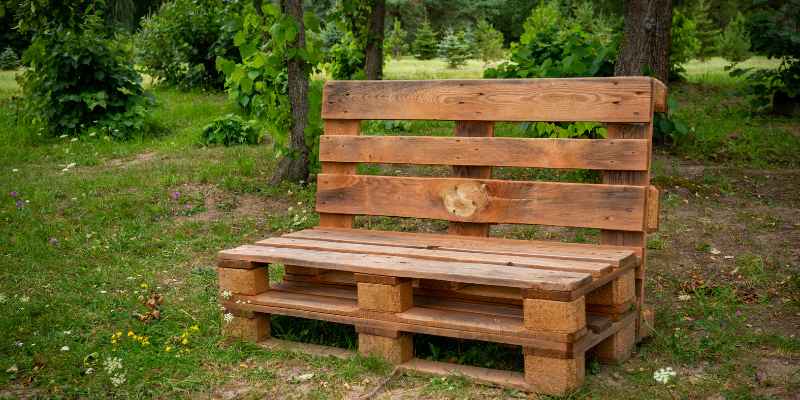
UV exposure will also gray acacia’s surface over time even though the wood stays structurally sound underneath — that’s a cosmetic change, not damage. For the full science on why acacia turns gray and how to prevent or reverse it, see our dedicated guide: how acacia wood weathers outside.
Acacia Wood vs. Other Outdoor Furniture Materials
Acacia vs. Teak Wood
Both hold up well outdoors, but the trade-off is budget versus maintenance. Acacia typically costs 30 to 50% less than a comparable teak piece, which is why it shows up so often in big-box patio sets. Teak’s higher oil content means it grays more slowly and needs oiling less often; acacia needs more frequent attention to hold its color, even though it’s the harder of the two on the Janka scale. See our full breakdown in acacia vs. teak wood.
Acacia vs. Eucalyptus Wood
Both are durable outdoor choices, but acacia is denser and slightly more resistant to dents and wear. Eucalyptus tends to weather to a more uniform gray, while acacia’s grain shows more natural color variation as it ages.
Acacia vs. Metal Furniture
Metal furniture won’t crack or gray, but it rusts and corrodes over time and gets uncomfortably hot in direct summer sun. Acacia stays cooler to the touch and offers a warmer, more natural look, at the cost of needing periodic oiling that metal doesn’t.
Choosing Acacia Wood Outdoor Furniture
Acacia holds up especially well for pieces that sit in one spot long-term, like patio dining sets and garden benches, since consistent placement makes it easier to stick to an oiling schedule. A few checks before buying will save you from the most common acacia complaints later.
- Solid wood, not veneer: confirm the piece is solid acacia rather than a veneer over a cheaper core, which won’t hold up to outdoor swelling and shrinking the same way.
- A protective finish already applied: furniture that ships pre-oiled or pre-sealed gets a head start before it ever sees your patio.
- Sustainably sourced acacia: look for FSC-certified or similarly documented sourcing where it’s listed.
- Realistic maintenance expectations: if you want a true set-and-forget material, acacia isn’t it — budget the 6-12 month oiling habit into the purchase decision, not just the price tag.
The most common mistake buyers make isn’t picking bad furniture, it’s skipping maintenance for the first year and then being surprised the finish looks tired. Oiling on schedule from day one, rather than after the first gray patches appear, is what actually determines whether a set reaches 10 years or 25.
Frequently Asked Questions
Can Acacia Wood Be Left Outside in the Rain?
Yes. Acacia is naturally water-resistant, so occasional and moderate rain won’t damage it. It isn’t waterproof, though, so standing water left on a flat surface for extended periods can still soften and warp the grain over time.
How Long Does Acacia Wood Last Outdoors?
Most acacia outdoor furniture lasts 10 to 25 years. Pieces with inconsistent care and heavy sun exposure land at the lower end; pieces oiled every 6-12 months (or every 2-3 months in high-UV climates) and given winter cover reach the higher end.
What Is the Downside of Acacia Wood Outdoors?
It needs more upkeep than fully weatherproof materials. It can soften, crack, or warp in direct sunlight without oiling, should be treated before use in humid or rain-heavy climates, and is vulnerable to damage from alcohol, perfumes, silicone-based products, and harsh cleaning solutions.
How Do You Weatherproof Acacia Wood?
Clean it with mild soap and water, let it dry fully, then apply a penetrating teak or acacia oil with the grain. Wipe off excess after 15-20 minutes and repeat every 6-12 months, or every 2-3 months in high-UV climates, to keep the seal intact.
Does Acacia Wood Need to Be Covered or Stored in Winter?
In climates with freezing winters, yes — store it indoors or in a garage/shed if possible, or use a breathable waterproof cover (never plastic) if it has to stay outside. In mild climates without hard freezes, a cover during the wettest months is usually enough.
Is Acacia Wood Cheaper Than Teak?
Yes, acacia typically costs 30 to 50% less than comparable teak furniture. The trade-off is maintenance frequency: acacia needs oiling more often to hold its color, since teak’s higher natural oil content slows down graying on its own.
Acacia wood holds up outdoors for 10 to 25 years when it’s cleaned and oiled on a set schedule — the wood itself is durable and naturally water- and insect-resistant, but maintenance is what decides where in that range a given piece lands. Compare it against teak or eucalyptus if budget and upkeep tolerance are close calls, and build the 6-12 month oiling habit into your routine from the first season, not after the first gray patches show up.
Sponsored / affiliate links. As an Amazon Associate I earn from qualifying purchases. I may earn additional commission from eligible campaigns.