Do Zucchini Plants Like Wood Ash? Discover the Benefits!
Are you looking to boost the health and yield of your zucchini plants? You might be surprised to learn that something as simple as wood ash could be your secret weapon.
Imagine transforming your garden into a lush paradise with just a sprinkle of this natural byproduct. But before you rush to your fireplace, you probably have a few burning questions. Does wood ash truly benefit zucchini plants, or could it harm them instead?
Is it the missing ingredient in your gardening routine, or just another gardening myth? By the end of this article, you’ll uncover the surprising truth about wood ash and its impact on your zucchini plants, empowering you to make informed decisions for a thriving garden. Stay with us to discover how you can harness the power of nature for your green thumb success!
Zucchini Plant Growth Needs
Zucchini plants thrive in well-drained soil. The soil should be rich in organic matter. It needs to be loamy and moist. Avoid heavy clay soils. These can suffocate the roots. Sandy soils are also not ideal. They drain too quickly. A pH level between 6.0 and 7.5 is best. This supports healthy growth.
Zucchinis need essential nutrients. Nitrogen is crucial for leaf growth. Phosphorus helps with root development. Potassium boosts fruit production. Calcium prevents blossom end rot. Ensure the soil has adequate minerals. Regular testing can help. Adjust nutrients as needed. This promotes strong plants.
Organic compost is great for zucchini. It enriches the soil naturally. Manure provides key nutrients. Bone meal adds phosphorus. Fish emulsion is rich in nitrogen. Wood ash can be used sparingly. It contains potassium and calcium. Be cautious not to overuse it. Too much can alter soil pH.
What Is Wood Ash?
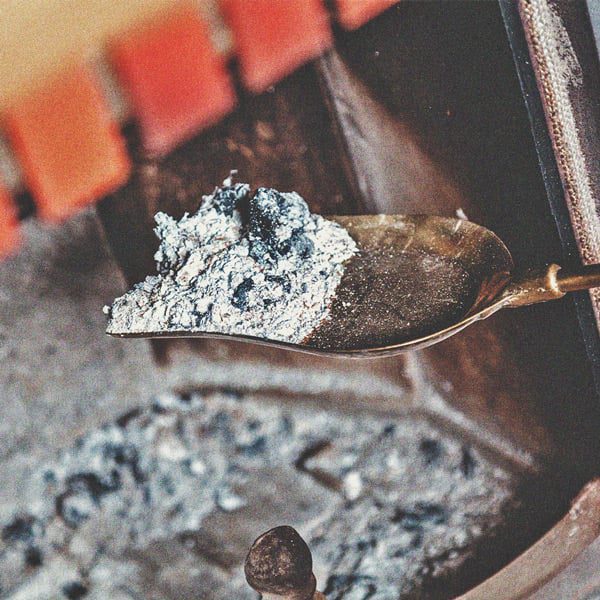
Wood ash is a natural fertilizer from burned wood, rich in potassium and calcium. Zucchini plants benefit from its nutrients, enhancing growth and health.
Composition Of Wood Ash
Wood ash comes from burning wood. It has many minerals. Potassium is one of them. Calcium is also present. These help plants grow. Phosphorus is in wood ash too. It is good for roots. Magnesium is another mineral found. It helps leaves stay green. Wood ash is alkaline. It can change soil pH. Be careful when using it.
Source And Collection
Wood ash comes from fireplaces. It can also be from stoves. Collect it after burning wood. Make sure it is cool. Use a metal container. Keep it dry. Do not use ash with chemicals. Only use pure wood ash. Check for nails and screws. Remove them before use. Store in a safe place. Away from kids and pets.
Benefits Of Wood Ash For Zucchini
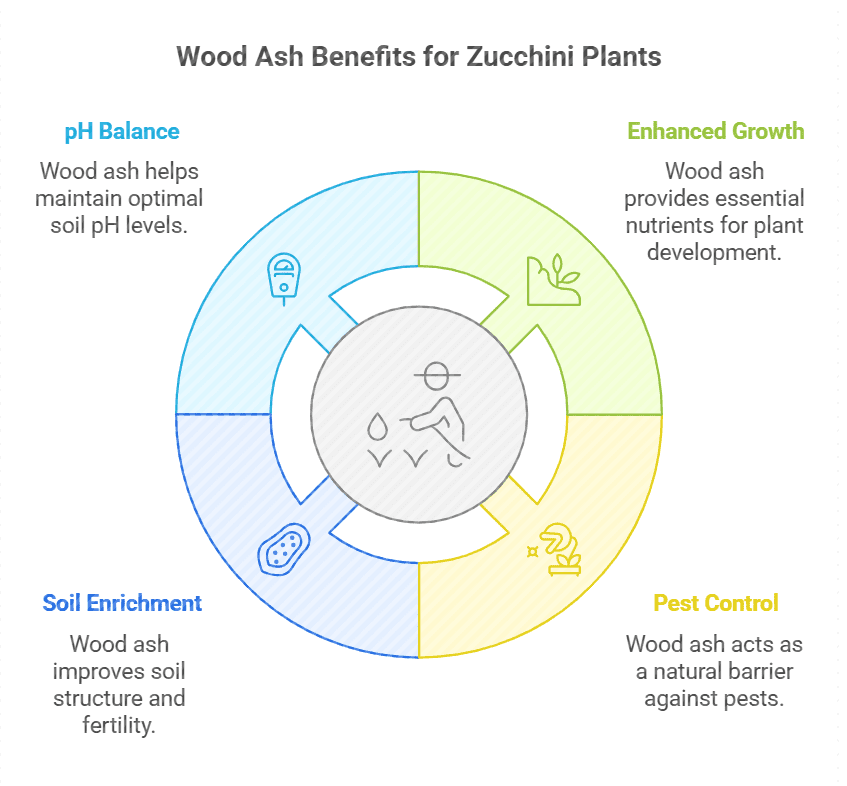
Wood ash is rich in potassium which helps zucchini grow. It also contains calcium and magnesium. These nutrients make plants strong. Zucchini plants need these nutrients to produce healthy fruits.
Wood ash can adjust the soil’s pH level. It makes soil less acidic. This helps zucchini plants grow better. Zucchini likes soil that is not too acidic. Wood ash helps achieve this balance.
Wood ash can act as a natural pest control. It keeps away certain bugs. Bugs don’t like the texture of ash. This helps zucchini stay healthy. Less pests mean more zucchini for you.
:max_bytes(150000):strip_icc()/GettyImages-1316014114-39f21c7673644783bf36ce543e830161.jpg)
Credit: www.treehugger.com
Application Techniques
Zucchini plants appreciate wood ash for its potassium-rich benefits. Sprinkling a thin layer around the base helps improve soil quality. Ensure moderation, as excessive ash can harm plant growth.
Optimal Amounts
Use wood ash sparingly for zucchini plants. Too much can harm them. A light sprinkle is enough. About a quarter cup per plant works well. Always check soil pH first. It should not be too alkaline.
Timing For Application
Apply wood ash before planting season. Early spring is a good time. Ash helps soil get ready. Mix it into the topsoil. Avoid adding during rainy days. Water can wash it away.
Mixing With Other Fertilizers
Wood ash can mix with other fertilizers. Pair it with compost for best results. Compost adds extra nutrients. Balance is key for healthy plants. Avoid mixing with acidic fertilizers. Ash already raises soil pH. Always follow this balance for happy zucchini.
Potential Drawbacks
Wood ash can raise soil pH, potentially harming zucchini plants that prefer slightly acidic conditions. It may also cause nutrient imbalances, affecting plant growth. Use sparingly to avoid these drawbacks.
Overapplication Risks
Wood ash can be very beneficial for plants. But using too much can be harmful. Too much ash makes the soil too alkaline. Zucchini plants prefer soil that is not too alkaline. They may struggle to grow well in such conditions. The roots of the plants might not absorb nutrients properly.
Using excessive ash can also affect soil balance. It can lead to an imbalance of nutrients. Important nutrients might get washed away. The plants might miss out on vital nutrients. This can lead to poor growth and less fruit production.
Impact On Soil Balance
Wood ash contains potassium and calcium. These are good for plants in the right amounts. But too much can disrupt the soil’s natural balance. It might cause an overabundance of certain nutrients. This can reduce the availability of others.
Keeping the soil balanced is important. It ensures that plants get what they need. Too much wood ash can upset this balance. It’s important to use it wisely.
Comparing Wood Ash To Other Amendments
Organic amendments come from natural sources. They include compost, manure, and wood ash. These help soil by adding nutrients. Inorganic amendments are made by humans. They include chemical fertilizers. These give plants a quick nutrient boost. Wood ash is organic. It comes from burned wood. It adds potassium and calcium to the soil. This can help zucchini plants grow.
Wood ash is often free. You can get it from your fireplace. Compost and manure might cost money. You need to buy them. Chemical fertilizers can be expensive too. They are sold in stores. But wood ash is easy to find. It is accessible if you have a wood stove or fire pit. This makes it a good choice for gardeners. Wood ash can save you money.
Gardener Experiences
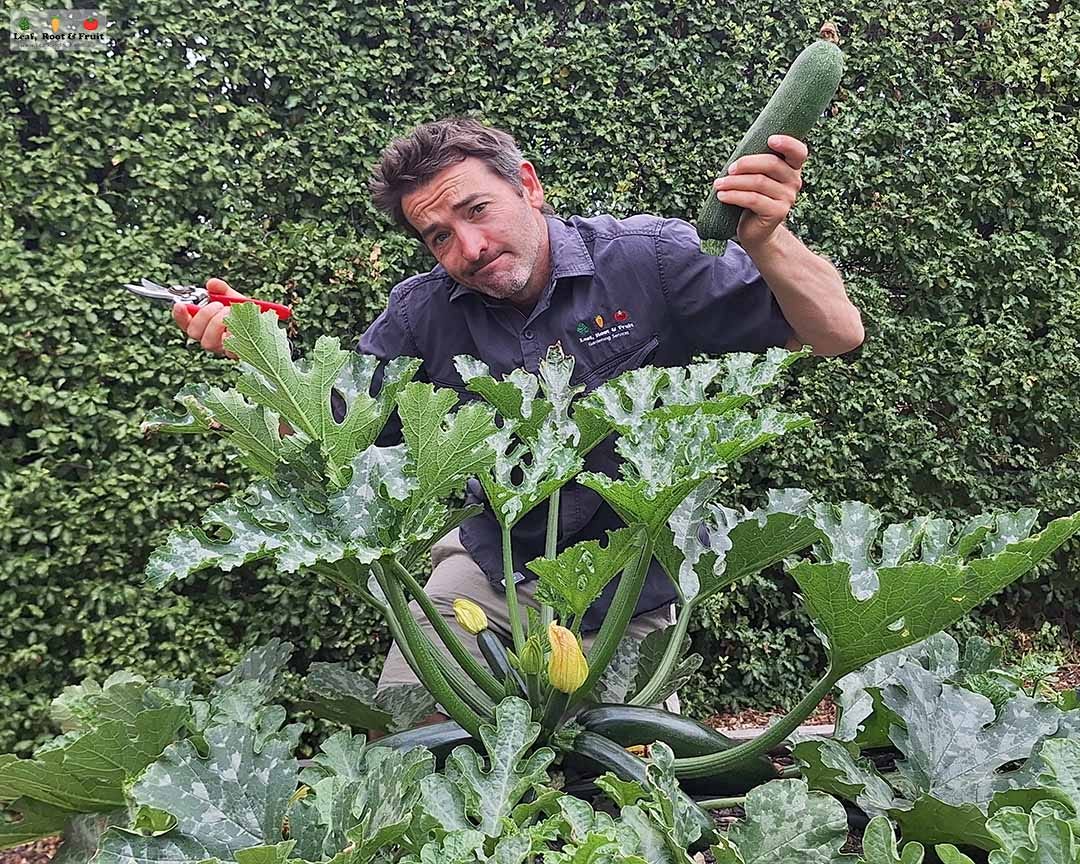
Many gardeners have shared their success stories using wood ash. Zucchini plants often thrive when given a bit of wood ash. It helps with soil’s pH balance. Some gardeners sprinkle it lightly around their plants. They notice healthier leaves and more fruits. One gardener saw larger zucchinis after adding wood ash. Another reported fewer pests bothering their plants. Wood ash seems to boost plant growth. Many gardeners are happy with their results.
Some gardeners learned important lessons with wood ash. Too much ash can harm zucchini plants. It may change the soil too much. A small amount works best. Mixing ash with compost helps balance it. It’s important to test soil first. Some soils already have enough nutrients. Always use ash from clean wood. Avoid treated wood ash. Learning these lessons helps plants grow strong. Gardeners keep trying new methods with wood ash.
Credit: leafrootfruit.substack.com
Frequently Asked Questions
Which Vegetables Do Not Like Wood Ash?
Certain vegetables like potatoes, carrots, and radishes dislike wood ash. It raises soil pH, which can hinder growth. Acid-loving plants prefer a lower pH, so avoid using ash for them. Always test soil pH before applying wood ash to ensure it’s suitable for your garden vegetables.
Which Fertilizer Is Best For Zucchini?
The best fertilizer for zucchini is a balanced one with equal parts nitrogen, phosphorus, and potassium. Organic options like compost or well-rotted manure are excellent. Apply a 10-10-10 NPK fertilizer during planting and again mid-season to boost growth. Regularly ensure the soil is nutrient-rich for optimal results.
Is Wood Ash Good For Squash Plants?
Wood ash can benefit squash plants by providing potassium and raising soil pH. Use sparingly to avoid nutrient imbalances. Test soil pH before application. Too much ash can harm plants, so balance with other fertilizers.
Will Wood Ash Keep Squash Bugs Away?
Wood ash can deter squash bugs by creating a barrier. Sprinkle ash around plants to repel insects. Reapply after rain for effectiveness. Use alongside other pest control methods for best results. Ensure ash is from untreated wood for safety. Regular monitoring of plants is essential to manage squash bug infestations effectively.
Conclusion
Zucchini plants can benefit from wood ash. It provides essential nutrients. Potassium and calcium in ash help plants grow strong. Use it sparingly, though. Too much ash can harm the soil. Always test your soil first. Balance is key for healthy zucchini.
Consider mixing wood ash with compost. This ensures even nutrient distribution. Your zucchini will thank you with a better yield. Remember, gardening is about patience and care. Observe your plants and adjust as needed. Enjoy the gardening journey and happy growing!