1×12 Ash Wood for Sale: What to Know Before You Buy
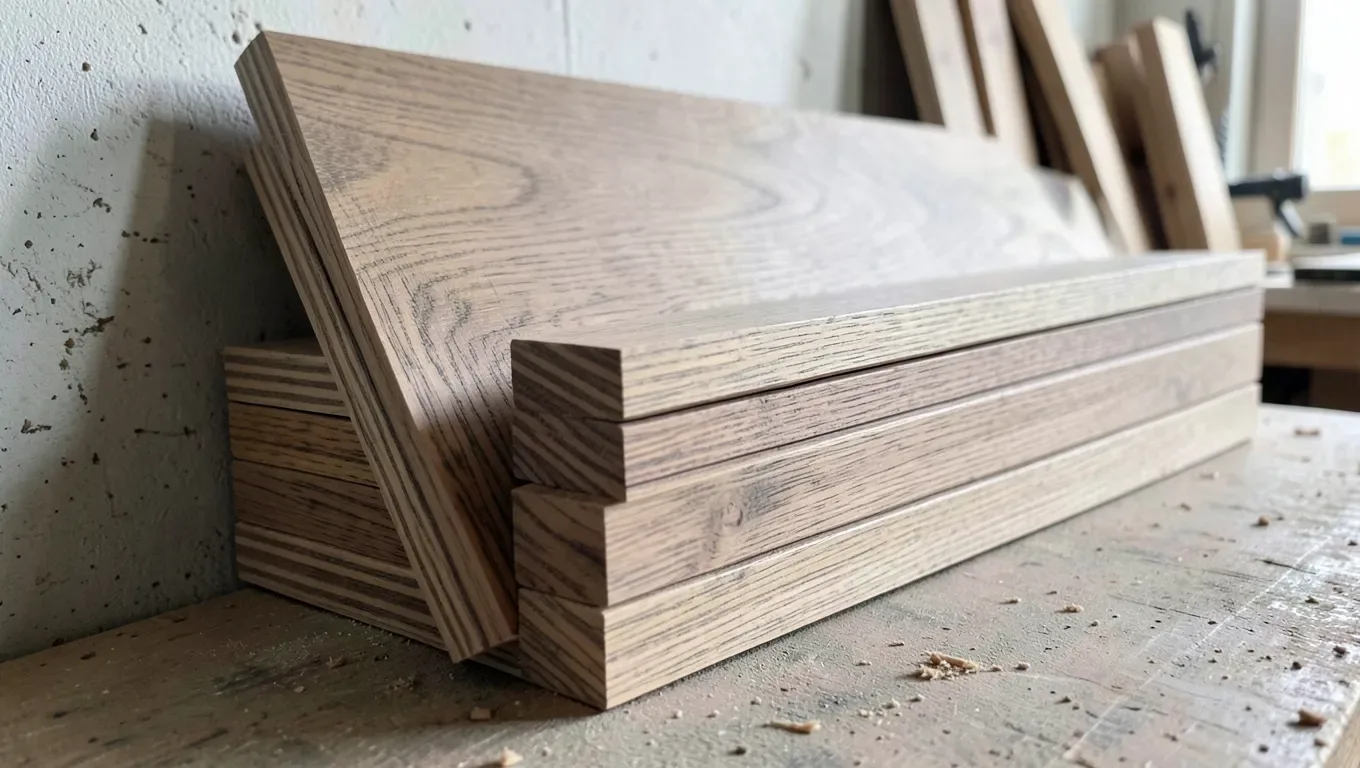
1×12 ash boards (actual size roughly 3/4″ x 11-1/4″ after milling) are a strong, straight-grained hardwood good for shelving, cabinet sides, and workbenches — but before you buy, know that the emerald ash borer has killed hundreds of millions of ash trees across North America since 2002, which is quietly reshaping where ash lumber comes from and what it costs.
The Emerald Ash Borer Problem Most Lumber Guides Skip
Best Finish for Ash Wood Grain
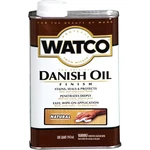 |
Watco Natural Danish Oil Wood Finish, Quart – $21.10 A penetrating oil finish that brings out ash’s straight, prominent grain instead of masking it under a thick film.
|
The emerald ash borer (EAB) is an invasive beetle first found in Michigan in 2002 that has since killed an estimated several hundred million ash trees across the U.S. and Canada, and it continues spreading. This matters directly for anyone buying ash lumber today for three practical reasons: first, many regions now have restrictions on moving ash logs or untreated ash lumber across state or county lines (quarantine zones exist specifically to slow the beetle’s spread) — check local rules if you’re sourcing rough-sawn ash rather than kiln-dried, mill-finished boards. Second, a lot of ash entering the lumber market right now is “salvage” wood cut from trees killed or dying from EAB infestation, which can still be perfectly good lumber but is worth asking your supplier about, since salvage timing affects moisture content and occasionally hidden insect damage near the bark. Third, long-term ash lumber supply is a genuine unknown — as EAB continues working through remaining ash populations, some regions may see ash become harder to source or more expensive over the next decade, which isn’t true of most other domestic hardwoods right now.
None of this means don’t buy ash — it’s still a great, affordable, strong hardwood today. It just means asking your supplier “where did this ash come from, and is it kiln-dried” is a more relevant question for ash than it would be for oak or maple.
Why 1×12 Ash Is a Genuinely Good Choice
Ash sits in an unusually good spot on the strength-to-workability curve. Its Janka hardness (about 1,320 lbf) is close to red oak, and it’s specifically prized for shock resistance — the same property that makes it the traditional choice for baseball bats and tool handles, where wood has to absorb a sudden impact without shattering. That translates well into shelving and cabinet parts that need to resist sagging and general knocks over years of use. Despite that strength, ash machines cleanly with sharp blades, takes screws and glue well, and accepts stain evenly, which is why it’s a common recommendation for someone past total-beginner projects but not yet reaching for finicky exotic species.
The 1×12 dimension (nominal 1″x12″, actual roughly 3/4″x11-1/4″ after milling) earns its popularity by cutting out a step: a single board already covers most shelf, cabinet-side, and small-tabletop widths without edge-gluing narrower boards together first, which is a real time and skill savings for anyone still building glue-up confidence.
Grading: What You’re Actually Paying For
Hardwood grading (commonly following NHLA standards) is based on the amount of clear, defect-free material a board yields, not its raw dimensions. FAS (First and Seconds) is the top grade, yielding the most usable clear length with minimal knots and checks — expect to pay the most here, and it’s worth it for visible furniture faces. Select grade is a step down, usually just as good as FAS if you’re not fussy about matching one specific board face. Common grades (No. 1 Common, No. 2 Common) contain more character marks and shorter clear sections, which is fine and often preferable for shelving, shop furniture, or rustic-look projects where a knot or two adds interest rather than detracting from it. Buying a grade above what a project actually needs is the most common way beginners overspend on lumber.
Where to Buy It
A local hardwood specialty lumberyard lets you hand-pick individual boards, check for straightness and grain that matches your project, and get advice on grade and moisture content from staff who see ash daily — worth the drive for anything beyond quick shop scraps. Big-box home centers occasionally carry ash in standard dimensional sizes but selection is inconsistent; call ahead rather than making a special trip. Online hardwood retailers ship surfaced, ready-to-use boards and are convenient for smaller quantities, but you’re trusting their grading description sight-unseen and paying freight on a heavy, bulky product — read return policies before ordering a large order this way.
Frequently Asked Questions
Is ash wood still available given the emerald ash borer?
Yes, ash lumber is still widely available today, including a substantial amount of salvage wood cut from EAB-affected trees. The concern is longer-term: as the beetle continues spreading, ash may become harder to source or pricier in some regions over the coming years, and some areas have quarantine restrictions on transporting raw ash logs or untreated lumber.
What is 1×12 ash wood actually used for?
Shelving, cabinet sides and box construction, narrow tabletops, workbenches and shop furniture, and craft or sign projects. The 12-inch nominal width covers most shelf and cabinet-part dimensions without needing to glue narrower boards together first.
Is ash wood easy for a beginner to work with?
Yes, ash is considered moderately easy to work with despite its strength. It machines cleanly with sharp blades, takes screws and glue well, and accepts stain and finish evenly, making it a good step up from softwoods without the difficulty of denser exotic hardwoods.
What lumber grade should I buy for shelving?
A No. 1 Common grade is usually the best value for shelving and shop furniture — it costs less than FAS or Select grade while still being structurally sound, and its extra knots or color variation typically don’t matter for a functional, non-showcase piece.
Conclusion
1×12 ash remains a smart, strong, affordable choice for shelving, cabinets, and shop projects — the emerald ash borer hasn’t made it scarce today, but it has made “where did this wood come from” a more relevant question to ask your supplier than it used to be. Buy the grade your project actually needs, and a simple penetrating oil finish will do the rest of the work showing off ash’s grain.
Sponsored / affiliate links. As an Amazon Associate I earn from qualifying purchases. I may earn additional commission from eligible campaigns.