What Is Red Ash Wood? (It’s Actually Two Different Trees)
“Red ash” almost always means Fraxinus pennsylvanica, the North American tree lumber yards blend into “white ash” boards — but in Australia the same common name belongs to Alphitonia excelsa, an unrelated hardwood in a different plant family entirely. Mixing them up matters if you’re sourcing lumber or checking hardness specs, since their properties don’t match. This guide covers identification, properties, care, and why Emerald Ash Borer is shrinking true red ash supply.
Quick Answer
Red ash wood most often refers to Fraxinus pennsylvanica, a North American ash tree marketed commercially as white ash lumber alongside green and black ash. It has a Janka hardness near 1,200 lbf, hairy leaf undersides and twigs, and goes into tool handles, sports equipment, furniture, and flooring. A separate species, Alphitonia excelsa, carries the same name in Australia.
What Is Red Ash Wood? (It’s Actually Two Different Trees)
Best Ash Wood Conditioner Pick
Howard Products Feed-N-Wax Wood Polish & Conditioner, 8 oz
A beeswax-and-orange-oil blend that conditions finished ash furniture and tool handles without stripping the existing finish.
- Best for: routine conditioning of finished red ash furniture, handles, and cabinetry
- Why we picked it: matches the care steps above — prevents the drying and cracking that dulls ash’s reddish grain
- Main drawback: conditions existing finishes only, won’t restore bare or heavily worn wood
Compare more ash wood finishing options
 Option 1 Watco Danish Oil Wood Finish, Natural, Pint
|
 Option 2 Parker & Bailey Orange Oil Polish, 16 oz
|
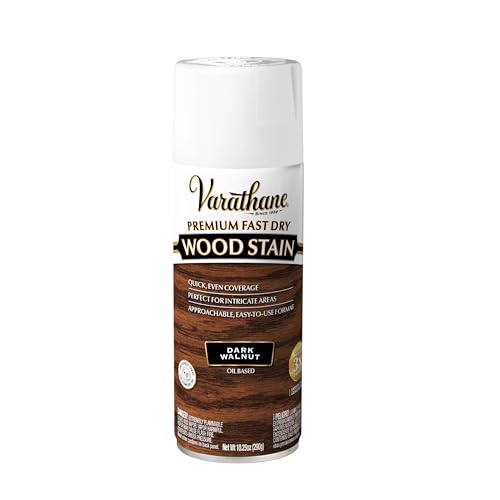
 Option 3 Varathane Fast Dry Dark Walnut Wood Stain
|
As an Amazon Associate we earn from qualifying purchases.
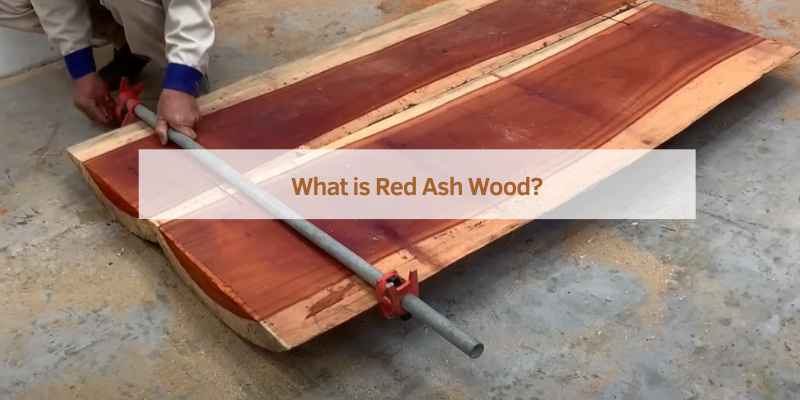
Red ash is a common name that got applied to two completely unrelated trees on opposite sides of the world, and most articles online never sort out which one they’re talking about. In North America, red ash is Fraxinus pennsylvanica — the hairy-leaved variety of green ash, a true ash in the olive family (Oleaceae). It’s native to floodplain woodlands, riverbanks, and swamps from Canada down through the eastern and central United States, and it’s the most widely distributed ash species in Canada’s prairie provinces.
In Australia, “red ash” refers to Alphitonia excelsa, a tree in the buckthorn family (Rhamnaceae) that isn’t botanically related to true ashes at all. It has orangish-pink heartwood, a higher Janka hardness (around 1,890 lbf versus roughly 1,200 lbf for North American red ash), and is used mainly for veneer, turned objects, and specialty cabinetry. Since this site serves a North American woodworking audience, the rest of this guide covers Fraxinus pennsylvanica — but if you searched for “red ash” after seeing it on an Australian lumber site or plant database, that’s the tree you’re looking at instead. For the full lineup of North American ash species, see our guide to types of ash wood, or browse the ash wood hub for everything else on this site.
How to Identify Red Ash Wood
The easiest field identifier is hair. Red ash has distinctly hairy leaf undersides, leaf stalks, and young twigs, while green ash — the smooth-leaved variety of the same species, Fraxinus pennsylvanica — is hairless in those same spots. Terminal buds are reddish-brown and hairy, running about 3 to 8 mm long. Bark is gray with tight, interlaced ridges that form narrow diamond-shaped patterns, and on larger branches it turns gray and scaly. Leaves are compound with 7 leaflets on average (ranging from 5 to 9), and they turn yellowish-brown in fall.
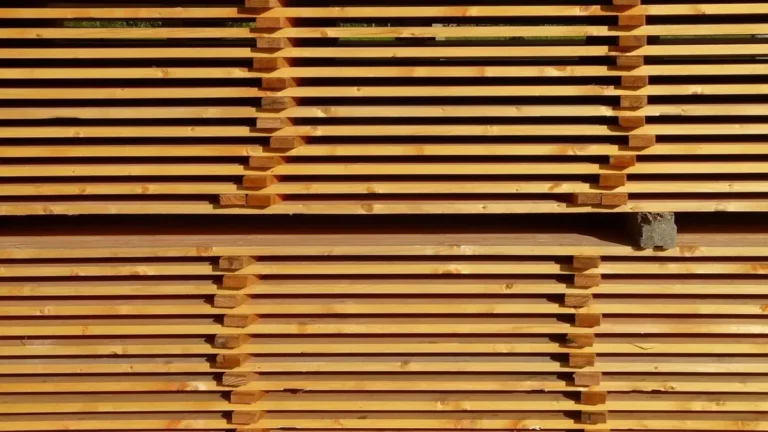
Once it’s milled into lumber, though, red ash and green ash are visually indistinguishable, and mills don’t separate them — both get graded and sold as part of the broader “white ash” lumber category, alongside true white ash (Fraxinus americana) and black ash (Fraxinus nigra). If you want a closer look at what that grain actually looks like on a finished board, see our guide to ash wood grain patterns.
In the shop, that shared grain structure is a practical advantage: ash’s straight, open pores take stain evenly without the blotching that pine, cherry, or birch can produce, so you can usually skip a pre-stain conditioner that those woods would need.
Red Ash vs. Other Ash Species
| Common Name | Scientific Name | Janka Hardness | Best For |
|---|---|---|---|
| Red / Green Ash | Fraxinus pennsylvanica | ~1,200 lbf (variable) | Tool handles, sports gear, general furniture |
| White Ash | Fraxinus americana | ~1,320 lbf | Flooring, baseball bats, cabinetry |
| Australian Red Ash | Alphitonia excelsa | ~1,890 lbf | Veneer, turned objects, specialty cabinetry |
Note the hardness range on North American red ash — it’s not a single fixed number. Trees grown in swampy southern conditions tend to produce noticeably lighter, less dense wood than trees grown in northern climates, which is why guitar builders specifically seek out lighter “swamp ash” specimens of this species for their resonance, while furniture and flooring buyers favor denser, harder-grown boards.
Properties of Red Ash Wood
| Property | Description |
|---|---|
| Color | Light brown heartwood with a reddish-brown tint; pale sapwood |
| Grain | Straight, open, and coarse but even |
| Janka Hardness | Approximately 1,200 lbf, variable by growing region |
| Workability | Easy to cut, plane, and sand with hand or power tools |
| Stability | Good dimensional stability once dried; moderate shrinkage |
These properties make red ash a good middle-ground hardwood: harder and more shock-resistant than most softwoods, but easier to machine than dense woods like hard maple or white oak.
Caring For and Finishing Red Ash Wood
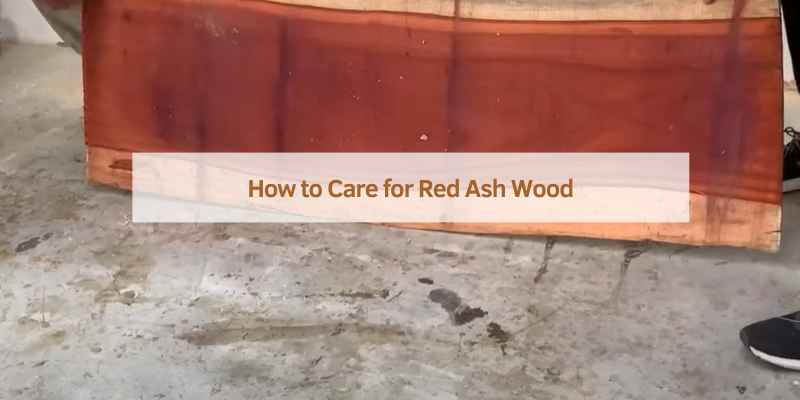
Red ash’s open pores mean it absorbs finish readily, so a light touch prevents blotching. Follow these steps to keep it looking its best:
- Keep it dry and out of standing water — ash is not naturally rot-resistant.
- Dust and wipe down regularly with a soft, slightly damp cloth.
- Apply a wood polish or conditioner every few months to prevent the finish from drying out and cracking.
- Keep finished pieces out of direct sunlight, which fades the reddish tint over time.
- For unfinished or bare furniture, a penetrating oil finish evens out color and highlights the grain before any topcoat.
Uses of Red Ash Wood
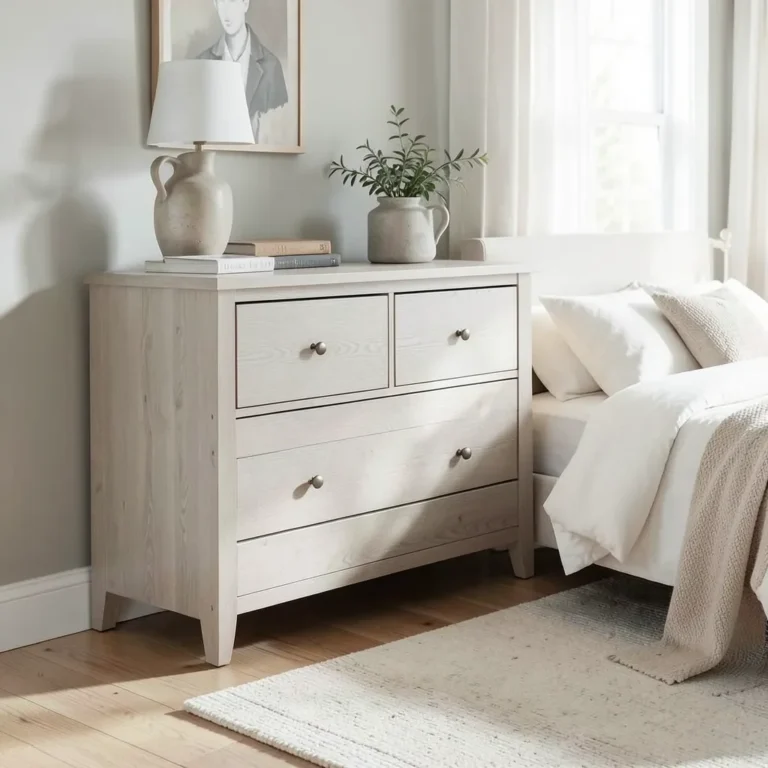
- Furniture: Strong, straight grain and even stain absorption make it a common furniture wood, usually sold and worked interchangeably with white ash — see our ash wood furniture guide for style and care specifics.
- Flooring: Handles heavy foot traffic well, though white ash’s slightly higher hardness is more commonly specified for flooring grade.
- Tool handles: Shock resistance and flexibility make it a longtime choice for axe, hammer, and shovel handles.
- Sports equipment: Baseball bats and hockey sticks have traditionally used ash for its combination of strength and give under impact, though maple bats have become more common as ash supply has tightened.
- Electric guitar bodies: Lighter “swamp ash” boards from southern-grown trees are prized by guitar builders for their resonance.
One lesser-known use: the inner bark of red ash yields a red dye, which is part of where the “red” in the common name likely comes from — alongside the reddish tint of the heartwood itself.
Buying Red Ash Lumber: What to Know
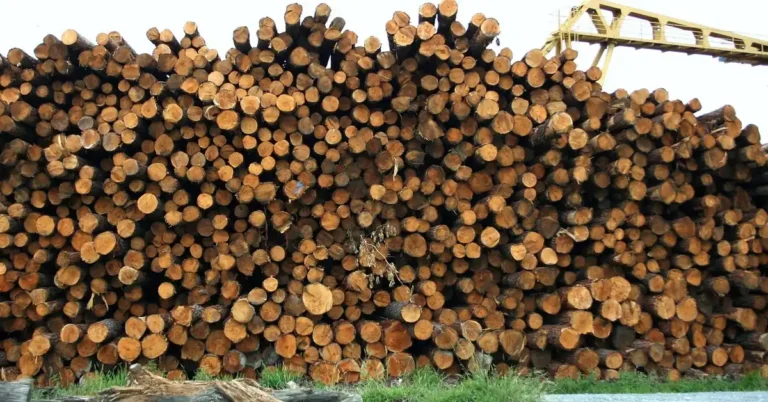
You won’t find boards labeled “red ash” at most lumber yards. Because red and green ash are the same species (Fraxinus pennsylvanica) and are visually identical once milled, they’re graded and sold together under the general “white ash” category alongside true white ash. If a seller specifically advertises “swamp ash,” that’s a weight/density distinction — lighter boards from southern, wetter-grown trees — not a separate species label.
Practically, that means when you’re buying ash lumber for a furniture or flooring project, you’re rarely choosing between “red” and “white” ash by name. Instead, judge boards on color consistency, grain straightness, and moisture content, the same way you would for any ash purchase. If you’re buying dimensional stock rather than boards, our ash wood 2×4 guide covers strength and sizing for framing and project lumber, and you can cross-check how ash’s hardness compares to other species or look up ash wood’s weight per board foot before ordering.
Is Red Ash Wood Endangered? The Emerald Ash Borer Threat
Red ash’s long-term supply is under real pressure. The Emerald Ash Borer (EAB), an invasive beetle first detected in North America in 2002, has killed hundreds of millions of ash trees across the continent, and red ash has been hit hard enough that conservation groups now list it as critically endangered in parts of its native range, including Ontario.
📊 Red ash is listed as critically endangered in parts of its native Canadian range due to Emerald Ash Borer — a tree that was common along riverbanks and floodplains a generation ago. Source: University of Guelph Arboretum.
For woodworkers, this is worth knowing for two practical reasons: existing ash lumber supply is expected to tighten and get pricier over time as fewer live trees remain to harvest, and if you’re planting or maintaining ash trees on your own property, EAB monitoring is worth doing regardless of which ash species you have.
Frequently Asked Questions
What is red ash wood?
Red ash wood most commonly refers to Fraxinus pennsylvanica, a North American ash tree with hairy leaf undersides and twigs. It’s marketed commercially as white ash lumber and used for tool handles, furniture, flooring, and sports equipment.
Is red ash the same as green ash?
Yes. Red ash and green ash are both Fraxinus pennsylvanica — red ash is the hairy-leaved variety, green ash is the hairless variety. They’re botanically the same species and are indistinguishable once milled into lumber.
How hard is red ash wood?
Red ash has a Janka hardness of approximately 1,200 lbf, though this varies by growing region — trees from northern climates tend to produce denser, harder wood than those grown in swampy southern conditions.
Is red ash wood good for furniture?
Yes. Its straight grain, moderate hardness, and even stain absorption make it a solid furniture wood, and it’s worked and finished the same way as white ash since the two are sold interchangeably.
Is red ash wood endangered?
Red ash is listed as critically endangered in parts of its native Canadian range due to the invasive Emerald Ash Borer, which has killed hundreds of millions of ash trees across North America since 2002.
Is Australian red ash the same wood?
No. Australian red ash (Alphitonia excelsa) is a completely different, unrelated species in the buckthorn family, not a true ash. It’s denser than North American red ash and is used mainly for veneer and turned objects, not general furniture lumber.
Red ash is a solid, workable hardwood once you know which tree you’re actually dealing with — and with genuine supply pressure from Emerald Ash Borer, it’s worth using and caring for well rather than treating it as an interchangeable commodity board. Whether you’re building furniture, replacing a tool handle, or refinishing an older piece, the straight grain and even stain absorption that make ash forgiving in the shop are exactly what make it worth the extra care outlined above.
Sponsored / affiliate links. As an Amazon Associate I earn from qualifying purchases. I may earn additional commission from eligible campaigns.