Is Ash Wood Food Safe for Cutting Boards and Utensils?
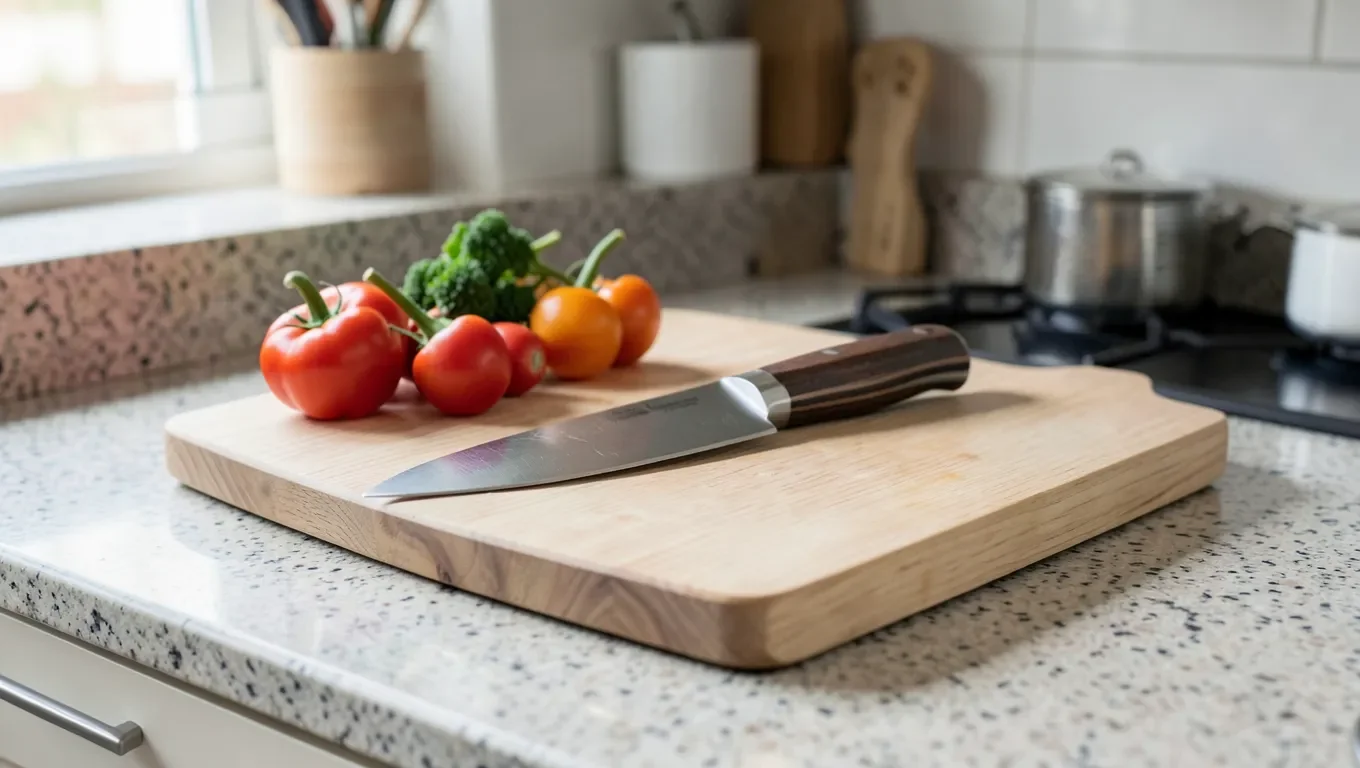
Yes, ash wood is food safe. It’s a hard, tight-grained hardwood with a closed pore structure that doesn’t readily absorb moisture, bacteria, or food odors, which is exactly why it’s a traditional choice for cutting boards, utensils, and bowls. The real conditions are the same as for any wood used around food: it needs to be untreated (or finished only with food-safe products) and properly maintained. Here’s what makes ash safe, how to finish it correctly, and how to keep it that way.
Why Ash Works Well in the Kitchen
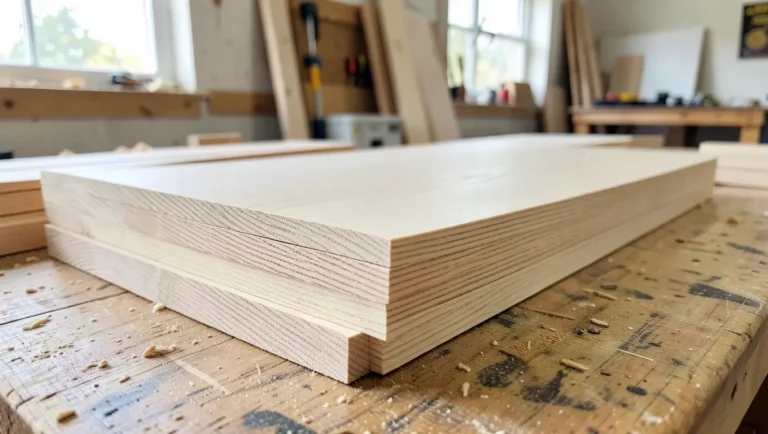
Ash is a diffuse-porous hardwood with straight, tight grain and no natural toxins or strong odor that would transfer to food. Its density and closed grain structure resist moisture absorption better than open-grained woods, which matters directly for food safety: a cutting surface that stays drier discourages the bacterial growth that thrives in damp, porous material. Ash also resists splintering and holds up well to repeated knife contact, so a cutting board doesn’t develop deep knife grooves as quickly as it would in a softer wood.
Compared to other common cutting board woods, ash sits in a practical middle ground: lighter and less expensive than teak, smoother-grained than oak, and more durable and less prone to splintering than pine or other softwoods (which is why softwoods are generally avoided for cutting surfaces in the first place).
Best Food-Safe Oil To Keep Ash Cutting Boards Sealed
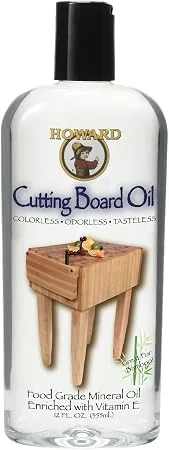 |
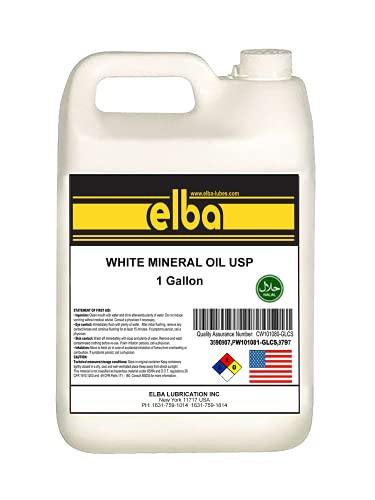
Howard Products Food Grade Mineral Oil, 12oz – $8.90 Ash’s tight grain still needs periodic oiling to stay moisture-resistant long-term – a food-grade mineral oil is the standard safe choice, unlike varnish or lacquer which aren’t rated for food contact.
|
Finishing Ash for Food Contact
- Food-grade mineral oil is the standard finish – it’s inert, won’t go rancid the way some plant-based oils can, and needs periodic reapplication as the wood dries out.
- Beeswax-oil blends add a bit more water resistance and shine on top of a mineral oil base coat.
- Never use varnish, polyurethane, or lacquer on a food-contact surface – these finishes aren’t rated for food contact and can introduce chemicals into food, especially once the surface is cut into repeatedly with a knife.
- Confirm any purchased ash item is untreated or specifically food-safe finished – decorative ash pieces not intended for the kitchen may use a non-food-safe finish.
Caring for Ash Kitchenware
- Hand wash only – wipe with a damp cloth and mild soap, then dry immediately. Never soak ash (or any wood) in water, and never put it in a dishwasher, since prolonged water exposure and heat both cause warping and cracking.
- Re-oil regularly – roughly monthly with regular use, or whenever the surface starts to look dry or pale.
- Keep it away from direct heat and prolonged sun, both of which dry wood out faster than normal use and can cause cracking.
- Sand out deep knife grooves periodically – grooves that develop over years of use can harbor bacteria more easily than a smooth surface, so light sanding and re-oiling restores both the look and the hygiene of an older board.
Choosing an Ash Cutting Board or Utensil
Look for a light, straight, consistent grain with minimal knots – knots are weak points that can crack or harbor moisture. Check that the piece is free of cracks or checking (small surface splits), and ask about the finish if it’s not explicitly labeled food-safe. For more on ash’s broader properties and uses beyond the kitchen, see our guide to what ash wood is good for.
Conclusion
Ash is a genuinely good, food-safe choice for cutting boards, bowls, and utensils – its tight grain resists moisture and bacteria, and it holds up well to daily knife use. The safety comes down to how it’s finished and maintained: food-grade mineral oil or beeswax, never varnish or lacquer, regular hand-washing and drying, and periodic re-oiling to keep the surface sealed.
Frequently Asked Questions
Is ash wood safe for cutting boards?
Yes. Ash is a hard, tight-grained hardwood that resists moisture absorption and knife marks, and its closed grain structure discourages the bacterial growth that thrives in damper, more porous materials. It’s a long-standing traditional choice for cutting boards.
What finish should I use on ash for food contact?
Food-grade mineral oil is the standard, safe finish, sometimes topped with a beeswax-oil blend for extra water resistance. Never use varnish, polyurethane, or lacquer on a food-contact surface, since these aren’t rated for food safety.
How do I maintain an ash cutting board?
Hand wash with mild soap and dry immediately – never soak it or put it in a dishwasher. Re-oil roughly monthly with regular use, and sand out deep knife grooves periodically to keep the surface smooth and hygienic.
What woods should be avoided for food contact?
Treated woods (pressure-treated or painted) should never contact food due to the chemicals used in treatment. Resinous softwoods like pine are generally avoided for cutting surfaces since they’re softer, splinter more easily, and can carry a resinous taste into food.
Sponsored / affiliate links. As an Amazon Associate I earn from qualifying purchases. I may earn additional commission from eligible campaigns.