Does Burning Wood Create Carbon Monoxide? Answering Your Questions
If you’re curious about fires, you might be asking yourself, Does Burning Wood Create Carbon Monoxide? It’s a common question, especially for those new to this area. Don’t worry, it’s not as hard to figure out as it seems. This post breaks it down step by step, so you can easily grasp the important facts. We will explore everything you need to know about this question without using any technical jargon. Get ready for a clear, easy-to-follow guide!
The Basics of Carbon Monoxide and Wood Burning
Let’s start with the basics. Carbon monoxide (CO) is a dangerous gas. It’s invisible and odorless, making it tricky to detect without special tools. When wood burns, it goes through a chemical process. The main elements involved are carbon (from the wood), oxygen (from the air), and heat (from the fire). During the burning process, if there’s not enough oxygen, or if the fire doesn’t burn cleanly, carbon monoxide is often produced. This is a normal part of how many fires work, but it’s important to be careful.
What is Carbon Monoxide?
Carbon monoxide is a colorless, odorless, and tasteless gas. Because it’s invisible and hard to detect, people often don’t realize they’re being exposed to it until symptoms start. CO is dangerous because it prevents your body from getting the oxygen it needs. When you breathe in CO, it enters your bloodstream and attaches to hemoglobin, the protein that carries oxygen. CO binds to hemoglobin much more strongly than oxygen does. This prevents the hemoglobin from transporting oxygen to your body’s organs and tissues. The result can be serious health problems, and in high concentrations, CO can be fatal.
- How CO Affects Your Body: When you breathe in carbon monoxide, it replaces oxygen in your blood. This starves your heart, brain, and other vital organs of oxygen. Low levels can cause headaches and nausea. Higher levels can lead to confusion, loss of consciousness, and even death.
- Sources of CO: Apart from wood-burning fires, CO can also come from gas-powered appliances like furnaces, water heaters, and car exhaust. Improperly maintained equipment is often the culprit. Even running a car in a closed garage can lead to dangerous CO buildup.
- CO Detectors: Carbon monoxide detectors are essential safety devices. They constantly monitor the air for CO and sound an alarm if levels are too high. It’s smart to have a detector on every level of your home, especially near sleeping areas and near any potential sources of CO. They are a crucial line of defense.
- Recognizing the Symptoms: Symptoms of CO poisoning can be similar to the flu, such as headache, dizziness, weakness, nausea, vomiting, chest pain, and confusion. If you suspect CO poisoning, immediately move to fresh air and seek medical attention.
The Wood Burning Process
Wood burning is more complicated than simply setting a log on fire. The way wood burns affects how much carbon monoxide is produced. It is a chemical reaction that can vary depending on conditions like oxygen supply, wood type, and temperature. Efficient burning is key to reducing the amount of CO released. A well-designed fi
- Complete Combustion: Complete combustion happens when there’s enough oxygen. The wood turns into ash, water vapor, and carbon dioxide. This process releases less carbon monoxide because the carbon atoms fully bond with oxygen.
- Incomplete Combustion: Incomplete combustion occurs when there’s not enough oxygen. The wood partially burns, and carbon monoxide is created. Other byproducts, like smoke and soot, also form. This is a less efficient and more dangerous type of burning.
- Wood Type: Different kinds of wood burn differently. Hardwoods, like oak and maple, generally burn longer and produce less smoke than softwoods, like pine and fir. The moisture content of the wood is also important. Wet wood burns poorly and creates a lot of smoke and CO.
- Airflow Matters: The amount of air that reaches the fire controls how well it burns. Fi
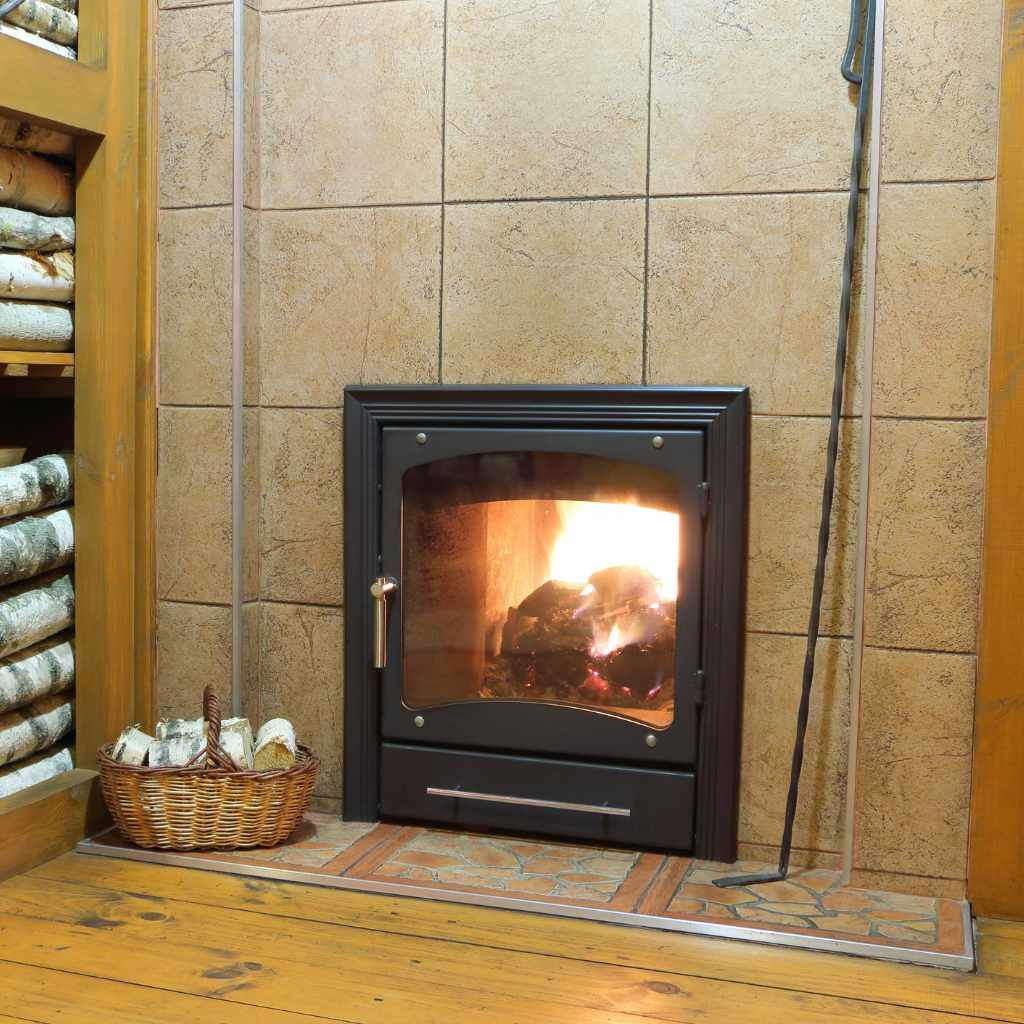
Does Burning Wood Create Carbon Monoxide? The Answer
The short answer is yes, burning wood does create carbon monoxide. However, the amount varies based on several things we’ve already mentioned. Under ideal conditions, like with a well-designed stove and dry wood, the amount is minimized. But it’s almost impossible to eliminate it completely. This is why safety measures are so important. Understanding this relationship helps you burn wood more safely and efficiently. Remember, the goal is to reduce, not eliminate, CO production.
Factors Influencing CO Production
Several factors affect how much carbon monoxide is produced when wood burns. These elements include the type of equipment you use, the type of wood, and the environmental conditions. Understanding these factors will help you make decisions that can improve safety. For example, using a modern wood stove is almost always better than an older fi
- The Stove or Fireplace Design: Modern wood stoves are often designed to burn wood more efficiently, which reduces CO. They have features like secondary combustion chambers and better airflow. Older fireplaces often lack these features, leading to incomplete combustion and more CO production.
- Wood Moisture: Dry wood burns much better than wet wood. Wet wood produces more smoke and CO because the fire has to expend energy to evaporate the water before it can burn the wood. This leads to incomplete combustion. Always use seasoned (dried) wood for a safer fire.
- Air Supply: Adequate airflow is crucial for complete combustion. Insufficient air results in incomplete burning and high CO emissions. Ensure that your stove or fireplace has proper ventilation. Make sure vents are open and that there are no obstructions.
- Maintenance: Regular cleaning and maintenance of your stove or fireplace help to maintain proper airflow and combustion. Creosote buildup in chimneys can restrict airflow. This can lead to increased CO production. Get your chimney inspected and cleaned regularly to ensure it functions safely.
Minimizing Carbon Monoxide Risks
While some CO production is inevitable, there are many things you can do to minimize your risks. This includes proper maintenance and the use of safety equipment. The primary goal is to promote complete combustion by making sure that the fire has adequate air and is burning at a high temperature. Proper practices, when paired with the right equipment, will dramatically reduce the risk of carbon monoxide poisoning. Make it a routine to verify that your safety practices are in place and working properly.
- Use a Certified Wood Stove: Stoves that meet EPA (Environmental Protection Agency) standards are designed to burn wood more cleanly. These stoves produce significantly less CO and particulate matter than older models.
- Burn Only Seasoned Wood: Seasoned wood has a low moisture content. It burns better and produces less smoke and CO. It should be dried for at least six months. Look for cracks at the ends of the logs and a lighter weight.
- Ensure Adequate Air Supply: Make sure your stove or fireplace has enough air to breathe. Do not close the air vents completely unless the manufacturer specifies otherwise. Insufficient airflow leads to incomplete combustion, creating more CO.
- Regular Chimney Cleaning: Creosote is a flammable byproduct that builds up in chimneys. It restricts airflow and increases the risk of a chimney fire. Have your chimney inspected and cleaned at least once a year by a certified professional.
- Install and Maintain Carbon Monoxide Detectors: Place CO detectors on every level of your home and near sleeping areas. Test the detectors monthly and replace them according to the manufacturer’s instructions. This is one of the most important steps to protect yourself and your family.
Burning Wood in Different Situations
The amount of carbon monoxide produced when burning wood can vary considerably depending on the circumstances. It matters whether you’re using a fireplace in your home, an outdoor fire pit, or a camping stove. Each of these situations presents different challenges and requires a slightly different approach to safety. Being aware of the specific risks of each environment will help you make informed decisions about how to minimize the danger of CO exposure.
Home Fireplaces vs. Wood Stoves
Fi
- Fireplace: Many fireplaces are less efficient than modern stoves. They often allow heat to escape up the chimney, wasting energy and contributing to air pollution. Older fireplaces may have poor airflow control, increasing the risk of CO production.
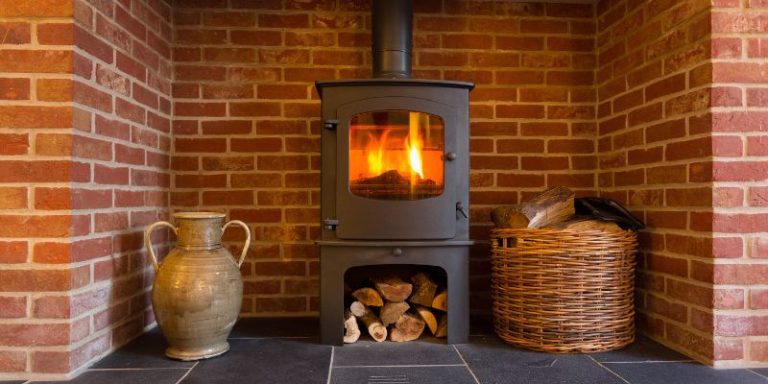
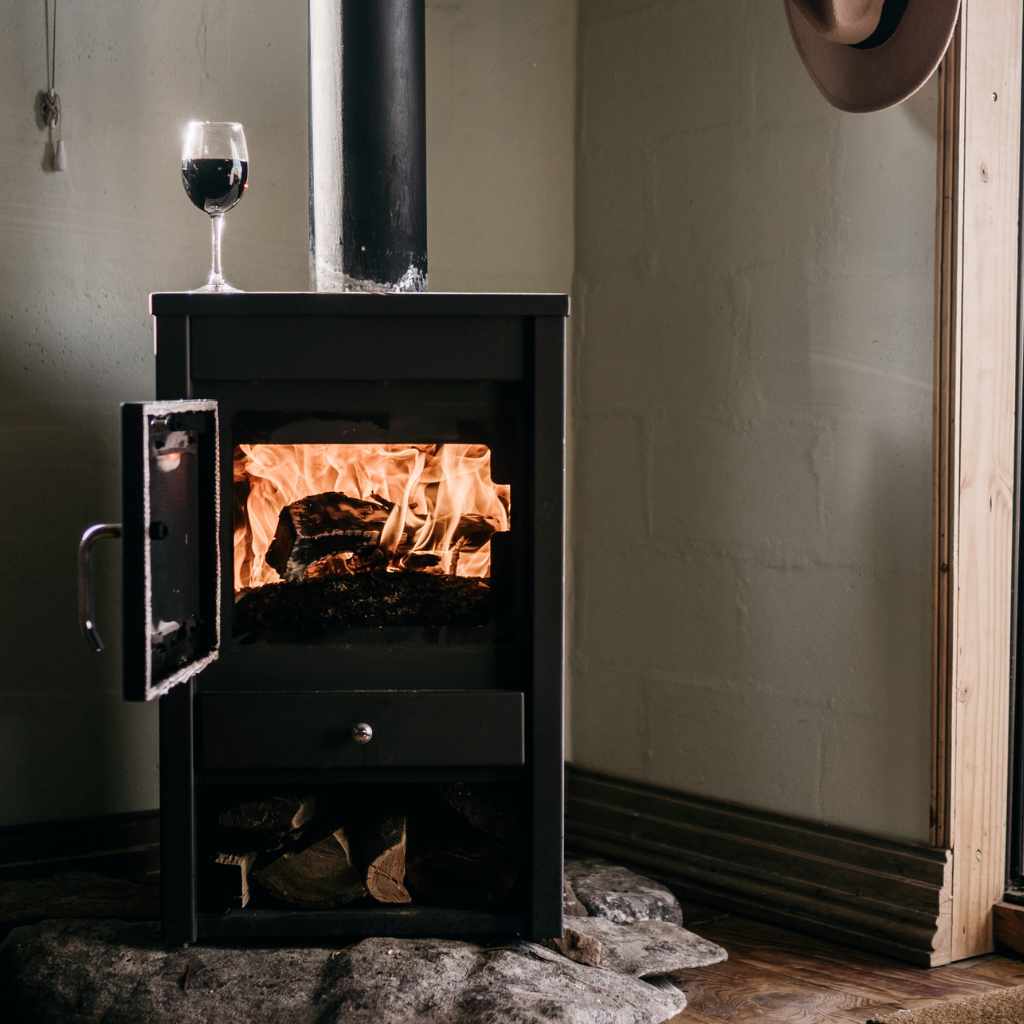
- Wood Stove: Wood stoves are engineered to burn wood more efficiently. They often include features like secondary combustion chambers, which burn off more gases. This reduces both CO emissions and the amount of wood needed to create heat.
- Ventilation: Proper ventilation is key for all wood-burning appliances. Ensure that your chimney or flue is clear of obstructions and allows for adequate airflow. Regularly inspect your chimney for creosote buildup, which can restrict airflow.
- Safety: Always have a working CO detector near your fireplace or stove. Never use a fireplace or wood stove if you have any reason to believe it is not functioning correctly. Consult a professional if you have any questions or concerns about its use.
Outdoor Fires and Carbon Monoxide
Outdoor fires, like those in fire pits or campfires, also produce carbon monoxide. While they are usually less of a concern than indoor fires (because of better ventilation), they can still be dangerous, especially in certain situations. The surrounding environment can significantly affect CO levels. Safety is always a factor, so make sure you understand the potential risks and know how to mitigate them.
- Fire Pits: Fire pits often have less controlled combustion than fireplaces or stoves. The design of a fire pit, and the type of wood used, can influence the amount of CO produced. Always ensure adequate ventilation around a fire pit. Avoid burning fires in enclosed areas.
- Campfires: Campfires, like fire pits, need proper ventilation. They are often built in a way that limits air supply, especially if the fire is contained. Build your campfire in an open area with good airflow. Keep a safe distance from tents and other structures where CO could accumulate.
- Wind and Weather: Wind can affect the way a fire burns. Wind can also blow smoke, which contains CO, towards people nearby. Be aware of the wind direction and how it might affect the spread of smoke. Avoid burning wood on days with high winds.
- Safety: Never leave a fire unattended, and be sure the fire is completely out before leaving the area. Keep a water source, such as a bucket of water or a garden hose, nearby. Install a CO detector in any enclosed areas, like campers or tents, near outdoor fires.
Emergency Scenarios and CO Exposure
It’s important to be prepared for potential CO exposure in various emergency scenarios. This means knowing how to identify the signs of CO poisoning, what to do if you suspect someone has been exposed, and how to prevent dangerous situations. Having a plan can make a big difference, keeping yourself and others safe. Being prepared helps you respond quickly if something goes wrong. This can often prevent serious consequences.
- Power Outages: During power outages, people often rely on alternative heating sources, such as portable heaters, gas stoves, and generators. These can be sources of CO if used improperly. Never use gas appliances indoors. Always place a generator outdoors and away from windows and doors.
- Natural Disasters: Disasters can cause structural damage and may disrupt heating and ventilation systems. Inspect all appliances after a natural disaster. Never use damaged appliances until they are inspected and deemed safe.
- Vehicle Idling: Never run a car inside a garage, even with the door open. CO can quickly build up to dangerous levels in enclosed spaces.
Frequently Asked Questions
Question: How can I tell if my fire is producing too much carbon monoxide?
Answer: You can’t see or smell carbon monoxide. That’s why having a CO detector is essential. It will alert you if CO levels become dangerous. Also, keep an eye out for signs of incomplete combustion, like excessive smoke or soot buildup.
Question: Is it safe to burn wood in a fireplace if I open the windows?
Answer: Opening windows can help with ventilation. But it doesn’t eliminate the risk of CO exposure. Always have a CO detector and ensure your fireplace is functioning correctly. Proper ventilation through the chimney is the most important element.
Question: What should I do if my CO detector goes off?
Answer: Immediately move everyone, including pets, to fresh air. Open windows and doors to ventilate the area. Then, call emergency services or your fire department. Do not re-enter the building until it has been checked and cleared by professionals.
Question: Can carbon monoxide poisoning be fatal?
Answer: Yes, carbon monoxide poisoning can be very dangerous. High levels of exposure can lead to serious health problems, loss of consciousness, and even death. That is why it’s vital to take precautions like having CO detectors.
Question: How often should I replace my carbon monoxide detector?
Answer: CO detectors have a limited lifespan, usually about 5-7 years. Refer to the manufacturer’s instructions for the replacement date. Write the replacement date on the detector so you know when it expires.
Final Thoughts
So, does burning wood create carbon monoxide? The answer is a clear yes. Though it is often minimized under the right conditions, you can’t completely eliminate it. Proper practices and good equipment are key to keeping you and your family safe. From understanding the basics of CO to recognizing the factors that influence its production, you now know how to minimize risks. Remember to always use seasoned wood, ensure proper airflow, and maintain your equipment. Most of all, install and maintain working carbon monoxide detectors on every level of your home. By taking these steps, you can safely enjoy the warmth and comfort of a wood fire. Now you are well on your way to enjoying the benefits of wood burning, with a healthy dose of safety.