Does Japanese Maple Like Acidic Soil
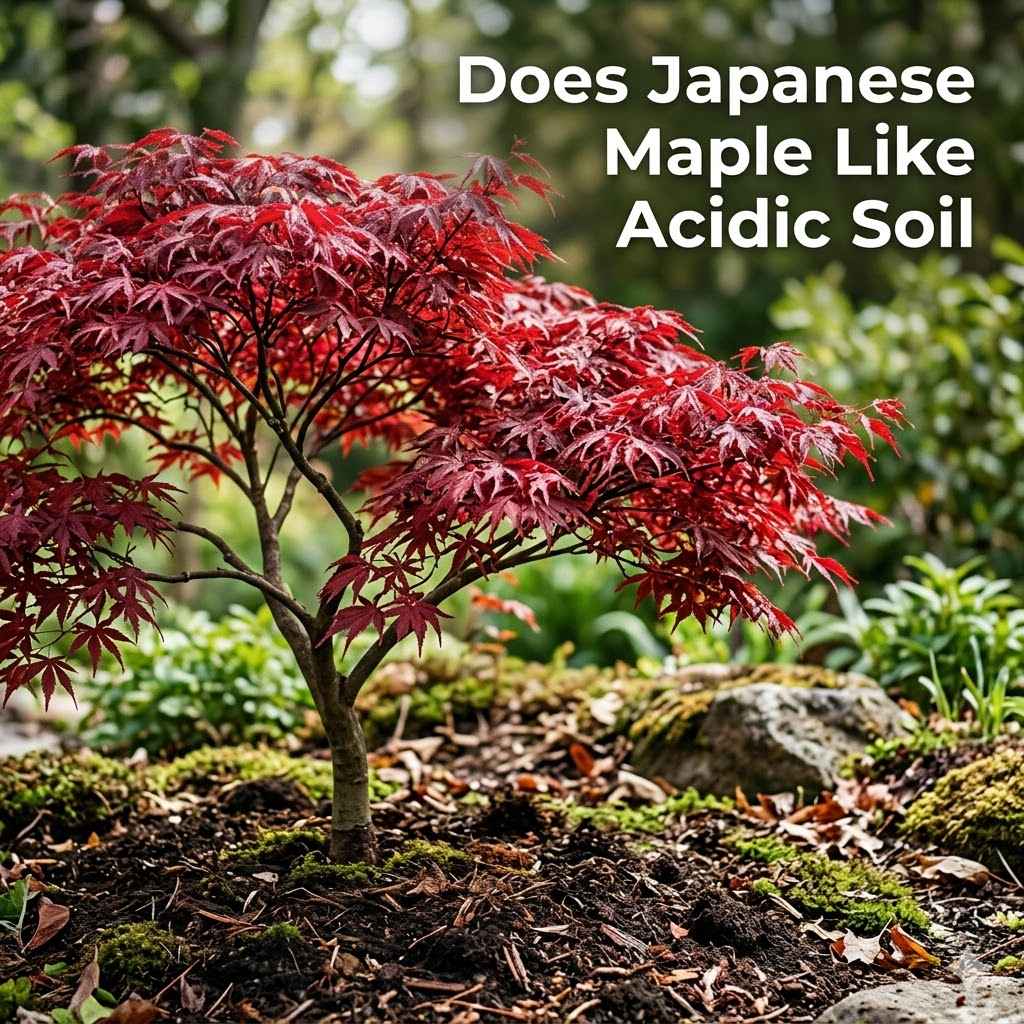
Many plant lovers wonder, Does Japanese Maple Like Acidic Soil? This is a common question, especially for those new to gardening. Some plants thrive in specific soil types, and it can be tricky to figure out what yours needs.
If you’re unsure about your Japanese maple’s soil preference, don’t worry. We’ll break down this topic easily, step by step. Let’s find out what your beautiful Japanese maple truly prefers.
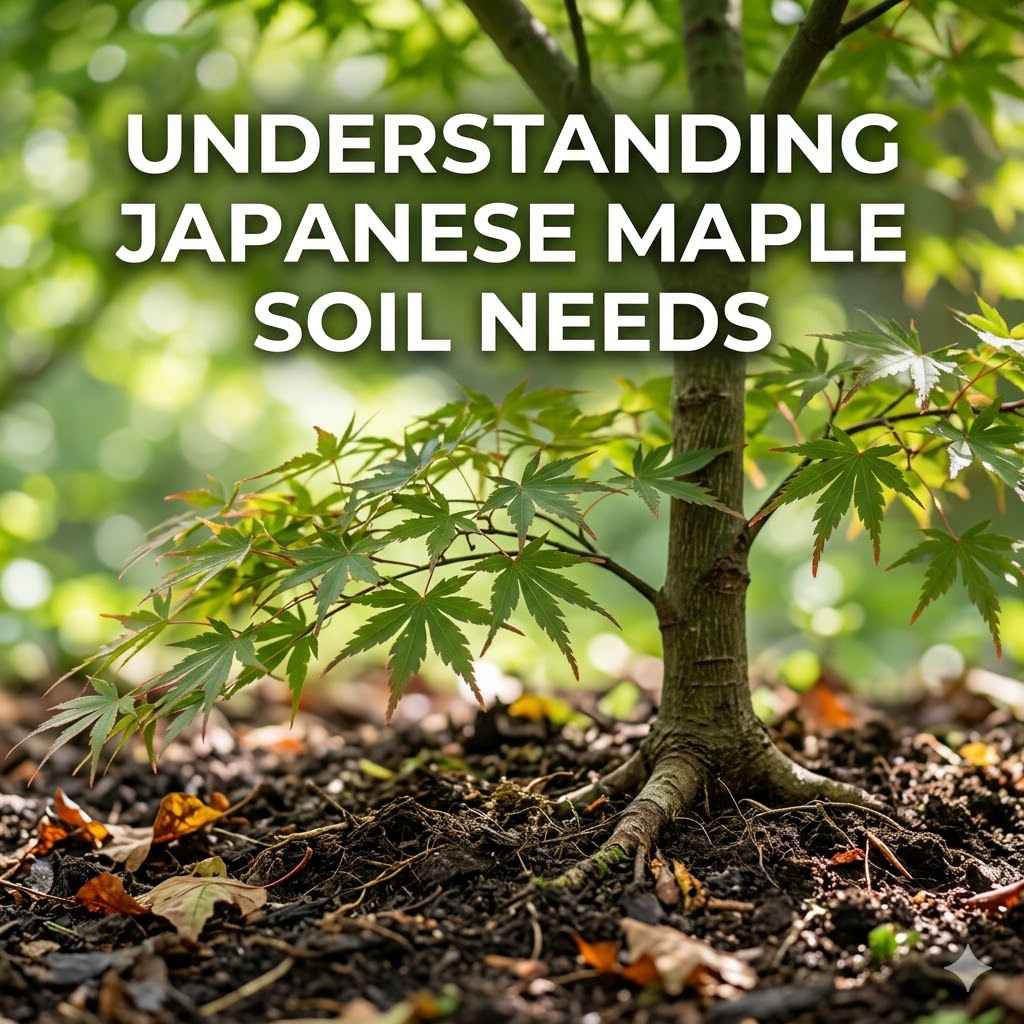
Understanding Japanese Maple Soil Needs
Japanese maples are prized for their delicate beauty and vibrant fall colors. Many gardeners find themselves asking, Does Japanese Maple Like Acidic Soil? The answer is yes, they generally do.
Japanese maples prefer slightly acidic soil, which helps them absorb nutrients better. This preference is a key factor in their overall health and appearance. Understanding this basic need is the first step to growing a thriving Japanese maple.
When soil is too alkaline, Japanese maples can suffer from nutrient deficiencies. This can lead to yellowing leaves and stunted growth. Slightly acidic conditions, typically with a pH between 5.5 and 6.5, create the optimal environment for these trees.
This range allows them to access essential elements like iron and manganese. Without this balance, they simply cannot perform at their best.
Why Soil pH Matters for Japanese Maples
Soil pH is a measure of how acidic or alkaline your soil is. For Japanese maples, this measurement is quite important. Acidic soil helps break down minerals and makes them available for the tree to use.
Alkaline soil, on the other hand, can lock up these vital nutrients. This is why Does Japanese Maple Like Acidic Soil? is such a crucial question for growers.
Think of soil pH like a key fitting into a lock. In acidic soil, the key turns easily, allowing the tree to get what it needs. In alkaline soil, the key is the wrong shape, and the nutrients stay locked away.
This nutrient lockout can lead to several problems for your Japanese maple, affecting its health and beauty.
Here are some signs that your soil pH might not be ideal:
- Yellowing leaves, especially between the veins (chlorosis).
- Slow growth or failure to grow.
- Brittle branches or wilting.
- Reduced vigor and overall poor appearance.
These symptoms often point to the tree struggling to get the nutrients it requires. Correcting the soil pH can make a significant difference in reversing these issues.
Nutrient Availability in Different Soil pH Levels
The availability of essential nutrients for plants changes dramatically with soil pH. For Japanese maples, certain micronutrients become less available as soil pH rises towards alkaline levels. Iron is a prime example.
In acidic soils, iron is readily soluble and can be absorbed by the tree’s roots. However, as the soil becomes more alkaline, iron compounds precipitate and become unavailable.
This lack of available iron is a common cause of chlorosis, where the leaves turn yellow while the veins remain green. Other nutrients like manganese and zinc also show reduced availability in alkaline conditions. Conversely, in very acidic soils, some nutrients can become too soluble and even toxic, though this is less common for Japanese maples.
Here’s a simple look at nutrient availability:
- Acidic Soil (pH < 6.0): Most essential nutrients are available. Some micronutrients can become too available in very acidic conditions.
- Neutral Soil (pH 6.0 – 7.0): A good balance for many plants, but Japanese maples may still benefit from slightly more acidity.
- Alkaline Soil (pH > 7.0): Availability of iron, manganese, and zinc is significantly reduced, leading to deficiency symptoms.
This illustrates why knowing your soil’s pH and how it affects nutrient uptake is fundamental to successful Japanese maple cultivation.
Signs of Nutrient Deficiencies
When Japanese maples are in soil that is not optimally acidic, they can show clear signs of nutrient deficiencies. The most common deficiency observed is iron chlorosis, which makes the leaves look pale and sickly. This happens because the tree cannot absorb enough iron from the soil, even if iron is present.
Other signs include stunted growth, fewer leaves, and a generally weak appearance. The vibrant colors that make Japanese maples so desirable might become dull. Observing your tree closely can help you identify these issues early on.
Catching these problems quickly allows for timely intervention and correction.
Some common symptoms include:
- Yellowing of leaves, especially in younger foliage.
- Veins of the leaves remain green while the rest turns yellow.
- Reduced overall size and density of the canopy.
- Buds failing to open or developing poorly.
These visual cues are your tree’s way of telling you something is not right with its environment. Addressing the soil pH is often the most effective solution.
Testing Your Soil’s pH
To truly answer, Does Japanese Maple Like Acidic Soil?, you need to know your soil’s current pH level. Testing your soil is a straightforward process that gives you valuable information. You can buy simple pH testing kits from garden centers or online.
These kits often use color indicators or digital readouts.
Taking a soil sample is easy. You just need to collect soil from a few different spots in your planting area, usually from a depth of about 4-6 inches. Mix these samples together to get an average reading.
This ensures you have an accurate picture of your garden’s soil.
How to Test Soil pH
Using a home soil testing kit is simple. First, gather your sample as mentioned. Then, follow the instructions on your kit.
Most kits involve mixing a small amount of soil with a special solution or inserting a probe into moist soil.
The kit will then indicate the pH level. This is often by comparing a color to a chart or by displaying a number on a digital screen. Pay attention to the recommended range for Japanese maples, which is generally between 5.5 and 6.5.
Here are the general steps for most kits:
- Collect a soil sample from your Japanese maple’s planting area.
- Remove any debris like leaves or rocks from the sample.
- Follow the specific instructions of your chosen pH testing kit.
- Record the resulting pH number or color.
This test is a critical first step in ensuring your Japanese maple gets the soil conditions it loves.
Interpreting Your Soil Test Results
Once you have your soil test results, it’s time to understand what they mean. If your pH is above 6.5, your soil is likely too alkaline for your Japanese maple. If it’s below 5.5, it’s very acidic, which can also cause problems, though this is less common.
The ideal range is where the tree can access all the nutrients it needs without the soil being too harsh. Knowing these numbers helps you decide if you need to make any adjustments to your soil. This information is key to providing the best possible care.
Here’s a quick guide to interpreting your results:
- pH 5.5 – 6.5: Ideal for Japanese maples. No adjustment needed.
- pH 6.6 – 7.0: Slightly alkaline. Minor adjustments may be beneficial.
- pH above 7.0: Alkaline. Adjustments are recommended for optimal health.
- pH below 5.0: Very acidic. May require adjustments if extreme.
This interpretation helps you make informed decisions about your garden.
Adjusting Soil pH for Japanese Maples
If your soil test shows that your pH is not ideal, you can adjust it. The goal is to make the soil more acidic if it’s too alkaline. This is often done by adding specific organic materials.
Making these changes helps your Japanese maple thrive.
It’s important to make adjustments gradually. Drastic changes can shock the plant and cause more harm than good. Start with small amounts and re-test the soil after a few months to see the effect.
How to Lower Soil pH (Make it More Acidic)
If your soil is too alkaline (pH too high), you’ll need to add acidic materials. The most common and effective way to lower soil pH is by adding elemental sulfur. Sulfur is a natural element that soil microbes convert into sulfuric acid, which gradually lowers the pH.
Another effective method is to incorporate organic matter that is naturally acidic. Peat moss, pine needles, and composted oak leaves are excellent choices. These not only lower pH but also improve soil structure and drainage, which Japanese maples appreciate.
Here are some ways to acidify soil:
- Elemental Sulfur: Apply according to package directions. It takes time to work.
- Peat Moss: Mix into the soil when planting or as a top dressing.
- Pine Needles or Bark: Use as mulch around the base of the tree.
- Composted Oak Leaves: Excellent for improving soil and lowering pH.
Adding these materials can slowly bring your soil into the preferred range for your Japanese maple.
Organic Amendments for Acidifying Soil
Organic amendments are a gardener’s best friend when it comes to pH adjustment. They work naturally and improve the soil’s overall health. For Japanese maples, materials like peat moss are highly effective.
Peat moss has a naturally low pH and helps retain moisture, which is beneficial.
Compost made from acidic materials, such as pine bark or oak leaves, is also excellent. When these materials break down, they release organic acids that help lower the soil pH. They also add valuable nutrients and improve the soil’s texture, making it easier for roots to grow and access water.
Consider using these organic options:
- Composted Pine Bark: Improves aeration and adds acidity.
- Shredded Oak Leaves: Decompose slowly, releasing beneficial acids.
- Coffee Grounds: Used coffee grounds are mildly acidic and can improve soil structure.
- Aged Manure (from herbivores): Some aged manures can be slightly acidic and improve soil.
These amendments offer a gentle yet effective way to create a more favorable environment for your Japanese maple.
How to Raise Soil pH (Make it More Alkaline)
While less common for Japanese maples, some soils can be too acidic. If your pH is below 5.0, you might need to raise it slightly. The most common way to do this is by adding lime.
Agricultural lime, like dolomitic or calcitic lime, is used to increase soil pH.
It’s crucial to add lime gradually. Too much lime can make the soil too alkaline, causing new problems. Always follow the recommended application rates based on your soil test results and the type of lime you are using.
Methods to raise soil pH include:
- Agricultural Lime (Calcitic or Dolomitic): Add according to soil test recommendations.
- Wood Ash: Use sparingly, as it can raise pH quickly and add salts.
- Crushed Oyster Shells: A slow-release source of calcium and alkalinity.
These methods help bring the soil pH into a more balanced range if it has become excessively acidic.
Using Lime Correctly
When using lime to raise soil pH, precision is key. There are two main types: calcitic lime (calcium carbonate) and dolomitic lime (calcium and magnesium carbonate). Dolomitic lime is often preferred if your soil is also low in magnesium.
The amount of lime needed depends on your soil type and the current pH. Sandy soils require less lime than clay soils to achieve the same pH change. It’s best to follow the recommendations from your soil test.
Apply lime evenly over the soil surface and gently incorporate it if possible. It takes time for lime to react with the soil, so re-testing after several months is wise.
Key points for using lime:
- Follow Soil Test Recommendations: This is the most important step.
- Apply Gradually: Avoid adding too much at once.
- Even Distribution: Spread the lime uniformly over the soil.
- Incorporate if Possible: Loosening the topsoil can help it react faster.
- Re-test: Check pH after several months to assess the change.
Proper lime application ensures you create a healthy soil environment without overcorrection.
Best Practices for Japanese Maple Care
Knowing that Does Japanese Maple Like Acidic Soil? is answered with a ‘yes’ is just one part of caring for these beautiful trees. Proper watering, mulching, and choosing the right location also play significant roles. These practices ensure your Japanese maple receives all it needs to flourish.
Good care practices go beyond just soil pH. They create a balanced ecosystem around your tree, promoting strong growth and vibrant foliage year after year. Combining optimal soil conditions with attentive general care will lead to a truly stunning specimen.
Watering Japanese Maples
Japanese maples prefer consistent moisture. They do not like to dry out completely, but they also don’t want to sit in waterlogged soil. This balance is crucial for their health.
Water deeply but infrequently. Allow the top inch or two of soil to dry out before watering again. This encourages roots to grow deeper, making the tree more resilient.
Watering tips:
- Water slowly and thoroughly to ensure the entire root ball is moistened.
- Avoid overhead watering, especially in the hot sun, as it can scorch leaves.
- Water more frequently during dry spells and less often in cool, damp weather.
- Check soil moisture by sticking your finger into the ground near the base of the tree.
Proper watering prevents stress and supports nutrient uptake, even in acidic soil.
Mulching for Soil Health
Mulching is one of the simplest yet most effective ways to support your Japanese maple’s health, especially concerning soil conditions. A layer of organic mulch around the base of the tree helps retain moisture, suppress weeds, and regulate soil temperature.
Mulch also breaks down over time, adding organic matter to the soil. This decomposition process can slightly increase soil acidity, which is beneficial for Japanese maples. Use materials like pine bark, shredded hardwood, or composted leaves for mulching.
Benefits of mulching include:
- Moisture Retention: Reduces the need for frequent watering.
- Temperature Regulation: Protects roots from extreme heat and cold.
- Weed Suppression: Reduces competition for water and nutrients.
- Soil Improvement: Adds organic matter as it decomposes.
- pH Adjustment: Acidic mulches can help maintain desired soil pH.
Keep the mulch a few inches away from the trunk to prevent rot and pest issues.
Choosing the Right Location
The location where you plant your Japanese maple is as important as its soil. These trees generally prefer a spot that offers some protection from harsh elements. Full sun can be too intense for some varieties, leading to scorched leaves.
A location with morning sun and afternoon shade is often ideal. This exposure provides enough light for healthy growth and vibrant color without the risk of damage from the strongest midday sun. Protection from strong winds is also beneficial, as their delicate branches can break easily.
Consider these location factors:
- Sunlight: Morning sun and afternoon shade is best for most varieties.
- Wind Protection: Shield from strong winds to prevent branch damage.
- Drainage: Ensure the soil drains well to prevent root rot.
- Space: Plant where the tree has room to grow to its mature size.
A well-chosen spot sets the stage for a healthy, long-lived Japanese maple.
Common Problems and Solutions
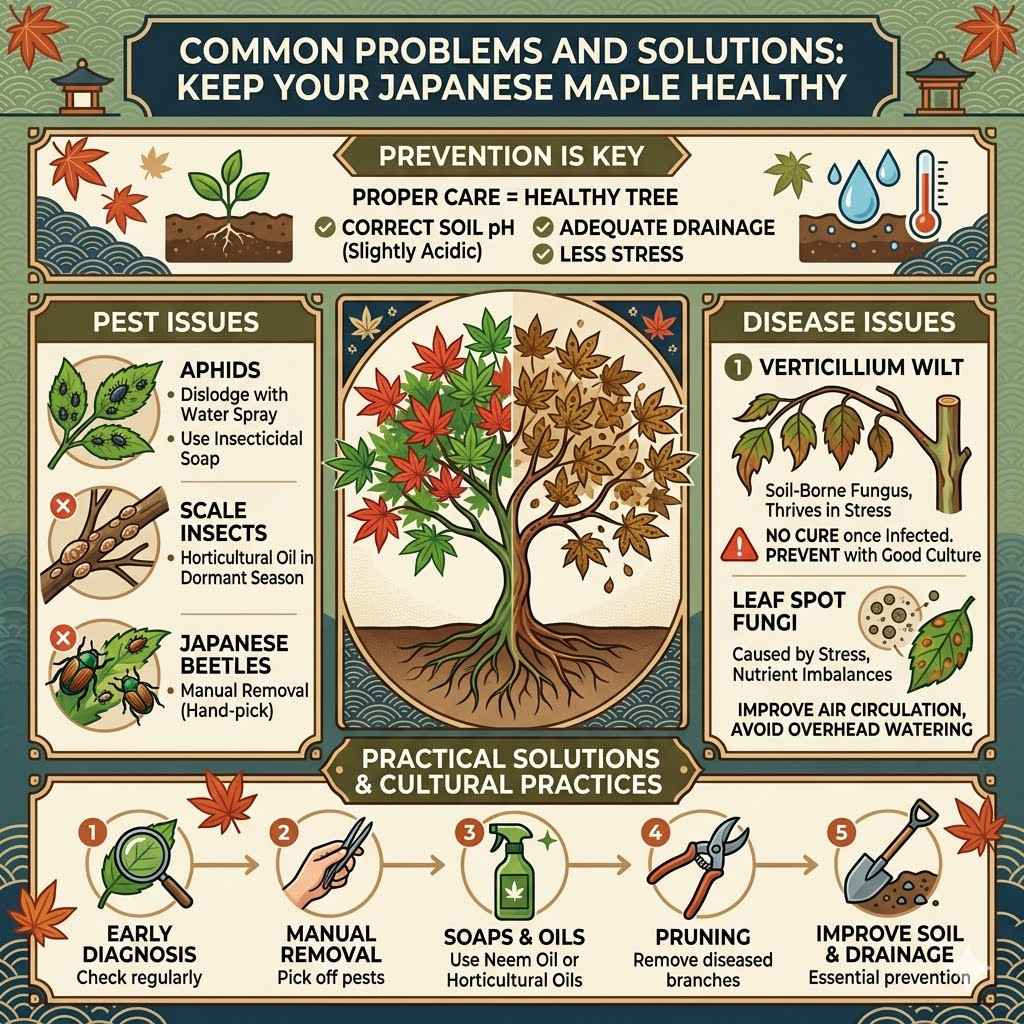
Even with good care, Japanese maples can sometimes face issues. Understanding common problems and their solutions can help you keep your tree healthy and beautiful. Many issues can be traced back to environmental factors or improper care, including soil conditions.
Addressing problems early is key. A quick diagnosis and appropriate action can often save your tree from significant harm. Remember that a healthy tree is less susceptible to pests and diseases.
Pest and Disease Issues
Japanese maples can be affected by a few pests and diseases, though they are generally quite hardy. Aphids, scale insects, and Japanese beetles are among the more common pests. Fungal diseases like verticillium wilt can also be a concern, especially if the tree is stressed.
Stress from improper soil pH, poor drainage, or extreme weather can make the tree more vulnerable. Ensuring the tree is planted in the correct soil conditions and receives adequate care is the best defense. For specific pest or disease problems, identify the issue accurately before applying any treatments.
Common issues and their links to soil:
- Aphids and Scale: Often attracted to stressed trees. Poor soil conditions can cause stress.
- Verticillium Wilt: A soil-borne fungus that thrives in stressed plants. Proper drainage and soil pH are vital.
- Leaf Spot Fungi: Can be exacerbated by poor air circulation and stressed foliage, which can result from nutrient imbalances in the soil.
Maintaining healthy soil conditions is a primary preventative measure.
Solutions for Pest and Disease Problems
For minor pest infestations like aphids, a strong spray of water can often dislodge them. Insecticidal soap or neem oil are also effective and less harmful to beneficial insects. For scale, horticultural oil can be effective when applied at the right time of year.
Verticillium wilt is more serious. There is no cure once a tree is infected. The best approach is prevention through good cultural practices.
If a fungal leaf spot disease is present, ensure good air circulation, avoid overhead watering, and remove affected leaves. Again, a healthy plant in appropriate soil is its own best defense.
Practical solutions include:
- Manual Removal: Pick off larger pests by hand.
- Horticultural Oils or Soaps: Use for soft-bodied insects like aphids and scale.
- Neem Oil: An organic option effective against various pests and some diseases.
- Pruning: Remove diseased or heavily infested branches.
- Improve Drainage: Essential for preventing root rot and verticillium wilt.
Focusing on plant health through proper care reduces the likelihood of significant pest and disease outbreaks.
Frequently Asked Questions
Question: Do Japanese maples need acidic soil to survive
Answer: Japanese maples grow best in slightly acidic soil, typically with a pH between 5.5 and 6.5. While they can survive in neutral soil, they might not thrive as well. Very alkaline soil can cause nutrient deficiencies, affecting their health and appearance.
Question: Can I plant a Japanese maple in clay soil
Answer: Japanese maples prefer well-draining soil. Heavy clay soil can hold too much water, leading to root rot. If you have clay soil, it’s best to amend it with organic matter like compost or peat moss to improve drainage before planting.
Question: How often should I test my soil pH for a Japanese maple
Answer: It’s a good idea to test your soil pH at least once a year, especially after making any adjustments. More frequent testing (every 6 months) can be helpful when you are actively trying to change the pH or after the first year of adjusting it.
Question: What is the best mulch for a Japanese maple
Answer: Organic mulches like pine bark, shredded hardwood, or composted oak leaves are excellent for Japanese maples. These mulches help retain moisture, regulate soil temperature, and can contribute to maintaining a slightly acidic soil pH as they decompose.
Question: My Japanese maple’s leaves are turning yellow. What could be wrong
Answer: Yellowing leaves, especially with green veins, often indicate iron deficiency, which is common in alkaline soil. It could also be due to overwatering or poor drainage. Check your soil pH first and ensure the soil drains well.
Final Thoughts
Japanese maples truly flourish in slightly acidic soil. Understanding and maintaining a pH between 5.5 and 6.5 is key. This simple preference allows your tree to absorb nutrients and display its natural beauty.
Test your soil, make gentle adjustments if needed, and provide good care. You’ll be rewarded with a stunning tree.