Loose Door Hinge Screws: 3 Fixes for Stripped Holes
Loose door hinge screws almost always mean the screw hole in the wood has stripped, and the fastest permanent fix is a #9 x 3-inch screw that bites into the framing behind the jamb. That only works on the jamb side, though. Light wear needs glued toothpicks, and a blown-out hole needs a glued dowel. This guide matches each repair to the damage, with sizes, wait times, and the mistakes that make the hinge loosen again.
Quick Fix: Replace Short Hinge Screws With 3-Inch Screws
Best Long Hinge Screw Pick
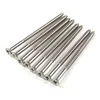 |
Long Wood Screws for Door Hinges, Satin Nickel, #9 x 3 Inch, 24-Pack – $9.99 These are the 3-inch screws this guide uses for the fastest repair: they pass through the jamb and bite into the framing behind it. A 24-pack covers the center screw of a dozen jamb leaves.
|
As an Amazon Associate we earn from qualifying purchases.
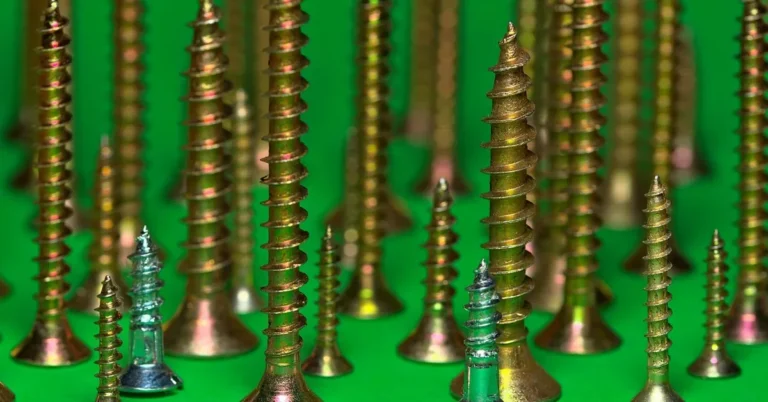
Standard hinge screws are short, often around 3/4 to 1 inch, so on the jamb side they grip only the thin jamb board. A #9 x 3-inch screw passes through the jamb and the shim gap behind it and bites into the wall framing. That is why many carpenters reach for it first when a door sags or rubs, and it works even when the original hole is badly stripped, because the screw is no longer relying on that hole.
- Start with the top hinge. The weight of the door pulls the top hinge away from the jamb, so that is the leaf that loosens first.
- Remove only the center screw from the jamb leaf, so the hinge keeps supporting the door.
- Drill a pilot hole about 1/8 inch wide straight through the old hole, deep enough to reach into the stud. A pilot hole keeps the long screw from splitting the jamb.
- Drive the 3-inch screw by hand until the leaf is snug, then stop. Over-tightening can bow a shimmed jamb or pull it out of square.
- Repeat on the middle and bottom hinges only if they are also loose. Leave the other two holes of each leaf with the original short screws.
Safety and fit warning: use 3-inch screws on the jamb leaf only. A typical interior door is about 1-3/8 inches thick, so a 3-inch screw in the door leaf would push out through the face of the door. If a light switch, outlet, or pipe sits right beside the door frame, check the wall before you drive a long screw, and wear eye protection when drilling.
Diagnose First: Which Part Is Actually Loose?
Open the door halfway, lift the handle edge gently, and watch each hinge. Where the leaf moves against the wood is the repair location. Do not start with glue: the right fix depends on which side is loose and how badly the hole is damaged.
| What you see | Likely cause | Best fix |
|---|---|---|
| Screw turns but still catches a little | Lightly stripped hole | Glued toothpicks, or a 3-inch screw on the jamb leaf |
| Screw spins freely on the jamb leaf | Hole blown out | 3-inch screw into the stud, or a glued dowel |
| Screws loose on the door leaf | Door edge worn out | Glued dowel or toothpicks; never a 3-inch screw |
| Screws tight but the door still sags | Worn hinge knuckle or bent leaf | Replace the hinge |
| Crack in the jamb near the hinge | Split wood | Glue the crack, clamp, then add a 3-inch screw |
Hollow-core doors
Hollow-core interior doors have a solid wood strip along the hinge edge, but it is narrow. If the screw holes have broken out past that strip, glue alone will not hold. In that case use a hinge repair anchor or expansion-style kit made for thin or hollow edges, and never drive a long screw into the door leaf. For more on picking glue for these repairs, see glue for furniture repair by damage type.
Fix 1: Glued Toothpicks for Lightly Stripped Holes
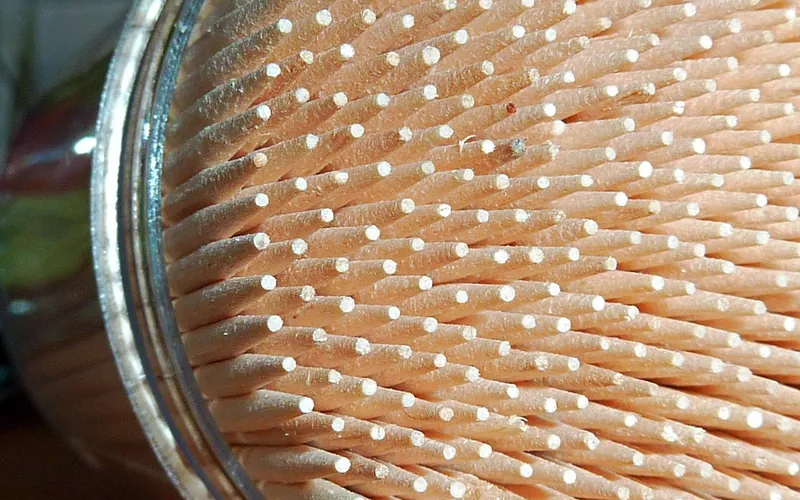
Toothpicks work because they are wood fibers running in the same direction as the screw: the threads cut into fresh wood instead of spinning in a hollow. It is the cheapest repair, costs pennies, and is best for interior doors and cabinet doors. Use yellow wood glue (PVA), not polyurethane glue, which foams and expands in the hole. Our wood glue types and cure times chart explains the difference.
- Back out the loose screws from the hinge leaf. If the door sags, wedge a shim under the latch edge to take the weight off the hinge.
- Dip 4 or 5 wooden toothpicks in yellow wood glue and push them into the stripped hole until it is tightly packed.
- Snap off or cut the toothpicks flush with the wood surface using a sharp utility knife.
- Wait at least one hour, and overnight if you can, before putting any load on the repair.
- Set the hinge leaf in place and drive the original screws with a hand screwdriver until snug, without overtightening.
Do not drive the screw until the glue has had at least an hour. Overnight is better for a hinge that carries a heavy door. If the screw still spins after the repair, the hole was too large for toothpicks: step up to a dowel.
Fix 2: Glued Dowel for Blown-Out Holes
A dowel replaces the missing wood with a solid plug. It is the standard carpentry repair because the plug is large enough to hold a new pilot hole and screw. It takes longer, since the glue needs to cure overnight, but it suits heavy doors and holes too wide for toothpicks.
- Remove the hinge leaf and drill out the stripped hole with a 3/8-inch bit about 1 inch deep. Wrap a piece of tape around the bit as a depth stop and keep the drill square to the jamb.
- Cut a 3/8-inch hardwood dowel about 1 inch long. Birch or oak grips better than soft pine.
- Spread yellow wood glue inside the hole and on the dowel, then tap it in so it sits slightly proud.
- Let the glue cure overnight, then trim the dowel flush with a flush-cut saw or a sharp chisel.
- Hold the hinge in place and mark the screw position with an awl, drill a 1/8-inch pilot hole into the dowel, and drive the original screw by hand.
A wooden golf tee tapped in with glue works as a quick tapered plug for small holes, but a straight dowel is the stronger choice when the hole is large. Never fill the hole with wood putty alone. Putty has no fibers for the thread to cut into, so the screw loosens again within weeks. For related hole-filling methods, see how to plug screw holes in wood.
Why Door Hinge Screws Keep Coming Loose
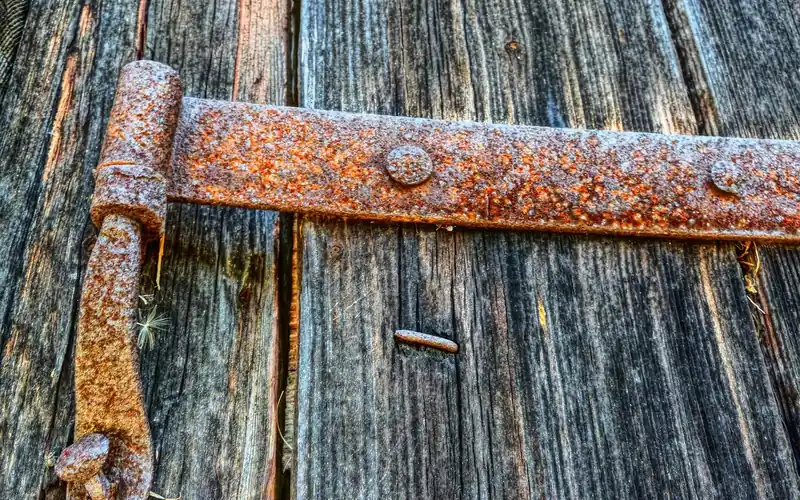
- Short screws: screws that reach only the jamb board are the most common cause, especially in the top hinge.
- Door weight: heavier and taller doors load the top hinge more, which is why they often use three or four hinges.
- Slamming: every slam jolts the screws, and repeated shocks widen the holes.
- Humidity swings: wood swells and shrinks with the seasons, which slowly works screws loose. Our wood care and protection guide covers keeping wood stable.
- Overtightening: driving with a drill at high torque strips holes that were fine.
Which screw goes where
| Hinge leaf | Screw to use | Why |
|---|---|---|
| Jamb leaf, center hole | #9 x 3-inch | Reaches the framing behind the jamb |
| Jamb leaf, other holes | Original short screws | Keeps the jamb from being pulled out of square |
| Door leaf, all holes | Original screws, same size or one step longer | The door edge is only about 1-3/8 inches thick |
If you are choosing screws more generally, our cabinet screws vs wood screws comparison explains thread and head differences. Once the hinges are solid, you can refresh them with how to paint door hinges.
Tools and Materials Checklist
- Hand screwdriver (Phillips for most hinges)
- Wooden toothpicks or a 3/8-inch hardwood dowel
- Yellow wood glue (PVA)
- Drill with a 1/8-inch bit, and a 3/8-inch bit for dowels
- Sharp utility knife or flush-cut saw
- Wood shims to hold the door while you work
- #9 x 3-inch wood screws for the jamb leaf
Frequently Asked Questions
How do you fix loose door hinge screws?
Match the fix to the damage. If the screw still bites a little, pack the hole with glued toothpicks. If it spins freely on the jamb side, replace it with a #9 x 3-inch screw that reaches the framing. If the hole is blown out, glue in a 3/8-inch hardwood dowel, let it cure, and drill a new pilot hole. If the hinge itself is the wrong size, see how to measure hinges before you order a replacement.
Can you fix a stripped door hinge screw hole without removing the door?
Yes. Toothpicks and 3-inch screws can be done with the door hanging, one hinge at a time. For a dowel repair, wedge a shim under the latch edge so the other hinges carry the door while you unscrew one leaf, then repair it before moving on to the next hinge.
What size screw should I use for a door hinge?
Most hinges ship with short screws, often around 3/4 to 1 inch, that only reach the jamb. The usual upgrade for a loose jamb leaf is a #9 x 3-inch wood screw. Keep the original short screws in the door leaf, because the door edge is only about 1-3/8 inches thick on a typical interior door.
Does wood filler fix stripped hinge screw holes?
Not reliably. Filler and wood putty have no long fibers, so they crumble under the pressure of screw threads. Glued toothpicks or a glued dowel give the threads real wood to cut into, which is why those are the standard repairs.
How long does a toothpick and wood glue hinge repair last?
On an interior door it can last for years if the glue cures before you drive the screw and you do not overtighten it. On a heavy or exterior door, use a dowel or a 3-inch screw instead, since toothpicks are a light-duty repair.
Should you drive hinge screws with a drill?
Use a hand screwdriver, or a drill on the lowest clutch setting. A drill at full torque can strip a freshly repaired hole in seconds. Stop as soon as the hinge leaf is snug against the jamb.
Conclusion
Pick the repair by the damage: toothpicks for light wear, a 3-inch screw on the jamb leaf for most sagging doors, and a dowel when the hole is gone. Whatever you choose, let the glue cure and drive the screws by hand. Then check that the door swings freely and the latch lines up. If the jamb itself is cracked or split beyond a single hinge, see how to fix a damaged door frame.
Sponsored / affiliate links. As an Amazon Associate I earn from qualifying purchases. I may earn additional commission from eligible campaigns.