DEWALT DW744 Table Saw: Specs, Reliability and Its Replacement
The DEWALT DW744 is one of the older portable jobsite table saws in DeWalt’s lineup – a 10-inch, 15-amp benchtop saw built around a rolling stand and a rack-and-pinion fence system. It earned a loyal following among contractors and DIY woodworkers years ago, but DeWalt has since discontinued the DW744 and replaced it with newer models. If you already own a DW744, this guide covers its real specs, upkeep, and where to find parts. If you’re shopping today and keep running into “DW744” in search results, we’ll also point you to the current DEWALT saw that actually replaced it.
Quick Answer: Should You Buy a DW744 Table Saw Today?
Short answer: not new, because DeWalt no longer manufactures it. Used DW744 units still show up on the secondhand market, and if you already have one, it remains a capable saw as long as the fence and motor are in good shape. For anyone buying today, DeWalt’s direct successor in the same portable-jobsite-saw category is the DEWALT DWE7491RS, which keeps the rolling stand and rack-and-pinion telescoping fence the DW744 was known for, while adding a wider 32-1/2 inch rip capacity and a folding stand that sets up faster.
Current DW744 Replacement
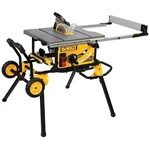 |
DEWALT DWE7491RS 10" Table Saw with Rolling Stand – $599.00 The closest modern equivalent to the DW744, with the same rack-and-pinion fence concept and a rolling stand built in.
|
DW744 Original Specs and Key Features
Before it was discontinued, the DW744 shipped with the following core specs. These numbers matter if you’re troubleshooting a used unit or comparing it against a replacement saw.
- Motor: 15-amp, delivering enough torque for hardwood ripping and repeated crosscuts on a jobsite
- Fence system: Rack-and-pinion telescoping fence rails, which is what made the DW744’s fence adjustments faster and more repeatable than a simple clamp-style fence
- Guarding: Site-Pro Modular Guarding System, allowing tool-free removal of the blade guard and riving knife for dado work or maintenance
- Portability: Built-in rolling stand with folding legs, plus onboard storage for the miter gauge, wrenches, and push stick
- Blade change: Tool-free blade change mechanism, a feature that was still uncommon on benchtop saws when the DW744 launched
Why the DW744 Was Discontinued (and What Replaced It)
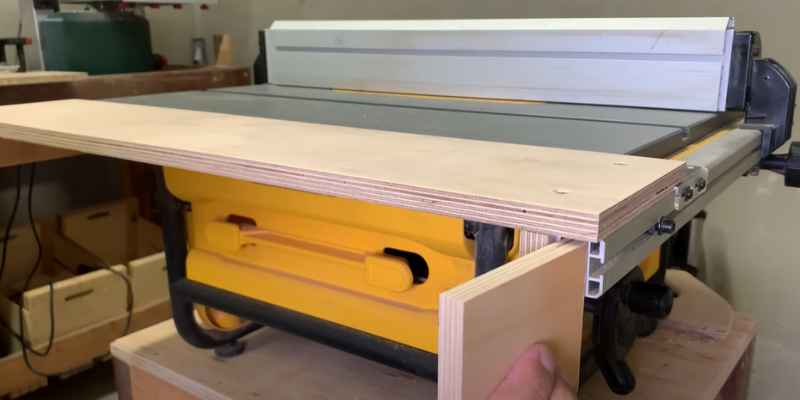
DeWalt periodically retires older jobsite-saw models as it rolls the same core engineering into updated frames. The DW744’s rack-and-pinion fence and rolling-stand concept didn’t disappear, they were carried forward into the newer DWE74xx/DWE7491RS generation, which added a wider table, a beefier folding stand, and in some versions an electric blade brake. In practice, that means a DW744 didn’t get discontinued because the design failed, DeWalt simply moved the same idea into a newer chassis with a larger rip capacity and easier setup. That’s useful context because it means parts and accessories built for the current DWE74xx line are the closest thing to an official upgrade path if your DW744’s fence rails or stand are worn out.
Common Wear Points and Where to Find Parts
Like any brushed-motor table saw that’s been in service for years, a used DW744 is most likely to show wear in a few predictable spots rather than a single dramatic failure:
- Motor brushes: Brushed motors lose power gradually as the carbon brushes wear down; replacement brushes for DeWalt’s 15-amp saw motors are a standard maintenance part, not a sign the saw is dying
- Fence rail play: Rack-and-pinion fences can develop slight side-to-side play after years of use; a rail cleaning and re-lubrication (see the maintenance section below) resolves most of this before you need a replacement part
- Rolling stand hinges and wheels: The folding stand’s pivot points and casters take the most physical abuse from job-to-job transport
- Discontinued OEM parts: Because the DW744 itself is discontinued, DeWalt’s official parts diagrams for it are harder to find than for current models; third-party tool-parts retailers and the DWE7491RS’s parts listings (many components are shared or near-identical) are usually a better source than searching for “DW744” parts directly
DW744 vs. DWE7491RS: What Actually Changed
If you’re deciding whether to keep repairing an old DW744 or replace it outright, here’s how the two compare on the specs that matter most day-to-day:
- Rip capacity: The DWE7491RS extends to 32-1/2 inches, giving more room for full sheet goods than the DW744 offered
- Stand: Both use a rolling stand, but the newer stand folds flatter for transport and storage
- Fence: Both use a rack-and-pinion telescoping design; the newer version has held up well in current reviews for staying square after repeated adjustments
- Dust collection: The DWE7491RS’s dust port is positioned for a more direct hookup to a shop vacuum, which cuts down on the sawdust buildup that made the DW744’s Site-Pro guard occasionally need clearing mid-cut
For a woodworker who already owns a Dw744 Table Saw and is happy with it, none of this is a reason to replace a working saw. But if yours needs a new motor or a new fence and you’re pricing out the repair, it’s worth comparing that cost against a new DWE7491RS before committing.
Blade and Accessory Compatibility
One piece of good news for DW744 owners: the saw uses a standard 10-inch blade with a 5/8-inch arbor, the same size used across nearly every benchtop and jobsite table saw on the market. That means you’re not locked into a proprietary blade, and any quality 24-tooth to 40-tooth combination blade sized for a 10-inch saw will fit. A 24-tooth blade is the better choice for general ripping of dimensional lumber, while a 40-tooth or higher tooth count gives cleaner crosscuts and less tearout on plywood and veneered panels. The miter gauge, push stick, and blade guard assembly that shipped with the DW744 are also standard-fit parts, so a replacement from a generic table-saw-accessory listing will usually work even when a DW744-specific listing doesn’t turn up.
What to Check Before Buying a Used DW744
Since new units are gone, most people encountering the DW744 today are looking at a used listing. A few checks before buying save you from inheriting someone else’s worn-out saw:
- Run the motor under load: A motor that bogs down noticeably when cutting hardwood, rather than just softwood or MDF, usually means the brushes are near the end of their life
- Slide the fence the full length of the rails: It should move smoothly with no binding or side-to-side wobble at either end of travel
- Inspect the table surface for rust pitting: Surface rust can be cleaned and waxed, but deep pitting affects how smoothly stock slides across the table during a cut
- Ask if the original riving knife and blade guard are included: These are the parts most often missing from a used saw, and they’re also the hardest to source separately now that the model is discontinued
- Check the power cord and switch: A cracked cord jacket or a sticky trigger switch is a cheap fix, but factor it into your offer
Maintenance Tips to Extend a DW744’s Life
Cleaning and Lubrication
Clear sawdust from under the table and around the trunnions after every few uses, and put a light coat of dry lubricant (not a heavy oil, which attracts more dust) on the rack-and-pinion fence rails every couple of months. This is the single most effective habit for preventing the fence play described above.
Blade and Riving Knife
Keep the blade sharp and confirm the riving knife is aligned with the blade plane before each session; a misaligned riving knife on the Site-Pro system is the most common cause of kickback complaints on any saw in this class, not just the DW744.
Pre-Use Safety Check
Before switching it on, check that the blade guard and anti-kickback pawls move freely, the power cord isn’t pinched by the folding stand, and the fence is locked square to the miter slot. These take under a minute and catch most of the issues that lead to a bad cut.
Frequently Asked Questions About the DW744 Table Saw
Is the DEWALT DW744 table saw still available new?
No, DeWalt has discontinued the DW744. It’s only available used or secondhand now; DeWalt’s current equivalent in the same rolling-stand jobsite-saw category is the DWE7491RS.
What replaced the DEWALT DW744?
The DWE7491RS is the closest modern replacement, carrying over the rack-and-pinion telescoping fence and rolling stand while adding a wider 32-1/2 inch rip capacity.
Where can I find parts for a DW744?
Official DW744-specific parts diagrams are limited since the model is discontinued. Third-party tool-parts retailers and parts listings for the DWE7491RS/DWE74xx line are the best source, since many internal components are shared across DeWalt’s portable-saw generations.
Is a used DW744 worth buying?
If the motor runs at full power, the fence holds square, and the rolling stand isn’t damaged, a used DW744 can still be a solid jobsite saw. Budget for motor brushes and fence-rail lubrication as normal maintenance rather than treating them as red flags.
Conclusion
The DEWALT DW744 was a well-built portable table saw in its day, and a used one in good condition is still capable of accurate rips and crosscuts. But since DeWalt has discontinued it, anyone buying new should look at the DWE7491RS, which keeps the same rack-and-pinion fence and rolling-stand design while extending the rip capacity. Whether you’re maintaining an old DW744 or shopping for its replacement, the core things to check stay the same: a solid fence, a square blade-to-fence alignment, and a stand that folds and rolls the way it’s supposed to.
Sponsored / affiliate links. As an Amazon Associate I earn from qualifying purchases. I may earn additional commission from eligible campaigns.