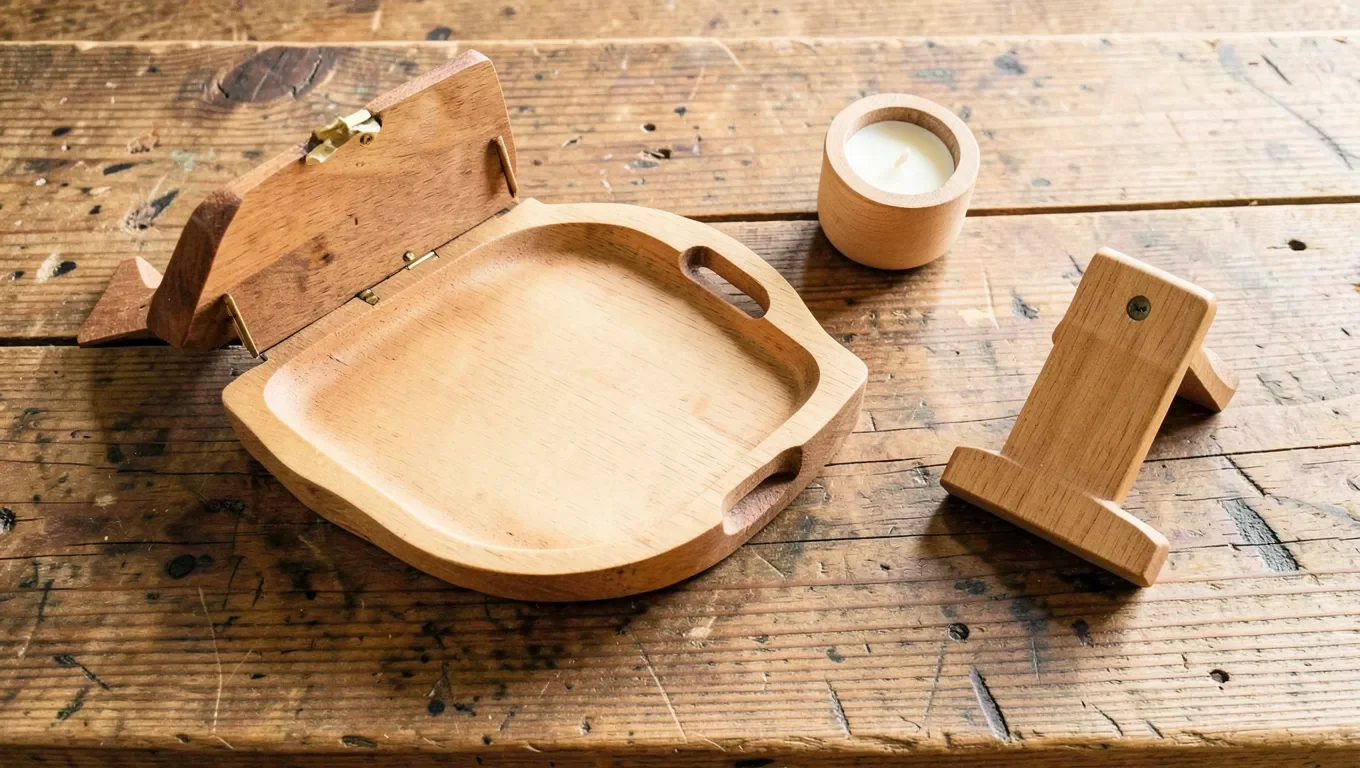
6 Easy Things to Make With Wood for Gifts and Home Decor
If you want easy things to make with wood, the fastest path is a project sized to hand tools you can master in an afternoon — not a garage full of power equipment. The six projects below each use a hand saw or miter box, wood glue, and sandpaper, and every one doubles as a gift or a piece of home decor you would actually display, not just a practice cut you throw away. If you already own a cordless drill and want a bigger, tool-tiered project list to grow into next, see our guide to simple woodworking projects for true beginners — this page focuses specifically on quick, low-cost builds you can finish and give away the same weekend.
Quick Answer
The easiest things to make with wood without power tools are a keepsake box, a serving tray, a phone stand, a tealight holder, a small desk organizer, and a bottle opener. Each uses one or two boards, a hand saw or miter box, wood glue, and sandpaper — total tool cost under $30, and most builds finish in under two hours.
What You Need Before You Start
None of these six projects need a table saw, miter saw, or router. You need a hand saw or a miter box with a back saw for straight and angled cuts, wood glue (Titebond II for anything that might see moisture, Titebond III if it is going outdoors), 120/220/320-grit sandpaper, a couple of spring clamps, and a tape measure. A cordless drill helps for pilot holes but is optional on every project below — small parts this size hold fine on glue alone once you know where glue actually needs help, which is covered in the mistakes section further down.
Best Hand-Tool Starter Kit
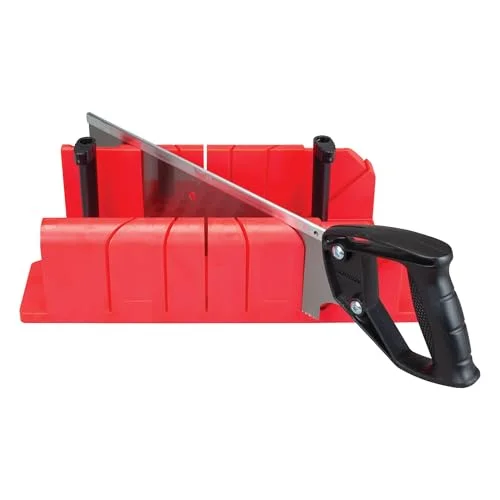 |
CRAFTSMAN 12-Inch Mitre Saw & Clamping Box – $23.99 This is the one tool that makes every project on this page easier: it clamps small boards in place and guides clean 45° and 90° cuts by hand, which is exactly what a jewelry box, tray, or phone stand needs.
|
6 Easy Things to Make With Wood
Each of these uses inexpensive pine, poplar, or a leftover offcut — none of them need furniture-grade hardwood. Cut list sizes are starting points; adjust to whatever scrap you already have on hand.
1. Handmade Jewelry or Keepsake Box
Cut four sides from a 1×4 board (two at 6″, two at 4″), a bottom from 1/4″ plywood, and a lid from the same 1/4″ stock. Glue the four sides into a rectangle around the bottom panel, clamp for 30 minutes, then sand the top edge flat before attaching the lid with two small 1″ x 5/8″ brass hinges. Line the inside with felt if it is going to hold jewelry. This is the project to practice square glue-ups on before you try anything bigger — if the box racks (goes out of square) while clamping, you will feel it in the lid fit immediately, which is useful feedback for every later project.
2. Wooden Serving Tray With Cutout Handles
Glue two or three 1×6 boards edge-to-edge for the base (roughly 12″ x 16″), then glue a 3/4″ strip around the perimeter as a raised edge, mitering the corners with the hand miter box. Drill or jigsaw a 1.5″ oval cutout near each short end for handles, then sand the cutout edges smooth — this is the one step people skip, and it is the difference between a tray that feels finished and one that feels unfinished. Leave a hairline gap between the edge-glued boards; solid wood expands and contracts across the grain with humidity, and a board glued bone-tight edge to edge is what causes cracking six months later.
3. Wooden Phone and Tablet Stand
Two angled pieces and a base groove is all this takes. Cut a base at 5″ x 3″, then cut a 1/4″-wide, 1/2″-deep groove across it with a few passes of a hand saw (or a router if you have one) to hold the device upright. Glue a back support piece at roughly a 15-20° angle using the miter box to get a clean angled cut on the bottom edge so it sits flush against the base. Sand the groove edges so a phone case does not scuff going in and out.
4. Wooden Tealight Candle Holder Trio
Cut three 2″ x 2″ x 2″ cubes from a 2×2 or thick offcut. Drill a 1.5″-wide, 3/4″-deep hole in the top of each with a spade bit (or have a hardware store cut them if you do not own one) to hold a standard tealight. Sand every face through 120, 220, then 320 grit before finishing — end grain on a small cube like this soaks up stain unevenly if you skip the grit progression, which is the most common reason a beginner’s first small project looks blotchy.
5. Wooden Desk Organizer or Pen Holder
Glue together a simple open box from 1/2″ stock, roughly 6″ x 4″ x 3″ tall, then add one or two internal dividers glued in at right angles to create separate compartments for pens, a phone, and loose items. Miter the outer corners at 45° for a cleaner look, or keep them as simple butt joints if you are still building confidence with angled cuts — both hold fine at this scale with a clamped glue joint.
6. Wooden Bottle Opener With Cap Catch
Cut a handle-shaped piece from 3/4″ hardwood offcut (oak or maple hold up best), then attach a metal bottle-opener insert (sold separately at any hardware store, usually under $3) with two small screws. For the cap catch, glue a shallow box underneath sized to hold a magnet, so caps stick instead of falling on the floor. This is the fastest build on the list and the one that gets given away the most — keep a few blanks cut ahead of time for last-minute gifts.
How to Finish a Small Wood Project So It Looks Store-Bought
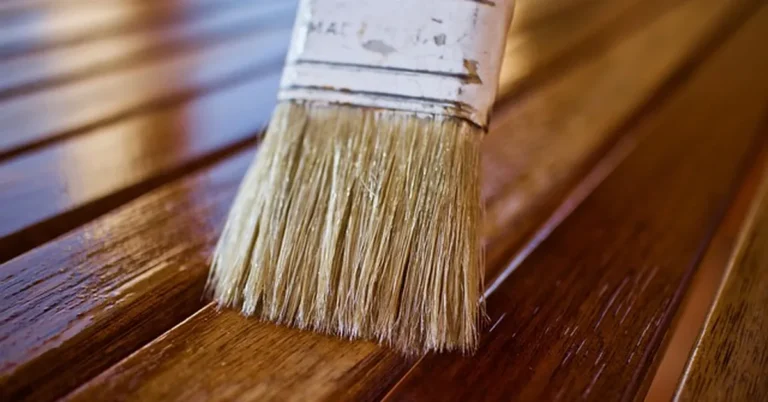
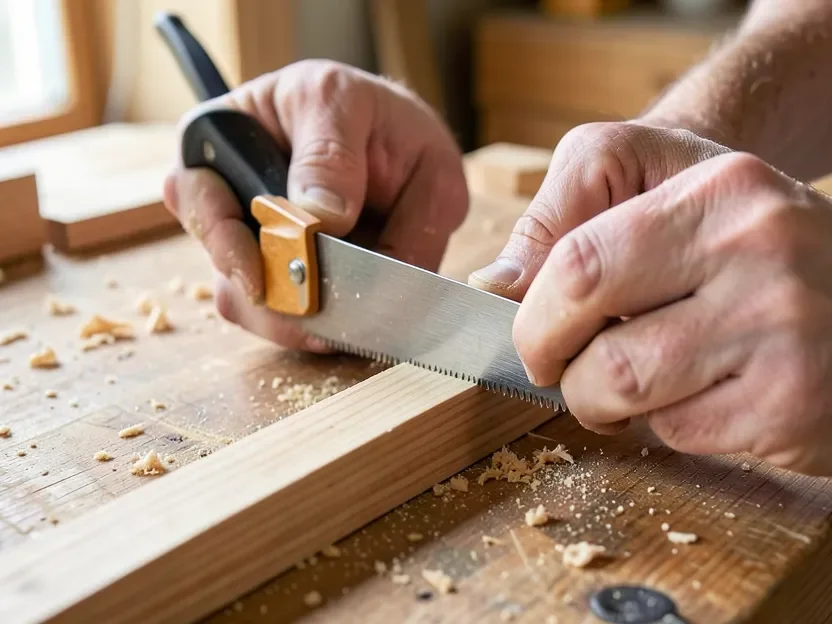
Sand through three grits in order — 120 to knock down mill marks and glue squeeze-out, 220 to smooth the surface, 320 for anything that will be handled often, like a phone stand or bottle opener. Wipe the surface with a barely damp cloth between the 220 and 320 passes to raise the grain, then knock it back down; skipping this step is why a finished piece can feel fuzzy again a week after you sanded it smooth. For finish, a wipe-on polyurethane or Danish oil applied in two thin coats, sanded lightly with 320 grit between coats, gives a durable low-effort result. Avoid spray lacquer for a first project — it dries fast enough that drips and uneven coverage are hard to fix once you notice them.
Mistakes That Make a Beginner Wood Project Look Amateur
A few specific habits separate a project that looks handmade-on-purpose from one that just looks unfinished:
- Gluing end grain and expecting it to hold like face grain. End-grain-to-face-grain glue joints (like a box lid meeting a side wall) are genuinely weaker than long-grain joints. Reinforce them with a small dowel, brad nail, or hinge rather than relying on glue alone — this is different from what most quick-start guides mention.
- Skipping a test cut. Before cutting your final pieces in the miter box, make one scrap cut at the same angle and check it against a square. A miter box that has shifted even 1-2° out of true will throw off every joint in a project this small.
- Gluing boards edge-to-edge with zero expansion allowance. Solid wood moves across the grain with seasonal humidity changes. A tray or panel glued perfectly tight in a dry winter shop can develop a crack by summer if there is nowhere for that movement to go.
- Applying finish over sanding dust instead of wiping it off. A tack cloth or a vacuum-and-damp-cloth pass before finish coats prevents the gritty, cloudy look that shows up under wipe-on poly otherwise.
Frequently Asked Questions
What is the easiest thing to make with wood for a beginner?
A small glued box, like the jewelry box above, is the easiest true first project — it only requires straight cuts, a square glue-up, and one pair of small hinges, with no angled joinery required if you keep the lid flat.
Do I need power tools to make wood crafts?
No. A hand saw or hand miter box, wood glue, clamps, and sandpaper are enough to build every project on this page. A cordless drill speeds up pilot holes but is not required for any of them.
What wood is best for small gift projects?
Pine and poplar are the easiest and cheapest to cut and sand for a first project. For anything handled often, like a bottle opener or phone stand, a hardwood offcut such as oak or maple holds up better to daily use.
How long does a small wood project like a jewelry box take?
Cutting and gluing typically takes 45-90 minutes, plus clamp time. Add another 30-45 minutes for sanding and two coats of finish with dry time between coats, so plan on a single afternoon start to finish.
What is the best glue for small wood projects?
Titebond II is the standard choice for indoor gift projects and has enough moisture resistance for a tray or box that gets occasional wiping down. For anything going outdoors, use Titebond III or a similar waterproof wood glue. See our wood glue buying guide for a full comparison.
Conclusion
None of these six projects need a workshop full of power tools — a hand saw or miter box, glue, clamps, and sandpaper will get you through all of them in a weekend, and each one makes a gift someone will actually keep. Once you are comfortable with square glue-ups and clean angled cuts, our guide to simple woodworking projects for true beginners has a tool-tiered list to build on, including projects that bring a cordless drill or miter saw into the mix. For angled cuts specifically, see our guide on how to cut a 45-degree angle with a hand saw.
Sponsored / affiliate links. As an Amazon Associate I earn from qualifying purchases. I may earn additional commission from eligible campaigns.