Brushless Vs Brushed Circular Saw: Which One Should You Get?
Brushless circular saws use electronic commutation instead of carbon brushes — Milwaukee’s spec data shows about 40% more power — but cost $40 to $90 more than brushed models. Skip that premium on an occasional-use saw and you’ll rarely notice it; skip it on a daily jobsite saw and worn brushes mean downtime and $15-30 in parts every 50-100 hours. This guide compares real RPM, weight, and price specs, and covers when a brushed saw is still the smarter buy.
Brushless vs Brushed Circular Saw: RPM, Weight & Price Compared
Best Brushless Circular Saw Pick
DEWALT 20V MAX XR Brushless 7-1/4″ Circular Saw (DCS590B) – $184.50
Same 7-1/4″ blade size as the Milwaukee pair compared above, with a brushless motor built for the daily/pro use case this guide recommends it for.
- Best for: daily use, dense lumber, LVL headers
- Why we picked it: same-brand brushless upgrade path from DeWalt’s own brushed sidewinder line, so batteries carry over
- Main drawback: costs roughly $55 more than the brushed DCS391B below
Compare more brushless and brushed circular saw options
 Best Brushed Pick DEWALT 20V MAX Brushed 6-1/2″ Saw (DCS391B) – $129.00
|
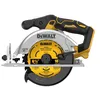 Best Compact Brushless DEWALT 20V MAX Brushless 6-1/2″ Saw (DCS565B) – $119.00
|
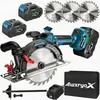 Budget Brushless Pick AwxryoX 6-1/2″ Brushless Cordless Saw – $119.99
|
As an Amazon Associate we earn from qualifying purchases.
The clearest way to see the real difference is a spec sheet from one manufacturer that sells both motor types in the same saw platform. Milwaukee’s M18 7-1/4″ line works well for this because the battery, body, and blade size stay the same — only the motor changes.
| Spec | Brushed (M18 2630-20) | Brushless (M18 2631-20) | Best For |
|---|---|---|---|
| No-load speed | 3,500 RPM | 5,000 RPM | Brushless — dense hardwood, LVL headers |
| Bare-tool weight | 8.5 lbs | 9.0 lbs | Brushed — overhead or repetitive cuts |
| Manufacturer power/runtime claim | Baseline | Up to 40% more power, 30% more runtime | Brushless — daily or pro use |
| Typical street price (bare tool) | ~$80–110 | ~$130–200 | Brushed — tight budget |
| Warranty | 5-year limited | 5-year limited | Tie |
Those numbers come straight from Milwaukee’s own product pages for the 2630-20 (brushed) and 2631-20 (brushless) — not marketing copy from a third party. If you’re still deciding on blade size or corded vs. cordless before motor type, our full circular saw buying guide covers that separately.
How Much More Does a Brushless Circular Saw Actually Cost?
Across bare-tool cordless circular saws, brushless models typically run $40 to $90 more than a comparable brushed saw from the same brand and blade size — not a flat markup, but a gap that narrows on budget saws and widens on pro-tier saws. That premium isn’t pure profit margin: brushless motors use more expensive electronic controllers and position sensors in place of a simple mechanical brush assembly.
Where the math flips is over the tool’s lifetime. If you’re using a corded or battery-powered saw daily on jobsites, worn carbon brushes are a real recurring cost.
📊 Replacement carbon brush sets typically cost $15–30 per pair and need swapping roughly every 50–100 hours of motor run time — a cost and downtime a brushless motor’s sealed electronic design avoids entirely.
What Is the Real Difference Between a Brushed and Brushless Motor?
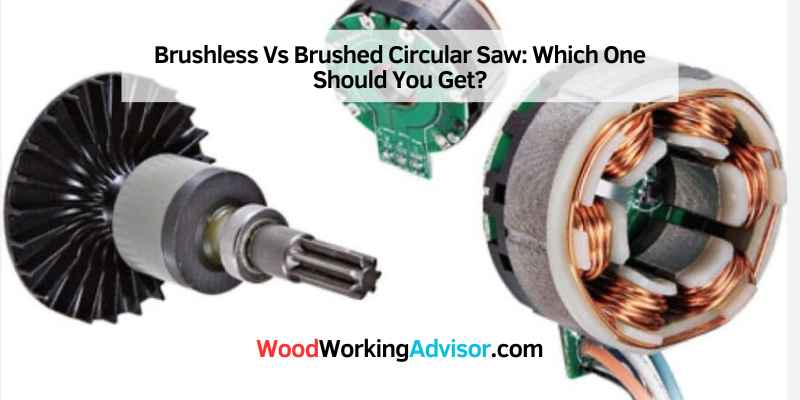
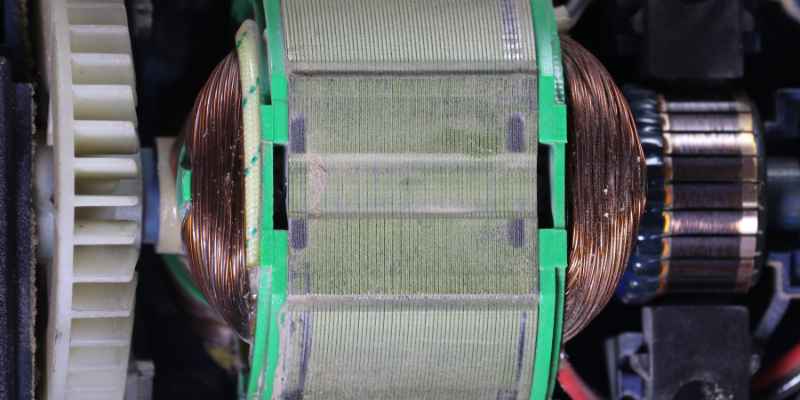
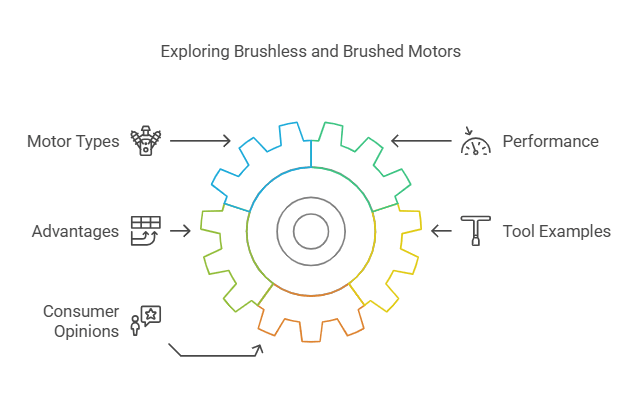
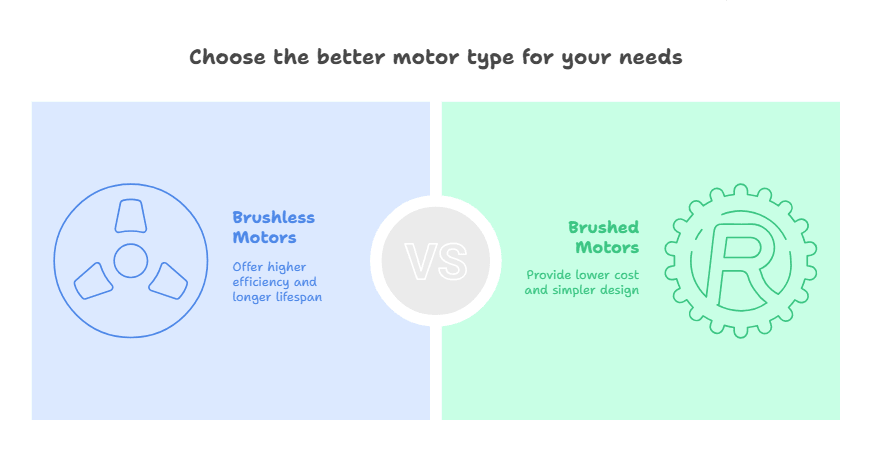
A brushed motor is an electric motor that uses spring-loaded carbon brushes making physical contact with a spinning commutator to deliver current to the windings. The friction from that contact is what generates heat and wears the brushes down over time. It’s the older, simpler, and cheaper design — and it’s still perfectly capable for occasional use.
A brushless motor is an electric motor that replaces the physical brush contact with an electronic controller and position sensors, switching current through the windings without anything touching a spinning part. Because nothing wears down from friction, brushless motors run cooler, tolerate dust better, and last longer under heavy use — which is why brushless DC motor design has become standard on pro-grade cordless tools.
“I’ve run both types on framing crews. A brushed sidewinder is fine if it sits in the truck most of the week — but on a saw that’s cutting all day, every day, I’ve had the brushes wear down and start arcing inside of two years. The brushless saws in the same shop have outlasted them without ever being opened up.”
Common Questions About Brushless vs Brushed Circular Saws
Does a Brushless Circular Saw Last Longer Than a Brushed One?
Yes, in most real-world use. Brushless motors have no brushes to wear out and run cooler, so the motor itself typically outlasts a brushed motor under the same workload. The tradeoff is that when a brushless motor’s internal electronics do fail, repair usually means replacing the whole motor module rather than a $15–30 pair of brushes.
Is a Brushed Circular Saw Still Worth Buying?
Yes, for occasional or budget use. If the saw is coming out a few times a month for straightforward cuts, a brushed model like the DCS391B saves $40–90 upfront and will likely never see enough hours to wear its brushes out. Save the brushless upgrade for a saw that runs daily.
Is Brushless Worth the Extra Money?
It depends on use frequency, not preference. For daily or professional use, yes — Milwaukee’s own data shows up to 40% more power and 30% more runtime per charge, which pays back the $40–90 premium in avoided brush replacements and less downtime. For a saw used a handful of times a year, the premium mostly buys peace of mind rather than a cost saving.
How Often Do Circular Saw Brushes Need Replacing?
Most manufacturers rate carbon brushes for roughly 50–100 hours of motor run time before they need replacing, though heavy dust exposure or bevel-cutting friction can shorten that. Replacement brush sets typically run $15–30, versus $0 in brush costs over the life of a brushless motor.
Which Blade Size Should You Pair With a Brushless Motor?
Motor type and blade size are independent choices — both 6-1/2″ and 7-1/4″ saws are available in brushless versions. If you haven’t settled on blade size yet, see our 6-1/2″ vs 7-1/4″ circular saw comparison and pick blade size first, then decide on motor type using the cost breakdown above.
Common Mistakes When Choosing Between Brushless and Brushed
- Buying brushless for a saw that rarely leaves the garage. The premium only pays for itself under real runtime; an occasional-use saw won’t rack up the hours where brushless saves money.
- Assuming a bigger blade always means more power. A brushed 7-1/4″ saw is not automatically stronger than a brushless 6-1/2″ saw — motor type affects power output more than blade diameter does. See our circular saw blade type guide for how blade choice affects cut quality separately from motor type.
- Ignoring battery platform compatibility. If you already own batteries in one brand’s ecosystem, a bare-tool brushless upgrade in that same platform (like the Milwaukee or DeWalt pairs above) is almost always cheaper than switching brands.
- Skipping the same-brand comparison. Comparing a brushed saw from one brand against a brushless saw from another mixes variables — battery platform, build quality, and price tier all change at once. Compare within one brand’s lineup, like the Milwaukee and DeWalt pairs used above, for a cleaner read on what the motor swap alone actually buys. If you’re choosing between DeWalt battery platforms specifically, our DeWalt XR vs FlexVolt circular saw comparison covers that separately from motor type.
Conclusion
If you’re in the market for a new circular saw, the motor decision comes down to how often it’ll actually run. Brushless saws cost $40–90 more but deliver more power, longer runtime, and zero brush-replacement cost over the tool’s life — worth it for daily or professional use. Brushed saws remain a genuinely good option for occasional, budget-conscious use where those extra hours never accumulate. Match the saw to your actual usage, not just the spec sheet, and either motor type will serve you well.
Sponsored / affiliate links. As an Amazon Associate I earn from qualifying purchases. I may earn additional commission from eligible campaigns.