Figured Ash Lumber: Grain Patterns and Value
Figured ash lumber is ash wood with irregular grain patterns – curly, wavy, or blistered figure – that shows up in a small percentage of trees and is prized for furniture, cabinetry, and instrument work. It’s also getting harder to find: the emerald ash borer has killed hundreds of millions of ash trees across North America since it was first detected in 2002, and figured material specifically (already a minority of any given ash harvest) is shrinking as a share of what mills can offer.
What Makes Ash “Figured”
Best Filler for Ash’s Open Grain
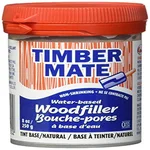 |
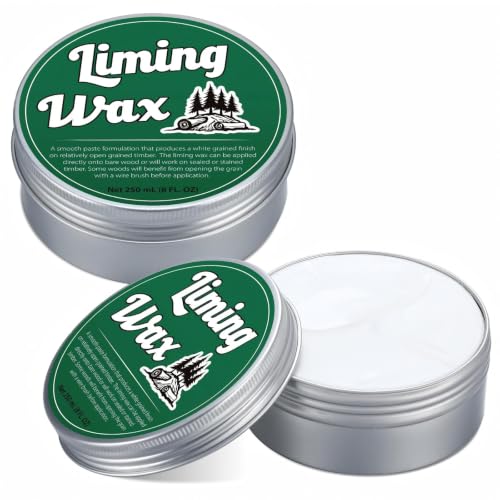
Timbermate Wood Filler, Natural, 8oz – $20.49 Ash’s coarse, open grain telegraphs through a finish unless it’s filled first – this water-based filler sands and stains without the fumes of a solvent-based option.
|
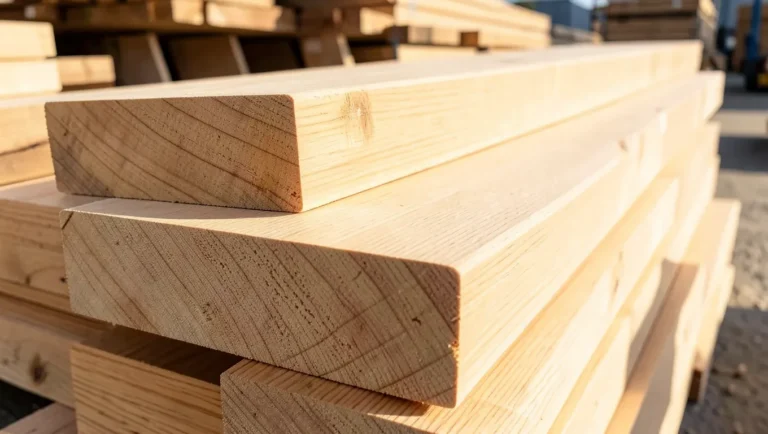
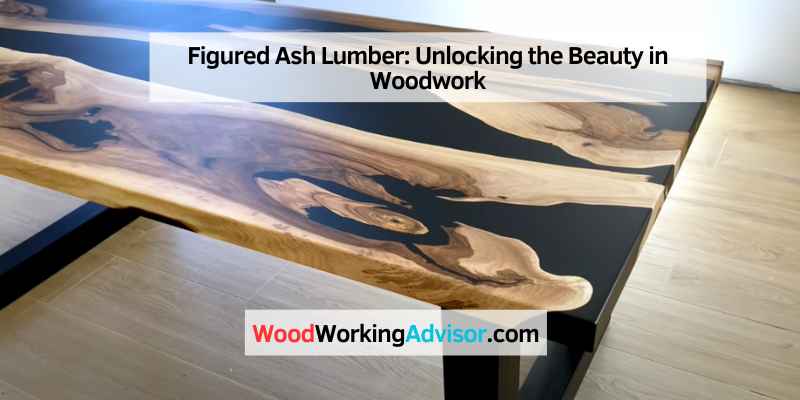
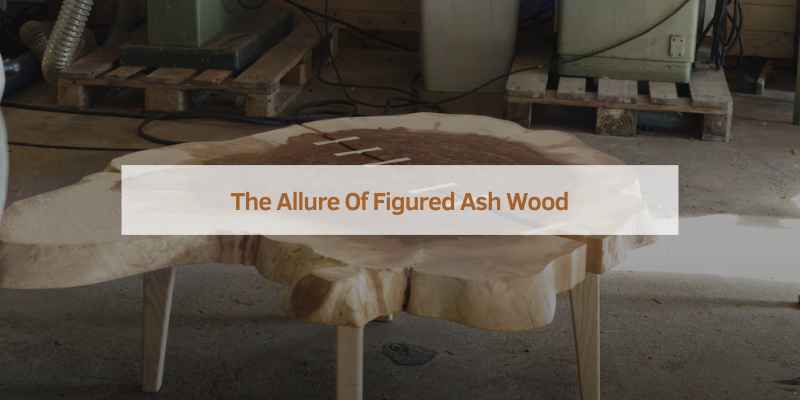
Regular ash has a straight, fairly uniform grain. “Figure” refers to a distortion in how the wood fibers grew – curly figure looks like a rippling shimmer that shifts as light hits it from different angles, while blistered or quilted figure produces a rounded, almost 3D bubble effect across the surface. This isn’t a separate species; it’s a growth anomaly that shows up unpredictably in individual trees, which is exactly why figured boards command a premium over plain-sawn ash – a mill can’t tell which logs will yield figure until the log is opened up.
The Emerald Ash Borer Problem
Any conversation about sourcing ash lumber today has to account for the emerald ash borer (EAB), an invasive beetle first found in Michigan in 2002 that has since spread across most of the eastern and midwestern U.S. and into Canada, killing an estimated hundreds of millions of ash trees. Because EAB kills trees relatively quickly once infested, a lot of ash entering the lumber supply now is “urban salvage” – trees taken down because they were dying or already dead – rather than material harvested on a normal forestry rotation. That’s not automatically a problem (salvaged ash is still good lumber if it was milled and dried promptly, before rot or insect galleries set in), but it does mean asking a supplier how and when the log was harvested is a more relevant question for ash than it is for most other domestic hardwoods right now.
Working Characteristics
White ash runs around 1,320 lbf on the Janka hardness scale – comparable to red oak, harder than walnut, softer than hard maple – which makes it durable enough for flooring and tool handles while still being workable with hand tools. Its grain is porous and open (a ring-porous hardwood, similar in structure to oak), which is why a filler is usually recommended before a film finish if you want a perfectly smooth, glass-like surface; skip it and the open pores will show as tiny pits under a glossy topcoat. Ash also has good steam-bending properties, which is part of why it’s historically been used for tool handles, baseball bats, and bent-wood furniture parts – it flexes without snapping in a way that a lot of harder, more brittle woods can’t match.
Cutting and Finishing Figured Ash
Figured grain is more prone to tear-out than straight-grained wood because the fibers run in inconsistent directions, so a sharp blade and a lighter feed rate matter more here than on plain ash. A fine-toothed blade reduces chipping on cross-cuts, and hand-planing figured stock often works better against the general grain direction in short, testing passes rather than committing to one direction across the whole board – figure can reverse direction within inches. For finishing, start with a coarser grit to knock down mill marks, then move up through progressively finer grits before filling the grain; a wood conditioner applied before staining helps even out ash’s natural color variation between the pale sapwood and light-to-medium brown heartwood, since figured boards often show both in the same piece.
Where Figured Ash Gets Used
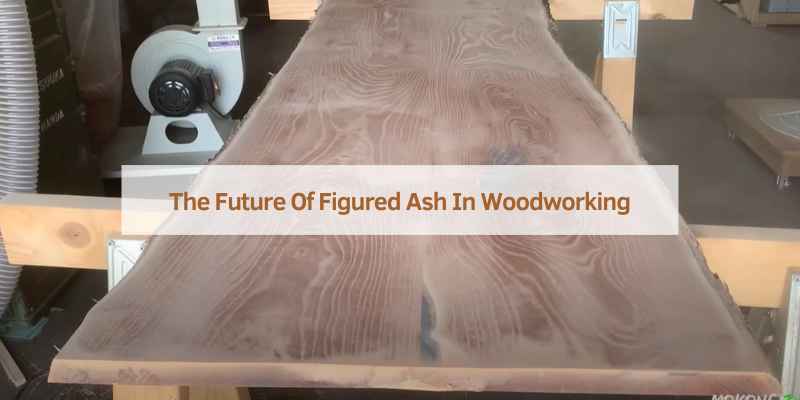
Beyond furniture and cabinetry, figured ash shows up in flooring, decorative wall panels, and increasingly in live-edge and single-slab furniture, where the figure itself is the design feature rather than something hidden under paint. It’s a longtime choice for guitar and drum bodies too, since ash’s combination of hardness and resonance produces a bright, articulate tone that luthiers specifically seek out.
Care and Maintenance
Keep finished ash pieces out of direct sunlight where practical – UV exposure fades and yellows most wood finishes over time, and figured grain’s contrast is part of what you lose first. Dust with a soft dry cloth rather than letting grit sit and scratch the finish, wipe spills promptly, and avoid placing hot items directly on the surface. A wood polish or wax reapplied every few months maintains the finish’s protective layer; how often depends more on how much handling and sun exposure the piece gets than on a fixed schedule.
Frequently Asked Questions
What is figured ash lumber?
Ash lumber with an irregular grain pattern – curly, wavy, or blistered figure – caused by a growth anomaly rather than a different species. It’s prized in fine furniture, cabinetry, and musical instruments for its distinctive appearance.
Why is figured ash more expensive than regular ash?
Figure shows up unpredictably in a minority of trees and can’t be identified until a log is opened up, so mills can’t intentionally grow or select for it. That scarcity, combined with the emerald ash borer reducing overall ash supply, keeps figured material priced well above plain-sawn ash.
How is figured ash lumber used?
Most commonly in high-end furniture, cabinetry, flooring, and musical instrument bodies, where the figure itself is displayed as a design feature rather than covered up.
Is figured ash lumber durable?
Yes – white ash tests at roughly 1,320 lbf on the Janka hardness scale, comparable to red oak, and its open but strong grain structure has made it a traditional choice for tool handles and bent-wood parts that need to flex without breaking.
Bottom Line
Figured ash earns its premium honestly – real durability, genuine scarcity, and a grain pattern no two boards share exactly. Just budget for a grain filler in your finishing process, and ask your supplier about harvest timing given how much of the current ash supply is emerald-ash-borer salvage.
Sponsored / affiliate links. As an Amazon Associate I earn from qualifying purchases. I may earn additional commission from eligible campaigns.