Cabinet Saw vs. Contractor Saw: Motor, Weight & Price Compared
A cabinet saw runs a 3-5 HP motor in a 300-plus lb enclosed base built for stationary, heavy-duty cuts — a contractor saw uses a lighter 1.5-1.75 HP motor on an open, wheeled stand, unless you’re feeding a production shop daily. Buy the wrong one and you either pay for cabinet-saw weight you’ll never move, or fight contractor-saw vibration in thick hardwood. This guide compares motor power, portability, dust collection, and SawStop’s own version of each.
Quick Answer
Pick a cabinet saw for stationary, heavy-duty shop work: a 3-5 HP motor in a 300-plus lb cast-iron base that needs a 220V circuit. Pick a contractor saw to spend less and move the saw occasionally: 1.5-1.75 HP on standard 110V power, 200-350 lbs, wheeled but not truck-portable daily.
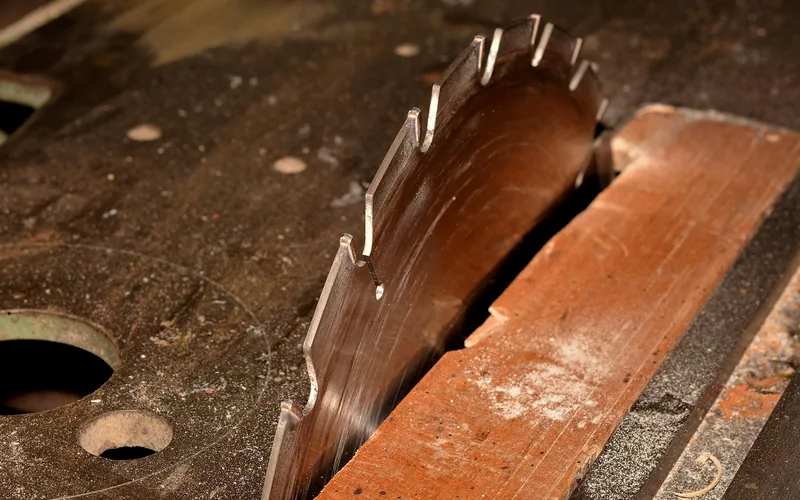
Table Saw Comparison – Contractor Saw vs. Cabinet Saw
Best SawStop Table Saw Pick
SawStop 10-Inch Contractor Saw, 1.75 HP, 52-Inch T-Glide Fence (CNS175-TGP252)
SawStop’s flesh-detecting blade brake on a 1.75 HP contractor-class saw — cabinet-saw safety without the 220V circuit.
- Best for: home shops that want SawStop’s safety system without a 220V hookup
- Why we picked it: same blade-stop tech as the cabinet model, at contractor-saw weight and price
- Main drawback: 1.75 HP will bog down in very thick or dense hardwood
Compare more table saw options
 Option 1 — Cabinet Saw SawStop Professional Cabinet Saw, 3 HP, 36-Inch T-Glide Fence
|
 Option 2 — Hybrid Powermatic PM1000 10-Inch Table Saw, 52-Inch Rip, 1-3/4 HP
|
 Option 3 — Budget JET ProShop II 10-Inch Table Saw, 52-Inch Rip, 1-3/4 HP
|
As an Amazon Associate we earn from qualifying purchases.
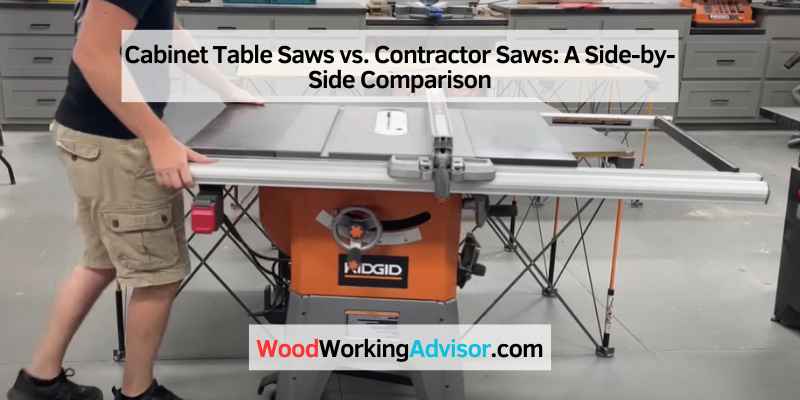
The real difference between these two saws starts underneath the table. On a cabinet saw, the trunnion — the part that holds the arbor and lets you tilt the blade — bolts directly to the enclosed cabinet base. On a contractor saw, the trunnion hangs from the tabletop itself, with the motor bolted to the trunnion and hanging out the back. That single design choice is why cabinet saws feel more solid on thick hardwood: the cabinet, not the table, carries the vibration.
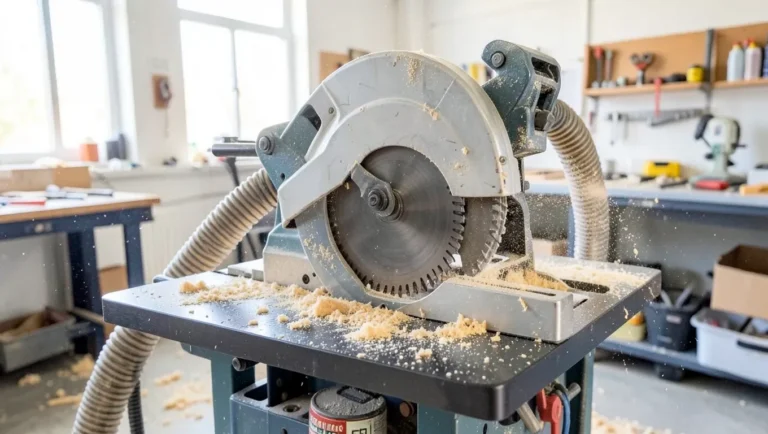
The enclosed cabinet base also traps sawdust instead of letting it fall onto the floor or your shop’s dust collector hose, which is one reason cabinet saws stay cleaner and their table top stays rust-free longer with less maintenance. A contractor saw’s open base collects less dust automatically, so you’ll be sweeping or vacuuming under it more often.
| Spec | Cabinet Saw | Contractor Saw |
|---|---|---|
| Motor | 3-5 HP, 220-240V circuit | 1.5-1.75 HP, standard 110-120V outlet |
| Typical weight | 300-600+ lbs | 200-350 lbs |
| Base design | Fully enclosed cast-iron cabinet | Open stand, usually on wheels |
| Portability | Stationary once installed | Semi-portable – movable, not daily-haul |
| Best for | Production shops, thick hardwood | Home shops, occasional moves, tighter budgets |
📊 Cabinet saws need a dedicated 220-240V circuit for their 3-5 HP motors, while most contractor saws run on the same 110-120V/15-amp outlet as a household shop vacuum. — Source: Rockler, Contractor vs. Cabinet Table Saw
SawStop Cabinet Saw vs. SawStop Contractor Saw
SawStop builds both a contractor-class saw and a full cabinet saw, and both share the same patented safety system: a fast-closing brake stops the spinning blade within 5 milliseconds of contact with skin and drops it below the table, turning what would be a serious injury into a minor nick. That safety system is identical across the lineup — the real decision is which saw body it’s bolted to.
The SawStop Contractor Saw runs a 1.75 HP motor on a 110V circuit, weighs in at the lighter end of the contractor-saw range, and ships with a cast-iron table and a 7-year warranty — a solid pick for a home woodworking shop that still wants cabinet-saw-grade safety. The SawStop Professional Cabinet Saw steps up to a 3 HP motor on a 220V circuit and the fully enclosed cabinet base described above, aimed at shops that rip thick hardwood daily. If you’re also weighing other brands, our Bosch vs. SawStop comparison covers how a non-flesh-sensing saw stacks up on price and features.
Jobsite Vs. Contractor Table Saw
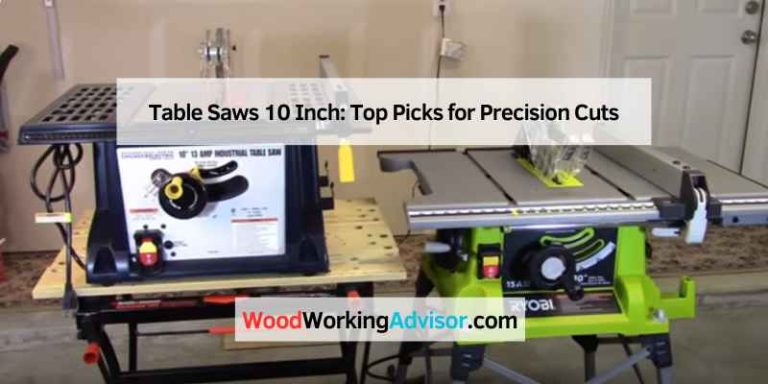
Jobsite saws (also sold as portable or benchtop saws) are built to be carried from job to job — most weigh 40 to 65 lbs and run on a lighter universal motor, trading power for daily portability.
A portable table saw in this class is the right call if you need to move a saw every day. A contractor saw sits in the middle of the same spectrum: heavier than a jobsite saw at roughly 200-350 lbs, but its open stand usually rolls on wheels, so you can move one around a shop or load it up for an occasional job — just not the everyday carry of a true jobsite saw. Cabinet saws, at 300-600-plus lbs, sit at the stationary end of that spectrum; once leveled and bolted in, they aren’t designed to move again.
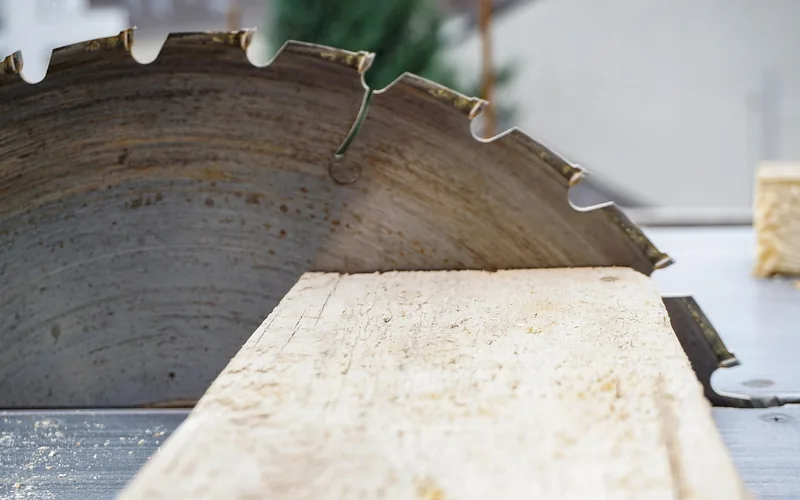
A contractor table saw is a mid-sized stationary power saw that runs a 1.5-1.75 HP motor on an open, wheel-equipped stand. It trades the cabinet saw’s raw power and stability for a lower price and occasional mobility, but it isn’t built for the daily carrying a true jobsite saw handles.
“In our shop, the contractor saw is the one that actually gets rolled outside for the occasional outdoor cut — the cabinet saw stays bolted to the floor and never moves.”
Is a Contractor Table Saw Considered Portable?
Not in the same way a jobsite saw is. A contractor saw’s wheeled open stand makes it movable around a shop or for an occasional job, but at 200-350 lbs it isn’t designed for the daily carry-to-carry use a true portable or jobsite saw is built for.
What Is a Cabinet Saw?
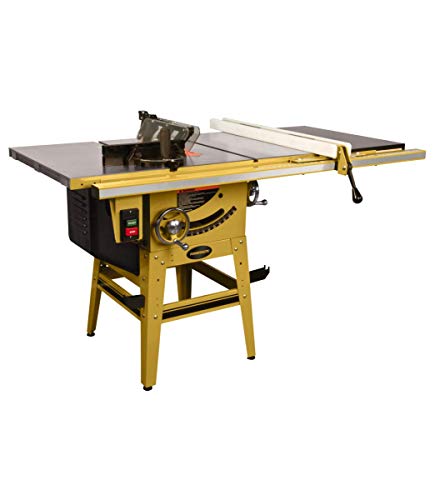
A cabinet saw is a heavy-duty stationary table saw whose trunnions mount directly to a fully enclosed cast-iron cabinet base rather than to the tabletop. That cabinet-mounted design is what gives it more stability and quieter, more effective dust collection than a contractor saw, at the cost of 300-plus lbs of weight and a 220V power requirement. Cabinet saws are the standard in production cabinet shops and serious home workshops that rip hardwood daily.
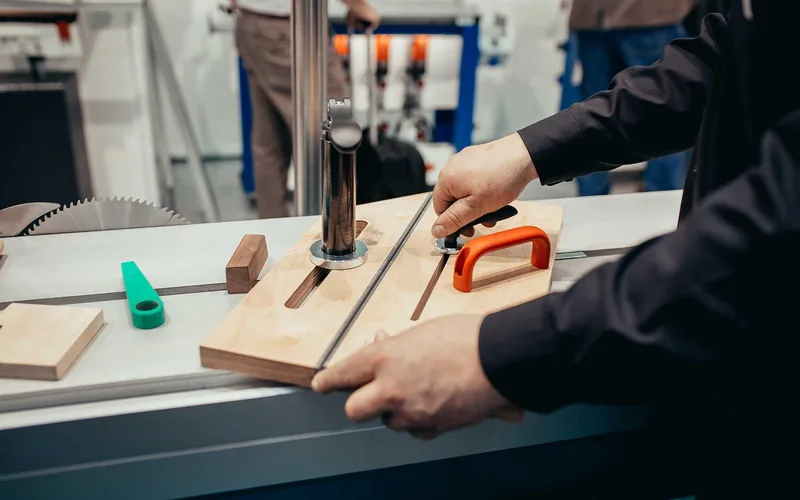
Best Cabinet Table Saws Worth Buying
If you’re ready to buy a cabinet saw, here are two current, verified-available options at different budget levels (checked against live Amazon listings for this update — several older recommendations for this category have since been discontinued):
- SawStop Professional Cabinet Saw, 3 HP, 36-Inch T-Glide Fence – a genuine 3 HP cabinet saw with SawStop’s blade-stop safety system built in; the top pick for a production shop.
- JET ProShop II 10-Inch Table Saw, 52-Inch Rip, 1-3/4 HP – a hybrid-style saw with an enclosed base and a wide 52-inch rip at contractor-saw money, the best entry point into cabinet-saw stability.
If those exact models are unavailable when you check, a fully enclosed base and a motor of at least 3 HP on a 220V circuit are the two specs that separate a true cabinet saw from a contractor or hybrid saw wearing a cabinet-saw name.
Frequently Asked Questions
What Is the Difference Between a Contractor Saw and a Cabinet Saw?
The trunnions (the part holding the blade arbor) mount to the tabletop on a contractor saw and to the enclosed cabinet base on a cabinet saw. That one difference is why cabinet saws run bigger 3-5 HP motors, weigh 300-plus lbs, need a 220V circuit, and hold thick hardwood steadier — while contractor saws stay lighter, cheaper, and run on a standard 110V outlet.
What Is a Contractor Table Saw Used For?
A contractor table saw handles rip cuts, crosscuts, dadoes, tapers, and bevels in solid lumber and sheet goods, the same core cuts a cabinet saw makes. It’s the more affordable option for home woodworkers and hobbyists who don’t need a cabinet saw’s extra power or its 220V circuit.
What Are the Three Types of Table Saws?
The three main types are the jobsite (portable) saw, the contractor saw, and the cabinet saw. The jobsite saw is the lightest and most transportable, built for carrying between job sites daily. The contractor saw is the middle ground — heavier than a jobsite saw but still wheeled for moving around a shop, though not meant for daily hauling. The cabinet saw is the heaviest and most powerful, designed to stay bolted in place. See our full guide to table saw types for benchtop and hybrid saws too.
What Are the Disadvantages of a Table Saw?
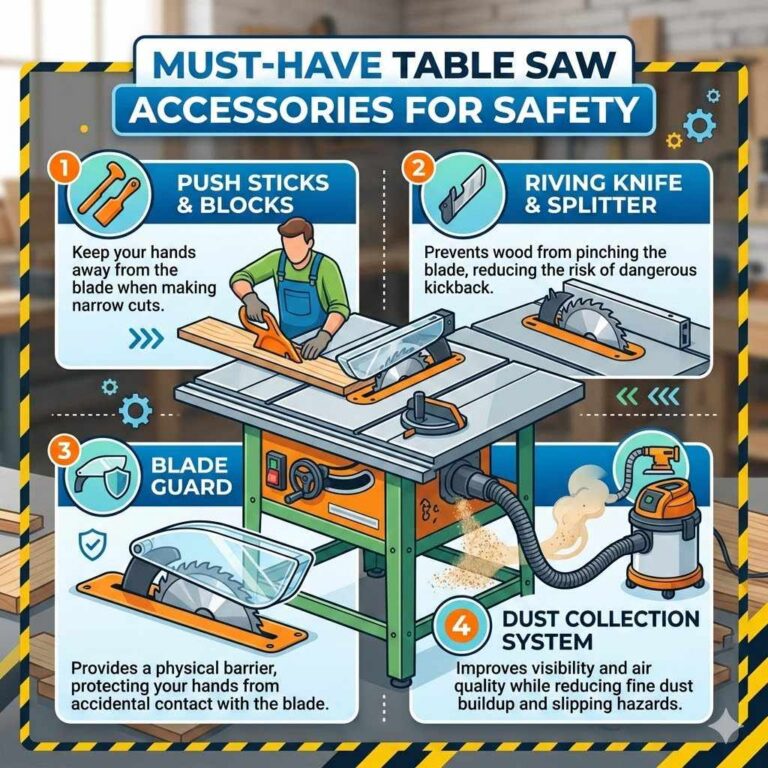
Table saws cost several hundred dollars or more, need enough shop space to feed material through safely, and use an exposed spinning blade that can cause serious injury without a guard, riving knife, or blade-stop safety system. They also take some practice to set up and operate accurately, especially for dadoes, tapers, and bevel cuts.
Is a Hybrid Table Saw a Good Middle Ground Between Contractor and Cabinet?
Yes, for most hobbyists and small shops. A hybrid saw pairs an enclosed, cabinet-style base with contractor-level 1.5-1.75 HP power, so it’s steadier and collects dust better than an open-stand contractor saw, but it still can’t match a true 3-5 HP cabinet saw for heavy daily ripping in dense hardwood.
Conclusion
A contractor saw is the right call if you’re building a home shop on a budget and only need to move the saw occasionally. A cabinet saw earns its higher price and 220V circuit once you’re ripping hardwood often enough that the extra stability and dust control pay for themselves. If SawStop’s blade-stop safety matters more than the saw’s size, both of SawStop’s saws carry the identical system — the choice comes down to the motor and base underneath it. If a cabinet saw is not even the right category yet, our broader cabinet saw vs. table saw comparison covers benchtop and hybrid options too. For more help narrowing down a saw, see our full tools & saws buying guide.
Sponsored / affiliate links. As an Amazon Associate I earn from qualifying purchases. I may earn additional commission from eligible campaigns.