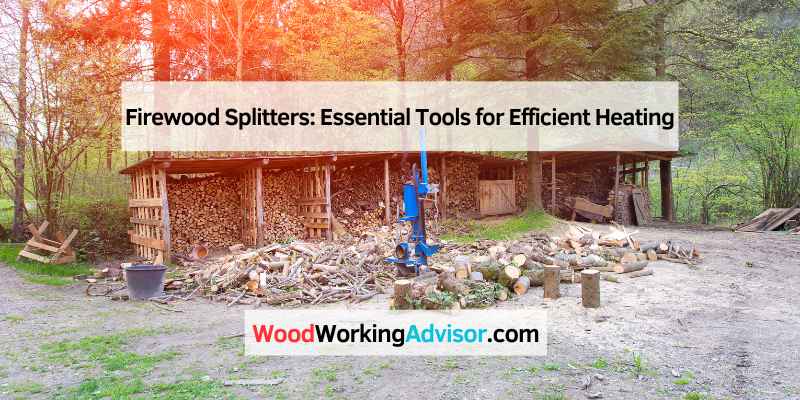
Firewood Splitters: Essential Tools for Efficient Heating
Firewood splitters are essential tools for quickly and efficiently splitting logs into usable firewood. They come in various types, including manual, electric, and gas-powered options.
Firewood splitters simplify the process of preparing wood for burning. Instead of using traditional axes or saws, these machines save time and effort. Their design allows for splitting logs of various sizes, making them suitable for both small and large tasks.
Whether you are a homeowner looking to stock up for winter or a business needing to process large quantities of wood, a firewood splitter can enhance productivity. Choosing the right type depends on your specific needs, such as power source, portability, and log size. This guide will help you understand the various options available.
The Role Of Firewood Splitters In Modern Heating
Firewood splitters have become essential tools for many households. They simplify the task of preparing firewood. This makes heating homes easier and more efficient. Understanding their role can help you appreciate their value.
Fueling Homes: A Tradition Revisited
Using firewood for heat is a long-standing tradition. Many families are returning to this method. Firewood splitters play a key role in this revival. They help make the process quick and safe.
- Efficiency: Splitters reduce the time needed to prepare wood.
- Safety: They minimize the risk of injury compared to manual splitting.
- Accessibility: Anyone can use them, regardless of strength.
Many households are investing in firewood splitters. They enhance the experience of using wood for heat. This trend is not just practical; it’s also nostalgic.
Eco-friendly Heating: A Growing Trend
Using wood as a heating source is eco-friendly. It reduces reliance on fossil fuels. Firewood splitters support this green movement. They allow more people to choose wood for heating.
| Benefits of Using Firewood Splitters | Impact on the Environment |
|---|---|
| Increased efficiency | Less pollution compared to gas or oil heating |
| Time-saving | Promotes sustainable practices |
| Safe operation | Supports local wood sourcing |
Choosing firewood splitters can lead to significant savings. They make it easier to enjoy a warm home. The eco-friendly benefits add to their appeal.

Types Of Firewood Splitters
Choosing the right firewood splitter is essential for your needs. Different types offer unique features. Understanding these types helps you make an informed decision.
Manual Splitters: Pros And Cons
Manual splitters are simple and effective. They require no fuel or electricity. Here are some pros and cons:
- Pros:
- Cost-effective
- Environmentally friendly
- Portable and lightweight
- Cons:
- Labor-intensive
- Limited power
- Not suitable for large logs
Electric Splitters: Convenience Meets Technology
Electric splitters provide a modern solution. They offer ease of use and efficiency. Check out their benefits:
- Pros:
- Easy to operate
- Quiet and cleaner than gas models
- Suitable for indoor use
- Cons:
- Limited by cord length
- Not as powerful as gas models
- Requires a power source
Gas-powered Splitters: High Performance For Large Volumes
Gas-powered splitters deliver impressive strength. They handle large volumes of wood effortlessly. Their features include:
| Features | Benefits |
|---|---|
| High power | Splits large logs quickly |
| Portable | Use anywhere without cords |
| Durability | Long-lasting performance |
Consider the downsides:
- Cons:
- Heavier and bulkier
- Requires maintenance
- Higher fuel costs
Key Features To Consider When Choosing A Firewood Splitter
Choosing the right firewood splitter is crucial for efficiency. Several key features will help you find the best fit for your needs. Focus on power, portability, and durability. Each aspect plays a significant role in your wood-splitting tasks.
Power And Force: Matching Your Needs
Power is one of the most important factors. It determines how effectively the splitter can handle logs. Consider these points:
- Electric vs. Gas: Electric splitters are quieter and easier to maintain. Gas splitters offer more power for larger logs.
- Splitting Force: Look for a splitter with at least 5 tons of force. Higher force means less effort for tougher wood.
- Log Capacity: Check the maximum log size. Choose one that fits your typical log dimensions.
Portability: On-site Versatility
Portability is essential for ease of use. A splitter should be easy to move around your property. Consider these features:
- Weight: Lighter models are easier to transport.
- Wheels: Splitters with wheels make moving simpler.
- Size: Compact models fit in smaller spaces.
Durability: Investing In Longevity
Investing in a durable firewood splitter saves money over time. Look for:
- Material: Steel construction offers better durability.
- Warranty: A longer warranty indicates manufacturer confidence.
- Reviews: Check customer feedback for real-world performance.
Safety First: Operating Firewood Splitters Securely
Operating firewood splitters can be dangerous. Proper safety measures protect you. Understanding best practices and using protective gear is essential.
Personal Protective Equipment: A Must-have
Wearing the right protective gear is crucial. It shields you from injuries. Essential Personal Protective Equipment (PPE) includes:
- Safety goggles: Protects eyes from flying debris.
- Gloves: Offers grip and prevents cuts.
- Steel-toed boots: Safeguards feet from heavy logs.
- Ear protection: Reduces noise exposure from machinery.
- Hard hat: Shields head from falling objects.
Best Practices: Minimizing Risk During Operation
Following safety practices reduces the risk of accidents. Consider these vital tips:
- Read the user manual before operating.
- Inspect the splitter for any damage.
- Keep the work area clean and organized.
- Never place hands near the splitting area.
- Always stand to the side of the splitter.
- Use the splitter on stable ground.
- Clear the area of bystanders and pets.
Following these guidelines ensures a safer experience. Stay alert and focused while operating.
Efficiency Boost: How Firewood Splitters Save Time And Effort
Firewood splitters are game-changers for anyone who needs to prepare firewood. They simplify the process, making it quicker and easier. This tool saves you time and energy, turning a long task into a short one. Let’s explore how firewood splitters enhance efficiency.
Streamlining Wood Preparation: From Tree To Hearth
Preparing wood for your fireplace or stove can take hours. With a firewood splitter, you can:
- Split logs in minutes.
- Handle larger pieces with ease.
- Reduce the number of tools needed.
Here’s a quick overview of the wood preparation process:
| Step | Traditional Method | With Firewood Splitter |
|---|---|---|
| 1. Gather Logs | Time-consuming | Quick |
| 2. Cut Logs | Requires Chainsaw | Minimal Cutting Needed |
| 3. Split Logs | Labor-Intensive | Fast and Easy |
| 4. Stack Firewood | Physically Demanding | Simple and Efficient |
Using a firewood splitter means less time spent preparing. Spend more time enjoying the warmth of your fire.
Reducing Physical Strain: The Health Benefits
Cutting and splitting wood can be hard on your body. Firewood splitters help reduce physical strain significantly. Here’s how:
- Less Physical Labor: No need to swing an axe.
- Improved Posture: Stand straight while working.
- Lower Risk of Injury: Minimize accidents from heavy lifting.
Benefits of using a firewood splitter:
- Protect your back and joints.
- Save energy for other tasks.
- Enjoy wood preparation without pain.
Firewood splitters provide a safer, healthier way to prepare firewood. Enjoy the process and the warmth of your hearth.
Maintenance Tips For Your Firewood Splitter
Keeping your firewood splitter in top shape ensures it runs smoothly. Regular maintenance can extend its life and improve performance. Follow these essential tips to keep your splitter ready for action.
Regular Cleaning: Keeping Performance Optimal
Cleaning your firewood splitter is crucial for optimal performance. Dust, dirt, and wood debris can cause damage. Here’s how to maintain cleanliness:
- Turn off the splitter and unplug it.
- Remove wood chips and debris from the area.
- Use a soft brush or cloth to clean surfaces.
- Check the hydraulic fluid reservoir and clean any spills.
- Inspect and clean the air filter regularly.
Regular cleaning can prevent small issues from becoming big problems. A clean splitter works efficiently and lasts longer.
Troubleshooting: Common Issues And Fixes
Even the best machines can have problems. Here are common issues you might face:
| Issue | Possible Cause | Fix |
|---|---|---|
| Splitter won’t start | Dead battery or faulty switch | Charge or replace the battery, check the switch |
| Slow operation | Low hydraulic fluid | Refill hydraulic fluid to the recommended level |
| Uneven splitting | Dull blade | Sharpen or replace the blade |
Understanding these issues helps you troubleshoot quickly. Most fixes are simple and can be done at home.
Winterizing: Preparing Your Splitter For The Cold
Winter can be harsh on machinery. Proper winterization protects your splitter from cold weather. Follow these steps:
- Drain all hydraulic fluid.
- Clean and lubricate moving parts.
- Store the splitter in a dry, sheltered place.
- Cover it with a tarp or protective cover.
Winterizing your splitter ensures it remains functional for the next season. Take these steps to avoid damage from frost and moisture.
Environmental Impact: Firewood Splitters And Sustainable Practices
Firewood splitters play a key role in promoting sustainable practices. They help utilize wood efficiently. This method supports renewable energy sources. Let’s explore how firewood splitters contribute to a greener future.
Renewable Resources: Aligning With Green Energy Goals
Using firewood splitters encourages the use of renewable resources. Here’s how:
- Firewood is a renewable energy source.
- It can be replenished sustainably.
- Proper management helps maintain forest health.
By choosing firewood, we reduce reliance on fossil fuels. This aligns with global green energy goals. Firewood splitters make it easier to prepare wood for heating. They ensure efficient use of this renewable resource.
Reducing Carbon Footprint: Efficient Heating Solutions
Firewood splitters also help in reducing carbon footprints. Here are the benefits:
- Efficient splitting saves time and energy.
- Using split wood enhances burning efficiency.
- Less smoke means lower carbon emissions.
Heating with firewood can cut down on greenhouse gases. Properly split wood burns cleaner. This makes firewood splitters an essential tool for eco-friendly heating solutions.
| Benefit | Description |
|---|---|
| Renewable Resource | Firewood can be replenished and managed sustainably. |
| Energy Efficiency | Split wood burns more efficiently, saving energy. |
| Lower Emissions | Reduced smoke and carbon emissions during burning. |
Real-world Applications: Who Benefits Most From Firewood Splitters?
Firewood splitters serve various users. They make splitting wood easier and faster. Both homeowners and businesses find them valuable. Let’s explore who benefits most from firewood splitters.
Homeowners: Personal Use And Cost Savings
Homeowners enjoy many advantages from firewood splitters. Here are some key benefits:
- Time Efficiency: Split wood quickly with less effort.
- Cost Savings: Reduce expenses by sourcing your own firewood.
- Convenience: Split wood at your own pace, at home.
- Safety: Minimize injury risks compared to using axes.
Many homeowners use firewood splitters for personal heating needs. This allows them to:
- Heat their homes efficiently.
- Prepare for winter with a good stock of firewood.
Investing in a firewood splitter can lead to significant savings. Homeowners can save money while enjoying a warm, cozy home.
Commercial Operations: Scaling Up Firewood Production
Commercial operations benefit from firewood splitters in many ways. They help businesses grow and meet demand.
| Benefit | Description |
|---|---|
| Increased Production: | Split large quantities of wood quickly. |
| Labor Efficiency: | Reduce the need for manual labor. |
| Quality Control: | Ensure consistent wood sizes for better burning. |
| Market Demand: | Meet the growing need for firewood in colder months. |
Businesses can scale operations easily with firewood splitters. They can produce enough wood for retail sales or distribution. This boosts profits and enhances service quality.
Future Trends In Firewood Splitting Technology
Firewood splitting technology is evolving rapidly. New innovations aim to improve efficiency, safety, and user experience. Understanding these trends helps users make informed choices. Let’s explore what the future holds for firewood splitters.
Innovations On The Horizon: What’s Next?
Several exciting innovations are set to change firewood splitting. These include:
- Electric Splitters: Quieter and cleaner than traditional gas models.
- Hybrid Models: Combining gas and electric power for versatility.
- Enhanced Safety Features: Automatic shut-off and protective guards.
- Lightweight Materials: Easier to transport and maneuver.
These advancements will make firewood splitters more accessible for everyone. A table below summarizes the key features of upcoming models:
| Feature | Benefits |
|---|---|
| Electric Splitters | Quiet, eco-friendly, and low maintenance |
| Hybrid Models | Flexible power options for various tasks |
| Safety Features | Reduced risk of accidents during operation |
| Lightweight Design | Easy transport and use in different locations |
Integrating Automation: The Role Of Smart Technology
Smart technology is transforming firewood splitters. Automation offers numerous advantages:
- Remote Control: Operate splitters from a distance.
- Data Tracking: Monitor performance and maintenance needs.
- Smart Sensors: Adjust splitting force based on wood type.
These features enhance user convenience. Smart technology also improves efficiency and safety. With these advancements, firewood splitting becomes easier and more enjoyable.
Frequently Asked Questions
What Are The Benefits Of Using Firewood Splitters?
Firewood splitters save time and effort compared to manual splitting. They provide consistent, uniform pieces, improving efficiency. Additionally, they reduce the risk of injury associated with traditional splitting methods. Using a splitter allows you to process larger quantities of wood quickly, making it ideal for homeowners and businesses alike.
How Do I Choose The Right Firewood Splitter?
To choose the right firewood splitter, consider your needs. Assess the types of wood you’ll split and the volume required. Electric splitters are ideal for small jobs, while gas-powered models suit larger tasks. Look for features like splitting force and portability to ensure it meets your specific requirements.
Are Electric Firewood Splitters Effective?
Yes, electric firewood splitters are effective for light to moderate tasks. They are quieter and require less maintenance than gas models. While they may struggle with very hard wood, many users find them sufficient for typical home use. Overall, they offer convenience and ease of use for various splitting needs.
How Much Does A Firewood Splitter Cost?
The cost of a firewood splitter varies based on type and features. Basic electric models start around $200, while gas-powered ones can range from $500 to over $1,500. Higher-end models with advanced features may cost even more. Assess your budget and needs to find the best option for you.
Conclusion
Choosing the right firewood splitter can make all the difference in your wood preparation process. With various options available, consider your specific needs and budget. A quality splitter will save you time and effort, ensuring you have ample firewood for cozy evenings.
Invest wisely for a more enjoyable experience this season.