Understanding Formaldehyde in Laminate Flooring: A Simple Guide
When I first heard about formaldehyde in laminate flooring, I was picking out floors for my new apartment. I wanted something affordable and stylish, but a friend mentioned formaldehyde, and I panicked—yikes, a chemical in my floor? After digging into it, I learned it’s not as scary as it sounds if you know what to look for. In this article, I’ll share what formaldehyde in laminate flooring is, why it matters, and how to keep your home safe. We’ll cover easy ways to check for it, pick safe floors, and avoid common mistakes—all in simple words for everyone!
What Is Formaldehyde in Laminate Flooring?
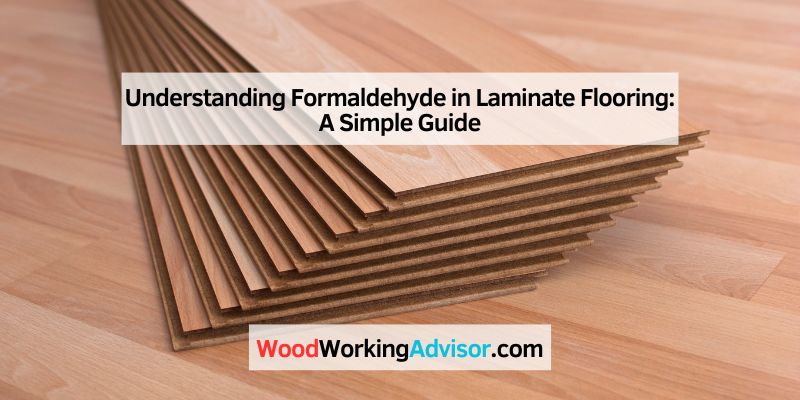
Formaldehyde is a chemical used in glue to hold laminate flooring together. It’s in many household items, like furniture and paint, because it’s cheap and strong. In laminate floors, it’s in the core layer, made of pressed wood. Over time, tiny amounts of formaldehyde can escape into the air—this is called off-gassing.
Why does this matter? At low levels, formaldehyde is usually safe, but high levels can irritate your eyes, nose, or throat. In rare cases, long-term exposure might cause bigger health issues, like asthma flare-ups or, in extreme cases, cancer risks. Don’t worry, though—new rules keep levels low in most floors sold today.
Why Should You Care About Formaldehyde?
I learned the hard way that not all floors are created equal. Years ago, I installed cheap laminate from a sketchy retailer. Soon, my eyes were watery, and I blamed allergies. Turns out, it was formaldehyde off-gassing! Knowing about formaldehyde helps you pick safer floors and avoid health hiccups. It’s especially important if you have kids, pets, or anyone with asthma at home, as they’re more sensitive.
Here’s a quick breakdown of why it’s a big deal:
- Health Risks: High formaldehyde levels can cause coughing, sneezing, or skin rashes.
- Long-Term Concerns: Some studies link long exposure to rare cancers, but this is mostly for workers handling tons of it.
- Home Air Quality: Floors can add to indoor air pollution, especially in new homes.
How to Check for Formaldehyde in Your Floors
Testing for formaldehyde sounds tricky, but it’s not rocket science. You can do it yourself or hire a pro. Here’s a simple guide to get started:
- Look for Labels: Check if your flooring box says “CARB Phase 2” or “TSCA Title VI.” These mean low formaldehyde levels.
- Sniff Test: Formaldehyde has a sharp, pickle-like smell. If your new floor smells weird for weeks, it might be off-gassing.
- Buy a Test Kit: Home kits, like the FM-801 meter, measure formaldehyde in the air. They cost about $100 and give results in 30 minutes.
- Hire an Expert: Indoor air quality pros can test your floors or air accurately. Expect to pay $200-$500.
Table 1: Comparing Formaldehyde Testing Options
| Method | Cost | Accuracy | Ease of Use |
|---|---|---|---|
| Home Test Kit | $100-$150 | Moderate | Easy |
| Professional Testing | $200-$500 | High | Hard (needs pro) |
| Visual Label Check | Free | Low | Very Easy |
Caption: Compare testing methods to find the best fit for your budget and needs.
Picking Safe Laminate Flooring
Choosing safe flooring is easier than you think. I once grabbed the cheapest laminate without checking labels—what a flop! Here’s how to avoid my mistake:
- Check Certifications: Look for “CARB Phase 2” or “TSCA Title VI” on the box. These show the floor meets strict U.S. safety rules.
- Go for No-Added Formaldehyde: Brands like Mohawk offer floors with no added formaldehyde. They’re pricier but worth it.
- Ask the Store: Reputable stores, like Flooring Clearance Center, vet their suppliers for safety. Ask for low-VOC or formaldehyde-free options.
- Ventilate After Installation: Open windows for a few days after installing new floors to let any off-gassing escape.
Visual Idea: A diagram showing a laminate floor’s layers (top layer, core, backing) with arrows pointing to where formaldehyde is in the glue.
Benefits and Drawbacks of Laminate Flooring
Laminate flooring is popular for a reason—it’s affordable and looks great. But there are pros and cons when it comes to formaldehyde.
Benefits:
- Cheap and Stylish: Laminate mimics wood or tile for less money.
- Easy to Install: It clicks together like a puzzle—no glue needed.
- Durable: It resists scratches and spills, perfect for busy homes.
Drawbacks:
- Formaldehyde Risk: Some cheap laminates off-gas more than others.
- Not Waterproof: Spills can damage the core, increasing off-gassing.
- Hard to Repair: Damaged planks need replacing, not fixing.
Table 2: Laminate vs. Other Flooring Types
| Flooring Type | Formaldehyde Risk | Cost per Sq. Ft. | Durability |
|---|---|---|---|
| Laminate | Low to Moderate | $1-$5 | High |
| Solid Wood | Very Low | $5-$10 | High |
| Vinyl | Low | $2-$7 | Moderate |
Caption: Compare flooring types to see which fits your home and safety needs.
Common Mistakes to Avoid
I’ve seen folks mess up when dealing with formaldehyde in laminate flooring. Here are traps to dodge:
- Buying Super Cheap Floors: Bargain brands might skip safety certifications. Spend a bit more for peace of mind.
- Ignoring Ventilation: New floors need air to clear out smells. Keep windows open for a week after installation.
- Skipping Labels: Always check for CARB or TSCA labels. No label? No buy.
Visual Idea: A checklist graphic with “CARB Certified,” “Ventilate,” and “Test Air” as key steps.
My Personal Tips for a Safe Home
After my flooring fiasco, I got smarter about keeping my home safe. Here are my go-to tips:
- Air It Out: Run a fan or open windows after installing floors. It’s a game-changer for air quality.
- Use an Air Purifier: A HEPA purifier with a carbon filter can trap formaldehyde. I got one for $150, and it’s a lifesaver.
- Check Other Sources: Floors aren’t the only formaldehyde culprits. Watch out for new furniture or paint, too.
- Talk to Retailers: Ask stores about their flooring’s safety tests. Good ones, like Wood Floor Planet, will know their stuff.
Frequently Asked Questions
What Is Formaldehyde in Laminate Flooring?
Formaldehyde is a chemical in the glue used to make laminate flooring. It can off-gas into the air, but certified floors keep levels safe.
Is Formaldehyde in Flooring Dangerous?
At low levels, it’s usually fine. High levels can irritate eyes or lungs, especially for kids or asthma sufferers. Check for CARB-certified floors.
How Do I Know If My Floor Has Formaldehyde?
Look for CARB or TSCA labels on the box. You can also use a home test kit or hire a pro to check air quality.
Can I Reduce Formaldehyde in My Home?
Yes! Open windows, use an air purifier, and choose low-VOC floors. Avoid new furniture or paint that might add formaldehyde.
Are There Formaldehyde-Free Floors?
Some brands, like Mohawk, offer no-added-formaldehyde laminate. They cost more but reduce off-gassing risks.
What Are Safe Formaldehyde Levels?
Levels below 0.05 ppm (parts per million) are safe, per EPA rules. Most certified floors meet this standard.
Should I Replace My Laminate Flooring?
If it’s CARB-certified and doesn’t smell, it’s likely safe. Test air quality if you’re worried, or consult a pro.
Conclusion
Formaldehyde in laminate flooring sounds scary, but it’s manageable with the right know-how. Check labels, ventilate your home, and pick trusted brands to keep your air clean. Try testing your floors with a home kit—it’s easy and empowering! Share your flooring tips or questions in the comments, or tell me about your dream home makeover. Let’s make safe, cozy homes together!