Grates For Wood Burning Stoves: A Beginner’s Guide To Cozy Fires
My first winter with a wood burning stove was a learning curve. I tossed logs in, hoping for a roaring fire, only to end up with a smoky mess! That’s when I discovered the magic of grates for wood burning stoves. They can make or break your fire’s success. In this article, I’ll share what I’ve learned about grates—why they matter, how to choose one, and tips to keep your stove roaring. Whether you’re new to wood stoves or a seasoned fire-starter, you’ll find simple, practical advice to make your fires cleaner and cozier.
What Are Grates For Wood Burning Stoves?
A grate is a metal frame that holds logs in your wood stove. It lifts the wood off the stove’s bottom, letting air flow underneath. This airflow helps the fire burn hotter and cleaner. Think of it like a tiny stage for your logs to perform! Some stoves come with built-in grates, while others need a separate one. Grates are usually made of cast iron or steel, built to handle intense heat.
Why does this matter? Without a grate, ash and coals pile up, choking the fire. A grate keeps things tidy, letting ash fall below so your fire stays lively. It’s a simple tool that makes a big difference.
Why Use A Grate In Your Wood Stove?
Grates aren’t just metal bars—they’re fire boosters! Here’s why they’re awesome:
- Better Airflow: Air moves under the logs, making the fire burn hotter and faster.
- Less Ash Buildup: Ash falls through the grate, keeping the firebox clear.
- Cleaner Burns: More air means less smoke, which is better for your chimney and the planet.
But grates have downsides too. They can burn wood faster, so you might reload more often. And if your stove isn’t designed for a grate, it could get too hot, risking damage. Always check your stove’s manual first.
Choosing The Right Grate: A Simple Guide
Picking a grate is like choosing the right shoes—it needs to fit! Here’s a quick step-by-step guide to find the perfect one:
- Measure Your Stove: Grab a tape measure and check the firebox’s width, depth, and height. Write it down!
- Check Your Manual: Some stoves, like my old Jotul, don’t play nice with grates. Make sure yours allows one.
- Pick A Material: Cast iron is tough and holds heat well. Steel is lighter but might not last as long.
- Look For Fit: Choose a grate that’s slightly smaller than your firebox so it sits snug but not tight.
I once bought a grate that was too big—total rookie mistake! It scraped the stove’s sides and was a pain to remove. Measure twice, buy once.
Table 1: Comparing Grate Materials
| Material | Pros | Cons | Cost (Approx.) |
|---|---|---|---|
| Cast Iron | Durable, retains heat | Heavy, can crack | $50–$150 |
| Steel | Lightweight, affordable | Wears out faster | $30–$100 |
Caption: This table compares cast iron and steel grates to help you pick the best fit for your stove.
How To Install A Grate (No Sweat!)
Installing a grate is a piece of cake if you follow these steps. Always let your stove cool down first—safety first!
- Clear The Firebox: Scoop out ash and coals with a metal shovel. I use a small bucket to keep things tidy.
- Check The Fit: Place the grate in the firebox to ensure it sits flat. If it wobbles, try a different size.
- Set It Up: Center the grate so air can flow around it. Some stoves have slots to lock the grate in place.
- Test With A Small Fire: Start a tiny fire to make sure the grate stays put and the fire burns well.
Visual Idea: A simple diagram showing a grate placed in a firebox with arrows for airflow would make this crystal clear.
Tips To Use Grates Like A Pro
After years of tinkering, here are my go-to tips for using grates:
- Keep Ash In Check: Clear ash under the grate weekly to maintain airflow. A shop vac works great.
- Don’t Overload: Too much wood can make the fire too hot, stressing the grate and stove.
- Inspect Regularly: Check for cracks or warping every few months. A damaged grate can mess up your fire.
One time, I ignored a cracked grate, and my fire kept dying—lesson learned! Regular checks save headaches.
Table 2: Common Grate Mistakes And Fixes
| Mistake | Why It’s Bad | Quick Fix |
|---|---|---|
| Wrong Size Grate | Poor fit, bad airflow | Measure firebox before buying |
| Not Cleaning Ash | Blocks air, weak fire | Clear ash weekly |
| Using In Wrong Stove | Can overheat, damage stove | Check manual first |
Caption: Avoid these mistakes to keep your grate and stove in top shape.
Grates Vs. No Grates: What’s Best?
Some stoves, like modern EPA-certified ones, skip grates for a reason. Burning on a flat ash bed can slow the fire, saving wood and keeping heat steady. My neighbor swears by his no-grate stove for overnight burns. But grates shine for quick, hot fires. It depends on your stove and habits.
If you want long, slow burns, try raking coals to the front and adding logs on top—no grate needed. For fast fires, a grate is your best friend. Experiment to find what works for you.
Visual Idea: A side-by-side diagram of a grate vs. no-grate firebox, showing ash and airflow differences.
Safety Tips For Using Grates
Grates make fires hotter, so stay safe with these tips:
- Check Your Stove’s Limits: Some stoves can’t handle grate-level heat. Read the manual or call the manufacturer.
- Use A Fire Screen: Sparks can fly with grates. A screen keeps them contained.
- Ventilate Your Room: Open a window slightly to avoid smoke buildup.
I learned the hard way when a spark jumped out and singed my rug. A cheap fire screen saved the day after that!
Where To Buy Grates And Save Money
You can find grates at hardware stores, online retailers, or stove specialty shops. Sites like Stove World UK offer replacement grates for specific models. For deals, check Hearth.com forums for used grates or local sales. I snagged a cast iron grate for half price at a garage sale—score!
Table 3: Where To Buy Grates
| Source | Pros | Cons | Price Range |
|---|---|---|---|
| Online (e.g., Amazon) | Wide selection, fast delivery | Hard to check fit | $30–$150 |
| Local Hardware Store | See before buying | Limited stock | $50–$200 |
| Specialty Stove Shops | Expert advice, custom fits | Pricey | $100–$300 |
Caption: Compare buying options to find a grate that fits your budget and stove.
My Personal Take: Why I Love Grates
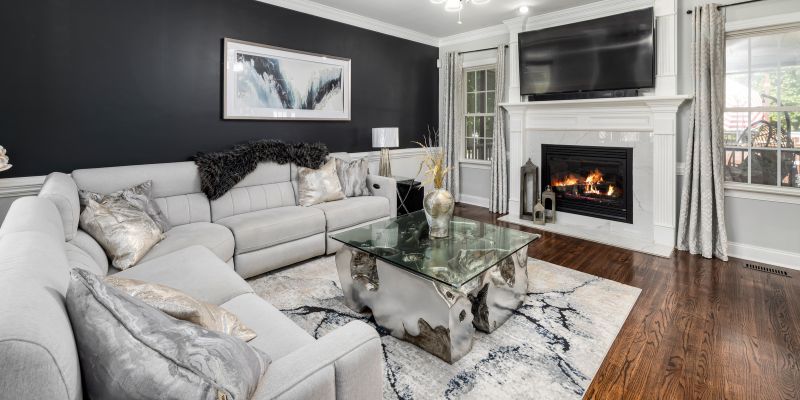
Grates make my wood stove a joy to use. The fire lights faster, burns brighter, and leaves less mess. Sure, I reload a bit more, but the crackle and warmth are worth it. My favorite moment? Sipping hot cocoa by a roaring fire, knowing my grate’s doing the heavy lifting. Try one—you might love it too!
Frequently Asked Questions
What’s A Grate For Wood Burning Stoves?
A grate is a metal frame that holds logs in your stove, letting air flow underneath for a hotter, cleaner fire. It keeps ash from piling up, making your fire easier to manage.
Can I Use A Grate In Any Wood Stove?
Not all stoves are designed for grates, as they can make fires too hot and damage the stove. Check your stove’s manual or ask the manufacturer before adding one.
How Do I Clean Under A Grate?
Use a small shovel or shop vac to scoop out ash weekly. Let the stove cool first, and wear gloves to stay safe.
Are Cast Iron Grates Better Than Steel?
Cast iron grates last longer and hold heat well, but they’re heavy. Steel is lighter and cheaper but may wear out faster. Pick based on your budget and stove size.
Do Grates Make Fires Burn Faster?
Yes, grates boost airflow, so wood burns quicker and hotter. This is great for fast fires but might mean reloading more often.
How Long Do Grates Last?
A good cast iron grate can last 5–10 years with proper care. Steel grates may need replacing every 2–5 years, depending on use.
Where Can I Buy A Grate For My Stove?
Check online retailers like Amazon, specialty shops, or forums like Hearth.com for deals. Measure your firebox and check your stove model for the right fit.
Wrapping It Up
Grates for wood burning stoves are simple tools that can transform your fire. They boost airflow, cut ash buildup, and make fires cleaner and cozier. Whether you’re picking a cast iron or steel grate, measuring right and checking your stove’s manual are key. Try installing a grate and starting a small fire to see the difference—it’s like giving your stove a superpower! Share your fire-starting tips in the comments or try a grate yourself. Happy burning!
Visual Idea: A fun infographic showing a grate’s benefits (airflow, less ash) vs. a no-grate stove, with smiley faces for cozy vibes.