How to Replace Wood Slats on a Park Bench (Any Frame Type)
To replace wood slats on a park bench, remove the old slats (unscrewing standard fasteners or unbolting carriage bolts on metal-frame benches), measure and cut new slats from weather-resistant wood, sand the edges, then attach with galvanized or stainless hardware — carriage bolts for cast-iron/metal-frame benches, screws for wood-frame benches. Most home benches take 1–2 hours; cast-iron park benches with bolted slots may take longer due to rusted hardware.
Insert your Affiliate Disclosure reusable block here
Tools And Materials Needed
- Measuring tape
- Drill with drill bits (1/2″ bit for standard carriage-bolt holes)
- Screwdriver or socket wrench (for bolted metal-frame benches)
- Wood saw
- Sandpaper
- Replacement slat boards (cedar, teak, or pressure-treated)
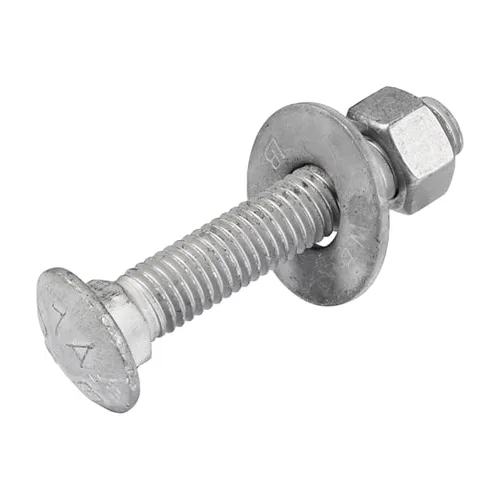
- Galvanized or stainless carriage bolts, washers, and nuts (for metal-frame benches) or exterior wood screws (for wood-frame benches)
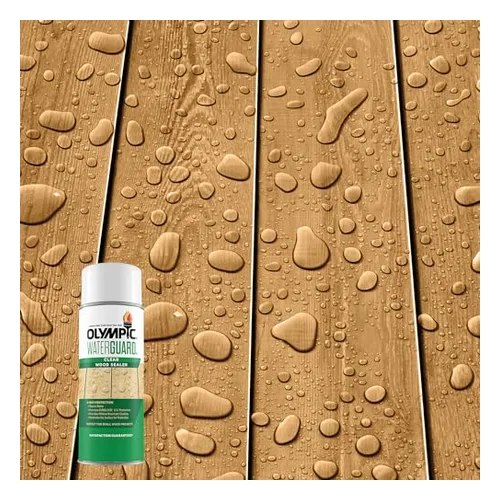
- Exterior wood sealer or stain
Choosing Replacement Wood: Pressure-Treated Vs. Cedar Vs. Teak
Wood choice determines how many times you’ll be back doing this repair. Pressure-treated pine is the cheapest option but typically lasts only 10–15 years, since the treatment chemicals gradually leach out and it needs more frequent sealing. Cedar is naturally rot- and insect-resistant and commonly reaches 15–20+ years with basic yearly care. Teak is the most durable and lowest-maintenance option, with well-cared-for teak benches in city parks documented still holding up after 30+ years — but it costs significantly more upfront.
| Wood | Typical Lifespan | Maintenance |
|---|---|---|
| Pressure-treated pine | 10–15 years | Reseal every 1–2 years |
| Cedar | 15–20+ years | Clean/reseal every 2–3 years |
| Teak | 25–30+ years | Minimal — occasional oil |
Removing Old Slats
Wear gloves, safety glasses, and a dust mask before starting — old outdoor slats often have splinters, rusted fasteners, and years of grime. On a standard wood-frame bench, simply unscrew or pry off the fasteners. On a cast-iron or metal-frame bench, the slats are usually held on by carriage bolts running through pre-drilled slots in the frame’s side arms; these bolts are frequently rusted solid from years outdoors, so penetrating oil and a socket wrench (not just a screwdriver) will save time. Keep one old slat aside to use as a template for spacing and hole placement on the new boards.
Preparing And Attaching New Slats
- Measure the old slats for length, width, and thickness — typical replacement slats run about 4 feet long, 1 inch thick, with widths commonly between 1.4″ and 2.75″ depending on the bench design.
- Cut new slats to match, then sand all edges and faces smooth to prevent splinters.
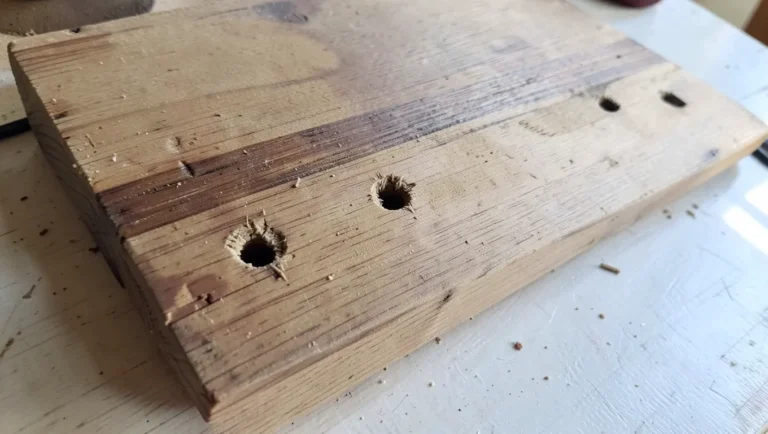
- Using the old slat as a template, mark bolt-hole locations — standard spacing is a 1/2″ hole positioned about 1 inch from each end.
- Drill the holes with a pilot bit first, then step up to the final bit size for a clean hole.
- Install the front and back slat first to stabilize the frame, then work in toward the middle — this keeps the bench square while you install the rest.
- For metal-frame benches, insert galvanized or stainless carriage bolts (domed head on top, through the slat and frame slot) and secure with a washer and nut underneath — stainless steel resists rust far better than plain steel hardware exposed outdoors.
- Snug all hardware only after every slat is in place, then do a final full tightening pass once you’ve confirmed the bench sits square and untwisted.
📊 Well-maintained teak park benches have been documented still holding up structurally sound after 30+ years outdoors, versus roughly 10–15 years for pressure-treated pine before the wood needs full replacement. — Source: Urban Benches, average lifespan data
Finishing Touches
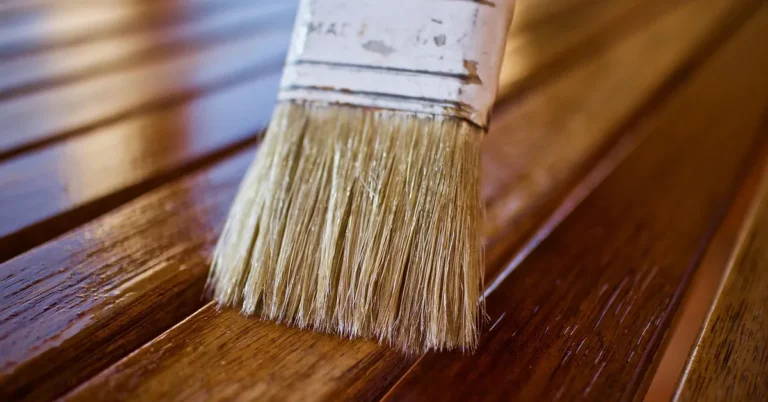
Apply a weather-resistant sealer, stain, or exterior clear coat once the slats are fully installed and hardware is tightened. Let it cure fully before use. If the bench has a cast-iron or steel frame, this is also the right time to address any surface rust with a wire brush and rust-inhibiting paint before it spreads further.
“If you install one slat at the front and back of the bench first it will stabilize the bench so that it’s easier to install the other slats… wait to do final tightening on all slats until all slats are installed, with modest tightening of the hardware, and you have the opportunity to ensure the bench is square and untwisted.”
Recommended Slats & Hardware
Verified Replacement Slats & Hardware
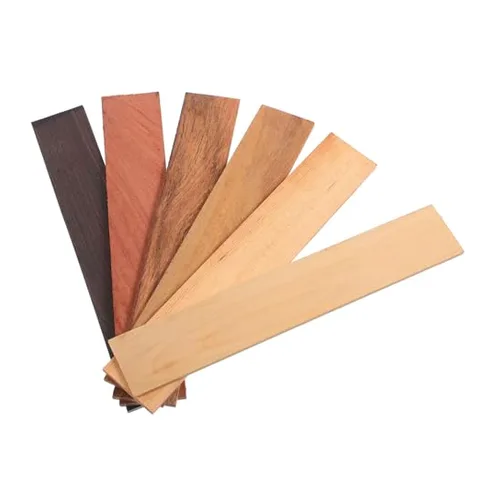
Cedar Replacement Bench Slat Boards (6-pack)
Naturally rot-resistant cedar, a solid mid-range choice between pressure-treated pine and teak.
Check Price on Amazon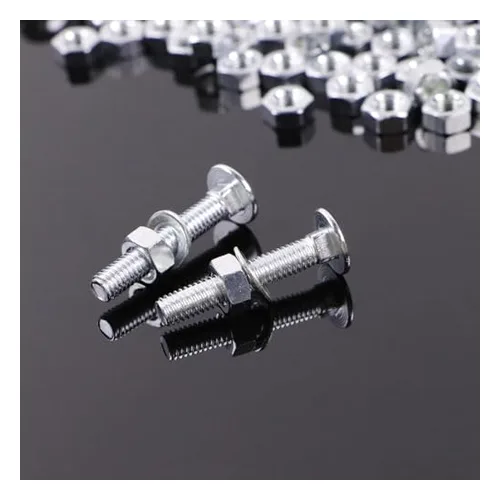
Maintenance Going Forward
Clean the wood periodically with mild soap and water, check hardware for loosening at least once a year, and reapply sealer or stain every 1–3 years depending on the wood species you chose. Catching a loose bolt or an early crack early is far cheaper than replacing an entire slat again.
Frequently Asked Questions
How Do I Know When To Replace Wood Slats?
Look for rot, splintering, cracking, or noticeable instability when sitting. Regular inspections catch problems before they become a safety issue.
How Do I Replace Slats On A Bench With Slotted Cast-Iron Or Metal Frame?
Unbolt the carriage bolts running through the frame’s pre-drilled slots (expect rust — penetrating oil helps), remove the old slats, drill matching 1/2″ holes about 1 inch from each end of the new boards, and reattach with galvanized or stainless carriage bolts, washers, and nuts. Stainless hardware resists rust far longer than plain steel outdoors.
What Materials Do I Need For Replacement?
Replacement slat boards, matching hardware (screws for wood frames, carriage bolts for metal frames), a drill, sandpaper, a measuring tape, and an exterior sealer or stain to protect the finished slats.
Can I Replace Wood Slats Without Professional Help?
Yes, this is a straightforward DIY project with basic tools. The main challenge on older cast-iron benches is rusted-in hardware, not the woodworking itself.
Conclusion
Replacing wood slats on a park bench — wood-frame or cast-iron — is a manageable weekend project with the right hardware and a wood species matched to how long you want it to last. Cedar and teak cost more upfront but pay that back in years of maintenance you won’t have to redo.
Sponsored / affiliate links. As an Amazon Associate I earn from qualifying purchases. I may earn additional commission from eligible campaigns.