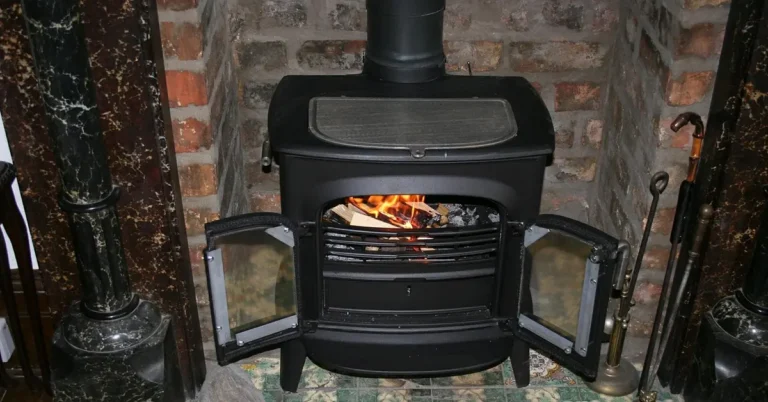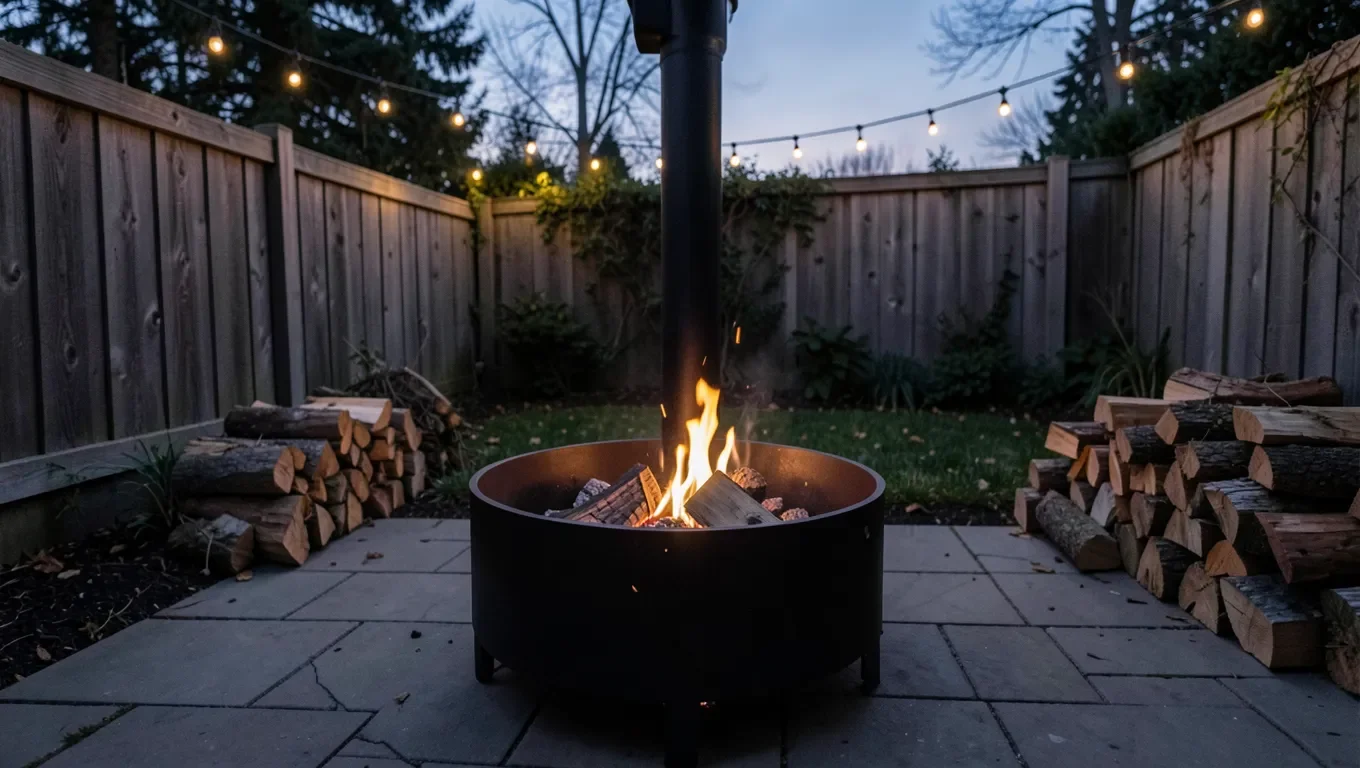
Home Depot Wood-Burning Fire Pits: Prices & Best Picks (2026)
Home Depot carries one of the largest in-store and online selections of wood-burning fire pits of any big-box retailer, but the range is wide enough – $40 fire bowls up to $500+ stacked-stone kits – that it’s easy to buy the wrong size or the wrong type for your space. This guide breaks down what Home Depot actually stocks, what each type is genuinely good for, the fire-code clearance and safety rules that apply no matter where you buy, and two things most buying guides skip entirely: how the return policy differs by fulfillment type, and how to check whether wood burning is even legal where you live before you buy.
Why Choose a Wood-Burning Fire Pit From Home Depot?
A wood-burning fire pit gives you the real thing: crackling logs, wood smoke, and visible flames, instead of the blue, mostly-invisible flame of a gas or propane unit. That’s the main reason people choose wood over gas – the sensory experience is different, and for a lot of buyers it’s the whole point of having a fire pit at all. Wood-burning models also skip the cost and hassle of propane tanks or a gas line, though they trade that for ash cleanup and the need to store dry firewood.
Home Depot’s selection spans steel bowls, cast-iron cauldron styles, double-wall smokeless designs, and DIY stacking-block kits, with prices from roughly $40 to well over $500 depending on size and material. Availability varies a lot by store and by season – fire pits are seasonal inventory, so a model that’s in stock in May may be gone by September, and online-only listings are common once local stores clear floor space for fall merchandise.
Best Large Wood-Burning Fire Pit Pick
 |
Sunnydaze Crossweave 36″ Wood-Burning Fire Pit – $179.10 If your local Home Depot is out of stock on a comparable size or you’d rather not gamble on seasonal in-store availability, this is a well-reviewed steel wood-burning fire pit that ships with a spark screen, poker, and weather cover.
|
What Home Depot Actually Stocks: Fire Pit Types Compared
Home Depot’s wood-burning lineup groups into four broad categories, sold under brands including Real Flame, Pure Garden, Sunnydaze, Endless Summer, and Noble House, alongside Home Depot’s own private-label lines. What’s carried in-store versus online-only changes by region and season, so treat the categories below as what to search for rather than a specific SKU list.
Fire Pit Bowls
Simple open steel or iron bowls, usually on a tripod or three-leg base. They’re the lightest and most portable option and the easiest to find at almost any price point. If you’re comparing budget options specifically, our cheap wood-burning fire pit guide breaks down budget picks and the real fire-code clearance rules in more depth.
Cauldron-Style Fire Pits
Deeper, rounder pits often cast in iron, sometimes on a tripod stand, built for a rustic look rather than portability. They hold more wood than a shallow bowl and throw heat well, but the cast-iron versions are noticeably heavier to move once assembled.
Smokeless Fire Pits
Double-wall steel designs (Solo Stove is the best-known brand, though it’s not the only one) pull air in through a gap between the inner and outer wall, which re-burns smoke before it escapes and cuts visible smoke output substantially compared to an open bowl. They’re not literally smokeless, but the difference is real, especially useful with close neighbors or a covered patio.
Fire Pit Kits
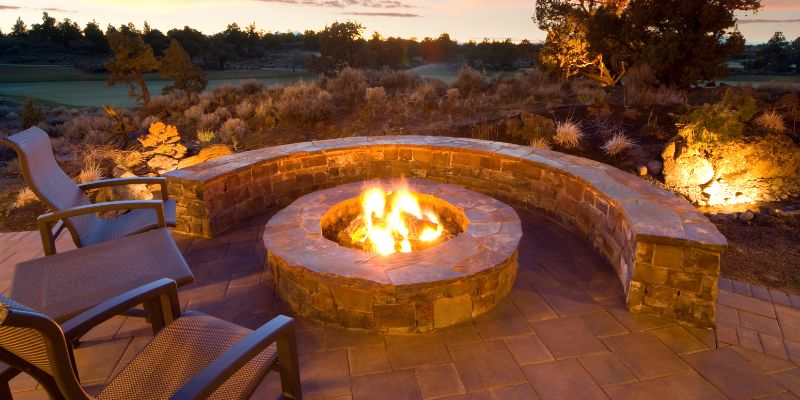
Stackable stone or concrete-block kits for building a permanent, in-ground-style fire pit without mortar. These take a weekend to assemble and cost more upfront than a bowl, but they’re the closest thing to a built-in masonry fire feature without hiring a mason.
Here’s a general price-range comparison across the four types:
| Fire Pit Type | Typical Price Range | Best For | Key Features |
|---|---|---|---|
| Fire Pit Bowl | $40–$200 | Small patios, portability | Lightweight, easy to move |
| Cauldron-Style | $150–$350 | Rustic aesthetics | Deep bowl, durable materials |
| Smokeless Fire Pit | $150–$600 | Smoke-sensitive settings | Reduced smoke, efficient burn |
| Fire Pit Kit | $250–$600 | DIY, permanent installs | Stackable blocks, built-in look |
How to Pick the Right Size, Material, and Safety Features
Size and Space
Measure your outdoor area before you shop. A 24–30 inch bowl fits most small patios, while a 30–36 inch model suits larger backyards and bigger groups. Leave enough clearance around the pit for seating plus the fire-code minimum setback (more on that below) – a fire pit that’s too big for the space it’s dropped into is a common and avoidable buying mistake.
Material
Steel is the lightest and most affordable option but can rust without a cover or a rust-resistant coating. Cast iron is heavier and more durable but harder to move once placed. Stone or concrete kits are the most weather-stable and look the most permanent, but they’re pricier and, once built, essentially fixed in place.
Safety Features
Look for a spark screen to contain embers, a stable wide base that resists tipping, and ideally a poker or tool for safely handling a hot screen or lid. A fire pit without a screen is a real ember hazard on a windy night or near dry grass.
Portability
If you want to move the pit for storage, camping, or seasonal cleanup, prioritize weight over capacity – a lightweight steel bowl under 25 pounds is far easier to relocate than a cast-iron or stone model.
Budget
Under $100 typically gets a basic steel bowl. $150–$350 is where most smokeless and mid-size cauldron models land. $400 and up covers premium smokeless units and full DIY stacking kits. Spending more upfront on a heavier-gauge steel or cast-iron model generally means less rust and fewer replacements over a few seasons.
Setting Up Your Fire Pit Safely
A wood-burning fire pit is an open flame, and setup matters as much as which model you buy.
Choose the Right Location
Most local fire codes and manufacturer manuals call for at least 10 feet of clearance from your house, fences, trees, and anything else flammable, though some jurisdictions require more – check your specific municipal rules before placing the pit, not just the manufacturer’s minimum.
Prepare the Base
Never set a fire pit directly on a wooden deck or on grass. Pavers, gravel, or a dedicated fire-resistant pad protect the surface underneath and keep the pit level and stable.
Fire Safety Essentials
Keep a hose or fire extinguisher within reach. Burn only seasoned, dry hardwood like oak or maple – it produces less smoke and fewer sparks than wet or resinous softwoods like pine, which pop and throw embers more readily.
Extinguishing the Fire
Let the fire burn down to ash rather than walking away from active flames, then douse it with water and stir until it’s cool to the touch throughout, not just on the surface. A snuffer lid, included with some kits, makes this faster and safer.
Maintaining a Wood-Burning Fire Pit
Clean Out Ashes
Scoop out ashes once they’re completely cool, ideally after every use. Leftover ash holds moisture and accelerates rust or corrosion in steel bowls.
Protect Against Rust
Cover a metal fire pit between uses with a weather-resistant cover, and touch up any scratches or bare metal with high-heat paint before rust has a chance to spread.
Store Properly
Portable pits should come inside or under cover for winter. For permanent stacked kits, make sure the surrounding ground drains well so water doesn’t pool and freeze against the blocks.
Inspect Regularly
Check for cracks, rust-through, or loose joints before each use, especially on stone or concrete kits where a shifted block can be a real structural issue, not just cosmetic.
Two Things Most Fire Pit Buying Guides Skip
Most articles on this topic stop at “measure your patio and pick a style.” Two practical details make a real difference before you actually buy, and they’re easy to check in a few minutes.
Check Whether Wood Burning Is Even Allowed Where You Live First
Many counties and cities restrict or seasonally ban open wood burning, especially during dry summer months or air-quality alert days – this is separate from, and in addition to, the 10-foot clearance rule. Some areas only allow wood-burning fire pits with a spark screen and a minimum distance from structures; others ban open wood burning entirely and only permit gas. Check your county’s air quality management district or local fire marshal’s site before you buy, not after – it’s a five-minute search that avoids buying a fire pit you legally can’t use on burn-ban days.
The Return Policy Depends on Who Actually Fulfills the Order
Home Depot’s standard return window is generous for most items, but large outdoor products bought online are sometimes fulfilled and shipped by a third-party marketplace seller rather than by Home Depot directly – check the listing for “Sold and shipped by Home Depot” versus a named third-party seller before you buy. Marketplace-fulfilled items can carry different return windows and may require shipping the item back yourself rather than a free in-store return, which matters a lot for something as bulky as a 36-inch steel fire pit.
Building a DIY Fire Pit With Stacking Blocks
A stacked stone or concrete-block kit is a realistic weekend project if you want a permanent, built-in-looking fire feature without hiring a mason.
Materials You’ll Need
- A stacking fire pit kit (stone or concrete block)
- Crushed gravel for the base
- Construction adhesive rated for outdoor/high-heat use
- Fire brick to line the interior
- A hand tamper
- A level and measuring tape
Step-by-Step Process
- Choose your spot: Pick a level area that meets your local clearance rules from structures and flammables, then mark the circle with a stake and string.
- Prepare the base: Dig down several inches, fill with a few inches of crushed gravel, and compact it firmly with a tamper.
- Lay the first layer: Arrange the base blocks in a circle, checking that they’re level and touching all the way around.
- Build up: Stack additional courses, using outdoor construction adhesive between layers for stability.
- Add the fire ring or bowl: Set the metal fire ring or bowl insert on top, making sure it sits securely and level.
- Line with fire brick: Fire brick on the interior protects the outer blocks from direct heat damage over time.
Plan on a full weekend for a kit like this, most of which is digging and leveling the base – the stacking itself goes quickly once the base is flat and compacted.
Enhancing Your Fire Pit Area
Once the fire pit itself is in place, a few additions make the space actually get used.
Seating
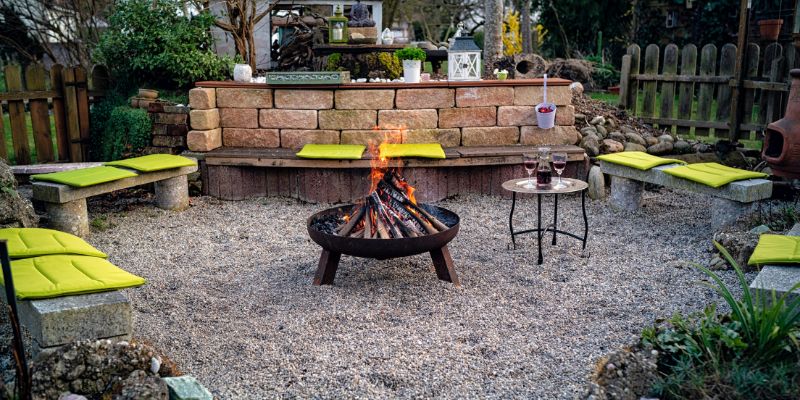
Weather-resistant Adirondack chairs or a sectional bench arrangement around the pit make the biggest difference for how often people actually sit out there. Leave enough room between seating and the pit to meet your clearance requirement comfortably.
Lighting
String lights or solar path lights extend the usable evening well past when the fire itself is the only light source, and they make the space feel finished even before the fire is lit.
Accessories
A cooking grate turns a fire pit into a functional grill for burgers or foil packets, and fire glass or lava rock accessories add color for gas conversions if you ever switch fuel types later.
Why Buy Your Fire Pit at Home Depot
Home Depot’s fire pit selection covers nearly every price point and style in one place, with filters for price, material, and customer rating that make comparison shopping fast. Free shipping thresholds and buy-online-pick-up-in-store options are available on many listings, and in-store staff can generally help confirm current local stock before you drive over. Signing up for Home Depot’s email list or app also regularly surfaces first-purchase and seasonal discounts worth checking before you buy.
Conclusion
Home Depot’s wood-burning fire pit selection covers everything from $40 portable bowls to $500+ stacked-stone kits, so the right pick comes down to your space, your budget, and how much upkeep you’re willing to do. Measure your patio, confirm local wood-burning rules before you buy, and check the manufacturer’s clearance requirements when you set it up. If a specific size or style is out of stock locally, the pick above is a solid, well-reviewed alternative that ships with the spark screen and accessories most Home Depot bowls sell separately.
Frequently Asked Questions
What’s the Best Wood-Burning Fire Pit for a Small Patio?
For small patios, a compact 24-inch steel fire pit bowl is the easiest fit – it’s lightweight, simple to move, and doesn’t overwhelm a tight space while still throwing decent heat for two to four people.
Are Smokeless Fire Pits Worth the Extra Cost?
Usually yes if you’re smoke-sensitive or have close neighbors. Double-wall smokeless designs cost more than an open bowl, but the reduction in visible smoke is a real, noticeable difference, not just marketing.
How Do I Keep a Steel Fire Pit From Rusting?
Cover it with a weather-resistant cover between uses, clean out ashes after they’ve cooled, and touch up any scratches with high-heat paint before rust can spread. Storing it under cover or indoors during winter helps too.
Can I Build a Fire Pit Myself Using a Kit?
Yes – a stacking stone or concrete-block kit is a realistic weekend DIY project. Budget most of your time for digging and leveling the gravel base; the block stacking itself goes fast once that’s done.
What Type of Wood Should I Burn?
Stick to seasoned hardwoods like oak or maple – they burn hotter and cleaner with less smoke. Avoid unseasoned or softwoods like pine, which pop more and throw more sparks.
Sponsored / affiliate links. As an Amazon Associate I earn from qualifying purchases. I may earn additional commission from eligible campaigns.