Heat-Treated Ash Wood: Durability, Uses, and Problems
Heat-treated ash is kiln-baked at 180-220°C in low-oxygen conditions, which strips out moisture and pushes the wood to Durability Class 1 rot resistance without any chemical preservative. Skip that step and ash rots outdoors within a few seasons, but the same heat can also make boards up to 30% more brittle. This guide covers what the process does, where it earns its price (decking, siding, sauna slats), and when standard ash or pressure-treated lumber is the smarter buy.
Insert your Affiliate Disclosure reusable block here
What Heat Treatment Actually Does to Ash
Best Sealant Pick for Heat-Treated Ash
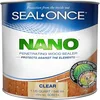
Seal-Once Nano Clear Penetrating Wood Sealer, Quart
A penetrating exterior sealer built for dense, low-porosity treated hardwood — keeps thermally modified ash from graying prematurely.
- Best for: maintaining color on outdoor decking and siding
- Why we picked it: penetrates dense treated wood better than film-forming finishes
- Main drawback: needs reapplication every 12-18 months in full sun
Compare more exterior wood care options
 Option 1 Star Brite Deck & Fence Cleaner, Oxygenated Bleach
|
 Option 2 32oz Pure Tung Oil for Wood, Food Safe
|
 Option 3 Varathane Water Based Wood Stain, Quart
|
As an Amazon Associate we earn from qualifying purchases.
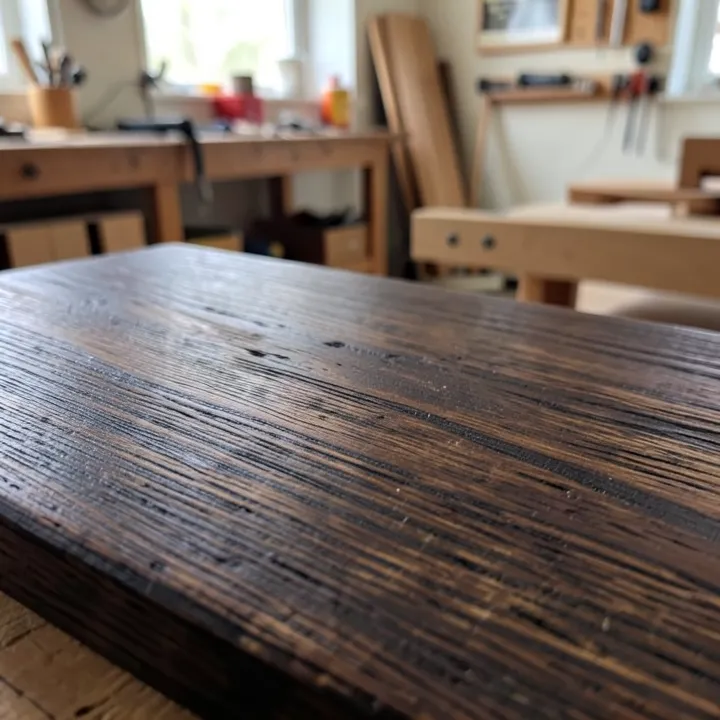
Thermally modified ash is ash wood that has been heated in a sealed kiln to 180-220°C in a low-oxygen (steam or nitrogen) atmosphere for several hours, with no chemicals added at any stage. The heat breaks down hemicellulose, the sugary component fungi feed on, which is why treated ash resists rot even though nothing toxic was applied to it. It only works on kiln-dried lumber — green ash has to be dried first or the boards check and split under the heat.
The process runs in three stages: a slow heat-up to drive off surface moisture, a hold at peak temperature for 2-4 hours depending on board thickness, and a controlled cool-down so internal stresses don’t crack the wood. Higher peak temperatures (above 200°C) give better rot resistance but cost more strength — mills pick the exact temperature based on whether the boards are headed for decking or furniture.
Durability and Decay Resistance
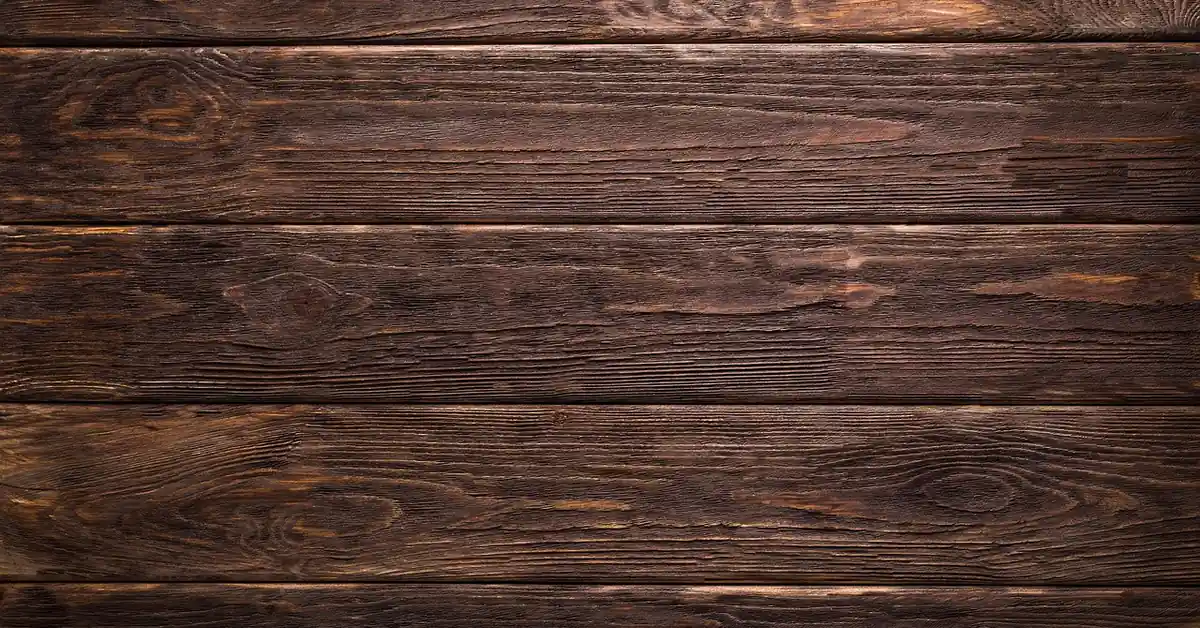
Heat-treated ash rated for outdoor use is classified Durability Class 1 (very durable) under EN 350 testing — the same top-tier rating given to teak and treated at >200°C, ash shows measurably improved resistance to both brown-rot and white-rot fungi, plus reduced attraction for wood-boring insects, because there’s no longer enough digestible sugar left in the cell walls to feed on.
Dimensional stability improves too: thermal modification lowers the wood’s equilibrium moisture content, so treated ash swells and shrinks less across seasons than untreated ash. That’s the main reason it holds tighter joints and flatter boards outdoors than raw ash ever will.
The Real Downside: Brittleness and Material Loss
Most lumber-yard blog posts about thermally modified wood lead with the benefits and bury this part: the same heat that kills off decay-feeding sugars also breaks down some of the wood’s structural fibers, making treated ash more brittle and more prone to surface checking than the untreated board it came from. It’s a real tradeoff, not a manufacturing defect.
- Reduced bending strength: treated boards flex and hold weight less predictably than untreated ash, which is why you won’t see thermally modified ash used for tool handles, ladder rails, or anything load-bearing that also needs shock resistance.
- Material loss during milling: up to 30% of the original board can be lost to defect-cutting after treatment, since surface checks and small splits have to be trimmed away before the boards are sold as decking or siding grade.
- Inconsistent results across batches: because the process is temperature- and time-sensitive, two boards from the same log can come out with noticeably different color and brittleness if the kiln run wasn’t perfectly even.
None of this rules the wood out — it just means heat-treated ash belongs in applications where rot resistance matters more than shock resistance: decking, siding, and sauna interiors, not axe handles or baseball bats.
Best Uses for Heat-Treated Ash
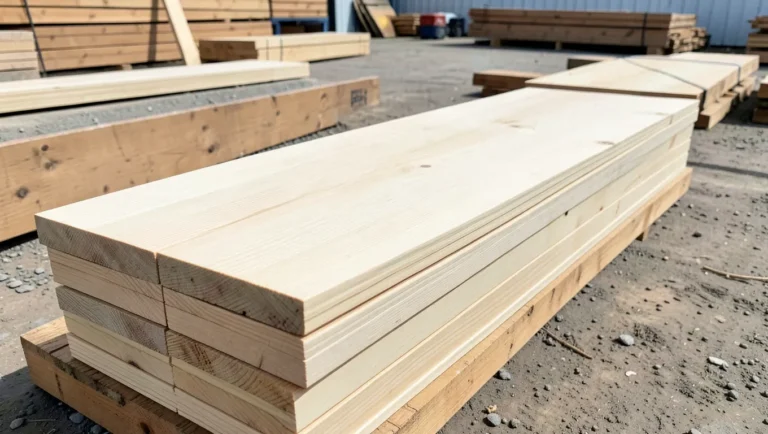
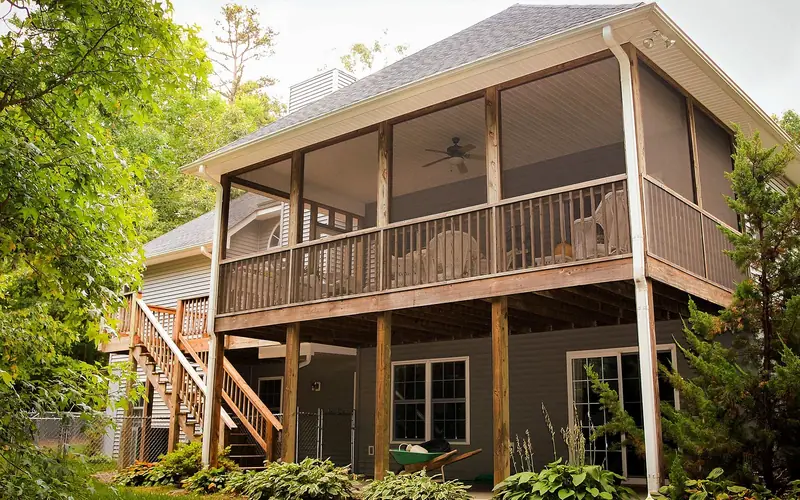
Decking and outdoor structures are where heat-treated ash earns its cost. The Durability Class 1 rating means it holds up outdoors without a chemical preservative, and the reduced moisture uptake keeps boards flatter than untreated ash under sun and rain. If you’re comparing options specifically for a deck build, our thermo ash decking breakdown covers installation, spacing, and real cost-per-square-foot numbers this article doesn’t.
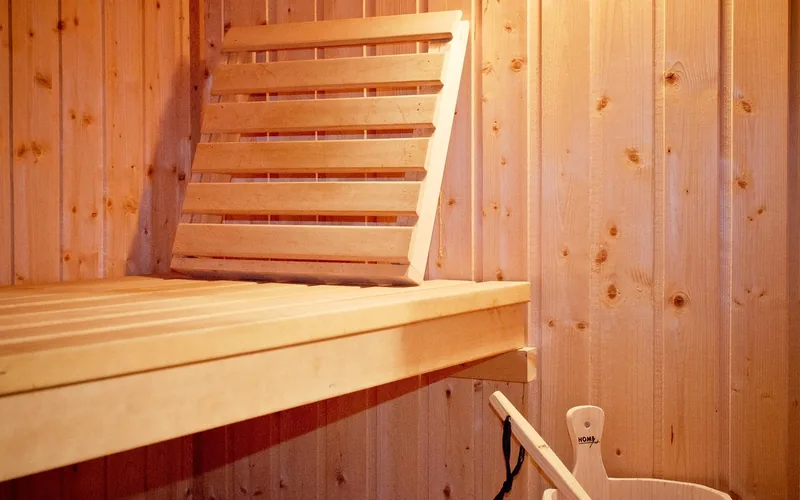
Saunas and bathrooms are the other place this wood genuinely outperforms untreated hardwood. Heat treatment lowers the wood’s thermal conductivity, so treated ash slats stay cooler to the touch on a hot sauna bench than untreated wood at the same temperature, and the low moisture content means it won’t cup or swell in a room that’s constantly humid.
Furniture and flooring can use heat-treated ash too, mainly for the color and stability rather than the rot resistance — indoor pieces don’t need Durability Class 1, but they do benefit from a board that won’t warp with seasonal humidity changes and doesn’t need staining to get a rich brown tone.
Heat-Treated Ash vs. Standard Kiln-Dried Ash vs. Pressure-Treated Wood
| Property | Heat-Treated Ash | Standard Kiln-Dried Ash | Pressure-Treated Softwood |
|---|---|---|---|
| Rot resistance (outdoor) | Durability Class 1 (very durable) | Low — not decay-resistant | High, via chemical preservative |
| Chemicals used | None | None | Copper-based preservative (ACQ/MCA) |
| Bending strength | Reduced, more brittle | Full strength | Full strength |
| Best for | Decking, siding, sauna slats | Indoor furniture, flooring, tool handles | Framing, ground-contact posts, joists |
Care and Maintenance
- Clean with mild soap and water and a soft brush — skip pressure washers, which can raise the grain on the softened surface fibers.
- Reseal exterior boards every 12-18 months with a penetrating oil; heat-treated wood’s low porosity means film-forming finishes tend to peel rather than wear evenly.
- Keep fasteners stainless steel or coated — the wood itself has no chemical preservative to react with metal, but standard decking screws still corrode outdoors over time.
- Inspect for surface checking each season; small checks are cosmetic, but wide splits at fastener points should be addressed before they spread.
Frequently Asked Questions
What is thermally modified ash?
Thermally modified ash is ash lumber heated to 180-220°C in a low-oxygen kiln with no chemicals added. The heat breaks down the wood’s decay-feeding sugars, giving it Durability Class 1 rot resistance and a darker, more stable board. Note this is different from wood ash, the powdery residue left after burning wood — a common mix-up in older articles on this topic.
What are the problems with thermally modified wood?
The main issues are reduced bending strength and increased brittleness, since the same heat that stops decay also breaks down some structural fibers. Expect more surface checking than untreated wood, up to 30% material loss during milling, and noticeably higher cost than standard kiln-dried lumber.
What is ash wood good for?
Untreated ash is prized for its strength, shock resistance, and straight, light-colored grain — it’s the standard wood for tool handles, baseball bats, and sports equipment, and it’s also popular in Scandinavian-style furniture and flooring. Heat treatment trades away some of that shock resistance in exchange for outdoor rot resistance.
Can you use heat-treated ash outdoors without sealing it?
Yes, the Durability Class 1 rating means it resists rot on its own, but the wood will gray from UV exposure within a season or two if left unsealed. A penetrating exterior oil maintains the brown color; it isn’t required for structural durability, only appearance.
Is heat-treated ash the same as pressure-treated wood?
No. Pressure-treated wood gets its rot resistance from a chemical preservative (typically a copper-based compound) forced into the cells under pressure. Heat-treated ash gets its rot resistance from thermal modification alone, with no chemicals, but at the cost of reduced strength that pressure-treated softwood doesn’t have.
Conclusion
Heat-treated ash earns its higher price where rot resistance matters more than raw strength — decking, siding, and sauna interiors are its best fit. For load-bearing or shock-prone uses, standard kiln-dried ash or pressure-treated softwood remains the better choice. If you’re specifically weighing it for a deck build, see our thermo ash decking guide for installation and cost detail.
Sponsored / affiliate links. As an Amazon Associate I earn from qualifying purchases. I may earn additional commission from eligible campaigns.