Water-Resistant Wood Types: Teak, Ipe, Cedar, and White Oak
Teak, black locust, and white oak resist water naturally through oils, tannins, and tight grain density — no sealant required, though old-growth teak and young plantation teak fall into different USDA decay-resistance classes. Using the wrong species outdoors means replacing a deck or bench in 5–10 years instead of 40. This guide ranks 8 naturally water-resistant species by USDA decay class, price tier, and best use, and separates natural resistance from wood that’s simply been sealed or pressure-treated.
Quick Answer
Teak, ipe, black locust, and white oak rank highest for natural water resistance per the USDA Forest Products Laboratory. Cedar, cypress, and redwood are more affordable and widely available but generally last 15–25 years outdoors versus 40–50+ for the top tier. None of these woods are 100% waterproof — “water-resistant” means slow to absorb and rot, not impermeable.
Which Woods Are Naturally Water-Resistant? (USDA Ranking)
Best Wood Sealer Pick
Minwax Helmsman Indoor/Outdoor Spar Urethane
UV-blocking spar urethane that works on any of the species above, natural resistance or not.
- Best for: decks, outdoor furniture, and any species needing UV + moisture protection
- Why we picked it: flexible film resists the cracking that rigid interior finishes develop outdoors
- Main drawback: needs reapplication every 1–2 years in full-sun exposure
Compare more wood sealer options
 Option 1 Thompson’s WaterSeal Multi-Surface Waterproofer
|
 Option 2 Watco Teak Oil Wood Finish
|
 Option 3 TotalBoat Gleam Marine Spar Varnish
|
As an Amazon Associate we earn from qualifying purchases.
The USDA Forest Products Laboratory’s Wood Handbook (General Technical Report FPL-GTR-113) classifies heartwood decay resistance into three tiers: resistant/very resistant, moderately resistant, and slightly/nonresistant. Most “best water-resistant wood” lists skip this classification entirely and just repeat brand names — here’s the actual ranking, with price and use case added.
| Species | USDA Decay Class | Natural Resistance Source | Price Tier | Best For |
|---|---|---|---|---|
| Teak (old-growth) | Resistant – exceptionally high | Natural oils & silica | Premium ($15–30+/sq ft) | Boat decks, outdoor furniture |
| Ipe | Resistant – exceptionally high | Extreme density (~69 lb/ft³) | Premium ($10–25/sq ft) | Decking |
| Black locust | Resistant – exceptionally high | Dense heartwood extractives | Budget ($3–4/board ft) | Fence posts, framing |
| White oak | Resistant/very resistant | Density + tyloses seal the grain | Mid ($4–10+/board ft) | Boat building, barrels |
| Western red cedar | Resistant/very resistant | Natural oils, insect-repelling | Mid ($1.50–3.50/board ft) | Siding, fencing, furniture |
| Redwood (old-growth) | Resistant/very resistant | Tannins | Mid ($2.50–5/board ft) | Decks, fences |
| Cypress (old-growth) | Resistant/very resistant | Cypretine (natural preservative) | Mid | Siding, outdoor beams |
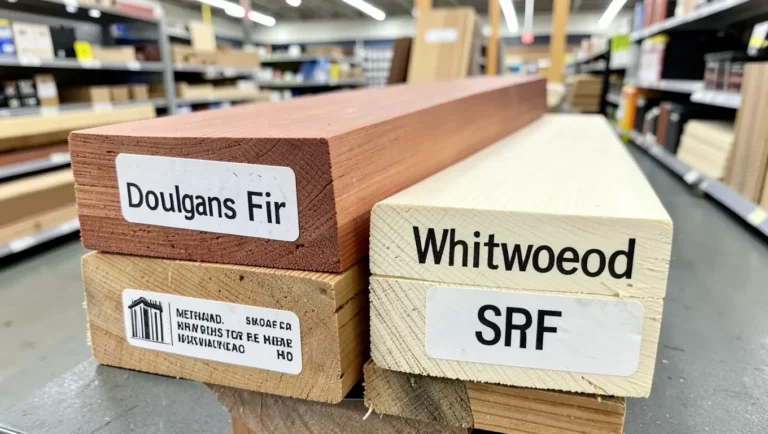
| Douglas fir | Moderately resistant only | Moderate density | Budget | Framing (needs sealing outdoors) |
Source: USDA Forest Products Laboratory, Wood Handbook (FPL-GTR-113); pricing from current hardwood dealer listings, 2026.
Douglas fir is a common framing lumber but only reaches the USDA’s moderately-resistant class — our full breakdown of Douglas fir’s rot resistance covers exactly where it falls short of cedar-level protection and when sealing it is worth the extra step.
Natural Resistance vs. Waterproofed Wood: What’s the Actual Difference?
Naturally water-resistant wood is a species that resists rot and moisture absorption on its own, because of oils, tannins, or density built into the grain — no finish applied. Waterproofed wood is any species, resistant or not, that has had a sealant, oil finish, or pressure-treatment applied to create a moisture barrier. The distinction matters because a sealed pine deck and an unsealed teak deck can look similarly “water-resistant” on day one, but only one of them stays that way once the finish wears off.
Pressure-treated lumber is the clearest example of this mix-up — it’s often marketed as “water-resistant wood,” but the resistance comes entirely from the chemical treatment, not the species (usually a nonresistant pine). See our breakdown of what pressure-treated wood actually protects against for where that distinction matters most.
📊 Old-growth teak reaches the USDA’s highest decay-resistance tier, but young/plantation teak — most of what’s sold today — is classified only as moderately resistant. Most retailers don’t disclose which you’re buying. Source: USDA Forest Products Laboratory, Wood Handbook FPL-GTR-113.
Teak: The Premium Benchmark (With a Catch)
Teak is the species every other wood on this list gets compared to. Its natural oils and silica content repel water and deter insects without any finish, and old-growth teak from mature trees sits in the USDA’s top decay-resistance class alongside ipe and black locust. The catch: FEQ-grade old-growth Burmese teak is barely imported into the US anymore. Most teak sold today is younger plantation-grown stock from Indonesia or Thailand — still genuinely water-resistant, but a step down from the reputation the species carries. For a closer look at where plantation teak’s resistance actually lands versus fully waterproof, see our teak-specific water-resistance breakdown.
Black Locust: The Budget Outperformer
Black locust is a US native hardwood that the USDA rates as exceptionally decay-resistant — the same tier as teak and ipe — at roughly a tenth of the price. At $3–4 per board foot, it’s one of the few species that combines top-tier natural resistance with genuine affordability, which is why it shows up so often in fence posts and outdoor framing rather than furniture (the grain is difficult to work and finish compared to teak or oak).
White Oak: The Boat-Building Standard
White oak’s water resistance comes from two things: density (roughly 47 lb/ft³ dry) and tyloses — structures that plug the wood’s pores and block water from moving through the grain. That pore-blocking is exactly why white oak has been the standard for wooden boat hulls and whiskey barrels for centuries; red oak, by contrast, lacks the same tyloses structure and is not considered water-resistant. Not every water-resistant hardwood behaves the same way once cut — our cherry wood water-resistance guide covers a popular furniture species that looks similar to oak but needs sealing for any outdoor or wet-area use.
Cedar, Cypress & Redwood: The Common Lumber-Yard Options
These three are what most homeowners actually buy, because they’re stocked at regular lumber yards rather than specialty hardwood dealers.
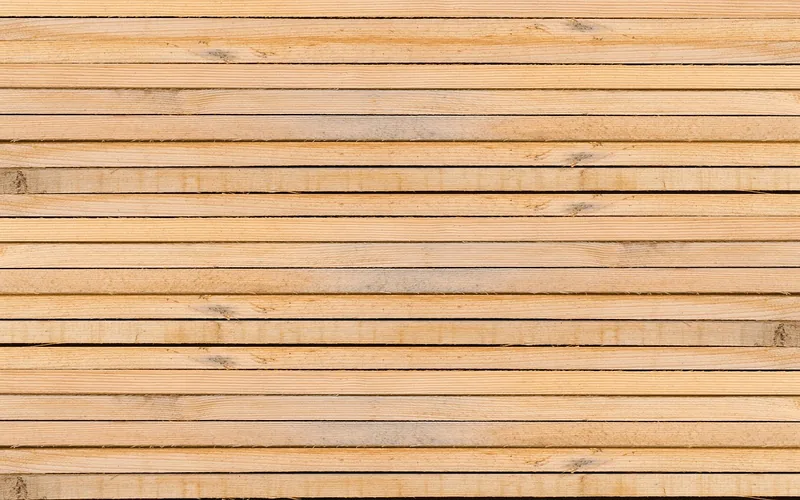
- Western red cedar — natural oils resist rot and repel insects; its distinct aroma is the same oil doing double duty. Typical outdoor lifespan: 15–20 years unsealed.
- Cypress — contains cypretine, a natural preservative compound; old-growth cypress is resistant/very resistant, but young-growth cypress (most of what’s sold now) drops to moderately resistant — the same old-growth/young-growth gap that affects teak.
- Redwood — high tannin content protects against rot and insects; old-growth redwood ranks resistant/very resistant, prized for its reddish color as much as its performance.
Not every wood species belongs on this list for the opposite reason — some common furniture woods absorb water readily and need help. Rubberwood is a good example: see why rubberwood needs sealing before any water exposure if you’re comparing it against the species above.
Best Uses for Naturally Water-Resistant Wood
- Decking: ipe, teak, and cedar handle direct weather exposure and foot traffic without a required finish.
- Outdoor furniture: teak and cedar resist warping through seasonal humidity swings.
- Siding and cladding: cedar and cypress shed rain while allowing the wall assembly to breathe.
- Boat building and docks: white oak and old-growth teak are the traditional choices for constant water contact.
- Fence posts and ground contact: black locust outperforms most other untreated species below grade.
These picks are all about direct outdoor water exposure — decks, docks, and siding. Choosing wood for an indoor high-humidity room instead, like a bathroom or basement? See our separate guide to the best wood for high-moisture areas, which covers species and sealing picks by room.
How to Maintain Water Resistance Over Time
Natural resistance slows down rot and moisture absorption — it doesn’t stop UV graying, surface checking, or eventual water penetration once the wood ages. A sealant or oil finish extends the working life of any of these species, natural resistance or not.
“In 12+ years building outdoor furniture, I’ve found off-the-shelf teak oil looks great for a season but fades fast outdoors — a marine-grade spar urethane holds up far longer on any of these species, natural resistance or not, because it blocks UV as well as moisture.”
- Clean the surface: remove dirt and mildew with a soft brush and mild wood cleaner before any finish goes on.
- Let it dry fully: at least 48 hours in dry weather — trapped moisture under a sealant causes peeling.
- Apply a UV-blocking sealant: spar urethane or marine varnish protects better outdoors than interior-rated finishes.
- Reapply on a schedule: every 1–2 years for high-exposure surfaces like decks and railings.
What to Consider Before You Buy
- Budget: black locust and cedar deliver strong resistance far below teak or ipe prices.
- Climate: humid, coastal, or high-rain regions justify paying for the top USDA tier; drier climates get more life out of mid-tier species.
- Availability: old-growth teak, cypress, and redwood are increasingly scarce — confirm you’re buying old-growth vs. plantation stock if the resistance class matters for the project.
- Project type: ground-contact and constant-water-exposure projects (posts, docks) need the top resistance tier regardless of budget; above-grade furniture has more flexibility.
Frequently Asked Questions
What types of wood are naturally water-resistant?
Teak, ipe, black locust, white oak, cedar, cypress, and redwood are the most common naturally water-resistant species, per the USDA Forest Products Laboratory’s decay-resistance classifications. Teak, ipe, and black locust rank in the top “exceptionally resistant” tier; cedar, cypress, redwood, and white oak fall into the resistant/very resistant tier just below.
Is any wood 100% waterproof?
No. Even the most water-resistant species will absorb moisture and eventually break down given enough time and exposure — “water-resistant” means the process is dramatically slower, not stopped. Marine-grade epoxy coatings get closest to true waterproofing, but even those require maintenance over years of water contact.
Is teak really the best water-resistant wood?
Old-growth teak is, ranking in the USDA’s highest decay-resistance class. But most teak sold today is younger plantation-grown stock, which the USDA classifies only as moderately resistant — still good, but not the “best wood on earth” reputation the species carries. Ask suppliers whether you’re buying old-growth or plantation teak before paying premium prices.
Can water-resistant wood still be sealed or stained?
Yes. Sealing a naturally water-resistant species like teak or cedar doesn’t fight its natural oils — it adds UV protection the wood’s own chemistry doesn’t provide, which is why unsealed teak grays in sunlight even though it isn’t rotting. Use exterior-grade spar urethane, marine varnish, or a species-matched oil finish rather than interior products.
Is marine-grade plywood water-resistant?
Marine-grade plywood is more water-resistant than standard plywood because it uses waterproof adhesive and has no internal voids for water to pool in, but the wood plies themselves (usually Douglas fir or a similar softwood) aren’t naturally decay-resistant species — the performance comes from the glue and construction, not the wood itself.
Naturally water-resistant wood buys you time, not immunity — teak, black locust, and white oak resist rot on their own, but a UV-blocking sealant is still what keeps any outdoor project looking and performing well past the 10-year mark. Match the species to your budget and climate from the ranking table above, and check our full wood species library for species not covered here.
Sponsored / affiliate links. As an Amazon Associate I earn from qualifying purchases. I may earn additional commission from eligible campaigns.