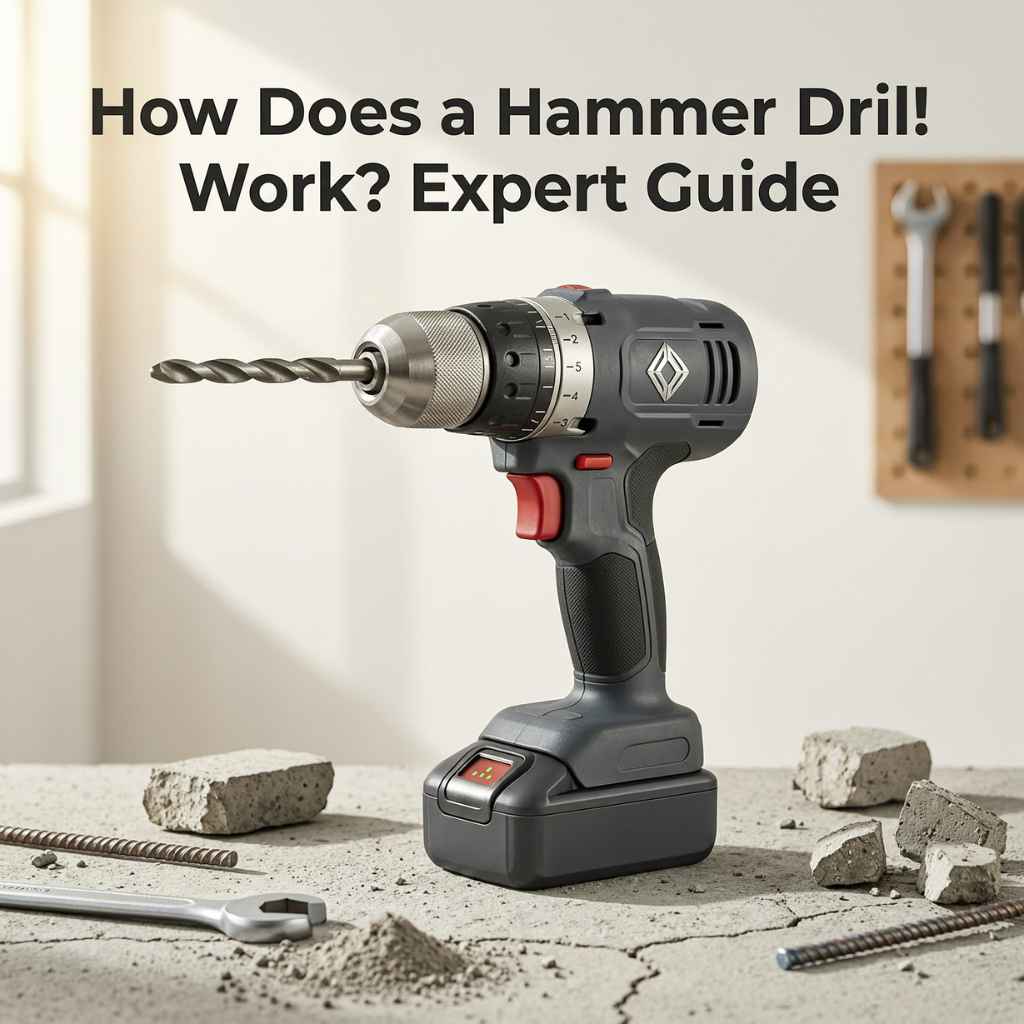
How a Hammer Drill Works? Expert Power Tool Guide
Ever wondered about that extra power when drilling into tough walls? Understanding how a hammer drill works can seem a bit tricky at first, especially if you’re new to power tools. Many people find the idea of a tool that both spins and hammers a little confusing.
But don’t worry, it’s simpler than you might think! We’re going to break down exactly how a hammer drill works? Expert power tool guide so you can use yours with confidence.
Get ready for easy steps that will make sense.
Understanding Hammer Drill Mechanics
This section will explore the core principles behind how a hammer drill operates. We will look at its main parts and how they work together to create both rotation and a percussive action. This knowledge is fundamental to appreciating the tool’s effectiveness.
We aim to demystify the inner workings, making it easy for anyone to grasp the concept.
Key Components of a Hammer Drill
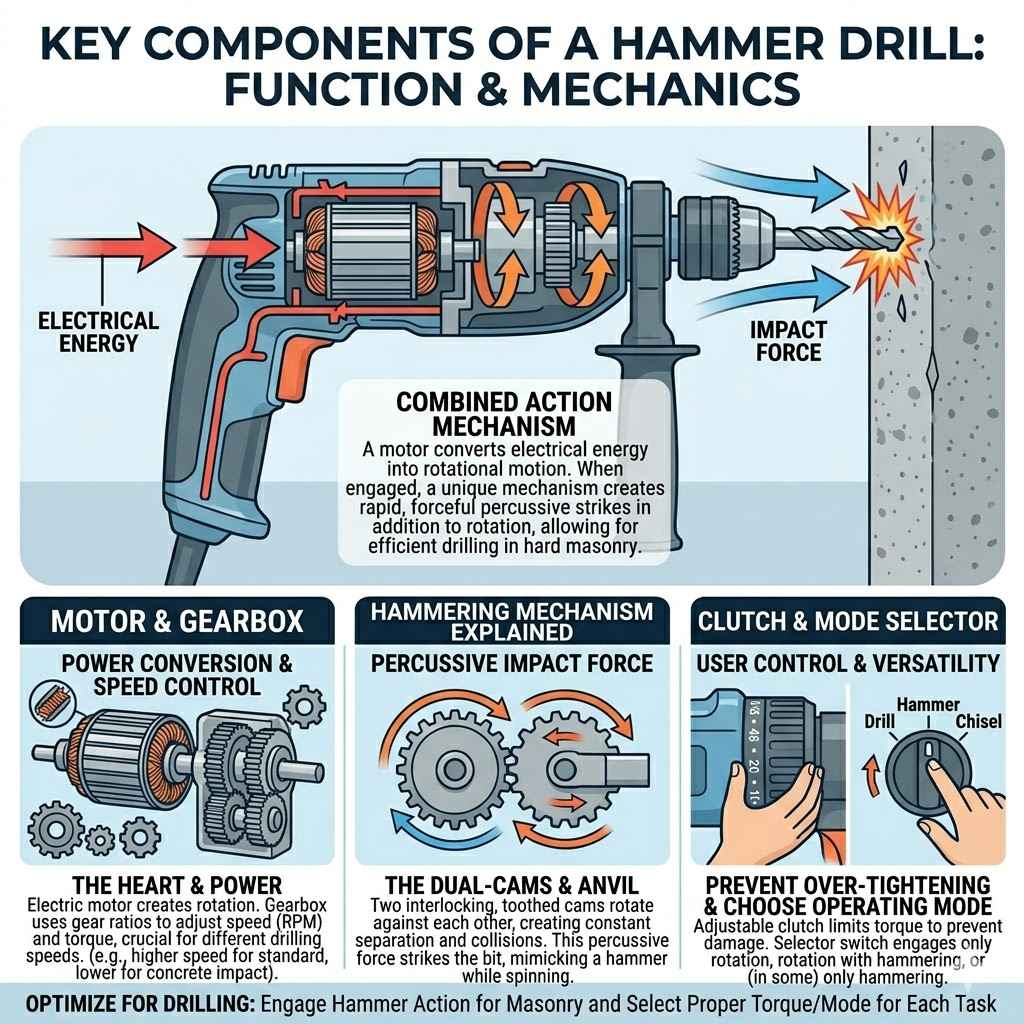
A hammer drill has several important parts that enable its unique function. The motor provides the power, spinning the drill bit. A clutch system adjusts torque, preventing over-tightening or damage.
The gearbox increases rotational speed or torque as needed for different materials.
The defining feature, however, is the hammer mechanism. This usually involves a series of cams and gears that, when activated, create a rapid hammering motion. This forward-and-backward pounding action, combined with rotation, is what allows the drill to break through hard materials like concrete or masonry.
The Motor and Gearbox
The electric motor is the heart of any power tool, and a hammer drill is no exception. It converts electrical energy into mechanical energy, creating the spinning motion of the drill bit. The power of the motor is typically measured in amperage (for corded tools) or voltage (for cordless tools).
A higher amperage or voltage generally means more power and better performance, especially when drilling into dense materials.
The gearbox is a vital component that works in conjunction with the motor. It uses a set of gears to modify the speed and torque output from the motor. For standard drilling, the gearbox might increase the speed for faster material removal.
When the hammer function is engaged, the gearbox also plays a role in translating the motor’s rotation into the back-and-forth striking action. Different gear ratios allow the drill to be versatile for various tasks.
The Hammering Mechanism Explained
The unique hammering action of a hammer drill comes from a special mechanism, often called a hammer-and-anvil or a cam system. When the hammer function is turned on, usually via a switch on the drill, the internal components engage. Two toothed discs, or cams, are pressed together.
As the motor spins, one disc rotates against the other.
This action causes the discs to slide past each other, but with each rotation, they briefly separate and then slam back together. This repeated, rapid collision creates a percussive force. This force is then transferred to the drill bit, causing it to strike the material like a tiny hammer while it’s simultaneously spinning.
This combination is what makes drilling into concrete or brick so effective.
The Clutch and Mode Selector
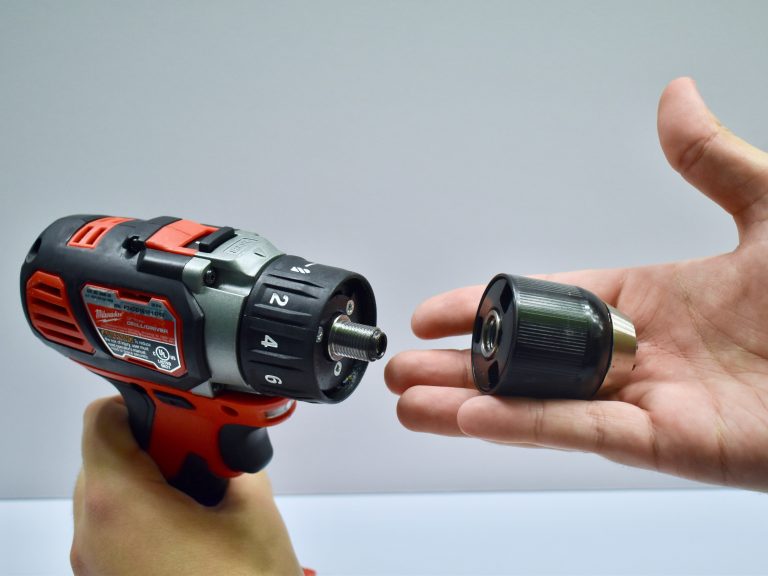
Most hammer drills feature an adjustable clutch. This system helps prevent you from overtightening screws or damaging softer materials by limiting the amount of torque the drill applies. You can set the clutch to a specific numerical setting, and when that torque level is reached, the drill will disengage momentarily.
The mode selector is another crucial part, usually a switch or dial on the top of the drill. It allows you to choose between different operating modes. The most common modes are “drill” (rotation only) and “hammer drill” (rotation with percussive action).
Some advanced models might also include a “chisel” mode, which disables rotation and provides only hammering for demolition tasks.
How Does a Hammer Drill Work? Expert Power Tool Guide To Action
Now, let’s bring it all together to see how a hammer drill works in practice. When you select the hammer drill mode and apply pressure to the trigger, the motor spins. Simultaneously, the internal hammer mechanism begins its percussive action.
As you push the drill bit into the material, the combined forces of rotation and hammering chip away at the surface.
The speed at which the hammer mechanism operates is very high, often thousands of blows per minute. This rapid striking action, coupled with the cutting action of the drill bit, effectively breaks down hard materials like concrete, brick, and stone. This is why a hammer drill is so much more effective than a standard drill for masonry work.
Drilling Into Different Materials
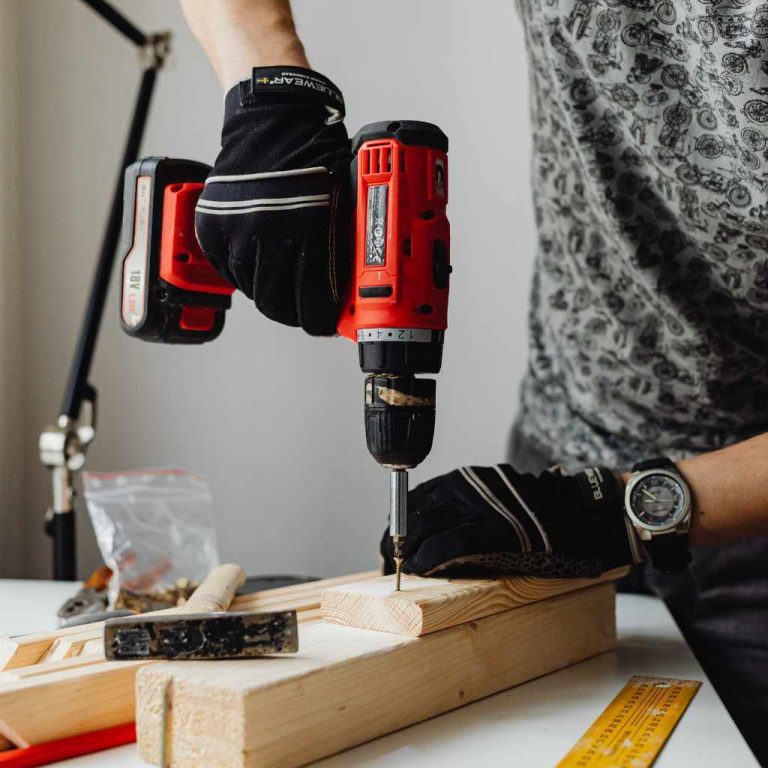
When drilling into wood or metal, you would typically use the “drill” mode. This mode deactivates the hammering mechanism, allowing the bit to spin smoothly for clean cuts. The clutch is important here to prevent stripping screws or over-drilling.
For masonry, the “hammer drill” mode is essential. The hammering action helps to shatter the material in front of the drill bit, allowing the rotating flutes to remove the debris. This process is much faster and more efficient than trying to drill masonry with a standard drill, which would quickly dull the bit and make little progress.
The Importance of Pressure and Speed
Applying the right amount of pressure is key when using a hammer drill in hammer mode. You need enough forward pressure for the hammer action to be effective, but too much can bind the bit or overheat the motor. Let the tool do the work; don’t force it excessively.
Speed control is also important. For starting a hole, a slower speed is often best to prevent the bit from wandering. As you progress, you can increase the speed, depending on the material and the bit you are using.
The drill’s variable speed trigger allows for precise control over both rotation and the intensity of the hammering.
Benefits and Uses of Hammer Drills
Hammer drills offer significant advantages for certain DIY and professional tasks. Their ability to penetrate hard materials quickly makes them indispensable for many projects.
One of the primary benefits is speed. Tasks that would take a very long time with a standard drill become manageable. This efficiency saves time and reduces user fatigue, making them ideal for larger projects.
When to Use a Hammer Drill
You should reach for a hammer drill when you need to create holes in materials like concrete, brick, stone, or block. Common uses include mounting shelves or cabinets on a brick wall, installing anchors for heavy items, or running electrical conduit through masonry.
For woodworking or metalworking, a standard drill mode is sufficient, and the hammer function should be turned off. Using the hammer action on wood or metal can damage the material and the drill bit.
Comparing to Standard Drills
A standard drill only provides rotational force to spin a drill bit. It’s perfect for drilling into wood, metal, and plastic, and for driving screws. A hammer drill, on the other hand, adds the percussive, hammering action.
This makes it significantly more powerful for masonry.
Think of it this way: a standard drill is like a screwdriver for holes. A hammer drill is like a screwdriver that also has a tiny jackhammer attached. This extra capability is what sets it apart for tough jobs.
Choosing the Right Drill Bit
Using the correct drill bit is crucial for efficient and safe operation, especially with a hammer drill. For masonry, you need masonry drill bits, which have a hardened carbide tip designed to withstand the impact and abrasion of hard materials.
For wood or metal, standard twist drill bits or spade bits are appropriate. Always ensure the bit is securely fastened in the chuck. For hammer drilling, bits designed for hammer drills are essential; standard bits will likely break or become damaged quickly.
Tips for Operating a Hammer Drill Safely
Safety is paramount when using any power tool, and hammer drills are no exception. Their increased power means extra precautions are necessary.
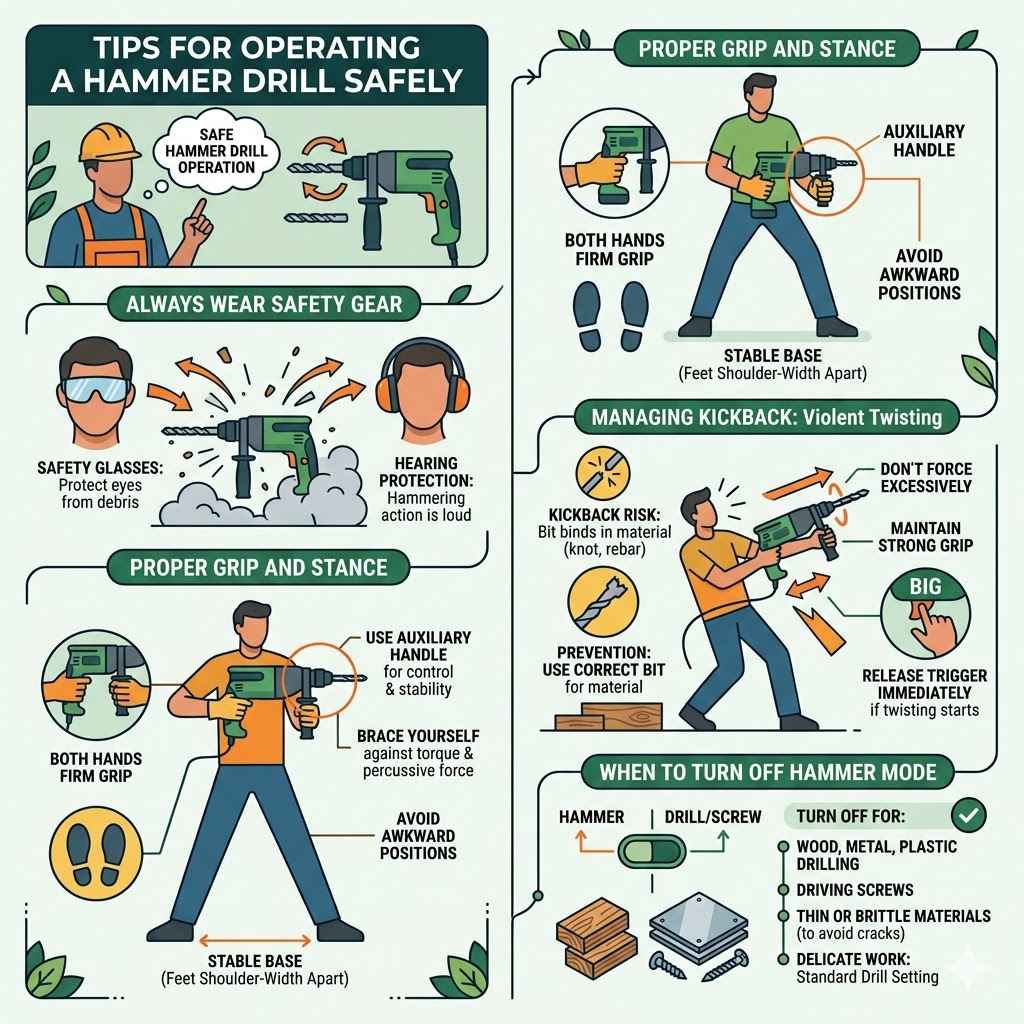
Always wear safety glasses to protect your eyes from flying debris. Hearing protection is also recommended, as the hammering action can be quite loud.
Proper Grip and Stance
When using a hammer drill, especially in hammer mode, it’s important to maintain a firm grip with both hands. Many hammer drills come with an auxiliary handle that attaches to the front; using this significantly improves control and stability.
Stand with your feet shoulder-width apart for a stable base. This helps you brace yourself against the tool’s torque and the percussive force. Avoid awkward or unbalanced positions.
Managing Kickback
Kickback is when the drill bit binds in the material, causing the drill to twist violently in your hands. This can happen if you hit a knot in wood, a piece of rebar in concrete, or if the bit gets stuck.
To prevent kickback, ensure you’re using the correct bit for the material, don’t force the drill excessively, and maintain a strong grip with both hands. If you feel the drill start to twist, release the trigger immediately.
When to Turn Off Hammer Mode
As mentioned, always turn off the hammer mode when drilling into wood, metal, or plastic. You should also turn it off if you are only driving screws. The hammering action is not needed for these tasks and can cause damage.
It’s also a good idea to disengage hammer mode if you’re drilling very thin or brittle materials, as the impact could cause them to crack or break. For delicate work, stick to the standard drill setting.
Frequently Asked Questions
Question: What is the main difference between a drill and a hammer drill?
Answer: A standard drill only spins a drill bit to create holes. A hammer drill adds a percussive, hammering action that makes it much more effective for drilling into hard materials like concrete or brick.
Question: Do I need a hammer drill for all DIY projects?
Answer: No, you only need a hammer drill for projects involving concrete, brick, stone, or block. For wood, metal, or driving screws, a standard drill is sufficient and often preferred.
Question: Can I use a hammer drill to drive screws?
Answer: Yes, you can use a hammer drill to drive screws by setting it to the standard drill mode and using the clutch to control torque. You must turn off the hammer function.
Question: What kind of drill bit should I use for concrete?
Answer: You should use a masonry drill bit specifically designed with a carbide tip. These bits are built to withstand the impact and abrasion of drilling into hard materials.
Question: How do I switch between drill and hammer mode?
Answer: Most hammer drills have a mode selector switch or dial, usually located on the top of the drill body. You can rotate or slide this to choose between drill, hammer drill, or sometimes chisel modes.
Wrap Up
So, that’s how a hammer drill works? Expert power tool guide simplified. It combines rotation with a fast, pounding action to break through tough materials.
By understanding its parts and using the right mode, you can tackle concrete and brick jobs with ease. Always prioritize safety and choose the correct bit for your task.