How Do You Cut MDF Cleanly: Expert Tips & Techniques
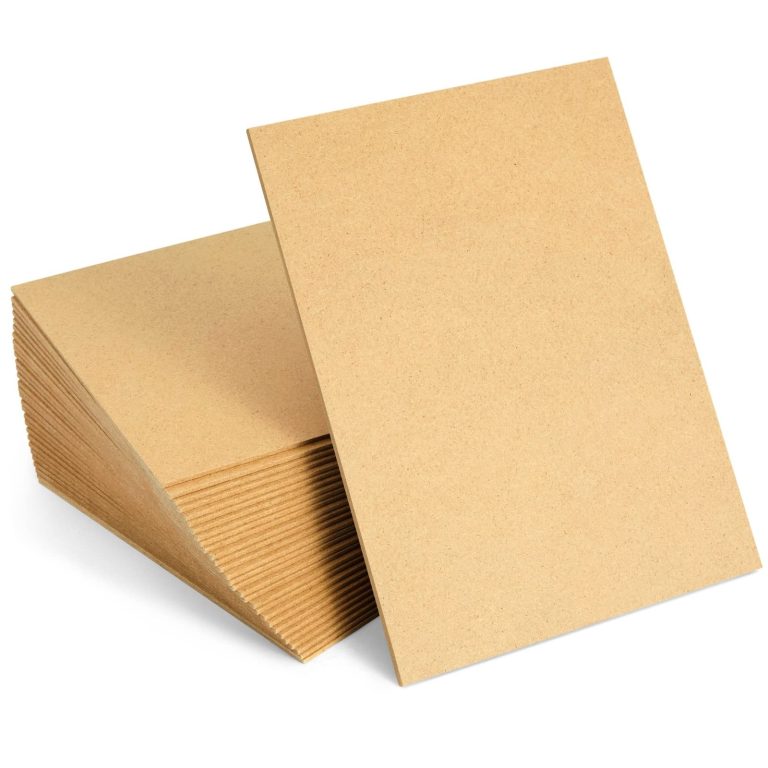
Imagine getting your hands on a piece of MDF (medium-density fiberboard) for your next DIY project. You’re excited, but there’s one crucial step that stands between you and a flawless finish: cutting it cleanly.
MDF is known for its versatility, but it can be tricky to cut without chipping or creating dust clouds. You’re not alone in wanting those crisp, smooth edges that make your work look professional. This guide is here to help you master the art of cutting MDF cleanly.
Discover how simple tweaks in your technique can transform your projects from ordinary to extraordinary. Ready to turn your MDF cutting challenges into triumphs? Let’s dive in and explore the secrets to precision cutting that will leave you proud of your craftsmanship.
Choosing The Right Tools
MDF is easy to cut with the right saw. A circular saw is a good choice. It cuts straight lines well. For curves, use a jigsaw. This saw can make different shapes. A table saw is also useful. It is stable and makes precise cuts. Always check the blade type. A fine-tooth blade is best for MDF. It makes smooth edges.
Safety gear is important. Wear gloves and goggles to protect yourself. Use a dust mask. MDF dust is harmful. A straight edge helps guide the saw. It keeps your cuts straight. Use clamps to hold the MDF in place. This prevents movement while cutting. Remember, the right tools make the job easier.

Credit: www.youtube.com
Preparing The Mdf
Use a pencil to mark the lines. These lines guide your cut. Check the measurements twice. This helps avoid mistakes. A ruler is useful for straight lines. For curves, use a template. Mark all your cut lines clearly. This helps you cut accurately.
Place the MDF on a stable surface. A table is good. Use clamps to hold the board. This stops the board from moving. Clamp each corner tightly. This keeps the board steady. A steady board makes cutting easier.
Cutting Techniques
Cutting MDF cleanly requires the right tools and techniques. Use a sharp blade to minimize dust and achieve smooth edges. Employ steady pressure and a precise guide for accurate cuts.
Straight Cuts
MDF is a popular material for furniture and crafts. Precision is key when cutting straight lines. Use a sharp blade on a circular saw or table saw. Secure the MDF with clamps. This prevents movement during the cut. Mark the cut line with a pencil or marker. This ensures accuracy. Move the saw slowly along the line. This reduces splintering. Wear safety goggles and a mask. MDF dust is harmful. Clean the edges with sandpaper. This gives a smooth finish.
Curved And Intricate Cuts
Curved cuts need different tools. A jigsaw is ideal for curves and designs. Choose a blade meant for MDF. Draw your design on the MDF. Follow the line with the jigsaw. Move slowly for best results. For small details, use a router. It helps with intricate designs. Sand the edges for smoothness. Always wear protective gear. Dust can be dangerous.
Maintaining Blade Sharpness
Choosing the right blade is very important. Blades with more teeth cut cleaner. A carbide-tipped blade works well. It stays sharp longer. Thicker blades can make rough cuts. Thin blades cut smoother. Always check the blade before use. Ensure it is not damaged. A good blade makes cutting easier and cleaner.
Blades become dull over time. Dull blades make rough cuts. Sharpen them regularly. Or replace them when needed. Some blades are hard to sharpen. Professional sharpening may be needed. Always keep a spare blade ready. This saves time during work. Remember, a sharp blade cuts clean and safe.
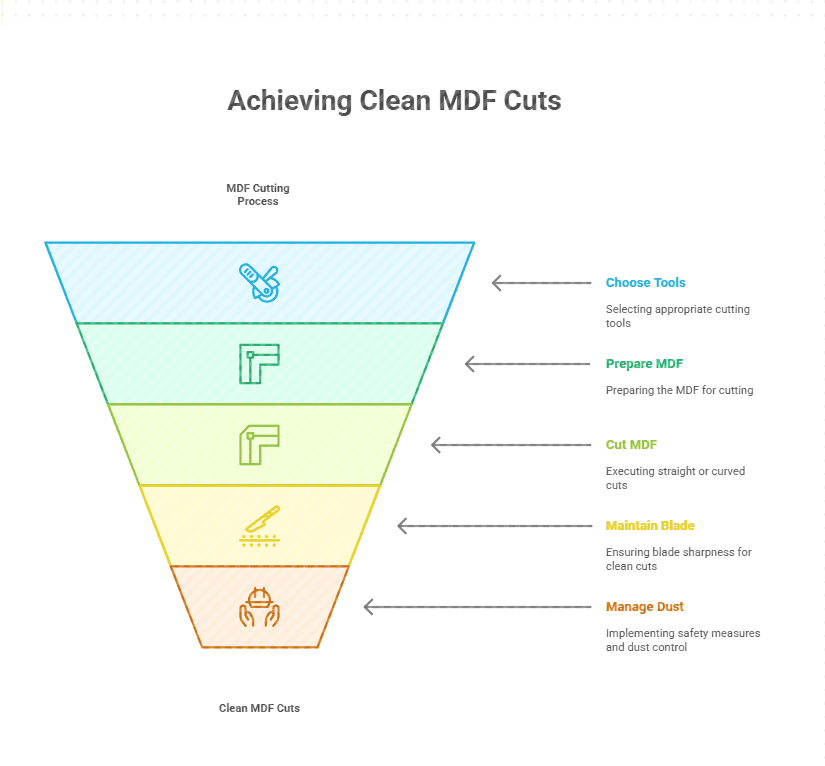
Managing Dust And Safety
Cutting MDF cleanly requires sharp tools and a dust mask for safety. Ensure the workspace is well-ventilated to manage dust. Use a vacuum attachment on power tools to minimize airborne particles and keep your work area tidy.
Dust Collection Systems
MDF makes a lot of dust. Dust can be bad for health. A good dust collection system is important. It helps keep the work area clean. Some systems use vacuums to suck up dust. Others use filters to trap dust particles. Choose a system that suits your needs. Make sure it fits your tools. Regularly clean the system for best results.
Personal Protective Equipment
Safety gear is important when cutting MDF. Goggles protect eyes from dust. Masks keep dust out of lungs. Gloves protect hands from sharp edges. Ear protection guards against loud noises. Wear the right gear for safety. Check gear for damage before use. Replace old gear with new ones. Always stay safe while working.

Credit: www.youtube.com
Finishing The Edges
Sanding makes MDF edges smooth. Use fine-grit sandpaper. This helps remove rough spots. Start gently. Rub the sandpaper back and forth. Feel the surface. Is it smooth? If not, keep sanding. Check often. Stop when edges feel even. Dust off any particles. Clean edges are ready for sealing.
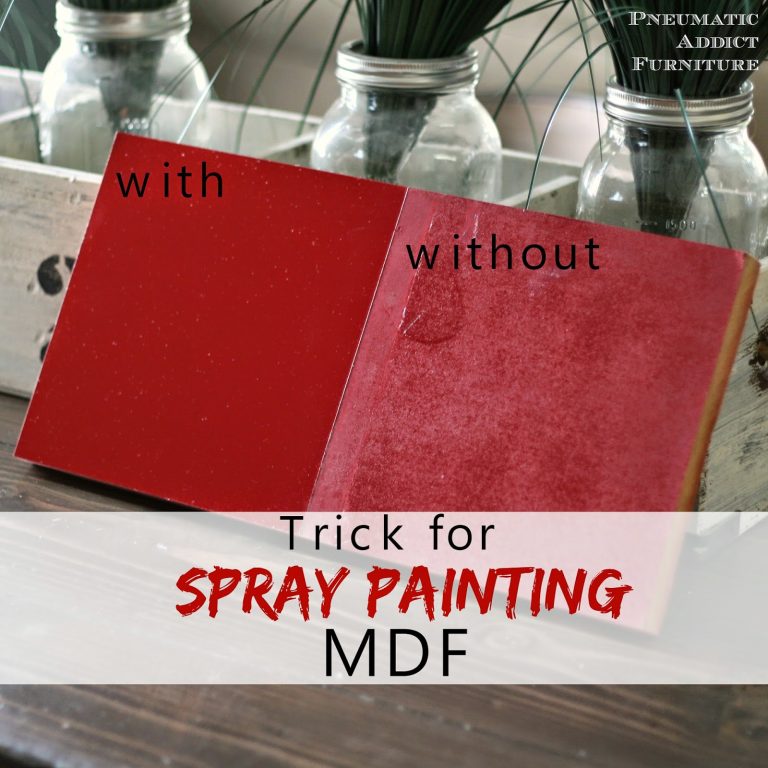
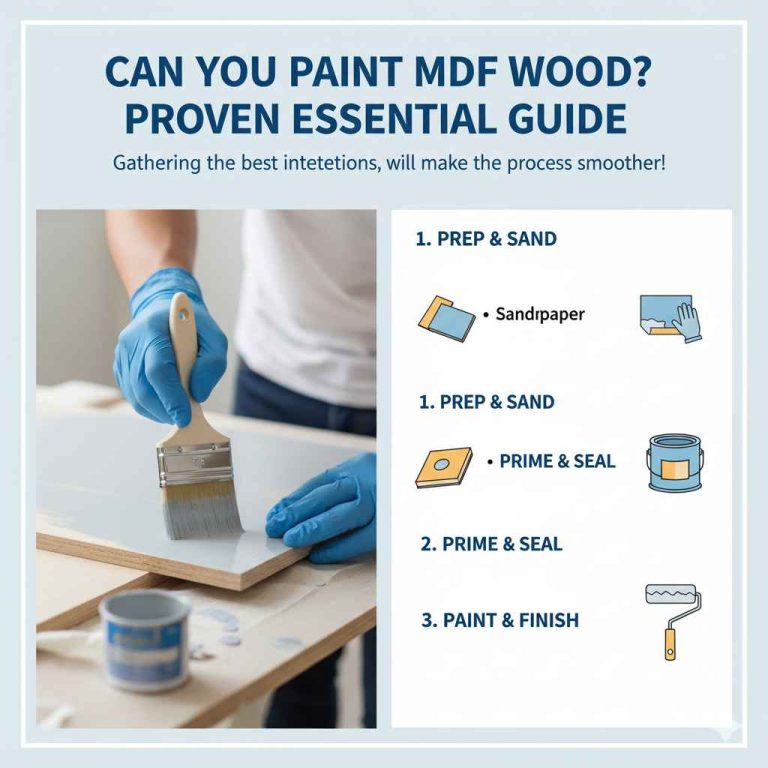
Sealing MDF keeps it safe. Use primer. Brush it on the edges. Let it dry. Paint after sealing. Choose a color. Apply one coat first. Wait for it to dry. Add a second coat. This makes the paint look bright. Sealed edges last longer. They resist damage. Finished edges look neat. Perfect for any project.
Common Mistakes To Avoid
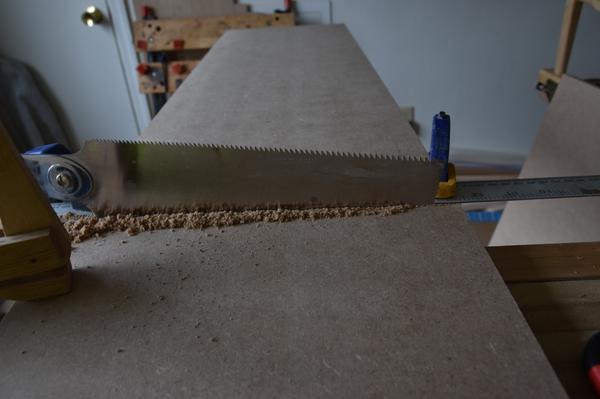
Using the wrong tools can make cutting MDF hard. Always choose tools made for woodworking. This helps you get smooth cuts. Hand saws are not the best choice. They can cause rough edges. Use a power saw for better results. Make sure the saw blade is sharp. Dull blades can damage the MDF. This is important for a clean finish.
Safety is very important. Always wear a dust mask to protect your lungs. MDF dust can be harmful. Wear goggles to shield your eyes. Gloves are also a good idea. They protect your hands from cuts. Keep your workspace clean. This prevents accidents. Always focus on safety first.
Credit: artofmakingthings.com
Frequently Asked Questions
What Is The Best Thing To Cut Mdf With?
Use a carbide-tipped saw blade for cutting MDF. It ensures clean, precise cuts. Avoid using fine-toothed blades, as they may dull quickly. A jigsaw or circular saw with dust extraction is ideal to minimize dust exposure and ensure safety while cutting.
How Do You Precisely Cut Mdf?
To precisely cut MDF, use a sharp carbide-tipped saw blade. Secure the board firmly. Mark your cutting line clearly. Keep a steady hand and maintain a consistent speed. Wear protective gear to ensure safety.
How Do You Cleanly Cut Mdf Board?
Use a sharp carbide-tipped blade for clean MDF cuts. Secure the board tightly. Apply masking tape along the cut line to prevent chipping. Cut slowly and steadily for precision. Ensure proper ventilation to avoid inhaling dust.
How Do You Cut Mdf Without Chipping?
Use a sharp carbide-tipped blade for clean cuts. Apply masking tape along the cut line. Cut slowly and steadily to minimize chipping. Ensure the MDF is securely clamped. Consider scoring the surface first for precision.
Conclusion
Cutting MDF cleanly requires attention and the right tools. Always measure twice for accuracy. Use sharp blades to ensure smooth cuts. Work slowly to maintain control and precision. Sand edges gently for a clean finish. Remember, safety comes first, so wear protective gear.
Practice makes perfect; experiment with techniques. With patience, your MDF projects will look professional. Keep your workspace tidy to avoid mishaps. Cutting MDF can be easy with these tips. Enjoy creating with confidence and skill. Happy crafting!