Should I Use MDF for Baseboards: Expert Insights
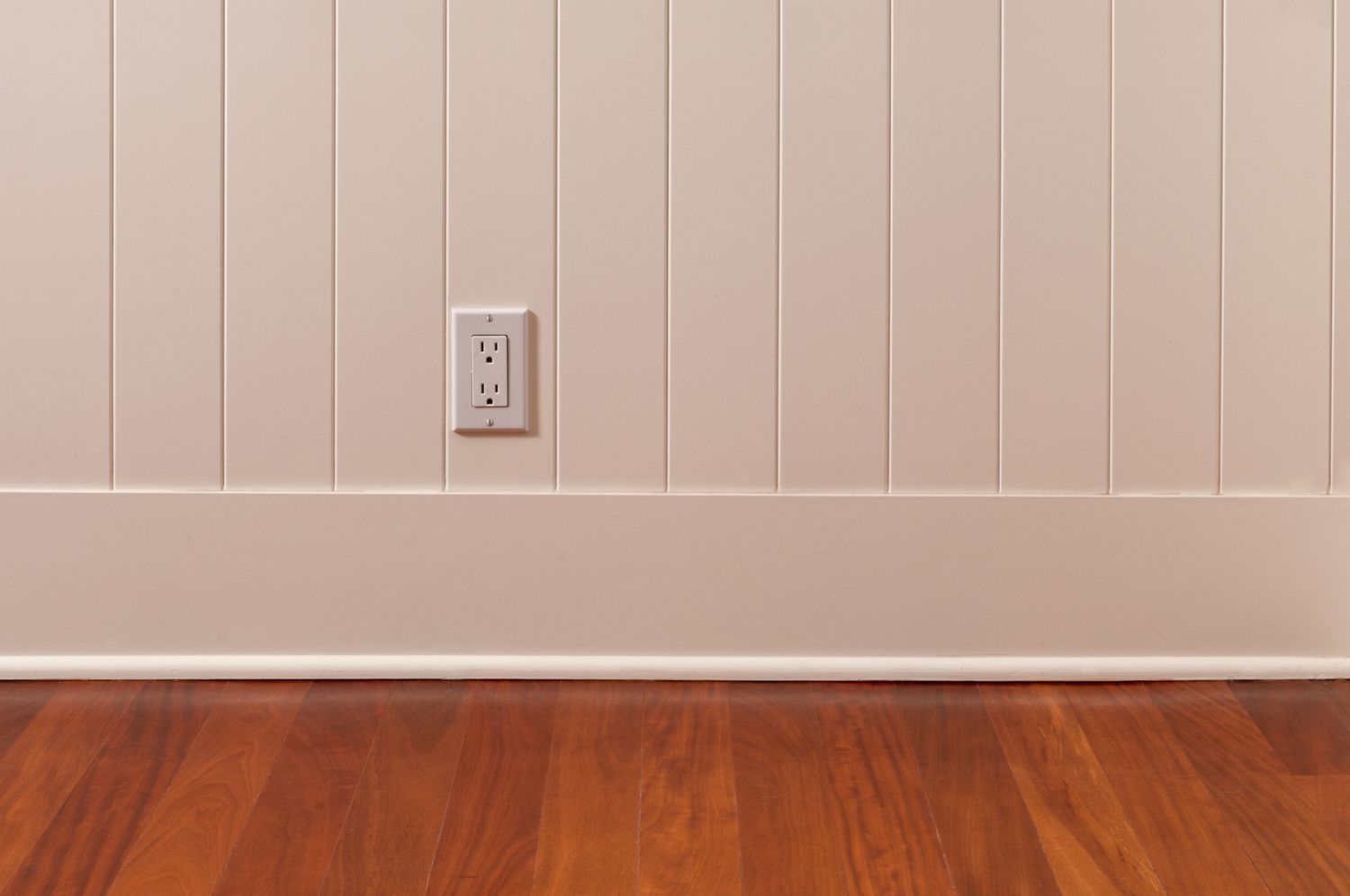
MDF is a good choice for baseboards in dry, low-impact rooms — it’s cheaper than solid wood, paints to a perfectly smooth finish, and won’t warp with seasonal humidity swings. It’s a poor choice anywhere it can get wet, since MDF swells and stays swollen once water gets into the fibers.
That trade-off — smooth and affordable versus moisture-vulnerable — is really the whole decision. This guide breaks down exactly where MDF baseboards make sense, where they don’t, and how they actually compare to solid wood and PVC alternatives.
What MDF Baseboards Are Made Of
Best Caulk for Sealing MDF Baseboard Seams
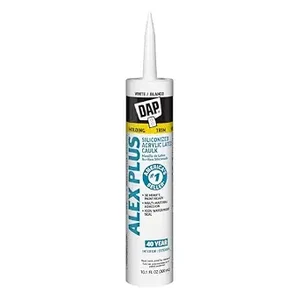 |
DAP Alex Plus Acrylic Latex Caulk Plus Silicone – $2.97 Caulking every seam and the top edge is the single biggest thing you can do to keep moisture out of MDF baseboard, and this is the standard paintable caulk for the job.
|
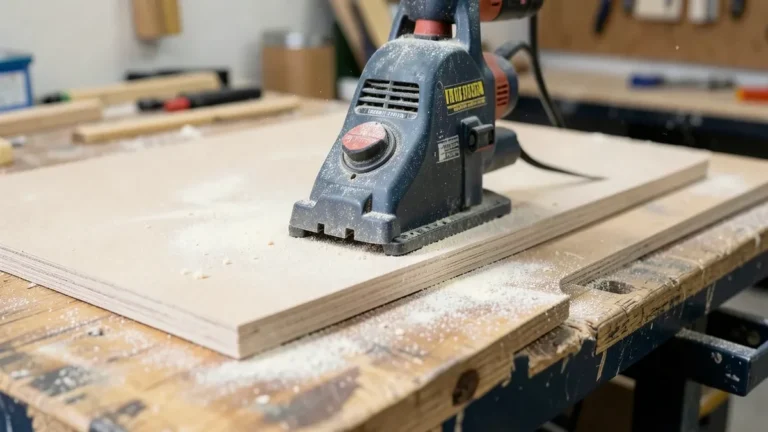
MDF (medium-density fiberboard) is made by breaking wood down into fine fibers, mixing them with resin, and pressing the mixture under heat and pressure into dense, uniform sheets. That manufacturing process is exactly why MDF baseboards look so clean: there’s no grain, no knots, and no natural variation to sand or fill before painting. It’s also why MDF is heavier than an equivalent size of pine baseboard, despite feeling softer when you press into an edge.
That manufacturing process dates back further than most people expect — for the real timeline of how MDF went from a 1966 industrial product to today’s default painted-trim material, see our guide on when MDF became popular.
Where MDF Baseboards Make Sense
MDF earns its popularity in a few specific situations:
- Budget renovations — pre-primed MDF baseboard typically costs 30-50% less than comparable pine or oak trim.
- Painted trim — since MDF has no grain to telegraph through paint, it produces a flatter, more uniform painted finish than most solid woods without extra grain-filling steps.
- Dry, climate-controlled rooms — bedrooms, living rooms, and hallways where humidity stays stable and moisture exposure is unlikely.
- Large runs of trim — MDF’s dimensional consistency (no warping, no natural variation) makes long, straight runs easier to install cleanly.
Where MDF Baseboards Are the Wrong Call
MDF’s weakness is moisture, full stop. Once water gets into the fibers — from a leak, condensation, or standing water during mopping — MDF swells, and that swelling doesn’t reverse the way solid wood can partially recover after drying out. Skip MDF baseboards in:
- Bathrooms and laundry rooms (splashes, humidity, condensation)
- Kitchens near sinks or dishwashers
- Any exterior application — MDF is not weather-rated
- Homes with a history of flooring leaks or a damp basement
MDF also dents more easily than solid wood under a hard impact (a dropped tool, a moved appliance), and because it has no grain to sand out a dent, a deep gouge usually means filling and repainting rather than sanding it flush.
MDF vs. Solid Wood vs. PVC Baseboards
| Material | Cost | Moisture Resistance | Best For |
|---|---|---|---|
| MDF | $ | Poor | Painted trim in dry rooms |
| Solid Wood (pine/oak) | $$$ | Fair to Good | Stained or natural-look trim, higher-traffic areas |
| PVC/Composite | $$ | Excellent | Bathrooms, kitchens, basements |
Installing and Finishing MDF Baseboards Correctly
A few installation details matter more with MDF than with solid wood:
- Pre-drill nail holes near the ends of each board — MDF is prone to cracking if you nail too close to an edge without a pilot hole.
- Caulk every seam and the top edge where the baseboard meets the wall, using a paintable acrylic-latex caulk. This is the single most effective way to keep moisture and dust out of MDF’s exposed fiber edges.
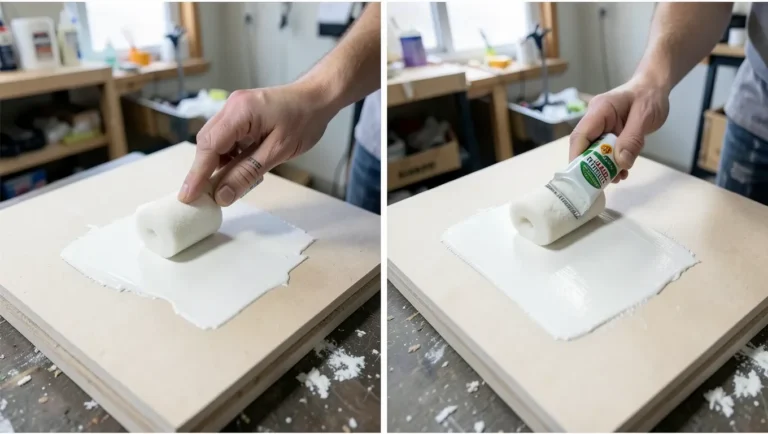
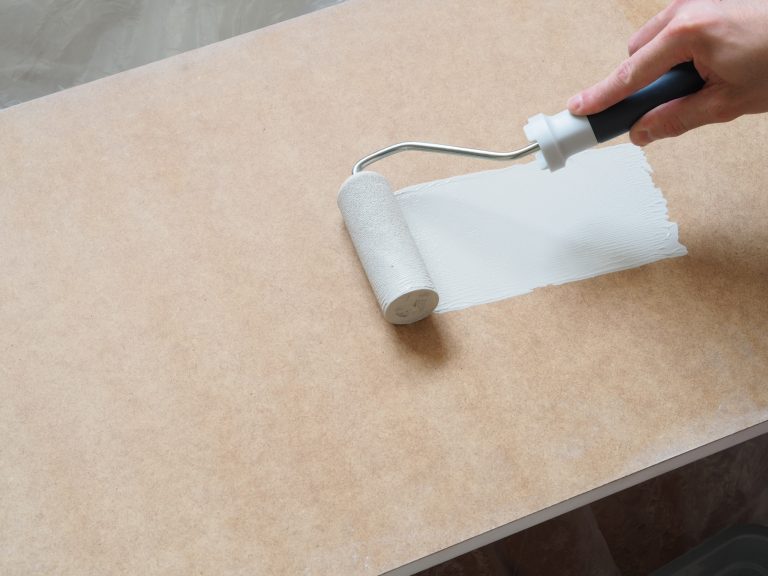
- Prime cut ends before installation — factory MDF trim usually arrives primed on the face and top edge but raw on the cut ends, which are the most absorbent part of the board.
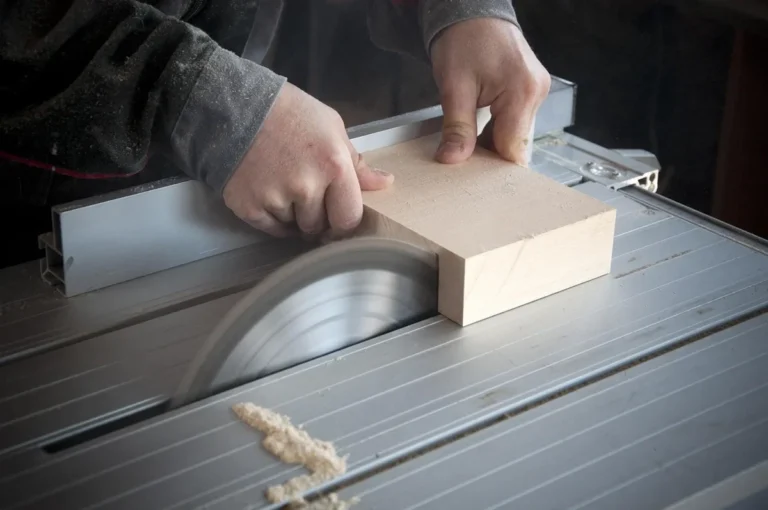
- Wear a dust mask when cutting — MDF dust is extremely fine and contains the resin binder, which is worth avoiding breathing in.
Frequently Asked Questions
Is MDF a Good Material for Baseboards?
Yes, in dry, low-impact rooms. MDF is affordable, paints to a very smooth finish, and won’t warp with normal indoor humidity. It’s a poor choice anywhere it can get wet.
What Are the Disadvantages of MDF Baseboards?
MDF swells permanently when it gets wet, dents more easily than solid wood, and can crack if nailed too close to an edge without a pilot hole. It also needs full priming and caulking at seams to hold up long-term.
Where Should You Not Use MDF Trim?
Avoid MDF trim in bathrooms, laundry rooms, near kitchen sinks, and any exterior application. Moisture exposure causes MDF to swell in a way that doesn’t fully reverse once it dries.
What Type of Wood Is Best for Baseboards?
MDF is the most budget-friendly option for painted trim in dry rooms. Pine offers a good balance of cost and durability for either paint or stain. Oak or other hardwoods cost more but hold up best in higher-traffic areas or where a natural wood look is wanted.
Conclusion
MDF baseboards are a smart, budget-friendly choice for painted trim in bedrooms, living rooms, and hallways — anywhere moisture isn’t a regular concern. Keep them out of bathrooms, kitchens, and anywhere near standing water, caulk every seam, and prime the cut ends, and MDF trim will hold up well for years.
Sponsored / affiliate links. As an Amazon Associate I earn from qualifying purchases. I may earn additional commission from eligible campaigns.