Can MDF Be Routed? Yes — Best Bits, RPM & Feed Rate Tips
MDF routs cleanly and predictably because it has no grain direction fighting the bit, but only with a sharp carbide bit, a moderate feed rate, and real dust collection — push a dull bit too fast and the edge fuzzes out instead of cutting clean. Skip those three basics and you’ll spend more time sanding out chip-out than the cut took. This guide covers the right RPM and bit type, a step-by-step routing process, and how to seal the fuzzy edge before paint or primer.
Quick Answer
Yes, MDF routs cleanly with a sharp carbide or downcut spiral bit run around 14,000-22,000 RPM at a steady, moderate feed rate. Wear a dust mask and use dust collection, since MDF produces very fine, resin-laden dust. Seal the routed edge with sanding sealer or primer before painting so it doesn’t fuzz.
What Is MDF?
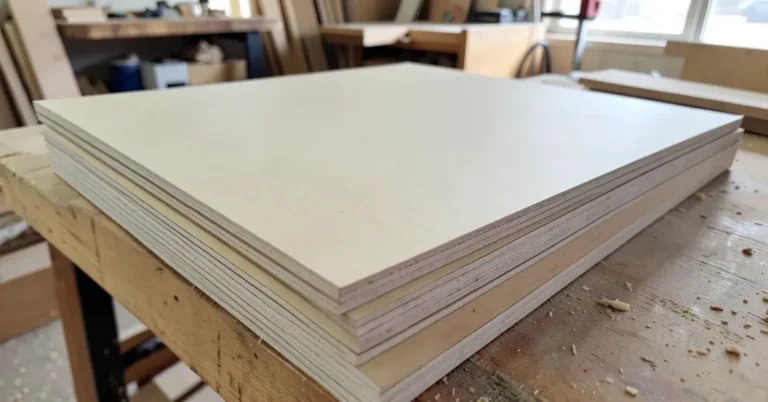
MDF (Medium-Density Fiberboard) is an engineered wood panel made by breaking down softwood and hardwood fibers, mixing them with wax and resin, then heat-pressing the mix into dense, uniform sheets. Unlike plywood or solid lumber, MDF has no grain direction and no knots, which is exactly what makes it route so predictably. For a full breakdown of composition, grades, and thickness options, see our complete guide to what MDF wood is.
Is MDF Good for Routing?
Yes — MDF is one of the more forgiving materials to rout precisely because it’s uniform all the way through. There’s no grain to tear out against, no knots to deflect the bit, and no plies to blow out like plywood can. The tradeoff is density: MDF is heavier and more abrasive on a bit’s cutting edge than most solid woods, and it’s not as strong under stress as hardwood, so thin routed profiles near a panel edge can chip if the board isn’t fully supported on the router base.
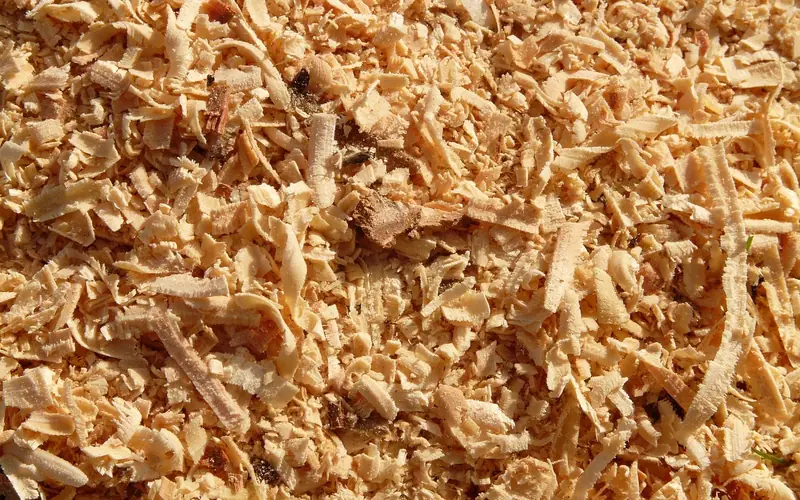
The other tradeoff is dust. MDF produces an extremely fine, resin-laden dust when routed — finer than sawdust from solid wood — so route it with a shop vac attached to the router’s dust port whenever possible, and always wear a proper dust mask, not just a bandana.
Router Bits and Speed Settings for MDF
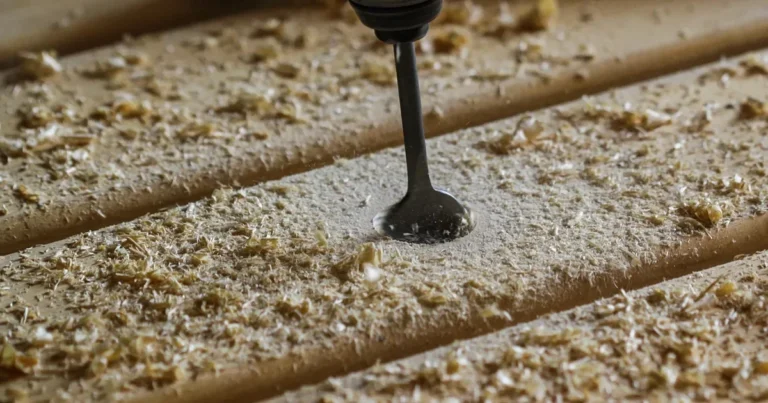
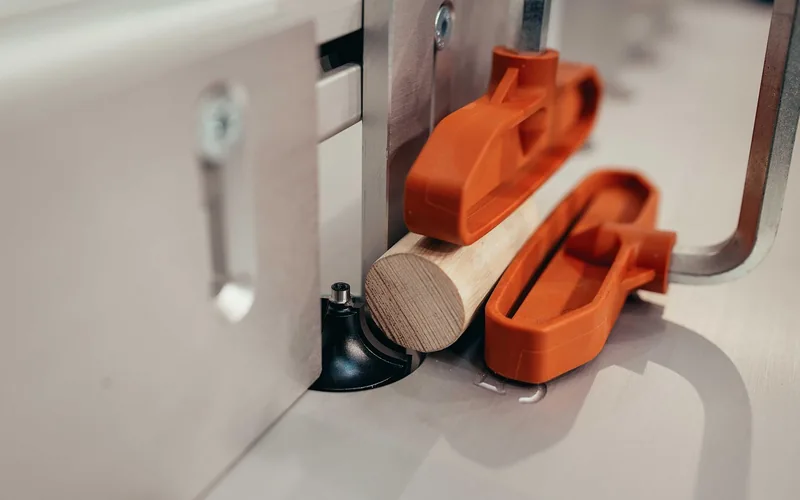
Bit choice matters more on MDF than on solid wood. A sharp carbide-tipped or solid-carbide bit is the baseline requirement — MDF’s resin binder dulls plain high-speed-steel bits within a few feet of cutting, and once a bit is dull, MDF stops cutting clean and starts tearing. For edge profiles specifically, a downcut spiral bit reduces top-face tearout compared to a standard upcut bit, since it pulls chips down and away from the visible face instead of pulling fibers up and out.
Speed and feed rate work together. Most handheld routers should run small-diameter MDF bits (up to about 1/2 inch) near the top of their speed range, commonly 14,000 to 22,000 RPM depending on the specific bit and router — slow down for bits over an inch in diameter, since larger-diameter bits move faster at the cutting edge for the same RPM. Feed rate should stay steady and moderate: feeding too slowly lets the bit rub and burn the edge, while feeding too fast overloads the bit and causes chipping. If you’re getting chip-out, the fix is usually to slow the feed rate slightly or switch to a downcut bit, not to slow the router down.
📊 MDF router bit speeds commonly range from 14,000 to 22,000 RPM depending on bit diameter, and downcut spiral bits measurably reduce top-face tearout compared to upcut bits. – Source: Freud Tools, router bit feed and speed reference
|
Best MDF Router Bit Set Pick |
|
 |
BOSCH RBS015MBS 15-Piece Carbide-Tipped Wood Router Bits Set – $99.00 Micrograin carbide edges hold up to MDF’s abrasive resin without dulling as fast as plain steel bits – the exact fix the chip-out section above points to.
|
As an Amazon Associate we earn from qualifying purchases.
How to Rout MDF Without Chipping
Follow these steps in order for a clean, chip-free routed edge on MDF:
- Set up dust collection and PPE: Attach a shop vac or router dust port and put on a dust mask before starting — MDF produces very fine, resin-laden dust that isn’t safe to breathe.
- Choose a sharp carbide or downcut spiral bit: Pick a carbide-tipped or downcut spiral bit in good condition; a bit that’s already dull from cutting plywood will tear MDF’s edge instead of slicing it.
- Set router speed for the bit diameter: Run small-diameter bits near the router’s top speed (commonly 14,000-22,000 RPM) and slow down for bits over about 1 inch, per the manufacturer’s chart.
- Mark the cut line and make a shallow first pass: Score a light scratch pass first to establish the line, then remove the bulk of the material in one or two full-depth passes rather than forcing it all at once.
- Feed at a steady, moderate pace: Keep the router moving at a consistent speed — feeding too slowly burns and glazes the edge, while feeding too fast causes chipping and rough tear-out.
- Sand the edge lightly, then seal it: Knock down the slightly fuzzy routed edge with 220-grit sandpaper, then apply a sanding sealer or oil-based primer before paint so the edge doesn’t swell or fuzz further.
“The biggest mistake I see with MDF is routing with a bit that’s already dull from cutting plywood or hardwood earlier that day. MDF’s resin content dulls a carbide edge faster than solid wood does, and a dull bit is what causes the torn, fuzzy edge — not the material itself.”
Sealing and Finishing Routed MDF Edges
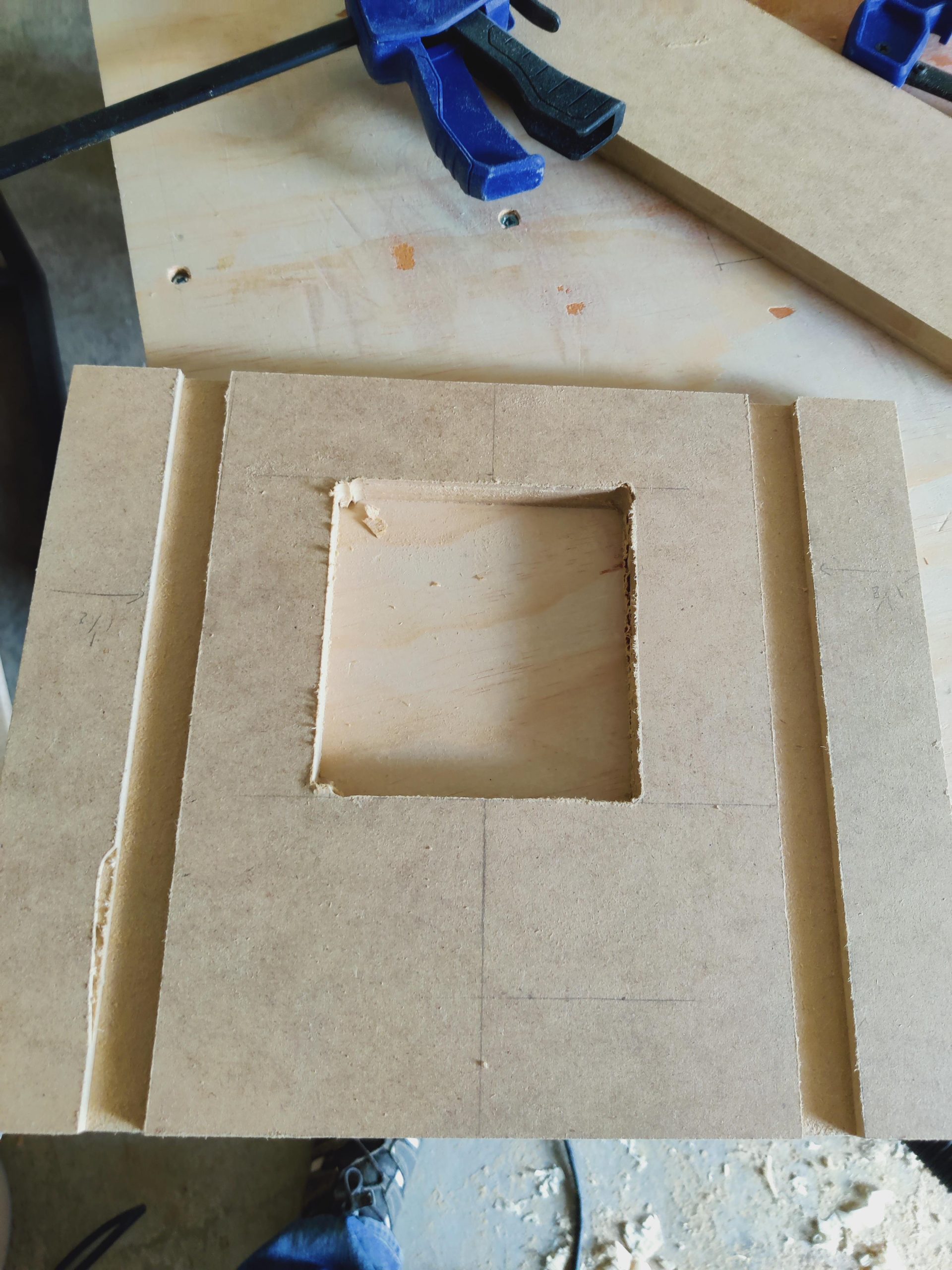
A freshly routed MDF edge always looks slightly fuzzy up close — that’s compressed fiber standing up along the cut, not a mistake. Knock it down with 220-grit sandpaper, then seal the edge before painting. Skip the seal step and the exposed fibers will absorb paint unevenly and swell slightly, leaving a rough, fuzzy line even after two coats. Our guide to sealing MDF edges covers sanding sealer versus primer in detail, and once the edge is sealed, painting MDF goes on smooth and even.
Common Mistakes When Routing MDF
- Using a dull bit. The single most common cause of a torn, fuzzy routed edge — swap or resharpen the bit before blaming the material.
- No dust collection. MDF dust is fine enough to hang in the air and get inhaled for hours; always route with a vacuum attached and a mask on.
- Skipping the edge seal before paint. Unsealed routed edges absorb paint unevenly and can telegraph a rough line through the finish.
- Full-depth pass in one shot on thick stock. On 3/4-inch MDF, a single full-depth pass with a large profile bit is more likely to chip than two lighter passes.
- Routing near a damaged or previously repaired section. If the board has a soft spot or old repair, check whether it needs fixing first before routing through it, since a router will expose weak fill material instantly.
Where Routed MDF Edges Are Used
Routed MDF edges show up constantly in cabinet doors, shelving with a decorative roundover, wainscoting panels, picture frames, and painted furniture trim — anywhere a smooth, paint-ready profile matters more than raw strength. See our broader rundown of what MDF is commonly used for if you’re deciding whether it’s the right material for a specific project.
Frequently Asked Questions
Can a Router Be Used on MDF?
Yes. A router is one of the best tools for MDF because the board has no grain direction, so the bit cuts evenly in every direction. Use a sharp carbide or carbide-tipped bit, since MDF’s resin content dulls plain steel bits quickly, and always route with dust collection running.
Can You Cut MDF With a Router?
A router is built for shaping edges and profiles, not for cutting full sheets apart — use a circular saw or track saw for straight through-cuts, then switch to the router for roundovers, chamfers, rabbets, or decorative edge profiles on the piece once it’s sized.
Can MDF Go Through a Planer?
It’s not recommended. A planer removes material across the full width of a board in one pass, and MDF’s resin binder dulls planer knives fast while producing extremely fine dust that clogs most planer dust ports. A router or sander handles MDF thickness adjustments far better.
Do You Need Special Router Bits for MDF?
Not special bits exactly, but sharp ones. Standard carbide-tipped router bits work fine on MDF; the key difference from routing solid wood is that MDF’s resin and wax content dulls a bit faster, so a bit that’s already worn from cutting plywood or hardwood will tear MDF’s edge instead of cutting it cleanly.
What RPM and Feed Rate Should You Use to Rout MDF?
Most handheld routers run small-diameter MDF bits near their top speed, commonly in the 14,000 to 22,000 RPM range depending on bit diameter — larger bits need slower speeds. Feed the router at a steady, moderate pace: too slow burns and glazes the edge, too fast causes chipping and tear-out.
Conclusion
MDF is genuinely one of the easier materials to rout well — the grain-free, uniform structure that makes it forgiving to cut is the same property that makes it unforgiving of a dull bit or a rushed feed rate. Use a sharp carbide bit, keep the speed and feed rate in the ranges above, collect the dust, and seal the edge before paint, and MDF will give you cleaner profiles than most solid woods.
Sponsored / affiliate links. As an Amazon Associate I earn from qualifying purchases. I may earn additional commission from eligible campaigns.