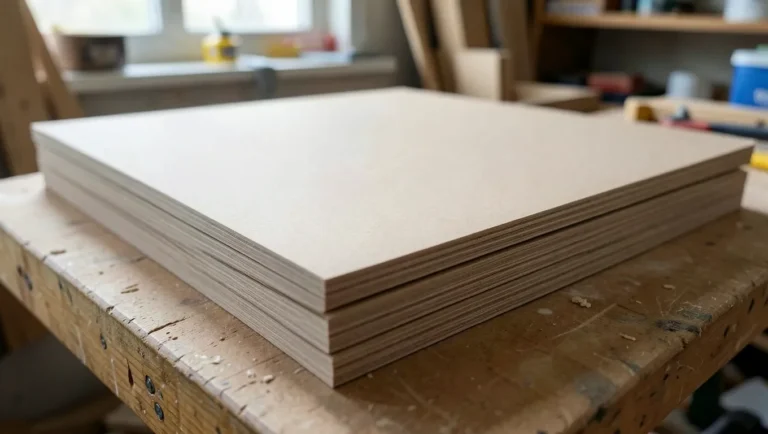
Is It Safe to Cut MDF? Yes, With a P100 Respirator
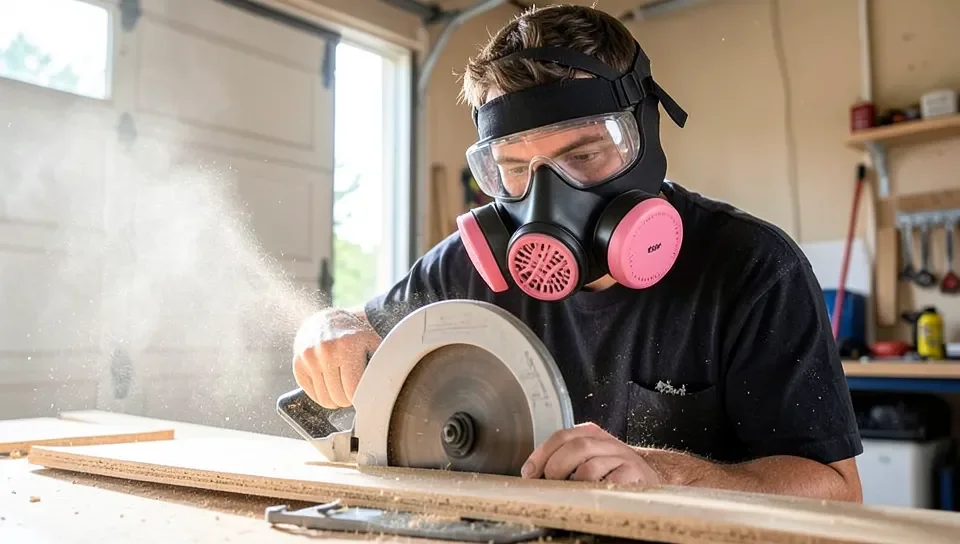
Yes, cutting MDF is safe when you wear a NIOSH-rated respirator (not a paper dust mask), run dust collection at the blade, and work in a ventilated space. The dust itself is the hazard, not the board sitting in your shop — MDF’s urea-formaldehyde resin binder means the fine particles you kick up while cutting carry both wood dust and formaldehyde, which is why a single quick cut with basic precautions is a very different risk than cutting it daily without protection.
MDF (medium-density fiberboard) is wood fibers pressed together with a formaldehyde-based resin, so cutting it releases two things at once: fine particulate that lodges deep in the lungs, and trace formaldehyde vapor from the exposed resin at the cut edge. Neither one is reason to avoid MDF — both are well-studied, well-regulated exposures with clear guidance on how to cut it safely.
Why Cutting MDF Is Riskier Than Cutting Solid Wood
Solid wood dust is already a recognized hazard — the International Agency for Research on Cancer (IARC) classifies wood dust as a Group 1 human carcinogen based on decades of furniture-industry data linking sustained, unprotected exposure to nasal and sinus cancers. MDF adds a second layer on top of that: its urea-formaldehyde resin binder releases formaldehyde, also an IARC Group 1 carcinogen, when the resin is disturbed by a saw blade — something a solid-wood cut doesn’t produce at all.
OSHA sets a formaldehyde permissible exposure limit of 0.75 ppm as an 8-hour time-weighted average, with a 2 ppm ceiling over any 15-minute stretch and a 0.5 ppm “action level” that triggers mandatory air monitoring in a workplace. For wood dust specifically, the OSHA limit is 5 mg/m³ over 8 hours (10 mg/m³ short-term), though NIOSH recommends a tighter 1 mg/m³. A single cut with a shop vac running and a window open keeps you nowhere near those numbers — it’s repeated, unprotected exposure in an enclosed space that the limits exist to prevent.
Best Respirator For Cutting MDF
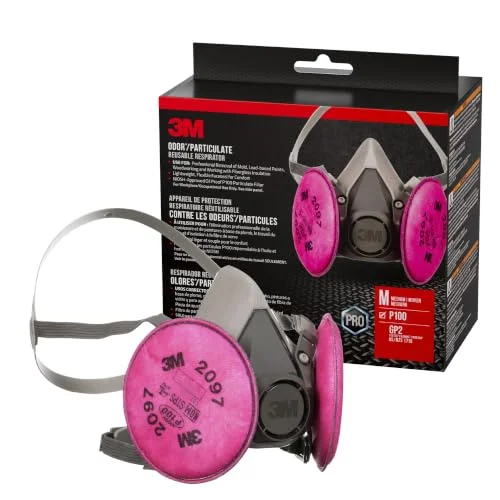 |
3M P100 Performance Respirator, Medium – $29.22 A half-face respirator with P100 filters (99.97% particulate filtration) is the level of protection that actually matches MDF’s combined dust-and-formaldehyde exposure — a paper dust mask isn’t rated for either.
|
N95 vs. P100: Which Respirator Do You Actually Need?
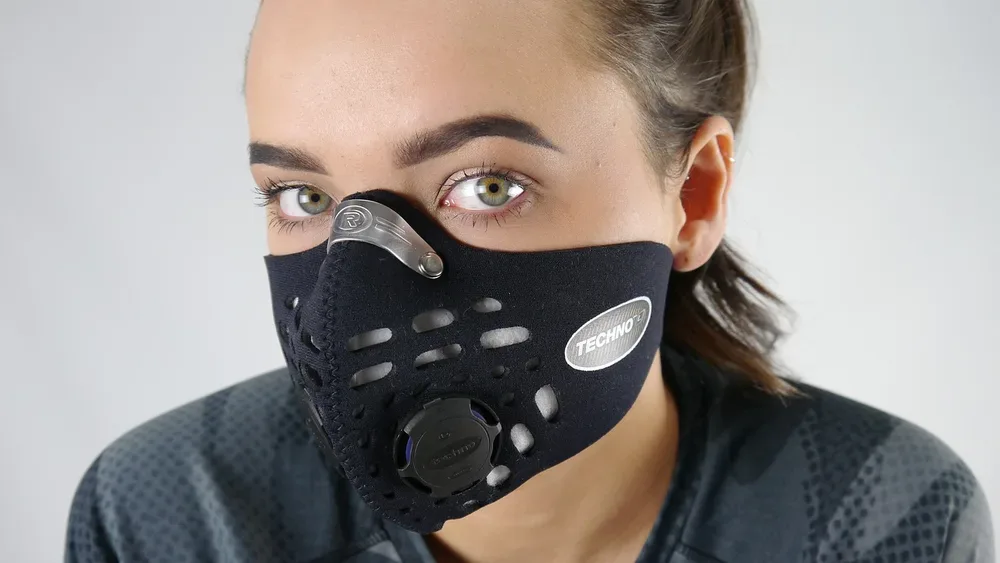
A NIOSH-rated N95 is the realistic floor for cutting MDF — it filters roughly 95% of particulates by mass and is a legitimate step up from a cloth or surgical mask, which isn’t rated for fine wood dust at all and won’t seal against your face the way a NIOSH mask does. For one short cut outdoors with a vacuum running, a well-fitted N95 is defensible protection.
A P100 half-face respirator is the better call for anything beyond that: cutting multiple sheets, working indoors, or doing this often enough that exposure adds up over weeks and months. P100 filters are rated to at least 99.97% filtration efficiency, and a half-face design seals against the skin far more consistently than a flat disposable mask does — the biggest real-world failure point for N95s is a loose seal around the nose and jaw, not the filter material itself.
Dust Collection and Ventilation While You Cut
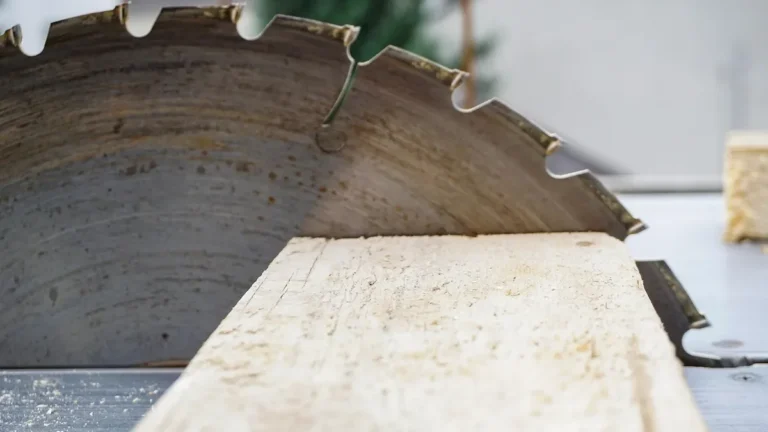
Respiratory protection is your last line of defense, not your only one — the goal is to keep as much dust as possible from becoming airborne in the first place. Connect a shop vacuum or dust extractor directly to the saw so it captures particles right at the blade, before they spread across the room. A dust collection port on a circular saw or track saw, or a table saw with an under-blade shroud, removes a large share of the fine particulate at the source instead of relying on a room fan to clear it after the fact.
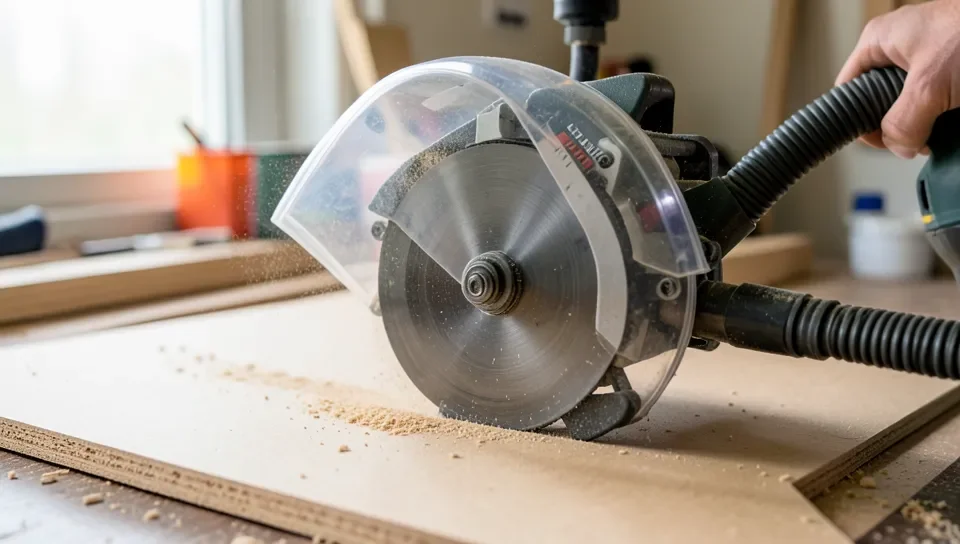
Cut outdoors or in a garage with the door open whenever the project allows it — MDF dust is fine enough that it can hang in still indoor air for a while after you’ve stopped cutting. If you have to cut indoors, open a window, run an exhaust fan pointed outward, and let the air clear for a few minutes before you take the respirator off.
How to Cut MDF With Less Dust in the First Place
A sharp, high-tooth-count carbide blade — 60 to 80 teeth for a circular or table saw — produces noticeably less airborne fine dust than a dull or low-tooth-count blade, because it shears the fibers cleanly instead of tearing and pulverizing them. Score the cut line first with a utility knife on the finished face, feed the saw at a steady pace without forcing it, and let the blade do the work; forcing a cut generates more heat and more fine dust as the resin binder scorches.
Clamp the sheet so it can’t shift mid-cut, and support both sides of the cut line so the offcut doesn’t snap and kick up a cloud of dust as it falls. Once you’re done, clean up with a HEPA-filtered vacuum rather than a broom or compressed air — sweeping and blowing just re-suspend settled dust back into the air you’re now breathing without a respirator on.
Related MDF Health Questions
This guide focuses specifically on cutting MDF — for the full breakdown of what’s actually in MDF dust and why the formaldehyde binder makes it different from ordinary sawdust, see why MDF dust is dangerous. If you’re weighing whether to use MDF at all versus plywood or solid wood for a project, our guide to MDF toxicity covers sealed vs. unsealed exposure in more depth.
Frequently Asked Questions
Is It Safe to Cut MDF at Home?
Yes — cutting MDF at home is safe if you wear a NIOSH-rated N95 or P100 respirator (not a cloth mask), connect dust collection at the blade, and work in a ventilated space. The risk comes from repeated, unprotected exposure, not from a single properly protected cut.
Is a Regular Dust Mask Enough to Cut MDF?
No. A cloth or surgical mask isn’t rated to filter fine particulates and doesn’t seal against your face, so MDF dust leaks in around the edges. You need a NIOSH-rated respirator — at minimum an N95, with a P100 recommended for regular or extended cutting.
How Harmful Is MDF Dust, Really?
MDF dust combines fine wood particulate with formaldehyde from its resin binder, both classified as Group 1 carcinogens by IARC. OSHA caps workplace formaldehyde exposure at 0.75 ppm over 8 hours and wood dust at 5 mg/m³ — the real-world risk is sustained, unprotected exposure over time, not an occasional properly protected cut.
The Bottom Line
Cutting MDF is safe when you treat the dust like the genuine hazard it is: a P100 (or at minimum NIOSH N95) respirator, dust collection at the blade, and a ventilated workspace. Skip any one of those on a regular basis and the risk stops being theoretical — but for most home projects, a properly equipped afternoon of cutting carries a manageable, well-understood level of exposure.
Sponsored / affiliate links. As an Amazon Associate I earn from qualifying purchases. I may earn additional commission from eligible campaigns.