How Do You Know If Your Ash Tree is Infected: Vital Signs
Have you noticed something unusual with your ash tree lately? Perhaps the leaves are wilting, or the bark seems to be peeling away.
These could be signs of an infection, and if you’re not careful, it might just spell trouble for your beloved tree. But how can you be sure if your ash tree is infected? Ignoring the signs can lead to severe damage, not just to the tree, but to your entire garden ecosystem.
Don’t let your ash tree become another statistic. Stay informed and protect your green space by learning how to spot the signs of infection early. Read on to discover the telltale symptoms and the steps you can take to save your tree before it’s too late. Your ash tree’s health is in your hands!

Credit: martinstree.com
Identifying Ash Tree Health
Ash trees can show signs of sickness. Look for dead branches. These might be at the top of the tree. Check the trunk for cracks. Cracks mean trouble. Leaves are important too. Sick leaves turn yellow early. Holes in leaves are a bad sign. Bugs might be eating them.
Leaves tell the tree’s story. Brown spots can appear. Leaves might curl up. A healthy leaf is flat. Sticky spots are bad. These spots mean pests. Leaves fall too soon when infected. Trees need leaves to live. Look close at the leaves. They help find the problem.
Signs Of Emerald Ash Borer Infestation
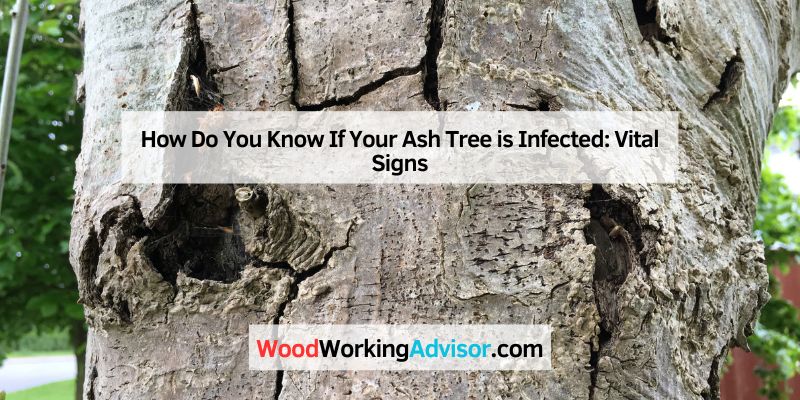
Look for unusual patterns on the bark. The bark may appear to be peeling or flaking. Sometimes, you can see vertical cracks. These cracks can expose the wood underneath. Cracks are a sign of stress in the tree. The tree tries to heal, but cannot. Often, you might see callous tissue forming. This is a response to the damage. Pay attention to any missing chunks of bark. The tree’s health is at risk if you notice these signs.
Small, D-shaped holes are a clear sign of the borer. The holes are about the size of a pencil tip. These holes appear in the bark of infected trees. They indicate where adult borers have exited. The borers leave these holes as they emerge. The holes are usually found at eye level. Check around the trunk carefully. Finding many holes is a serious warning. The tree may be heavily infested.
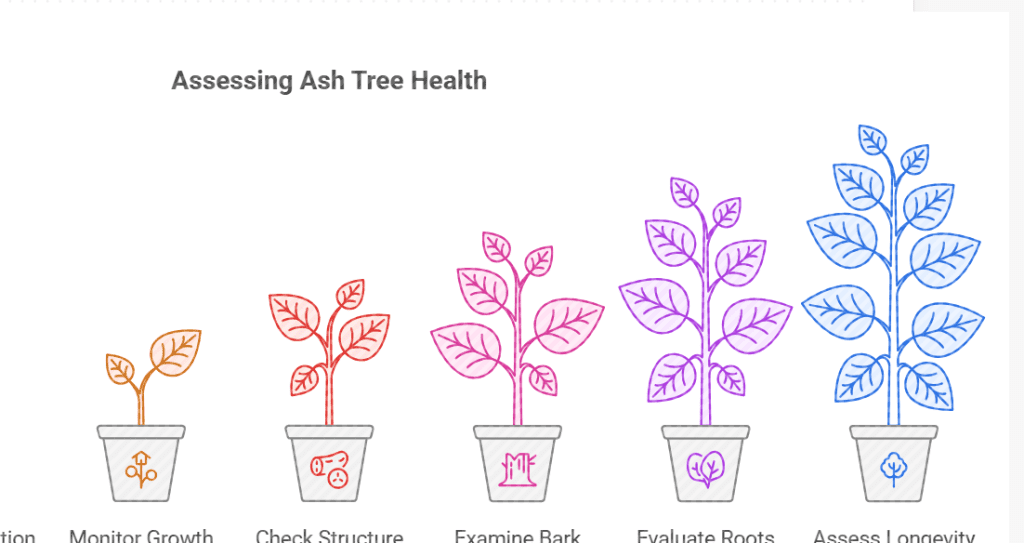
Monitoring Growth And Leaf Changes
Ash trees show problems through their leaves. Yellow leaves mean possible infection. Brown spots are another warning sign. These spots spread fast. Leaves might become dry and brittle. They lose their natural green color. This makes the tree look sick. Pay attention to such changes. Early detection can save the tree. A healthy tree should have vibrant leaves.
Leaves falling off is a big concern. Healthy trees keep their leaves until autumn. If leaves fall early, it signals trouble. Infected trees shed leaves quickly. This affects the tree’s growth. Check if the tree loses more leaves than usual. Bare branches are a clear indication. Too many fallen leaves mean the tree needs help. Monitoring leaf shedding is crucial. It tells if the tree is sick.

Credit: eab.russell.wisc.edu
Tree Structural Changes
Ash trees can show signs of trouble. Branch dieback is one such sign. The tree’s branches can look dry and lifeless. This means they are not healthy. Fewer leaves grow on these branches. The tree looks sad and weak. This is not normal for healthy trees. Pay attention to these changes. They can help you spot problems early.
Another sign is crown thinning. The top part of the tree, called the crown, may have fewer leaves. This makes the tree look empty. The sun can shine through easily. Healthy crowns are full and dense. If you see lots of sky through the branches, the tree may be in trouble. Keep an eye on these changes. They are important.
Effects On Tree Bark
Tree bark shows signs when it’s infected. Splitting and cracking are common. These are visible lines on the bark. They look like cuts. The bark may feel loose. This is not normal. Healthy bark stays firm. Cracks let pests in. These pests harm the tree more. Check your tree often. Early signs help save it.
Sawdust around the tree is a warning. It collects near the base. Tiny holes might be present. Beetles cause this sawdust. They live inside the tree. They eat the wood. This weakens the tree. Sawdust is a clue. It shows the tree is sick. Watch for sawdust piles. They mean trouble for ash trees.
Credit: www.burnsvillemn.gov
Root System Health Indicators
Roots look brown instead of white. They may feel soft and mushy. Fungus can grow on the roots. Leaves may turn yellow or drop. The tree might tilt or fall. Healthy roots are strong and white. Check the soil for too much water. Poor drainage can cause root rot. Fix it to help your tree.
Roots are loose in the soil. They don’t hold the tree well. The tree leans or moves easily. Strong roots keep the tree steady. Wind can move a tree with weak roots. Look for exposed roots above ground. Healthy trees have firm roots underground. Inspect your tree after storms. Weak roots need extra care.
Assessing Tree Longevity
Detecting an ash tree infection involves observing signs like thinning leaves, bark cracks, or dying branches. Notice small holes or woodpecker activity, indicating possible Emerald Ash Borer presence. Regular checks help in identifying infection early.
Survival Rate And Prognosis
Ash trees often face tough times. They may get sick. The survival rate depends on the level of sickness. Early detection helps in recovery. Experts can assess the tree’s health. They check for dead branches and leaves. Green leaves mean good health. Brown or falling leaves mean trouble.
It’s crucial to evaluate the prognosis. Trees with minor issues recover better. Severe damage means less chance of survival. Regular care boosts the tree’s life. Watering and proper trimming help. A healthy ash tree withstands pests. Infected trees need immediate attention.
Recovery often takes time. Patience is key. Consistent care improves the tree’s condition. Keep an eye on changes. Watch for signs of improvement. A healthy environment supports growth. Ensure the tree gets enough sunlight. Proper nutrients aid recovery.
Frequently Asked Questions
What Does An Infected Ash Tree Look Like?
An infected ash tree shows thinning foliage, dead branches, and vertical bark splits. Look for D-shaped exit holes and increased woodpecker activity.
How To Treat An Infected Ash Tree?
Treat infected ash trees by applying systemic insecticides. Remove heavily infested branches promptly. Consult a certified arborist for professional assessment. Improve tree health with proper watering, mulching, and fertilization. Regularly monitor for signs of Emerald Ash Borer infestation. Consider replacing severely infected trees with resistant species.
How To Tell If An Ash Tree Is Diseased?
Check for thinning leaves, dead branches, and vertical bark cracks. Look for D-shaped exit holes and woodpecker damage. Inspect for wilting leaves and epicormic sprouts on the trunk. Examine for signs of emerald ash borer larvae under the bark. Monitor for sudden leaf drop and canopy dieback.
Can An Infected Ash Tree Be Saved?
An infected ash tree can sometimes be saved with early intervention. Use insecticides or fungicides for treatment. Consult an arborist for proper diagnosis and treatment plan. Regular monitoring and care increase the chances of recovery.
Conclusion
Spotting an infected ash tree early saves time and money. Watch for dying leaves and dead branches. Check for woodpecker damage and exit holes in the bark. Acting quickly prevents severe damage. Consult a professional if you suspect infection. Regular monitoring keeps trees healthy.
Protect your trees from pests and diseases. Healthy trees enhance your landscape and environment. Keep learning about tree care and stay vigilant. Your trees depend on you for their well-being. Take action now to ensure their future. Your efforts truly make a difference.