How to Stop an Ash Tree From Growing Too Tall (Or Remove It)
An ash tree’s growth slows only when you cut into its canopy or its chemistry — pruning 15-20% of live growth in the dormant season, or a soil-applied paclobutrazol treatment, are the two methods that actually work. Skip both and the tree keeps adding up to 2 feet a year until storms or sidewalks pay the price. This guide covers safe pruning limits, how growth regulators work, and when emerald ash borer makes removal the smarter call.
Quick Answer
There’s no way to permanently stop an ash tree from growing without removing it. You can slow it by pruning no more than 15-20% of live canopy each dormant season, or having an arborist apply soil-injected paclobutrazol, which suppresses new shoots for 3+ years. If emerald ash borer has already hit, removal is usually the better move.
Identifying Ash Trees
Best Ash Tree Pruning Saw Pick
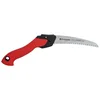
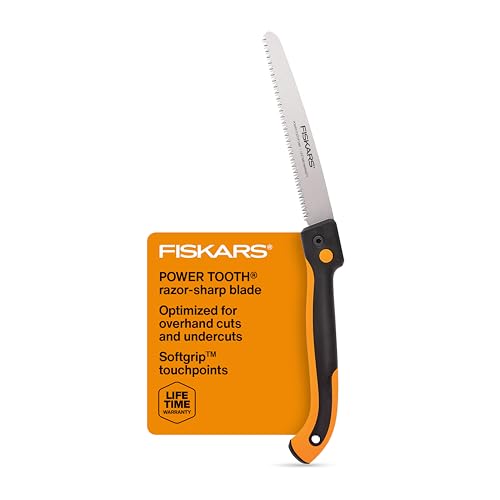
Corona Tools RazorTOOTH 7″ Folding Pruning Saw
A fast, aggressive-tooth folding saw sized right for the thinning and heading cuts an ash tree’s canopy actually needs.
- Best for: Branches up to a few inches thick — most annual ash pruning
- Why we picked it: Folds safely for storage, RazorTOOTH blade cuts green wood fast without tearing bark
- Main drawback: Too small for large-limb removal — that’s an arborist job anyway
Compare more ash tree pruning tools
 Option 1 Fiskars 28″ Bypass Loppers
|
 Option 2 Fiskars 10″ Folding Pruning Saw
|
 Option 3 Fiskars 32″ PowerGear2 Loppers
|
As an Amazon Associate we earn from qualifying purchases.
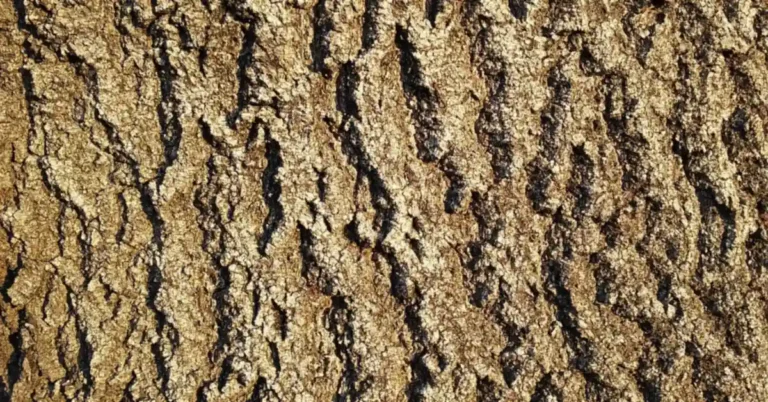
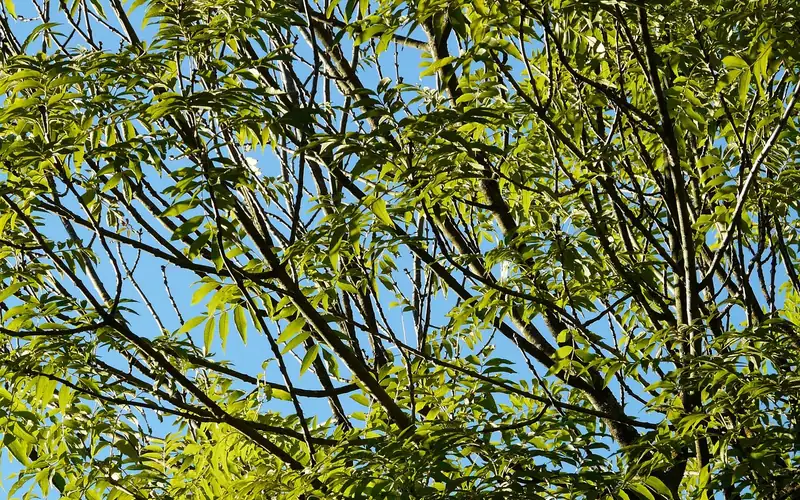
Ash trees (genus Fraxinus) have long, slender branches with compound leaves made of 5-9 smaller leaflets arranged in pairs along a central stem. Bark is gray with diamond-shaped ridges on mature trees. In spring, ash trees produce small, petal-less purple-green flowers. They grow fast, can reach 60-80 feet tall, and are a common shade tree in yards and parks.
| Variety | Description |
|---|---|
| White Ash | Tall with smooth gray bark; leaves turn purple to yellow in fall. |
| Green Ash | Tolerates wet soil; shiny green leaflets. |
| Black Ash | Prefers cold, swampy areas; corky, soft bark. |
Understanding Growth Patterns
Ash trees grow fast, often 2 feet or more per year while young, and can reach 80 feet at maturity given full sun, water, and decent soil. Left unmanaged, that speed becomes the problem: an overgrown ash can lean, drop branches in wind, crowd out sunlight for everything beneath it, and send roots wide enough to lift sidewalks or crack underground pipes. Regular trimming is what keeps growth from turning into a hazard.
Why Controlling an Overgrown Ash Tree Matters
Fast growth isn’t just a size problem. A tree that outcompetes everything nearby can reduce biodiversity in a yard by shading out other plants and displacing the birds and insects that would otherwise use that space. Unchecked roots crack sidewalks and driveways and can damage buried pipes; falling limbs from storm-stressed, overgrown canopies are a real property and safety risk. Routine pruning addresses all three at once — it protects the ecosystem around the tree, protects hardscaping and utilities, and keeps storm damage predictable instead of catastrophic.
Pruning Techniques That Actually Work
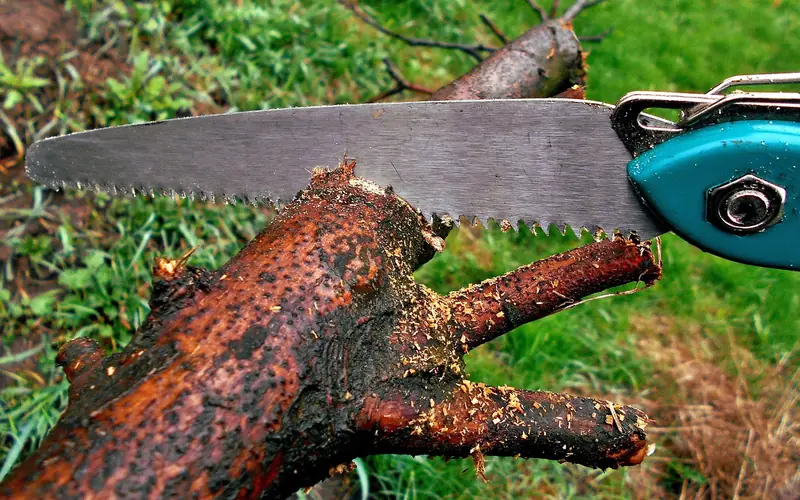
Prune ash trees from late fall through early spring, while the tree is dormant and emerald ash borer isn’t active — cutting during warmer months both stresses the tree and can attract the beetle to fresh wounds. On a mature tree, remove no more than 15-20% of the live canopy in a single season; 5-10% is often enough to control size without shocking the tree. Two cut types do the real work: thinning cuts remove whole branches back to the trunk or a main limb to reduce height without changing the tree’s shape, while heading cuts shorten a branch back to a bud or smaller lateral to control length. Always cut just above an outward-facing bud, and never top the tree — lopping off the whole crown at once triggers weak, disease-prone regrowth instead of controlled size.
Keep new plantings and mature trees at least 15 feet from structures and 10 feet from overhead utility lines, underground utilities, roads, or walkways — it’s far easier to prevent a clearance problem at planting time than to solve it with pruning later. For branches too high or thick for hand shears, a battery-powered hand saw makes cleaner, faster cuts than fighting it with a bow saw.
- Time it right: Schedule pruning for late fall through early spring, before EAB becomes active and while the tree is dormant.
- Set a limit: Cap removal at 15-20% of live canopy per season — go lighter (5-10%) if the tree already looks stressed.
- Choose the right cut: Use thinning cuts to reduce height, heading cuts to shorten individual branches, always just above an outward-facing bud.
- Keep tools sharp and clean: A dull blade tears bark and slows healing; wipe blades between trees to avoid spreading disease.
- Call an arborist for anything above ladder height: Large-limb removal near power lines or structures is a job for a certified professional, not a weekend project.
Growth Regulators: What They Are and How They Work
Paclobutrazol is a tree growth regulator that arborists apply as a soil injection near the base of the trunk, typically to a depth of about 6 inches, at a dose set by trunk diameter. It works by blocking gibberellin, a plant hormone the tree needs for shoot elongation — the roots absorb it and carry it up through the xylem to the growing tips, where it slows new shoot production instead of killing the tree.
Soil- or trunk-applied paclobutrazol treatments begin suppressing shoot growth within about three months and can hold a tree’s size back for three years or more, while also increasing fine root growth — a more predictable result than relying on pruning cuts alone.
Growth regulators don’t kill the tree and won’t undo years of overgrowth overnight, but they’re a legitimate option for a healthy ash tree that’s simply outgrowing its space. Hire a licensed arborist for the application — over-application can stress the root system, and the correct dose depends on measuring trunk diameter accurately.
Should You Remove the Tree Instead? Emerald Ash Borer and Salvaging the Lumber
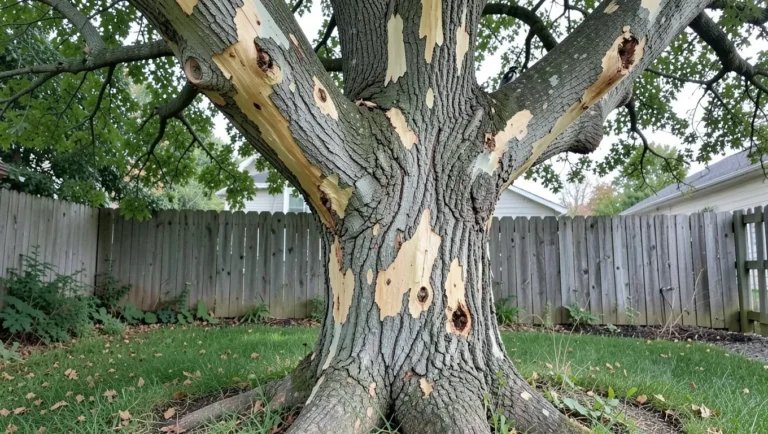
Before spending a season managing an ash tree’s size, check it for emerald ash borer (EAB) — D-shaped exit holes in the bark, canopy dieback starting at the top, and vertical bark splitting are the classic signs. EAB has killed hundreds of millions of ash trees across North America (see our guide on telling a late-leafing ash apart from an EAB-infested one if your tree is bare in spring), and once a tree is heavily infested, pruning and growth regulators are a losing fight. At that point, removal — not management — is usually the right call.
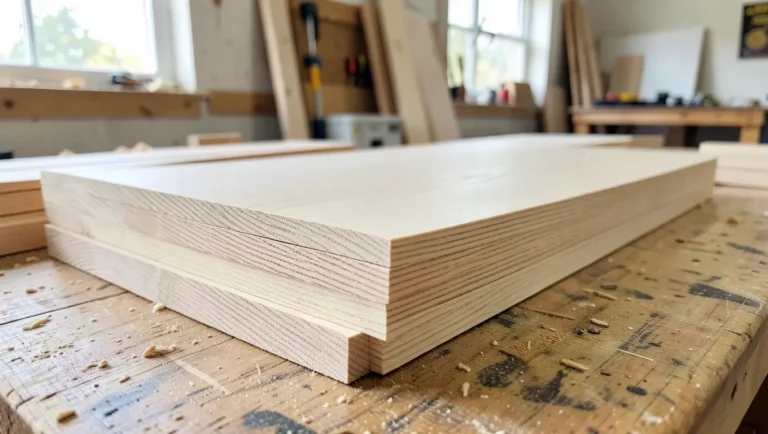
Here’s the part most tree-service articles skip: EAB damage is confined to the outer sapwood and cambium layer, not the tree’s core, so a dying or recently dead ash is often still worth milling. If the trunk is at least 12 inches in diameter, it can typically be cut into usable lumber rather than firewood or a chipper pile — Woodworkers Journal’s coverage of EAB salvage lumber notes that mills which moved quickly after a tree’s decline recovered good material before cracking, staining, and softening set in. Ash has long been prized in the shop for its straight, open grain and shock resistance — it’s the traditional wood behind baseball bats, tool handles, and hockey sticks — so a mature ash slated for removal is worth a call to a local sawyer before it becomes mulch. Check local quarantine rules first: in many EAB-quarantined counties, harvested ash wood can’t legally leave the quarantine zone, even for a friend’s shop across town.
📊 A trunk of 12 inches or wider is generally the minimum for milling ash into usable lumber, and the window to do it closes once the dead wood starts to crack, stain, and soften — usually within a year or two of the tree’s death. Source: USDA APHIS Emerald Ash Borer Program; Woodworkers Journal.
Curious what ash lumber is actually good for once it’s milled? Our types of wood guide covers how ash compares to oak and other open-grain hardwoods for grain, workability, and finishing.
Root Management Strategies
A physical root barrier — a trench lined with rigid plastic or metal panel set deep enough to intercept lateral roots — stops roots from spreading toward sidewalks, foundations, or utility lines without harming the tree above ground. Root pruning is the other option: cut only the roots spreading into problem areas, do it during the dormant season, and keep cuts clean so the tree heals quickly. Never remove more root mass than you would canopy in one season — roots and canopy need to stay roughly in balance for the tree to stay healthy.
Monitoring and Maintenance
Inspect the tree a few times a year for the EAB warning signs above, plus broken or dead branches, thinning canopy, and unusual bark cracking. Check exposed roots for damage after any nearby digging or construction. Water during dry spells but avoid heavy fertilizing if your goal is controlling size — added nutrients push more growth, which works against everything above. A 2-3 inch mulch ring around the base (kept off the trunk itself) conserves soil moisture and buffers root temperature without feeding excess growth.
Frequently Asked Questions
What Will Kill An Ash Tree?
Emerald ash borer, a beetle whose larvae feed on the inner bark, has killed hundreds of millions of ash trees in North America. Ash dieback, a fungal disease, is a secondary threat in some regions. Regular inspection for exit holes and canopy dieback catches both early enough to act.
How Do You Reduce The Height Of An Ash Tree?
Reduce height with thinning and heading cuts during the dormant season, capped at 15-20% of live canopy per season. Use sharp, clean tools and cut just above an outward-facing bud. For anything above ladder height, hire a certified arborist rather than risk an unsafe cut or tree stress from over-pruning.
Should I Let An Ash Tree Grow?
A healthy ash provides real shade and wildlife value, so letting it grow is fine as long as you watch for emerald ash borer and keep size in check with annual pruning. Once EAB infestation is confirmed, growing it further usually isn’t worth the risk — removal and milling the trunk becomes the better plan.
How Do You Get Rid Of Ash Tree Sprouts?
Cut sprouts at the base and apply a labeled brush herbicide to the fresh cut to stop regrowth. Ash resprouts vigorously, so expect to repeat this a few times over a season rather than solving it in one pass.
Will An Ash Tree Stump Grow Back If You Cut It Down?
Yes — ash stumps resprout aggressively unless treated. Cutting the stump low and applying a stump-labeled herbicide (triclopyr or 2,4-D based) to the fresh-cut surface within minutes prevents regrowth; left untreated, expect new shoots within a season.
Is Ash Wood Good For Woodworking?
Yes — ash is a strong, shock-resistant, open-grain hardwood that’s been the traditional choice for tool handles, baseball bats, and hockey sticks. If a tree is being removed anyway, a trunk 12 inches or wider is usually worth milling instead of chipping, provided it’s cut before EAB damage or decay sets in.
Conclusion
Controlling an ash tree comes down to two honest options: prune it within safe limits (15-20% of canopy, dormant season only) or slow it chemically with a professionally applied paclobutrazol treatment. Check for emerald ash borer before committing to either — an infested tree is usually better removed and milled than managed. Whichever path fits your yard, consistency matters more than any single technique: a tree checked and trimmed every season rarely becomes the hazard an ignored one does.
Sponsored / affiliate links. As an Amazon Associate I earn from qualifying purchases. I may earn additional commission from eligible campaigns.