Is It Safe to Eat Ash From Wood? No – Here Is Why
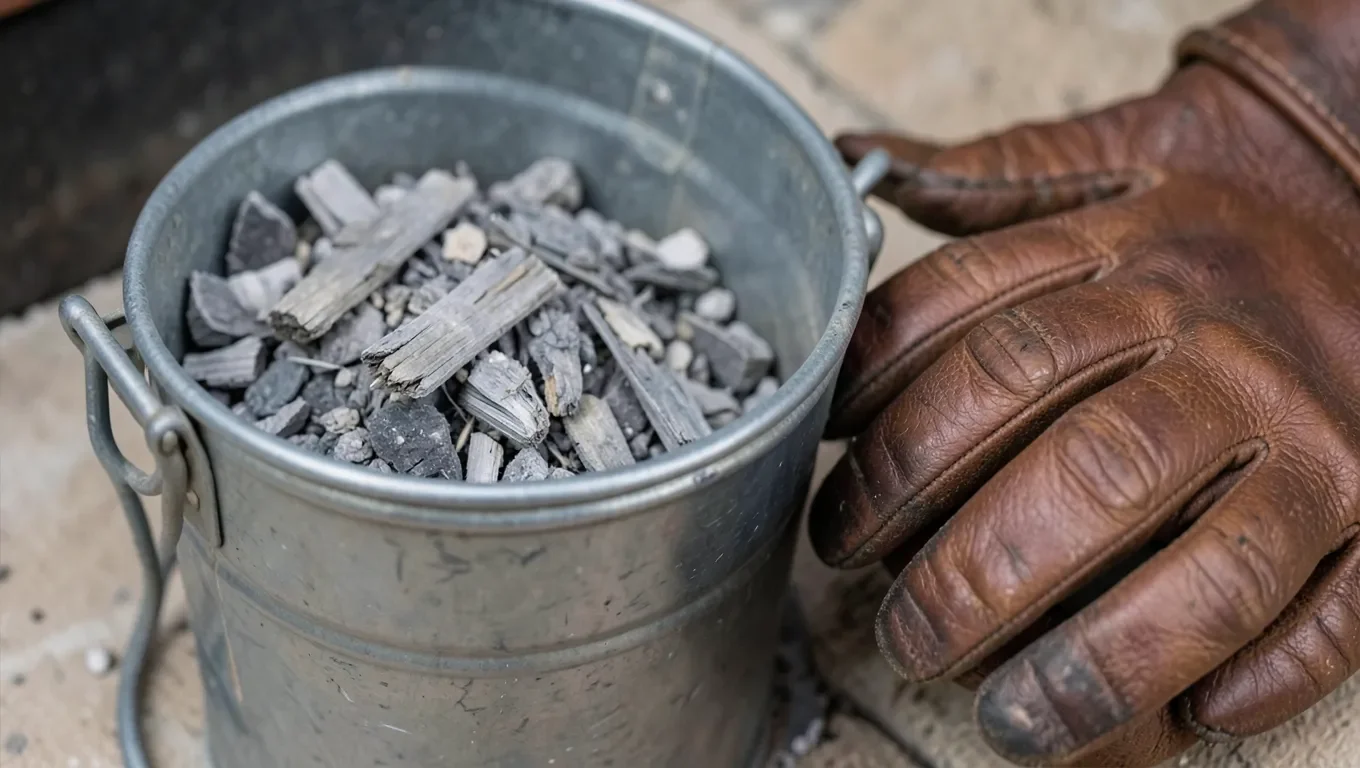
No – don’t eat wood ash. It’s not a food, it has no established safe dietary intake, and depending on what was burned it can be caustic enough to irritate your mouth and gut or carry concentrated heavy metals from the source wood. Wood ash is genuinely useful – in the garden, as a traditional ingredient in making lye for soap – but “useful” and “safe to eat” are different questions, and some older articles on this topic blur that line in a way worth correcting directly.
What Wood Ash Actually Is Chemically
Check Before You Apply Ash To Soil
 |
Atree 3-in-1 Soil pH Meter – $13.99 Since wood ash raises soil pH, knowing your starting point before you apply it keeps you from overshooting into territory acid-loving plants won’t tolerate.
|
Wood ash is mostly calcium carbonate and potassium carbonate (historically called “potash”), with smaller amounts of magnesium, phosphorus, and trace minerals – the mineral content of the tree that didn’t burn off. That composition is exactly why it’s alkaline: typical wood ash runs somewhere around pH 9 to 13, similar in effect to agricultural lime. That’s a useful property for adjusting acidic garden soil. It’s also exactly why concentrated ash isn’t something to put in your mouth – a substance in that pH range is mildly to strongly caustic, and “a pinch on your salad is probably fine” isn’t a standard backed by any food safety authority.
The Lye Connection – and Why It Doesn’t Mean “Safe to Eat”
You’ll sometimes see wood ash’s history cited as evidence it’s edible, because historically, people did leach wood ash with water and boil down the resulting liquid to make lye (potassium hydroxide) for soap-making, and some traditional food-processing methods used wood-ash lye to treat grains. That history is real, but it’s not the same claim as “eating ash is safe”:
- Making lye is a controlled chemical process – leaching the soluble compounds out of the ash into water, then further concentrating that liquid. The lye produced is itself a strong caustic that causes real chemical burns if handled carelessly; traditional users treated it with real caution, not as a casual food ingredient.
- Traditional grain-treatment processes that use an alkaline solution (an ash-lye or lime solution) rinse and cook the grain afterward – they don’t involve eating the ash or the raw lye solution directly.
- None of this establishes a safe dose for eating plain, unprocessed ash straight from a fireplace or bonfire.
The Real Risks of Eating Wood Ash
- Caustic irritation. Concentrated alkaline ash can irritate or, in enough quantity, chemically burn the mouth, throat, and digestive tract – the same property that makes it effective at neutralizing acidic soil.
- Unknown source contamination. Ash concentrates whatever was in the wood. Ash from painted, stained, or pressure-treated lumber can carry lead, chromium, or arsenic at levels far higher than the original wood, because burning removes the organic material and leaves the metals behind. You often can’t tell by looking whether scrap wood was ever treated or painted.
- No regulated safe intake. There’s no established safe daily amount, no food-grade quality standard, and no consistent composition – ash from oak, ash from pine, and ash from mixed yard-waste burning are all chemically different.
- No nutritional advantage over real food. The calcium and potassium in ash are already available in a more bioavailable, dose-controlled form in ordinary food – there’s no upside that offsets the risk.
If you’ve heard of “culinary ash” used in gourmet cooking – the black rind on cheeses like Morbier or Humboldt Fog, for instance – that’s a specifically prepared, food-grade vegetable ash used as a thin coating in tiny amounts, not raw fireplace or campfire ash, and it isn’t eaten by the spoonful either.
What Wood Ash Is Actually Good For
None of this means wood ash is useless – it just belongs in the garden, not on the plate:
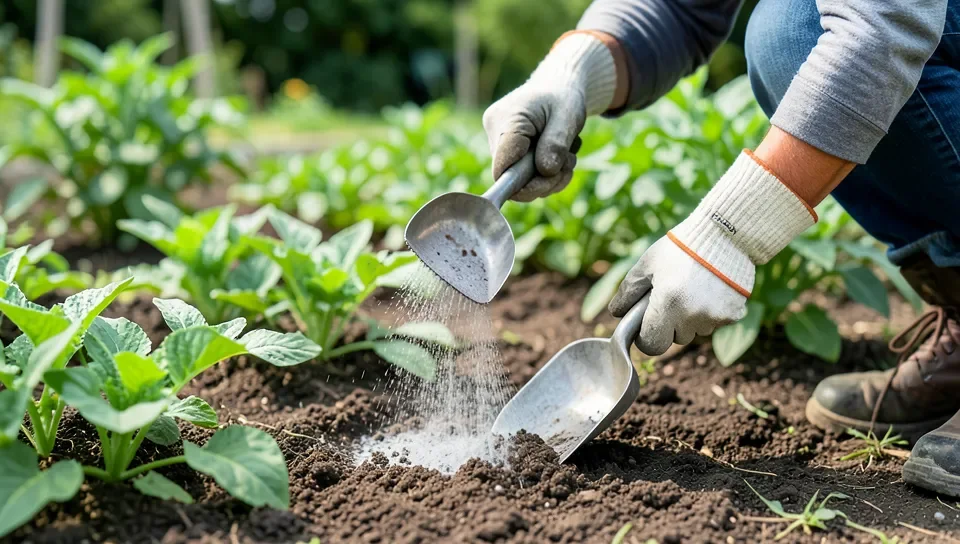
- Raising soil pH. A light application works like garden lime on acidic soil, supplying potassium and calcium as it does.
- Composting in moderation. A thin layer mixed into a compost pile can help balance a very acidic mix, though too much will spike the pile’s pH and slow decomposition.
- Traditional soap-making. Leached and processed into lye by people who understand the chemistry and safety precautions involved.
For garden use specifically, only use ash from clean, untreated wood – never ash from painted, stained, pressure-treated, or chemically finished lumber, and never ash from a fire that included trash, plastic, or cardboard with colored inks. Apply lightly and test your soil first; wood ash is alkaline enough that over-applying it can push acid-loving plants (blueberries, azaleas, most conifers) into a pH range where they struggle to take up nutrients.
If Ash Ends Up On Food By Accident
A little stray ash landing on food cooked over an open fire (a campfire-roasted vegetable, for instance) is a different situation from deliberately eating ash – it’s more a food-contamination question than a poisoning one. Wipe or rinse it off where you can. It’s not typically a medical emergency for a small, incidental amount, but it’s also not something to shrug off as a feature of the meal.
Frequently Asked Questions
Is it okay to eat food with ash on it?
A small amount of stray ash on food cooked over a campfire is generally a contamination issue rather than a poisoning risk, and wiping or rinsing it off is reasonable. Deliberately adding ash to food is a different matter and isn’t recommended – there’s no established safe intake and no nutritional benefit over real food.
What does eating wood ash do to your body?
Wood ash is alkaline enough to irritate the mouth, throat, and digestive tract, and depending on what wood was burned, it can carry concentrated heavy metals like lead or arsenic left behind after burning. Inhaling ash dust irritates the lungs, and skin contact can cause irritation from the same alkalinity.
Is ash wood (the tree species) food safe for cutting boards?
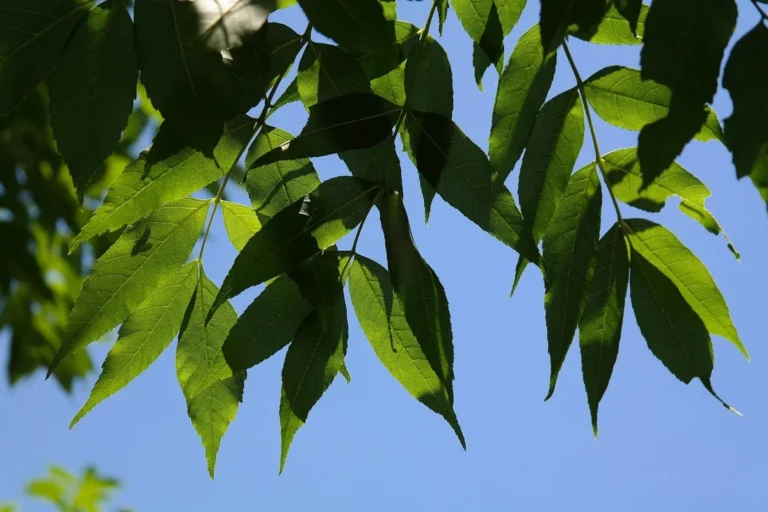
Yes – that’s a different question from ash the burned residue. Ash (Fraxinus) is a hardwood commonly used for cutting boards and utensils and is food-safe when untreated and properly finished with a food-grade oil. It has nothing chemically in common with wood ash, the burned byproduct.
Is wood ash safe to use in the garden?
Yes, in moderation and from clean, untreated wood only. It raises soil pH similarly to garden lime and adds potassium and calcium. Test your soil first and apply lightly – over-applying can push the pH too high for acid-loving plants, and ash from painted, treated, or chemically finished wood should never go in a garden bed.
Conclusion
Wood ash’s real value is in the garden and in traditional lye-making, not on the dinner table. Its alkalinity and unpredictable trace-metal content mean there’s no safe, established way to eat it, and no nutritional upside that isn’t better and more predictably sourced from actual food. If you burn clean wood and want to put the ash to use, the compost pile or a garden bed – tested and applied lightly – is where it belongs.
Sponsored / affiliate links. As an Amazon Associate I earn from qualifying purchases. I may earn additional commission from eligible campaigns.