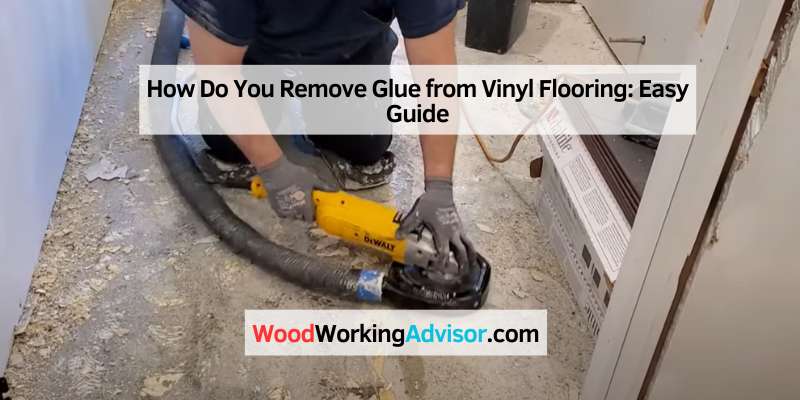
How Do You Remove Glue from Vinyl Flooring: Easy Guide
To remove glue from vinyl flooring, dab the spot with acetone repeatedly and try to wipe it away a little at a time. Once the glue has softened, use a scraper to remove it.
Repeat the process until all the glue is gone. Vinyl flooring is a popular choice for many homeowners due to its durability and easy maintenance. However, dealing with glue residue on vinyl flooring can be a challenging task. Whether you’re renovating your home or simply trying to clean up a spill, knowing how to effectively remove glue from vinyl flooring is essential.
In this guide, we’ll explore various methods and tips for safely and efficiently removing glue from vinyl flooring, allowing you to maintain the pristine look of your floors.
Introduction To Vinyl Flooring Glue Removal
Vinyl flooring glue removal can be a daunting task, but with the right techniques, it can be done effectively. Avoid using common household products like vinegar or acetone, as they may damage the vinyl. Instead, try using nail polish remover with acetone or a specialized adhesive remover.
Apply the solution to a small area, wait for it to soften the glue, and then gently scrape it off. Repeat the process until all the glue is removed, and remember to ventilate the room during the process.
When it comes to vinyl flooring, removing glue can be a daunting task. Sticky residues left behind can not only ruin the aesthetics of your floor but also affect its durability and longevity. That’s why proper removal of vinyl flooring glue is essential. In this article, we will explore the challenges of dealing with sticky residues and why it is crucial to remove them correctly.
The Challenge Of Sticky Residues
Removing glue from vinyl flooring can be quite challenging due to its adhesive nature. Whether it’s old adhesive residue or excess glue from a recent installation, these sticky substances can be stubborn and difficult to remove. If not properly addressed, they can accumulate dirt and grime over time, making your floor look unsightly and unhygienic.
Moreover, attempting to remove the glue using improper methods or harsh chemicals can damage the vinyl surface, leading to discoloration, warping, or even permanent stains. Therefore, it is crucial to approach the removal process with care and use the right techniques and products.
Why Proper Removal Matters
Proper removal of glue from vinyl flooring is vital for several reasons:
- Preserves the Appearance: Removing glue residues ensures that your vinyl floor maintains its original beauty and remains free from unsightly marks or discoloration.
- Enhances Durability: Glue residues can weaken the adhesion of the vinyl, making it more prone to damage and wear over time. By removing the glue, you help maintain the floor’s durability and longevity.
- Maintains Hygiene: Sticky residues can trap dirt, dust, and other particles, making it difficult to clean the floor effectively. Proper removal of glue ensures a clean and hygienic surface.
- Facilitates Future Repairs or Replacements: If you plan to replace or repair your vinyl flooring in the future, removing the glue now will make the process smoother and less time-consuming.
By understanding the challenges posed by sticky residues and the importance of proper removal, you can ensure that your vinyl flooring remains in excellent condition and continues to enhance the aesthetics of your space.
Safety First: Preparing To Remove Glue
Preparing to remove glue from vinyl flooring requires careful safety measures. Avoid using commonly recommended substances like vinegar, acetone, or lacquer thinner, as they can damage the flooring. Instead, consider using a nail polish remover with acetone, applied gently with a soft cloth to remove stubborn stains like nail polish or paint.
Additionally, it is advisable to wear chemical gloves, a respirator, and eye protection while working with solvents.
Protective Gear Essentials
Before you start removing glue from vinyl flooring, it’s important to prioritize your safety by wearing the necessary protective gear. This will ensure that you minimize any potential risks or harm to yourself. Here are the essential items you should have:
- Chemical-resistant gloves
- Safety goggles or glasses
- Respirator or face mask
These protective gear essentials will provide a barrier between your skin, eyes, and respiratory system, and any potentially harmful chemicals or fumes that may be released during the glue removal process.
Preparing Your Workspace
Creating a suitable workspace is crucial when it comes to removing glue from vinyl flooring. It helps to minimize any potential damage to the surrounding area and ensures a more efficient and effective removal process. Here are the steps to prepare your workspace:
- Clean the floor: Start by thoroughly cleaning the vinyl flooring using a mild detergent and warm water. This will remove any dirt or debris that could interfere with the glue removal process.
- Protect adjacent surfaces: Use painter’s tape or plastic sheeting to cover any adjacent surfaces, such as walls or baseboards, to prevent accidental damage or staining from the glue removal chemicals.
- Ventilate the area: Open windows and doors to ensure proper ventilation during the glue removal process. This will help dissipate any fumes and maintain a healthier indoor environment.
- Organize your tools: Gather all the necessary tools and supplies you’ll need for glue removal, such as a scraper, adhesive remover, clean rags, and a bucket of warm water. Having everything within reach will make the process more efficient.
By following these steps and preparing your workspace properly, you’ll create a safe and organized environment for removing glue from your vinyl flooring. This will help you achieve the best results while minimizing any potential risks or damage.
Identifying Your Glue Type
Before embarking on the journey of removing glue from your vinyl flooring, it’s crucial to identify the type of glue that has been used. Different types of adhesives have varying properties that dictate the removal techniques. Identifying the glue type will guide you in selecting the most effective removal method without causing damage to the vinyl flooring.
Different Types Of Adhesive
There are several types of adhesives commonly used on vinyl flooring, including pressure-sensitive adhesive (PSA), urethane-based adhesive, and acrylic-based adhesive. Each type has distinct properties, such as viscosity and cure time, which can impact the removal process.
Impact On Removal Techniques
The type of adhesive used can significantly impact the techniques required for successful removal. For instance, PSA adhesives, commonly found on vinyl tiles, may require the use of solvents or heat to soften the adhesive for easier removal. On the other hand, urethane-based adhesives often necessitate mechanical scraping and the use of specialized adhesive removers.
Understanding the impact of adhesive type on removal techniques is essential for effectively and safely removing glue from your vinyl flooring.
Common Methods For Glue Removal
When dealing with glue on vinyl flooring, it’s important to use the right methods for effective removal. Here are some common techniques to consider:
Manual Scraping Techniques
Using a putty knife or scraper, gently loosen the glue from the surface of the vinyl flooring. Work carefully to avoid damaging the floor while removing the adhesive. Ensure that the scraping tool has a smooth edge to prevent scratches on the vinyl surface.
Heat Application For Easier Removal
Applying heat to the glue can make it easier to remove. Use a heat gun or hairdryer to soften the adhesive, making it more pliable for scraping. Be cautious not to overheat the area, as excessive heat can damage the vinyl flooring.
Chemical Solutions And Natural Alternatives
Removing glue from vinyl flooring can be tricky, but there are both chemical solutions and natural alternatives that can help. Avoid using harsh chemicals like vinegar, acetone, or lacquer thinner, as they can permanently damage the flooring. Instead, try using a solvent like acetone or a cheap laundry detergent, and be sure to ventilate the room and protect yourself with gloves, eye protection, and a respirator.
Chemical Solutions and Natural Alternatives for Removing Glue from Vinyl Flooring
When it comes to removing glue from vinyl flooring, there are two primary approaches: chemical solutions and natural alternatives. Both methods can be effective, but it is essential to choose the right method for your specific situation. In this post, we will explore both options, including using commercial adhesive removers and home remedies that work.
Using commercial adhesive removers
One option for removing glue from vinyl flooring is to use a commercial adhesive remover. These products are widely available and can be effective at breaking down the glue, making it easier to remove. Some popular options include:
– Goof Off FG675 Professional Strength Remover
– Goo Gone Pro-Power Spray Gel
– 3M General Purpose Adhesive Remover
When using a commercial adhesive remover, be sure to follow the manufacturer’s instructions carefully. It is also essential to test the product on a small, inconspicuous area of the flooring before applying it more broadly. This will help you avoid damaging the vinyl.
Home remedies that work
If you prefer a more natural approach, there are several home remedies that can be effective at removing glue from vinyl flooring. Some popular options include:
– Vinegar: Mix equal parts white vinegar and warm water, then apply the solution to the affected area with a cloth. Let it sit for a few minutes, then use a scraper or putty knife to remove the glue.
– Baking soda: Mix baking soda and water to make a paste, then apply it to the glue. Let it sit for 10-15 minutes, then use a scraper to remove the glue.
– Rubbing alcohol: Apply rubbing alcohol to a cloth, then rub it over the glue until it starts to break down. Use a scraper to remove the glue.
It is important to note that some home remedies may not be suitable for all types of glue or vinyl flooring. Always test a small area first to ensure that the remedy will not cause damage.
In conclusion, there are several options available for removing glue from vinyl flooring, including chemical solutions and natural alternatives. Whether you choose a commercial adhesive remover or a home remedy, be sure to follow the instructions carefully and test a small area first to avoid damaging the vinyl. With the right approach, you can effectively remove glue and restore the look of your vinyl flooring.
Special Considerations For Vinyl Flooring
To remove glue from vinyl flooring, avoid using vinegar, acetone, or lacquer thinner as they can damage the surface. Instead, try using a fingernail polish remover that contains acetone (but not pure acetone) and gently rub the affected area with a soft cloth.
Another option is to use acetone cleaning solvent, applying it to a small area and then scraping off the glue. Remember to wear protective gear and ventilate the room when using solvents. Mineral spirits can also be effective for removing glue residue.
Avoiding Damage During Glue Removal
Removing glue from vinyl flooring can be a tricky process, but it’s crucial to take precautions to avoid damage to the flooring. When removing glue, it’s essential to use gentle pressure and avoid using sharp tools that could scratch or damage the vinyl surface. Additionally, it’s important to test any cleaning solution on a small, inconspicuous area of the vinyl flooring before applying it to the entire surface.
Products To Steer Clear Of
It’s important to avoid using products that could damage the vinyl flooring when removing glue. Avoid using vinegar, acetone, or lacquer thinner to clean vinyl floors, as these products can cause permanent stains and damage the flooring. Instead, opt for a gentle cleaning solution like soap and water or a specialized vinyl floor cleaner. Additionally, never use abrasive tools like steel wool or wire brushes, which can scratch and damage the vinyl surface.
Removing Glue From Vinyl Flooring
To remove glue from vinyl flooring, there are a few different methods you can try. One effective method is to use a solvent like acetone or a specialized adhesive remover. Apply the solvent to a small area and wait for five minutes before attempting to scrape the glue off gently. Remember to wear chemical gloves, a respirator, and eye protection when using solvents, and ventilate the room as much as possible.
Another effective method is to use a cheap laundry detergent. Pour a small amount of detergent onto the old adhesive and let it sit for a few minutes. Some grease or tar-based adhesives will dissolve or soften in the presence of soap. Then, use a scraper to gently remove the softened adhesive.
In conclusion, removing glue from vinyl flooring requires careful consideration and the use of gentle cleaning solutions and tools. By following these tips and taking the necessary precautions, you can effectively remove glue from your vinyl flooring without causing damage.
Cleaning And Post-removal Care
After successfully removing the glue from your vinyl flooring, it’s important to ensure a residue-free finish and take steps to protect the flooring from any potential damage.
Ensuring A Residue-free Finish
To guarantee a residue-free finish, follow these steps:
- Use acetone or a commercial adhesive remover to dissolve the glue.
- Scrape off the softened glue using a plastic putty knife or scraper.
- Dab the spot with acetone repeatedly and try to wipe it away a little at a time.
- Finally, wipe the area down with a fresh clean cloth and some water.
Protecting Your Vinyl Flooring Post-cleanup
After completing the cleaning process, it’s essential to take measures to protect your vinyl flooring:
- Avoid using vinegar, acetone, or lacquer thinner on the flooring as these can cause damage.
- Never use abrasive tools or harsh chemicals that could scratch or discolor the flooring.
- Regularly clean the floor with a mild detergent and water to maintain its appearance.
- Consider using floor protectors under heavy furniture to prevent indentations or scratches.
Troubleshooting Common Problems
When removing glue from vinyl flooring, you may encounter some common issues that require special attention. Here are some troubleshooting tips for dealing with stubborn glue patches and knowing when it’s best to call in a professional.
Dealing With Stubborn Glue Patches
If you’re dealing with stubborn glue patches on your vinyl flooring, it’s important to approach the removal process carefully. Here are some steps you can take to effectively tackle these tough spots:
- Use a plastic scraper or putty knife to gently scrape away as much of the glue as possible.
- Apply a small amount of acetone or nail polish remover to a soft cloth and dab it onto the remaining glue.
- Gently rub the affected area to soften the glue and then continue to scrape it away with the plastic tool.
- Repeat the process as needed until the glue is completely removed.
When To Call In A Professional
In some cases, especially if the glue is particularly stubborn or if you’re unsure about the best approach, it may be best to seek professional help. A professional flooring expert will have the knowledge and tools necessary to safely and effectively remove the glue without causing damage to your vinyl flooring.

Frequently Asked Questions
Does Acetone Damage Vinyl Flooring?
Acetone can damage vinyl flooring. Avoid using vinegar, acetone, or lacquer thinner for cleaning. For extreme stains, use nail polish remover with acetone. Be cautious and gentle when applying it with a soft cloth. Always test in a small area first.
Can You Use Goo Gone On Vinyl Flooring?
Yes, Goo Gone can be used on vinyl flooring to remove adhesive or sticky residue. It is effective and safe for this purpose.
What Dissolves Old Floor Glue?
Acetone Cleaning Solvent can dissolve old floor glue. Apply it to a small area, wait for five minutes, then gently scrape off the glue. Remember to wear chemical gloves, a respirator, and eye protection when using solvents, and ventilate the room.
What Removes Sticky Floor Glue?
Acetone and a cheap laundry detergent are effective in removing sticky floor glue from vinyl flooring. Avoid using vinegar, lacquer thinner or pure acetone as they can damage the flooring. When using solvents, wear protective gear and ensure proper ventilation.
Goo Gone may not be suitable for vinyl flooring. Mineral spirits can be used to remove glue residue from the floor.
Conclusion
Removing glue from vinyl flooring can be a challenging task, but with the right techniques and tools, it is achievable. Avoid using harsh chemicals like vinegar, acetone, or lacquer thinner, as they can damage the vinyl. Instead, opt for safer options like nail polish remover with acetone.
It’s important to test any solvent in a small area first and wear protective gear. Additionally, using a scraper and warm soapy water can help remove sticky residue. Remember to be patient and gentle during the process to avoid damaging the flooring.