How Does a Grain Drill Work? Local Agricultural Guide
Figuring out How Does a Grain Drill Work? Local Agricultural Guide can seem a bit tricky at first, especially if you are new to farming. It is a tool that helps plant seeds evenly and at the right depth, which is super important for a good harvest.
Many people find this topic confusing because the machines can look complicated. But do not worry! We are going to break it down step-by-step so it is easy to grasp.
Get ready to learn how this essential piece of farm equipment does its job.
Understanding How a Grain Drill Plants Seeds
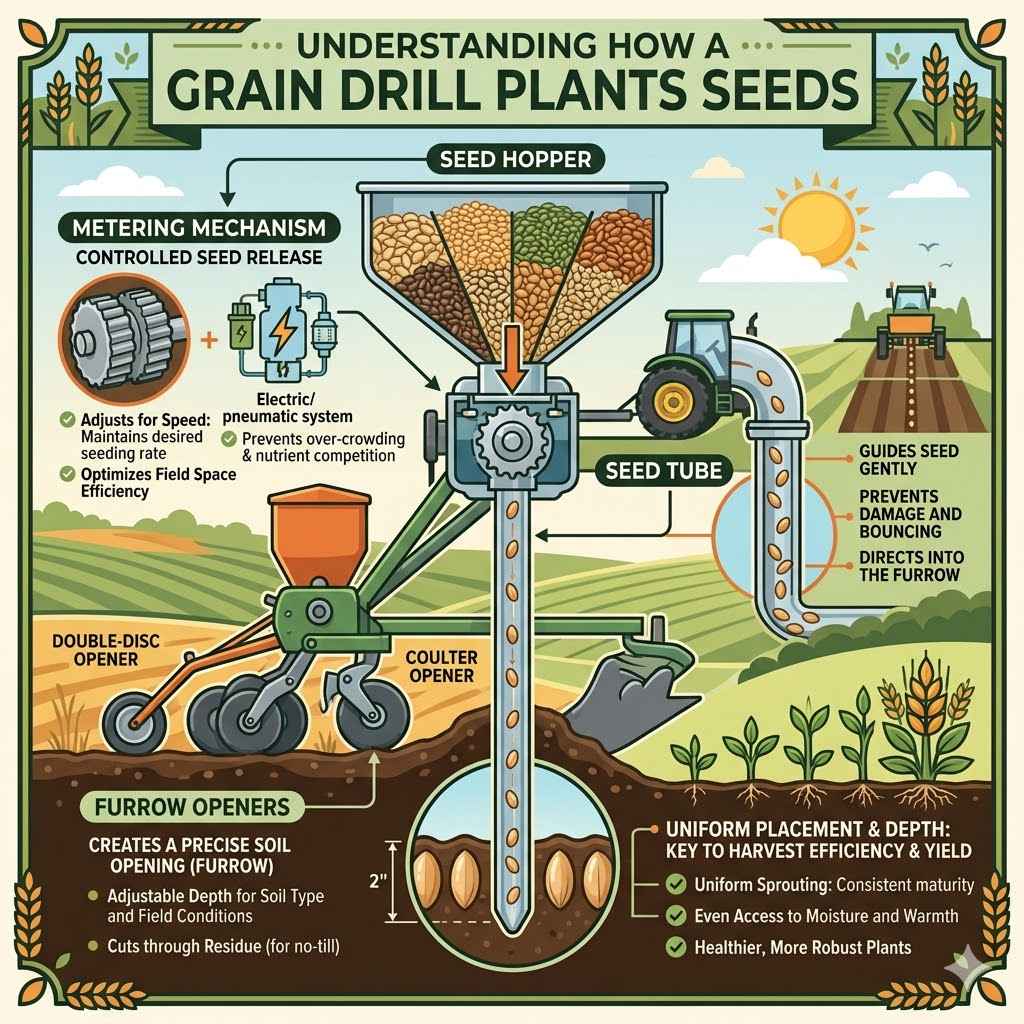
This section will explore the fundamental mechanics of a grain drill. We will look at how it prepares the soil and places seeds precisely. Understanding these steps is key to appreciating the efficiency of modern farming practices.
You will learn about the different parts that make this machine work and why each one is important for successful planting. This knowledge helps farmers make better decisions for their fields.
The Role of the Hopper and Metering Mechanism
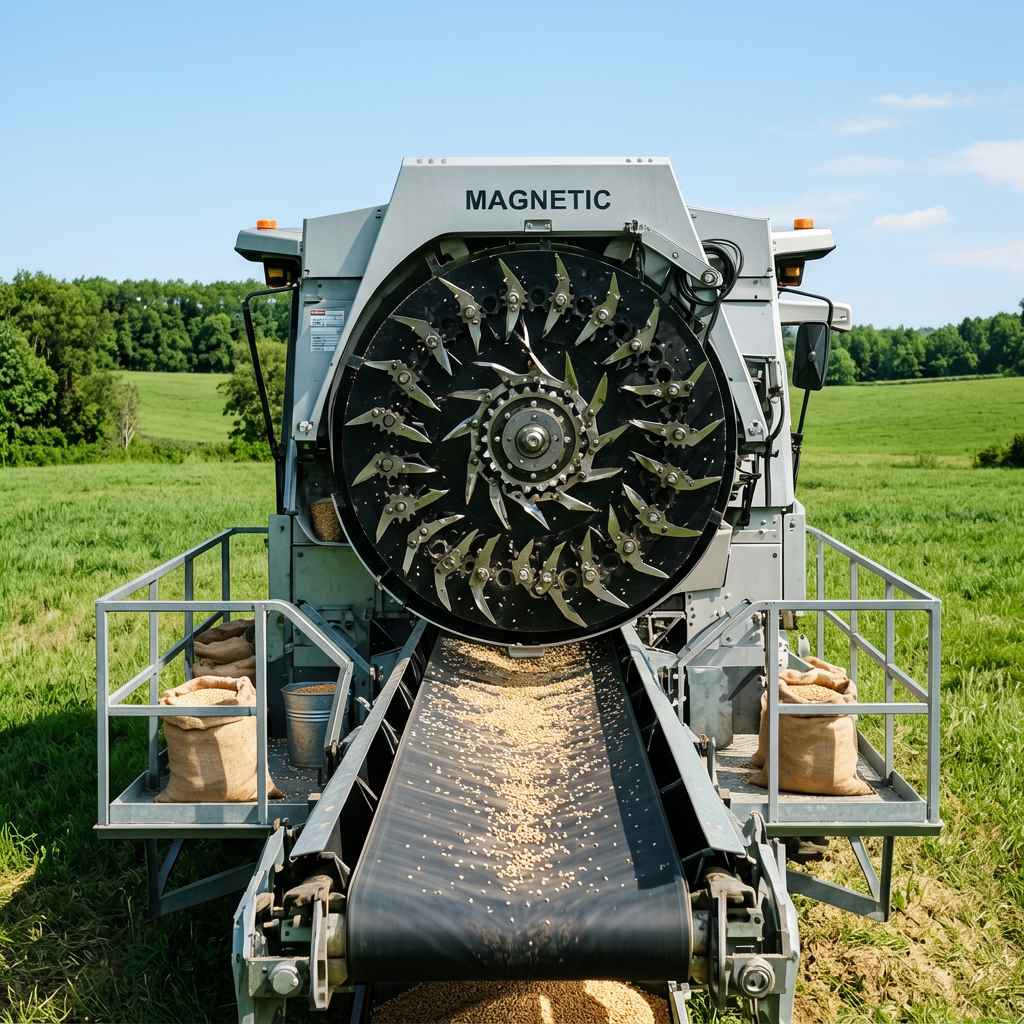
The hopper is where the seeds are stored before they are planted. Think of it like a big container on top of the drill. It holds all the seeds ready to go.
The metering mechanism is the smart part that controls how many seeds come out and when. It ensures that seeds are spaced just right.
This mechanism is crucial because planting too many seeds too close together can cause them to compete for water and nutrients. This competition leads to weaker plants and a smaller yield. On the other hand, planting seeds too far apart means you might not use your field space efficiently.
The metering mechanism uses various methods to release seeds at a consistent rate, making sure each seed has the best chance to grow.
For example, older drills might use fluted rollers that turn and push seeds out. Newer, more advanced drills use electric or pneumatic systems that offer even more precise control. The speed at which the drill moves also affects how many seeds are planted per acre.
The metering system adjusts for this to maintain the desired seeding rate.
How the Seed Tube Delivers Seeds
Once the metering mechanism releases a seed, it travels down a seed tube. This tube guides the seed from the drill down to the soil. The length and angle of the seed tube are designed to ensure the seed lands gently and accurately where it needs to go.
The seed tube is more than just a simple pipe. Its design prevents seeds from bouncing around or getting damaged on the way down. It directs the seed precisely into the furrow, or the small trench, that the drill opens up.
This controlled delivery is vital for ensuring uniform seed depth, which is a major factor in germination success.
Imagine a seed falling from a great height without a guide. It could land anywhere, and the impact might even harm it. The seed tube acts like a controlled chute, ensuring each seed is placed with care.
This is a simple but incredibly important part of the grain drill’s operation.
The Furrow Opener and Its Function
To place seeds properly, the drill needs to create a small opening in the soil called a furrow. The furrow opener is the part of the grain drill that does this. It cuts a precise slice into the ground where the seed will be dropped.
There are different types of furrow openers, such as discs or coulters. Disc openers use sharp, angled metal discs that rotate, cutting through the soil. Coulter openers use a sharp, knife-like blade to slice the soil.
The choice of opener often depends on the soil type and field conditions. For instance, in no-till farming, openers are designed to cut through residue without disturbing too much of the soil surface.
The depth of the furrow is critical. It needs to be deep enough to protect the seed from drying out and from being eaten by birds, but not so deep that the seedling struggles to emerge. The furrow opener’s design allows farmers to adjust this depth for different crops and soil conditions.
The Importance of Seed Placement and Depth
Getting the seed into the ground at the right spot and the right depth is the whole point of a grain drill. When seeds are planted uniformly, they sprout at about the same time. This means the plants grow together, making harvesting easier and increasing the overall yield.
Uniform seed depth ensures that all seeds receive the same amount of moisture and warmth from the soil. This consistent environment promotes even germination. If seeds are at different depths, some may sprout early while others are delayed, leading to uneven crop maturity.
For example, corn seeds planted at a consistent 2 inches deep will germinate much more predictably than seeds planted at depths ranging from 1 to 4 inches. This predictability allows farmers to better manage their crops throughout the growing season. It also leads to a healthier, more robust stand of plants.
Types of Grain Drills and Their Features
Grain drills are not all the same. They come in various designs, each suited for different farming needs and conditions. Understanding these types helps farmers choose the best equipment for their specific crops and land.
We will look at the common ones and what makes them unique.
Conventional Grain Drills
Conventional grain drills are the most traditional type. They typically prepare the seedbed and plant seeds in a single pass. This means they till the soil, break it up, and then plant the seeds all at once.
These drills are effective in fields that have been plowed and worked. They usually consist of a toolbar with multiple rows of openers. Each opener is followed by a press wheel that firms the soil around the seed.
This firming action is important for good seed-to-soil contact, which helps seeds absorb moisture and sprout.
While efficient for some operations, conventional drills can lead to soil erosion if used too often on sloped land. They also require more power to operate because they are doing multiple jobs at once. Farmers often use them after primary tillage has already loosened the soil.
No-Till and Minimum Tillage Grain Drills
In contrast to conventional drills, no-till and minimum tillage drills are designed to disturb the soil as little as possible. They are perfect for farmers who want to conserve soil, reduce erosion, and save on fuel costs.
These drills have specialized openers that can cut through crop residue left on the surface from the previous harvest. They plant seeds directly into the undisturbed soil. This practice helps maintain soil structure, improves water infiltration, and adds organic matter back into the soil over time.
The openers on these drills are often more robust, sometimes featuring large discs that can power through tough surface conditions. They might also have features to manage the residue, pushing it aside to allow for better seed placement. This approach is becoming increasingly popular as farmers focus on sustainable agriculture.
Air Seeders and Box Drills
Air seeders use fans to blow seeds through tubes to the furrow openers. This system allows for a wider distribution of seeds and can handle a variety of seed sizes. They are often used for planting large acreages quickly.
Box drills, on the other hand, have hoppers that are designed like boxes. They are generally simpler and more common for smaller farms or specialized crops. Their metering mechanisms might be mechanical, relying on gear ratios and roller speeds to control seed flow.
Air seeders can also be used to apply fertilizer along with seeds, adding another layer of efficiency. The ability to broadcast seeds or plant them in specific rows makes them very versatile. Box drills are known for their durability and straightforward operation, making them a reliable choice for many farmers.
Seed Row Fertilizer Application
Many modern grain drills have the capability to apply fertilizer at the same time as planting seeds. This is a significant advantage because it provides the young plants with essential nutrients right from the start. Fertilizing at planting time is known as “starter fertilizer” application.
This feature usually involves a separate tank or compartment on the drill for fertilizer. The fertilizer is then metered and applied either directly with the seed or placed very close to the seed row. This placement is important to avoid “burning” the young seedlings with too much concentrated fertilizer.
Applying fertilizer with the grain drill saves farmers a trip across the field. It also ensures that nutrients are available to the plant when it needs them most during its early growth stages. This can lead to stronger, healthier plants and better yields.
This integrated approach is a hallmark of efficient agricultural practices.
Benefits of Using a Grain Drill
Using a grain drill offers many advantages for farmers, leading to improved crop performance and more efficient farm operations. This tool is central to achieving high-quality harvests and making the best use of land and resources.
Improved Seed-to-Soil Contact
A key benefit of grain drills is the excellent seed-to-soil contact they provide. When seeds are pressed firmly into the soil, they can absorb moisture more effectively. This leads to faster and more uniform germination.
The press wheels that follow the furrow openers on most drills are essential for this. They firm the soil around the seed, eliminating air pockets. These air pockets can prevent moisture from reaching the seed, delaying or preventing germination.
Good contact ensures the seed has a consistent supply of water, which is critical for its initial growth spurt.
This direct contact also helps the seed anchor itself quickly once it begins to sprout. A well-anchored seedling is less likely to be uprooted by wind or heavy rain. This improved stability contributes to a healthier plant stand throughout the growing season.
Uniform Seed Depth and Spacing
Grain drills excel at placing seeds at a consistent depth and spacing. This uniformity is vital for several reasons. When seeds are all at the same depth, they germinate at the same time.
This even germination means all plants in the field grow at a similar rate. They emerge from the soil together and reach maturity together. This makes crop management tasks like weeding and harvesting much more efficient and effective.
It also leads to a more predictable and higher overall yield because the entire crop develops uniformly.
Consistent spacing also ensures that plants do not compete excessively with each other for resources like sunlight, water, and nutrients. Each plant has adequate space to develop its root system and foliage, leading to stronger, healthier individual plants. This is the foundation for a successful harvest.
Increased Yield and Crop Quality
The combined effects of uniform germination, depth, and spacing directly contribute to increased crop yield and improved quality. When plants grow uniformly, they are generally healthier and more productive.
A well-established stand of plants means better utilization of available resources. This leads to more grains, fruits, or vegetables being produced. Furthermore, uniform maturity means that when harvest time comes, most of the crop is ready at once.
This reduces losses that can occur if some parts of the crop are overripe while others are not yet mature.
For example, studies have shown that precise seeding rates and depths achieved by grain drills can boost wheat yields by up to 10% compared to less precise methods. The quality of the grain is also often better, with fewer damaged kernels and more consistent size. This translates to higher market value for the farmer.
Soil Conservation and Reduced Erosion
Using grain drills, especially no-till and minimum tillage types, significantly helps in conserving soil and reducing erosion. By minimizing soil disturbance, these drills leave crop residue on the surface.
This residue acts as a protective blanket for the soil. It shields the soil from the impact of rain, which can dislodge soil particles and lead to erosion. It also helps absorb water, reducing runoff and allowing more moisture to seep into the ground.
This keeps the soil in place and preserves its fertility.
Furthermore, reduced tillage means less fuel consumption and fewer passes over the field. This not only saves farmers money but also reduces soil compaction. Compacted soil is less permeable to water and air, hindering root growth and overall plant health.
Conservation tillage practices are therefore essential for long-term farm sustainability.
Maintaining Your Grain Drill for Optimal Performance
Just like any farm equipment, a grain drill needs proper care and maintenance to work its best. Regular checks and timely repairs ensure it performs reliably season after season. This keeps your investment in good shape and avoids costly downtime during critical planting periods.
Regular Cleaning and Lubrication
After each use, it is crucial to clean your grain drill thoroughly. Remove any soil, crop residue, and debris that may have accumulated. This prevents buildup that can cause wear and tear on moving parts.
Lubrication is also vital. Moving parts like bearings, chains, and gears need to be lubricated regularly according to the manufacturer’s recommendations. Proper lubrication reduces friction, prevents parts from seizing up, and extends the lifespan of the drill.
Use the correct type of lubricant specified in your drill’s manual.
For example, a small amount of grease applied to pivot points can make a big difference in how smoothly the drill operates. Similarly, ensuring that chains are clean and lightly oiled prevents them from rusting and becoming stiff. This simple maintenance routine pays off greatly in the long run.
Inspecting Wear Parts
Grain drills have several parts that are designed to wear out over time. These include furrow opener blades, press wheels, and metering components. Regular inspection of these parts is essential.
When wear parts become excessively worn, they can affect planting accuracy. Worn opener blades might not cut the soil effectively, and worn metering parts can lead to inconsistent seed spacing. It is best to replace these parts before they become too damaged, as this can impact your entire crop.
A good practice is to check these wear items at the end of each planting season and order replacements so they are ready for the next season. This proactive approach prevents delays when you need the drill most. For instance, if your furrow opener blades are significantly dulled, they may not penetrate the soil properly, leading to poor seed placement.
Calibration for Accurate Seeding Rates
Calibration is the process of ensuring your grain drill is planting at the correct seeding rate. This means making sure the correct number of seeds per acre is being planted. This step is absolutely critical for optimizing yield.
Calibration involves adjusting the metering mechanism based on the seed type and the desired seeding rate. Farmers typically do this by setting gears or adjusting settings according to a chart provided with the drill. They then test the drill by turning the drive mechanism a set number of times and counting the seeds dispensed.
If the actual number of seeds dispensed does not match the target, adjustments are made until the calibration is accurate. Incorrect calibration can lead to over-seeding, which wastes seed and can reduce yield due to competition, or under-seeding, which results in a thinner crop and lower yield.
Checking for Damage and Loose Connections
Before and during the planting season, inspect the entire drill for any signs of damage. Look for bent or cracked components, loose bolts, or damaged hoses. Also, check all electrical and hydraulic connections to ensure they are secure and functioning correctly.
Loose connections can lead to unexpected failures. For instance, a loose hydraulic hose can leak fluid, causing the drill’s functions to stop working. A loose bolt on a seed tube could cause it to detach, resulting in seeds being planted in the wrong place or not at all.
Take the time to go over the drill systematically. Ensure that all parts are securely fastened and that there are no visible signs of wear or breakage that could compromise its operation. This thorough check helps prevent mechanical issues during crucial planting times.
How Does a Grain Drill Work? Local Agricultural Guide
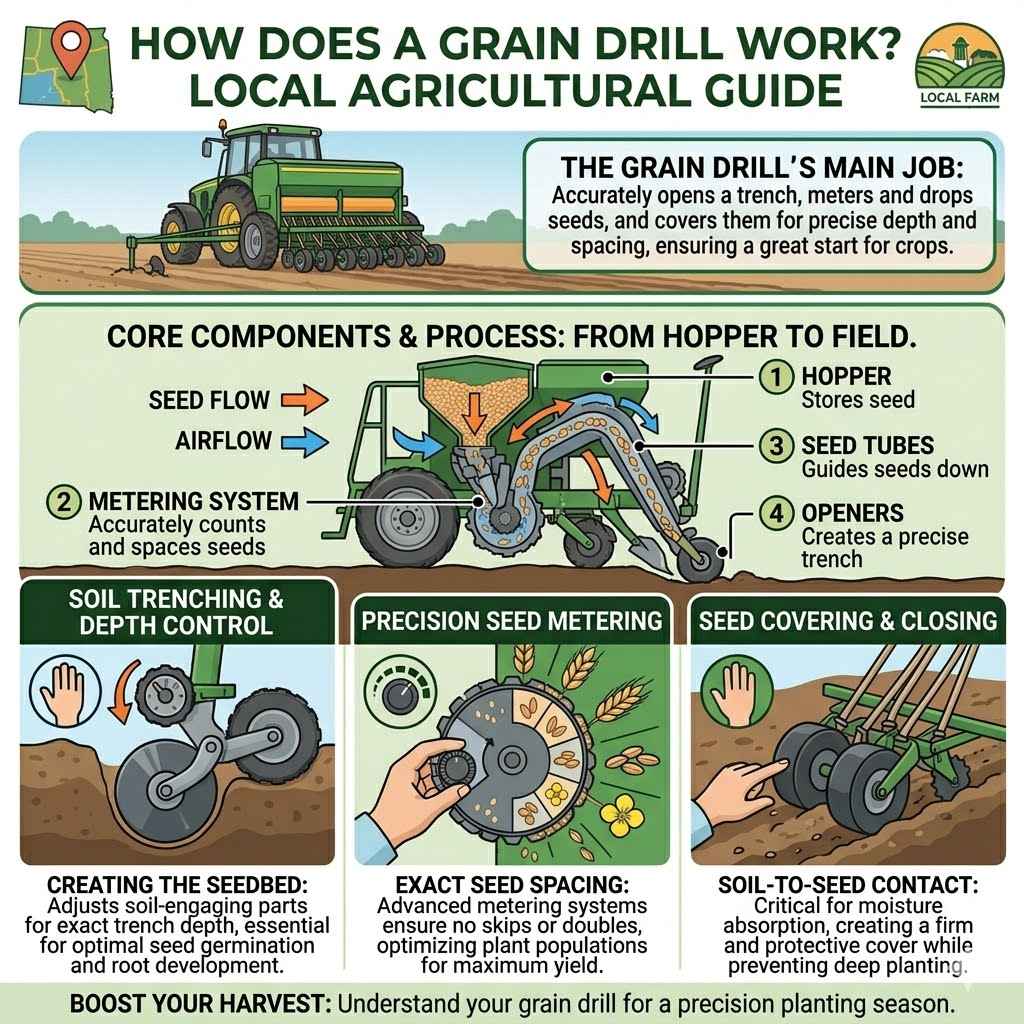
The grain drill’s main job is to plant seeds accurately and efficiently. It does this by opening a small trench in the soil, dropping seeds into it, and then covering them back up. This ensures seeds are at the right depth and spacing for good growth.
Farmers use them to get the best possible start for their crops, leading to better harvests. Understanding its parts, like the hopper, metering system, seed tubes, and openers, helps appreciate its role.
Frequently Asked Questions
Question: What is the main purpose of a grain drill
Answer: The main purpose of a grain drill is to plant seeds at a consistent depth and spacing, ensuring uniform germination and optimal crop growth.
Question: How does a grain drill prepare the soil
Answer: Most grain drills, especially conventional ones, prepare the seedbed by tilling and breaking up the soil with openers. No-till drills minimize soil disturbance, cutting through residue to plant seeds directly.
Question: Why is seed depth important
Answer: Seed depth is important because it ensures seeds have access to consistent moisture and protection from elements and pests, leading to even germination and healthy seedling development.
Question: Can grain drills plant more than just grains
Answer: Yes, grain drills can be used to plant various small-seeded crops such as soybeans, canola, alfalfa, and cover crops, depending on the drill’s setup and seed type.
Question: What is calibration for a grain drill
Answer: Calibration is the process of adjusting the drill’s settings to ensure it plants the correct amount of seed per acre, which is vital for yield and efficiency.
Summary
A grain drill is a farm tool that plants seeds precisely. It stores seeds in a hopper, uses a metering mechanism to control flow, and delivers them through tubes into furrows made by openers. This ensures correct depth and spacing for strong crop growth and higher yields.
Regular maintenance keeps the drill working well.