Menards Wood Screws: Grip Fast vs. GRK, SPAX & CAMO Explained
Menards’ own house brand for wood screws is Grip Fast, covering deck screws, general-purpose wood screws, and drywall screws at a lower price point than name brands. Alongside Grip Fast, Menards also stocks name-brand fasteners including GRK, SPAX, CAMO, Grabber, and Grip-Rite — so “Menards wood screws” isn’t really one product, it’s a shelf of options that differ in drive type, thread pattern, and coating far more than they differ by brand name alone.
What Menards Actually Stocks
A Name-Brand Option Menards Also Carries
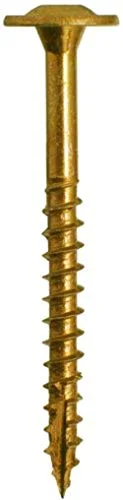 |
GRK Cabinet HandyPak #8 x 1-1/4″ (100 ct) – $14.31 Star-drive cabinet screws with a self-countersinking head — a good example of the star-drive, coarse-thread combination worth comparing against Menards’ own Grip Fast line.
|
Grip Fast is Menards’ in-house brand and the budget default on the shelf — general wood screws, deck screws, and drywall screws in standard packaging, usually priced noticeably below the name-brand alternatives sitting next to them. GRK and SPAX are premium name brands known for star-drive heads and aggressive thread patterns designed to minimize pre-drilling. CAMO screws are specifically built around Menards’ (and other retailers’) pocket-hole and deck-fastening systems, with a self-countersinking head shape matched to CAMO’s own jigs. Grip-Rite, despite the similar name to Grip Fast, is a separate, independently recognized fastener brand also sold at Menards, focused heavily on structural and exterior-rated screws. The price gap between the house brand and a premium name brand is usually a matter of coating quality and thread engineering, not a difference in basic raw materials.
Drive Type Matters More Than Brand Name
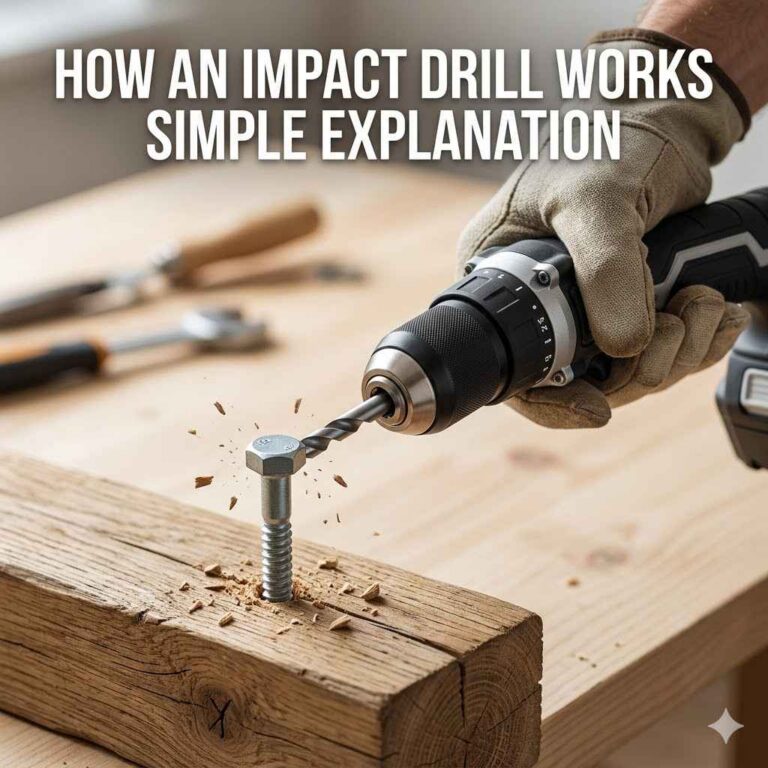
Phillips-head screws are the cheapest and most common, but they’re also the most prone to cam-out — the driver bit slipping out of the screw head under torque, which strips the head and can slip and scratch your workpiece. Square (Robertson) drive holds the bit more securely and resists cam-out noticeably better, which is why many mid-range wood screws use it. Star drive (also called Torx) offers the best bit engagement of the three and is standard on premium brands like GRK and SPAX specifically because it tolerates the higher torque of an impact driver without stripping. If you’re driving screws with an impact driver rather than a standard drill, star drive is worth paying extra for — impact drivers are exactly the tool that makes Phillips heads strip most often.
Coarse vs. Fine Thread: Matching Screw to Wood Type
Coarse-thread screws (fewer, deeper threads per inch) grip softwood like pine and fir aggressively and resist pulling out of open, less-dense grain. Fine-thread screws (more threads per inch, shallower depth) are the better choice in hardwoods and manufactured sheet goods like MDF and plywood, where coarse threads can split the material or fail to bite as effectively into denser, tighter grain. Using a coarse-thread screw in hardwood without pre-drilling is a common cause of split boards; using fine-thread in soft, open-grained wood can mean a weaker hold since the shallower threads have less material to grip.
Coatings and Pressure-Treated Lumber Compatibility
This is the detail most wood screw buying guides skip entirely, and it matters for safety, not just longevity: modern pressure-treated lumber uses ACQ (alkaline copper quaternary) as its preservative, and that copper content actively corrodes standard electroplated or plain steel screws from the inside out. A screw that looks fine going in can corrode and fail structurally within a few years in ACQ-treated wood. Always use fasteners explicitly rated for ACQ contact — hot-dip galvanized (G185 or better), stainless steel, or a manufacturer’s specific ACQ-rated coating (branded names vary, like Grip-Rite’s PrimeGuard or GRK’s proprietary coatings). This applies to any pressure-treated deck, fence, or outdoor structure; using an uncoated interior screw there isn’t a minor mistake, it’s a structural failure waiting to happen.
Head Shape: Bugle, Flat, and Pan/Truss
A bugle head has a rounded transition under a flat top, which lets it sink smoothly into softer materials like drywall or softwood without a pre-cut countersink — it’s the standard shape on deck and general construction screws for exactly that reason. A flat (countersunk) head has a sharper, more angled underside meant to sit flush after driving into a pre-drilled countersink, common on cabinet and finish work where a proud screw head would be visible or catch on something. Pan and truss heads sit entirely above the surface rather than sinking in, and show up mainly on utility and sheet-metal-adjacent applications rather than typical woodworking — if a project calls for the screw head to disappear into the wood, bugle or flat is what you want, not pan or truss.
Deck Screws vs. General-Purpose Wood Screws
Deck screws are a specific category built around three things general wood screws often skip: a corrosion-resistant coating rated for outdoor and treated-lumber exposure, a self-countersinking head that sits flush in decking without a separate countersink step, and a thread pattern aggressive enough to grip through composite or treated lumber without pre-drilling in most cases. Grip Fast, Grip-Rite, and GRK all sell dedicated deck screw lines that differ from their general-purpose wood screws specifically in coating and head design, not core construction. Using a general interior wood screw outdoors instead of a proper deck screw is a common shortcut that leads to premature corrosion and head failure well before the lumber itself wears out.
Choosing Screw Length and Gauge
A commonly used rule of thumb is that a screw should penetrate the base material (not counting the piece being attached) by at least half its length, and ideally two-thirds, for a solid hold — so joining two 3/4″ boards typically wants a screw around 1-1/4″ to 1-1/2″ long, not a 3/4″ screw that barely reaches the second board. Gauge (the screw’s shank diameter, like #6, #8, or #10) should scale with the load: #6-#8 covers most cabinet and furniture work, while #8-#10 is more appropriate for deck framing and anything load-bearing. A screw too thin for the job can shear under stress even if it’s long enough; one too thick can split the wood, especially without pre-drilling.
Structural Screws: When a Wood Screw Replaces a Lag Bolt
Structural screws (GRK’s RSS line and Grip-Rite’s dual-drive structural screws are common examples Menards carries) are engineered and rated to replace lag bolts in applications like deck ledger boards, beam-to-post connections, and other load-bearing joints that used to require pre-drilling for a lag bolt and washer. They’re thicker and more aggressively threaded than a standard wood screw, and unlike a general-purpose screw, they come with published load ratings you can check against your project’s engineering requirements. Don’t substitute a standard deck screw for a structural screw on a genuinely load-bearing connection like a ledger board — that’s exactly the kind of failure point building inspectors specifically check for, and the two categories aren’t interchangeable despite looking similar on the shelf.
When Pre-Drilling Actually Matters
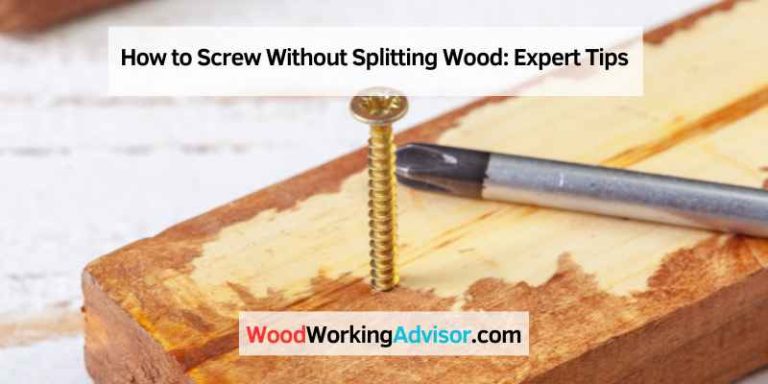
Pre-drilling is most necessary near the end of a board, in hardwood, or with a coarse-thread screw and a larger gauge — all situations where splitting risk is highest. Self-tapping screws with a sharp point and aggressive thread (common on deck screws and many name-brand options) can often skip pre-drilling in the field of a board away from the edge, especially in softwood. When pre-drilling, size the pilot hole to the screw’s root diameter (the solid core beneath the threads), not its outer diameter — too large a pilot hole defeats the thread’s grip entirely, while too small still risks splitting.
Frequently Asked Questions
What brand of wood screws does Menards carry?
Menards’ own house brand is Grip Fast, alongside name brands like GRK, SPAX, CAMO, Grabber, and Grip-Rite. Selection varies by drive type, thread pattern, and coating rather than by brand name alone.
Can I use regular wood screws on pressure-treated lumber?
No. Modern ACQ-treated lumber’s copper content corrodes standard electroplated screws. Use hot-dip galvanized (G185+), stainless steel, or a manufacturer’s ACQ-rated coated screw for any pressure-treated project.
Should I use coarse or fine thread screws for hardwood?
Fine thread. Hardwood and sheet goods like MDF and plywood hold fine-thread screws better; coarse thread can split denser material, especially without pre-drilling.
Do I need to pre-drill before driving a wood screw?
It depends on the situation. Pre-drilling matters most near board ends, in hardwood, and with coarse-thread or larger-gauge screws. Sharp self-tapping deck screws in softwood away from an edge often don’t need it.
Conclusion
Whether you reach for Menards’ own Grip Fast line or a name brand like GRK or SPAX, the decision that actually matters is drive type, thread pattern, and coating — not the logo on the box. Match thread to wood density, confirm ACQ-rated coating for anything touching pressure-treated lumber, and size length and gauge to the actual load before worrying about which brand to buy.
Sponsored / affiliate links. As an Amazon Associate I earn from qualifying purchases. I may earn additional commission from eligible campaigns.