How High is a Workbench: Essential Guide for Perfect Ergonomics
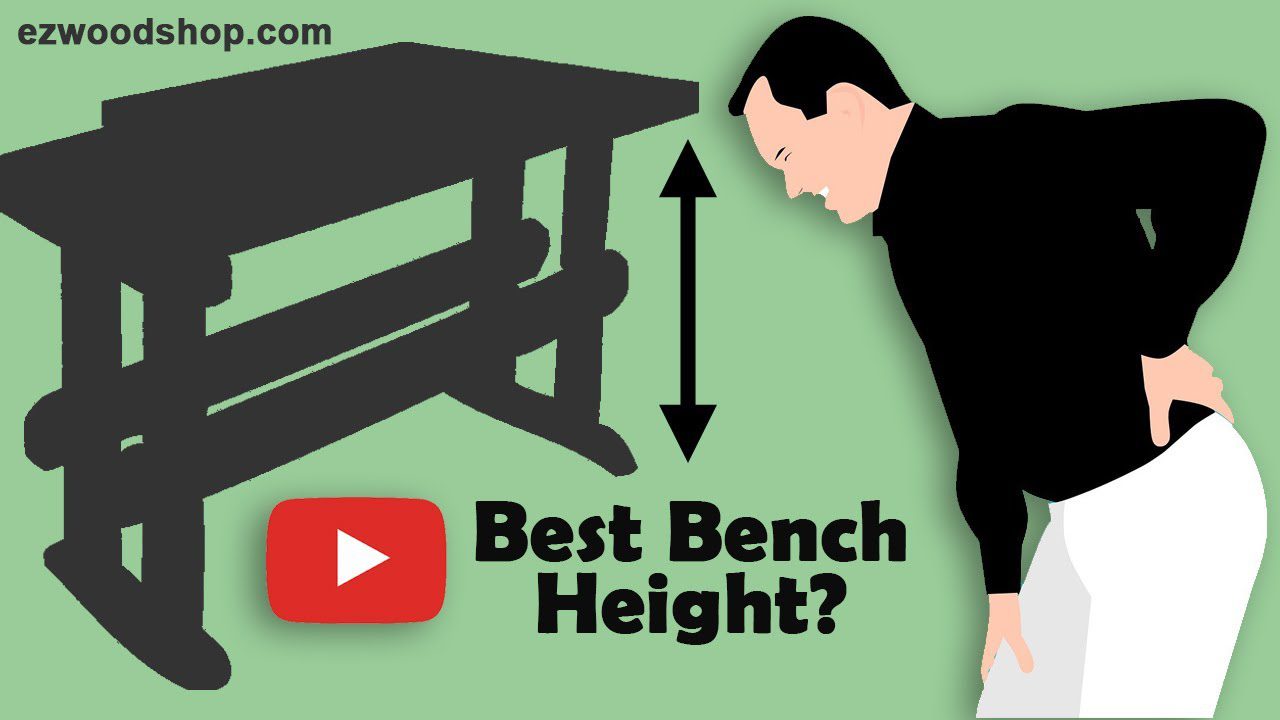
A standard workbench height is typically 36 inches. However, this can vary based on tasks and user needs.
Choosing the right workbench height is crucial for comfort and productivity. A workbench set at the correct height can prevent strain and improve efficiency. Whether you’re a DIY enthusiast or a professional, understanding optimal workbench height is essential. This guide will help you determine the best height for your needs.
It covers different factors like the type of work, your height, and ergonomic considerations. By the end, you’ll have a clear idea of how high your workbench should be for maximum comfort and functionality. Let’s dive into the details and make your workspace work for you.
Introduction To Workbench Height
A workbench should have the right height. This helps in reducing strain on your back and shoulders. A comfortable height improves your work efficiency. It is crucial for safety and productivity. The height depends on the type of work you do. Standing or sitting, it must be comfortable. The height should match your height.
Importance Of Proper Height
Proper height prevents injuries. It keeps you from bending too much. It also prevents slouching. This can help you avoid back pain. With the right height, you can work longer. You will feel less tired. It also boosts your work quality.
Common Workbench Height Standards
| Type of Work | Recommended Height |
|---|---|
| General Work | 34 – 36 inches |
| Precision Work | 37 – 39 inches |
| Heavy Work | 28 – 30 inches |
Factors Influencing Workbench Height
Different tasks need different bench heights. Precision work like jewelry making needs a higher bench. This reduces strain on your eyes and neck. Heavy-duty tasks like carpentry need a lower bench. This allows better leverage and strength.
User height is critical. Taller people need higher benches. Shorter people need lower benches. Comfort is key. Long hours need a good setup. Avoid strain and injury by setting the right height. Adjust as needed.
Ergonomic Principles
Good posture is key for comfort. Always keep your back straight. Your feet should rest flat on the floor. Elbows must be at 90-degree angles. Eye level should match the top of your screen. This reduces neck strain. Adjust your chair if needed.
Workbenches come with various height options. Some have adjustable legs. Others use hydraulic systems. Manual adjustments are also common. Choose a workbench that fits your needs. Make sure it can be set to your ideal height. This prevents back and neck pain.

Credit: www.pinterest.com
Measuring The Right Workbench Height
You will need a few tools. A tape measure is essential. Also, get a pencil and paper. These will help you note measurements. A level is also useful. Make sure it is flat and balanced.
First, stand straight. Your elbows should be at a 90-degree angle. This is your ideal height. Use the tape measure to measure from the floor to your elbows. Write this number down.
Next, measure the tools you will use. Place them on the workbench. Make sure they are comfortable to use. Adjust the height if needed. Your back should not hurt.
Finally, double-check all measurements. Make sure the workbench is stable. Use the level to confirm. A good height makes work easy.
Adjustable Vs. Fixed Workbenches
An adjustable workbench can fit different users. This type of bench allows the user to change its height. This is good for reducing strain on the body. Adjusting the height helps with tasks. For example, delicate tasks need a higher position. Heavy tasks need a lower position. It suits many needs.
Fixed height workbenches are strong. They are good for tasks that need stability. They do not wobble. They are often cheaper. They need less care. They are good for heavy-duty work. If the user does the same task often, fixed height is fine.
:max_bytes(150000):strip_icc()/631-17ac189110804ae081fd5c3c44584e54.jpg)
Credit: www.woodmagazine.com
Customizing Your Workbench
Making your workbench fit your needs is important. Raise or lower the legs. Use wood blocks or adjustable feet. This can help you work better. Ensure it’s stable and strong. Always check the level with a spirit level.
Seek help from a carpenter for a perfect fit. They can customize height, size, and features. This ensures comfort and efficiency. They use high-quality materials. This can make the bench last longer.
Common Mistakes To Avoid
Ignoring ergonomics can lead to many problems. Your back and neck may hurt. Hands and wrists can feel sore. A workbench that is too high or low causes strain. This is bad for long-term health. Adjust the height to suit your body. This will help you work better. You will also feel more comfortable. Take breaks often. Stretch your muscles. This prevents stiffness and pain.
Using the wrong tools slows down your work. It can also damage your project. Always choose the right tool for the job. A hammer for nails. A saw for cutting wood. Using the right tools keeps you safe. Your work will be better and faster. Store your tools properly. This keeps them in good shape. Replace old or damaged tools. They can be dangerous.
Maintaining Workbench Ergonomics
Keep the workbench at the right height. It helps avoid back pain. Check the height often. Tools should be within reach. It makes work easier. Adjust the bench if needed.
Different tasks need different heights. Adjust the bench for each task. Cutting wood may need a different height. Painting may need another height. Try to find the best height for each job. It helps in doing work comfortably.

Credit: theartoflutherie.com
Frequently Asked Questions
What Is The Standard Height Of A Workbench?
The standard height of a workbench is typically around 34 to 36 inches. This height is comfortable for most people.
How Can I Adjust My Workbench Height?
You can adjust your workbench height by using adjustable legs or adding risers. Customizing the height ensures ergonomic comfort.
Why Is Workbench Height Important?
Workbench height is important to prevent strain and improve work efficiency. Proper height ensures comfort and reduces the risk of injury.
What Factors Influence Workbench Height?
Factors influencing workbench height include the type of work, user height, and ergonomic requirements. These ensure optimal comfort and efficiency.
Conclusion
Choosing the right workbench height is essential for comfort and productivity. Standard heights range from 28 to 38 inches. Consider your own height and tasks. Adjustable workbenches offer flexibility for different needs. Always prioritize ergonomics to avoid strain and injury.
Investing in the right workbench height improves your work experience. Ensure your workspace is set up correctly. Happy working!