What Is Prime Lumber? Why It’s Not an Official Grading Term
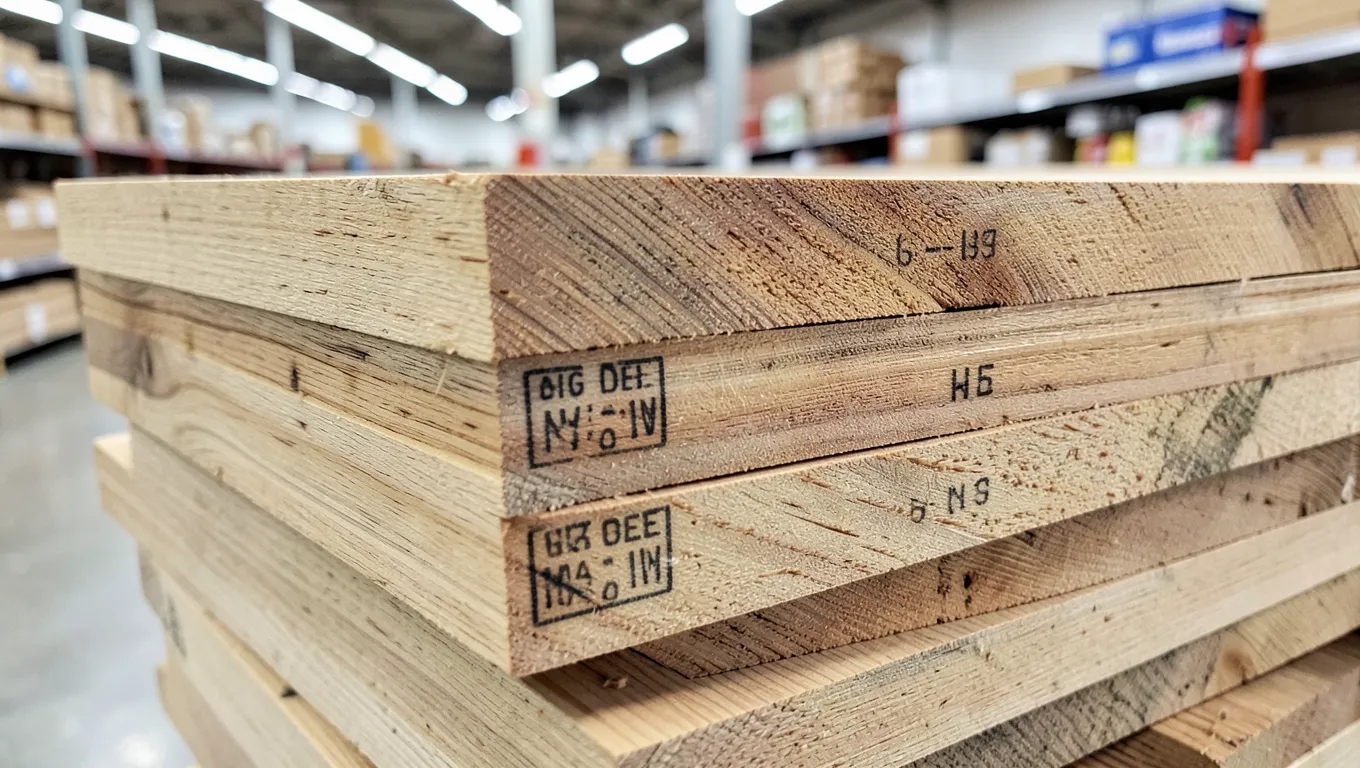
“Prime lumber” is not an official grading-agency stamp the way No.2, Stud, or Select Structural are — it’s a retail merchandising tier (most associated with the tiered pricing system at Menards) for framing lumber that’s been picked for straightness, fewer/smaller knots, and better appearance than the store’s standard or utility-grade stock. The lumber underneath the “Prime” label still carries its real grade stamp from an agency like the WWPA or SPIB — that stamp, not the retail tier name, is what actually tells you the wood’s structural rating.
The Real Grading System “Prime” Sits On Top Of
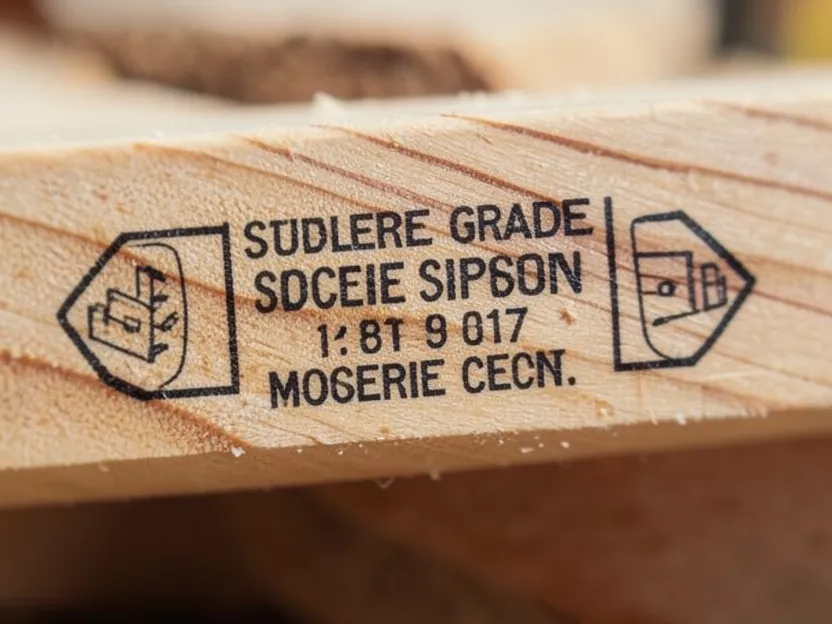
Every piece of structural dimensional lumber sold in North America carries a grade stamp from an accredited agency (WWPA, SPIB, WCLIB, and others certified under the American Lumber Standard). That stamp lists four things: the mill’s identification number, the species or species group (like SPF for spruce-pine-fir), the moisture content at grading (S-DRY or KD for kiln-dried, S-GRN for green), and the grade itself — Select Structural, No.1, No.2, No.3, Stud, Construction, Standard, or Utility, from strongest/clearest down to weakest. “Prime” doesn’t appear anywhere in that official list. A board sold as “Prime” is still graded No.2 or better underneath — the retailer is layering a second, informal sorting pass on top for appearance, not issuing a new structural rating.
What “Prime” Actually Means at the Store
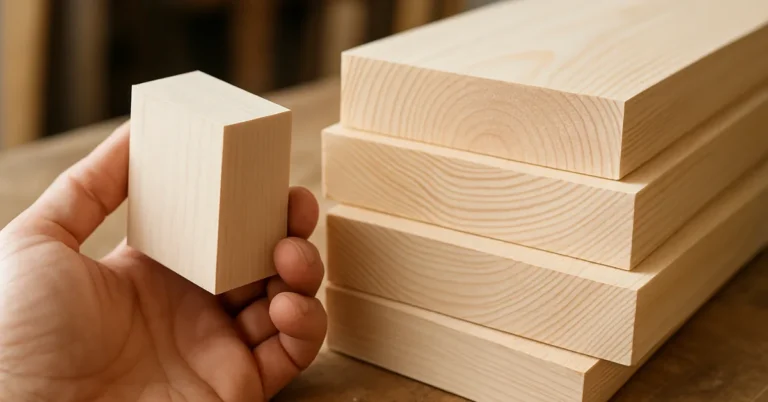
At stores that split framing lumber into visible price tiers, “Prime” typically sits above “Standard” or “Utility” grade and is hand-selected (or at least better-sorted) for straighter boards, smaller and fewer knots, and less wane (bark edge) along the corners. It costs more per board than the base tier for the same nominal size and species, and the extra cost is buying you appearance and workability, not extra load capacity — a Prime 2×4 and a Standard 2×4 of the same underlying grade stamp are rated for the same structural loads.
How to Judge a Board Yourself, Regardless of the Label
- Sight down the length from one end — hold the board at eye level and look for crown (a lengthwise bow) or twist. A board can be labeled Prime and still have a bow if it warped after grading.
- Check the moisture content code in the stamp: S-DRY or KD means 19% or less at grading, which shrinks and moves less after installation than S-GRN (green, unseasoned) lumber.
- Look at knot size relative to board width — a knot larger than about a third of the board’s width is a structural weak point regardless of what tier it was sold under.
- Check the edges for wane (missing corner where bark used to be) — more wane means less usable width and a weaker edge for fastening.
When Paying More for “Prime” Is Worth It
Pay for the upgraded tier when the lumber will be visible or handled a lot — exposed ceiling joists, shelving, workbenches, sawhorses, or any framing that won’t be hidden behind drywall. Skip it for lumber that’s going inside a finished wall or under a subfloor, since nobody will ever see the knots or minor bow once it’s fastened in place and covered; putting Prime-tier money into hidden framing is spending on appearance nobody will experience.
Don’t Confuse This With Hardwood Grading
Hardwood lumber (oak, maple, walnut, cherry) uses a completely separate system from the National Hardwood Lumber Association: FAS (First and Seconds, the clearest and widest boards), Select, and then No.1 Common and No.2 Common, which allow progressively more knots and shorter clear-cutting sections. “Prime” isn’t part of that scale either. If a supplier uses the word “prime” for hardwood, ask directly which NHLA grade it corresponds to — the term alone tells you nothing enforceable about clear-face yield the way FAS or Select does.
Bottom Line
“Prime” is a store’s way of saying “we picked the straighter, cleaner boards out of this grade” — it’s not a substitute for reading the actual grade stamp. Check the stamp for species, moisture content, and structural grade, then use your own eyes for crown, knots, and wane before deciding whether the upgrade is worth the extra cost for that specific project.
Frequently Asked Questions
What is prime lumber?
Prime lumber is a retail merchandising tier, not an official grading-agency stamp. It refers to framing lumber that’s been sorted for straightness and appearance above a store’s standard or utility grade, while the actual structural grade (No.2 or better) is still set by the wood’s official grade stamp underneath.
How is prime lumber graded?
It isn’t graded by an official lumber grading agency under that name. The board still carries its real grade stamp (Select Structural, No.1, No.2, etc.) from an accredited agency like WWPA or SPIB; “Prime” is a store-level appearance sort applied on top of that existing grade.
Why choose prime lumber over standard grade?
Prime-tier boards are typically straighter with fewer and smaller knots and less wane along the edges, which matters for lumber that stays visible, like shelving or exposed framing. For lumber that will be hidden behind drywall or under flooring, the appearance upgrade has no practical benefit.
Is prime lumber worth the extra cost?
It depends on whether the lumber will be seen or handled. It’s worth it for exposed framing, workbenches, or shelving where straightness and appearance matter. For hidden structural framing, the standard grade carries the same load rating for less money.
Sponsored / affiliate links. As an Amazon Associate I earn from qualifying purchases. I may earn additional commission from eligible campaigns.