How Long to Wait Between Coats of Polyurethane on Hardwood Floors?
Water-based polyurethane needs 2-4 hours between coats; oil-based needs a full 24 hours. Recoat within the polyurethane’s chemical “recoat window” and coats bond without sanding — miss it, and skipping the sand step leaves a hazy, peeling finish. This guide covers exact wait times by poly type, the no-sand recoat window, and how long before you can walk on the floor or move furniture back in.
Polyurethane Recoat Times: Water-Based vs Oil-Based
Best Floor Polyurethane Pick
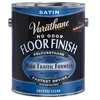
Varathane Diamond Water-Based Interior Floor Polyurethane – $86.27
The exact water-based, floor-rated formula the 2–4 hour recoat window above applies to — non-yellowing and rated for up to 3 coats in a single day.
- Best for: Recoating hardwood floors on the fast, 2–4 hour water-based schedule
- Why we picked it: Purpose-built “Interior Floor” formula with diamond-hard nano-technology for high-traffic rooms
- Main drawback: Satin sheen shows lap marks more easily than oil-based if coats aren’t applied thin and even
Compare more recoat-day options
 Option 1 Minwax Oil-Modified Polyurethane, Warm Satin – $49.95
|
 Option 2 Tru-Lamb Lambskin Floor Applicators (3-Pack) – $31.99
|
 Option 3 HUAALIUCHE 220 Grit Sanding Screens (10-Pack) – $31.99
|
As an Amazon Associate we earn from qualifying purchases.
The wait time between coats depends entirely on which polyurethane you’re using. The table below covers the full sequence — from when the surface is dry enough to recoat, to when it’s actually cured hard enough for furniture.
| Stage | Water-Based Polyurethane | Oil-Based Polyurethane |
|---|---|---|
| Recoat window (no sanding needed) | 2–4 hours | 8–24 hours (check label) |
| After the window (sanding required) | Screen with 220–320 grit first | Screen with 220–320 grit first |
| Walk on (socks only) | 6–8 hours after final coat | 24 hours after final coat |
| Furniture back in the room | 72 hours minimum | 4–7 days minimum |
| Full cure (hard enough for rugs) | 7–14 days | 7–21 days |
These are general ranges — always check your specific product label, since formulas vary even within the same brand.
The Recoat Window: How to Skip Sanding Between Coats
Most guides only tell you the drying time and stop there. What they leave out is that every polyurethane has a recoat window — a specific stretch of time where the new coat chemically bonds into the still-curing layer below it, with no sanding needed at all.
Recoat inside that window (2–4 hours for water-based, 8–24 hours for most oil-based, depending on the exact product) and the two layers fuse into one. Wait past it, and the lower coat has already cross-linked too far to bond mechanically — the new coat will sit on top instead of fusing in, which is exactly what causes peeling and delamination months later.
📊 Some oil-based polyurethanes must be recoated within 2 hours or you have to wait a full 72 hours before recoating again — Source: Minwax Fast-Drying Polyurethane product page, 2026
Missing a water-based polyurethane’s recoat window by even a few hours is the most common reason a DIY floor refinish ends up with a hazy, uneven sheen — a quick pass with a 220-grit sanding screen before the next coat almost always fixes it.
“If you’re not sure whether you caught the recoat window, run your hand over the dry coat first. If it feels glassy-smooth with zero texture, you missed it and need to scuff-sand. A properly timed recoat still has a very slight tack to the touch.”
Do You Have to Sand Between Coats of Polyurethane?
Only if you missed the recoat window. Sanding between coats isn’t about roughing up the wood — it’s about giving the new coat a mechanical grip on a lower layer that has already cured too hard to bond chemically. Use 220–320 grit, sand just enough to knock down the gloss (a dull, even sheen, not bare wood), then wipe away all dust before recoating.
If you recoat inside the window every time, you can skip sanding on every coat except the very last one before topcoat, which many pros still lightly screen for a perfectly smooth final sheen.
Factors That Affect Drying Time Between Coats
Several variables shift the recoat window in either direction, so treat the table above as a starting point, not a guarantee:
- Type of polyurethane: Water-based dries fastest (2–4 hours); oil-based needs the longest (8–24 hours, check your can). Stain follows a similar but separate timeline if you’re staining before finishing.
- Temperature and humidity: Apply between 65–75°F (18–24°C) with humidity under 50%. Higher heat speeds drying, but direct sun on wet polyurethane can cause bubbling.
- Coat thickness: A heavy coat traps solvent underneath and can stay tacky well past the label’s stated window — this is the single most common reason a recoat window “doesn’t work” as expected.
- Manufacturer’s spec sheet: Always check the actual can, since recoat windows vary by product even within the same brand.
How Long Before You Can Walk on or Move Furniture Back onto the Floor?
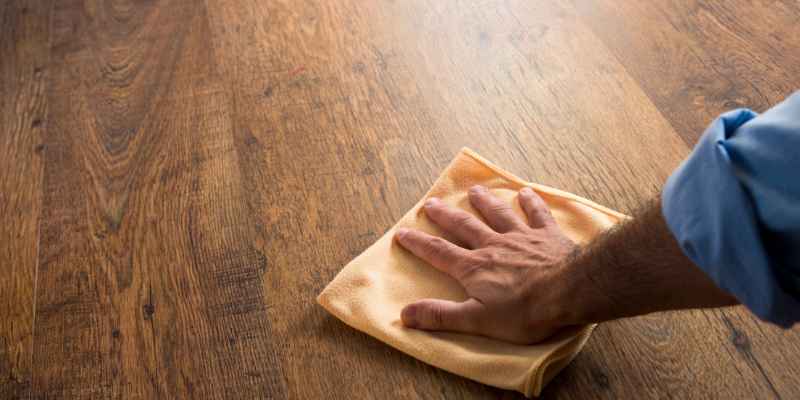
This is a separate clock from the recoat window — it starts after your final coat, not between coats. Water-based polyurethane lets you walk in socks after 6–8 hours and take normal foot traffic at 24 hours, but hold off on furniture for a full 72 hours. Oil-based needs about 24 hours before walking and 4–7 days before furniture goes back.
Full cure — the point where the finish reaches maximum hardness and can handle area rugs without trapping moisture underneath — takes 7–14 days for water-based and 7–21 days for oil-based. The sheen you choose doesn’t change these times; only the polyurethane type does.
Tips for a Successful Application
- Clean and sand the floor thoroughly before the first coat to ensure adhesion.
- Apply thin, even coats with the grain — a lambswool applicator or high-quality brush leaves fewer marks than a roller.
- Avoid excessive brushing or overlapping strokes once the coat starts to tack up.
- Let each coat dry undisturbed in a well-ventilated room, away from direct sunlight.
- If you miss the recoat window, screen with 220–320 grit sandpaper until the gloss dulls evenly — not down to bare wood.
- Vacuum and wipe away all sanding dust with a tack cloth or microfiber cloth before applying the next coat.
Frequently Asked Questions
Do you have to sand between coats of polyurethane?
Only if you missed the recoat window. Recoat within 2–4 hours (water-based) or within your product’s specified window (oil-based) and the coats chemically bond with no sanding needed. Miss it, and you need a light 220–320 grit sand to give the new coat something to grip.
How long does polyurethane take to dry?
Water-based polyurethane feels dry to the touch in about 2 hours and is ready to walk on in socks after 6–8 hours. Oil-based polyurethane takes 6–8 hours to dry to the touch and about 24 hours before walking. Both need 7 days or more to fully cure.
Can you recoat polyurethane after 24 hours without sanding?
For water-based polyurethane, no — its recoat window closes at 2–4 hours, so 24 hours is well past it and requires sanding first. Some oil-based products keep a no-sand window open for 24–36 hours, but always check the specific product label rather than assuming.
How many coats of polyurethane do I need on hardwood floors?
Most hardwood floors need 3 coats of oil-based polyurethane or 3–4 coats of water-based polyurethane for durable, even protection. Water-based needs one more coat because each layer is thinner than an oil-based coat.
How long before you can move furniture back onto a polyurethane floor?
Wait at least 72 hours after the final coat for water-based polyurethane and 4–7 days for oil-based, even though you can usually walk on both sooner. Furniture legs concentrate weight on a small area, which can dent or mark a finish that hasn’t fully hardened.
Conclusion
Getting the wait time right between coats of polyurethane comes down to one thing: knowing your product’s recoat window and hitting it. Recoat inside that window and you skip sanding entirely; miss it, and a quick 220-grit screening is the fix — not a reason to start over. Follow the manufacturer’s label for your exact product, respect the longer wait before furniture and rugs, and you’ll get a durable, even finish that holds up for years.
Sponsored / affiliate links. As an Amazon Associate I earn from qualifying purchases. I may earn additional commission from eligible campaigns.