Semi-Gloss vs High-Gloss Hardwood Floors: Which Hides Scratches?
High-gloss hardwood floors reflect far more light than semi-gloss — measuring 85+ gloss units on the industry 60-degree scale versus semi-gloss’s 35-70 GU (MPI/ASTM D523) — but that extra shine also means every scratch, footprint, and dust speck shows up more, not less. Picking the wrong sheen for a busy room means refinishing sooner than planned. This guide covers the real gloss-unit difference, which sheen hides scratches best, real cost differences, and the better pick for homes with pets and kids.
Quick Answer
Choose semi-gloss (35–70 GU) for busy rooms, pets, or kids — it hides scratches and footprints far better. Reserve high-gloss (85+ GU) for low-traffic, formal rooms where you want maximum shine and don’t mind more frequent dusting. Both sheens cost about the same per quart in major polyurethane brands.
Gloss Units: The Real Difference Between Semi-Gloss and High-Gloss
Best Overall High-Gloss Pick
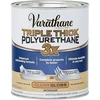
Varathane Triple Thick Polyurethane, Gloss (Quart) – $24.03
A self-leveling, one-coat formula built to minimize the lap marks that show up so easily on a high-gloss surface — the exact problem this guide flags above.
- Best for: a low-traffic formal room where you want maximum shine without visible brush strokes
- Why we picked it: self-leveling formula reduces the streaking risk unique to high-gloss finishes
- Main drawback: still shows scratches and dust more than a semi-gloss coat once cured
Compare more semi-gloss and high-gloss finish options
 High-Gloss Budget Pick Minwax Fast-Drying Polyurethane, Gloss (Quart) – $14.97
|
 Semi-Gloss Option Minwax Fast-Drying Polyurethane, Semi-Gloss (Quart) – $14.97
|
 Application Tool Tru-Lamb Lambskin Floor Applicator (3-Pack) – $31.99
|
Gloss level isn’t a marketing label — it’s a measured value. The Master Painters Institute (MPI) classifies finish sheen using a 60-degree gloss meter under ASTM D523, the same standard cited across the coatings industry. On that scale, satin runs 20–35 gloss units (GU), semi-gloss runs 35–70 GU, plain “gloss” runs 70–85 GU, and true high-gloss starts above 85 GU. Most flooring articles skip these numbers entirely and just say “shinier” — which is why it’s easy to end up with a product that’s glossier than you expected.
If you’re also weighing a lower sheen, our satin vs semi-gloss hardwood floor finish comparison breaks down the 20–35 GU satin range in the same detail.
📊 Semi-gloss measures 35–70 gloss units and true high-gloss measures above 85 GU on the 60° meter, per MPI’s ASTM D523 classification — the 70–85 GU band in between is technically just “gloss,” not high-gloss. Source: Rodda Paint, gloss-level technical guide.
Comparing Semi-Gloss and High-Gloss Hardwood Floors
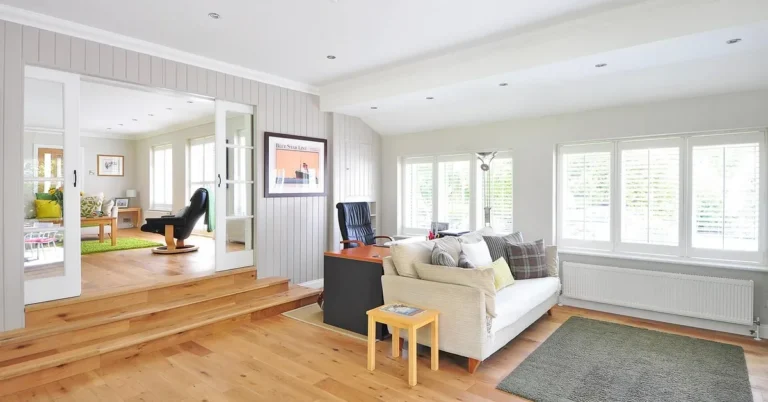
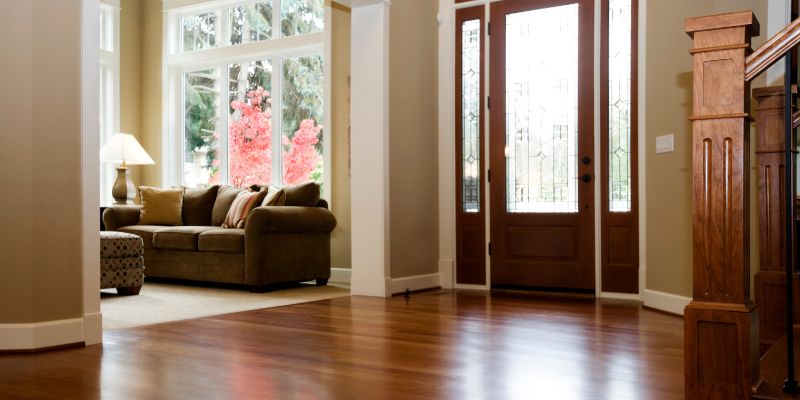
Sheen is the biggest visual difference between the two finishes. Semi-gloss has a moderate reflection that softens the room’s lighting, while high-gloss creates a mirror-like surface that bounces light directly back at the viewer.
Key Differences in Appearance
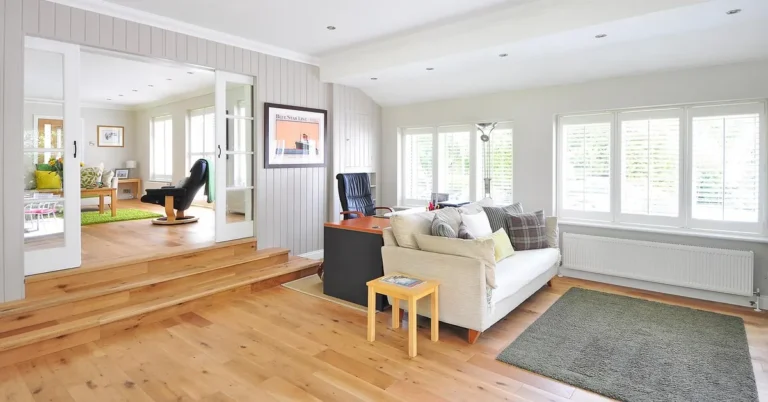
Semi-gloss hardwood floors have a moderate sheen that adds subtle elegance without turning the floor into a spotlight. The finish reflects some light and enhances the wood grain without exaggerating every plank seam.
High-gloss floors reflect a significant amount of light and create a polished, almost wet-look surface. That level of shine brightens a dim room, but it also means the floor itself becomes a visual focal point — for better or worse depending on the rest of the room’s design.
Durability and Maintenance Comparison
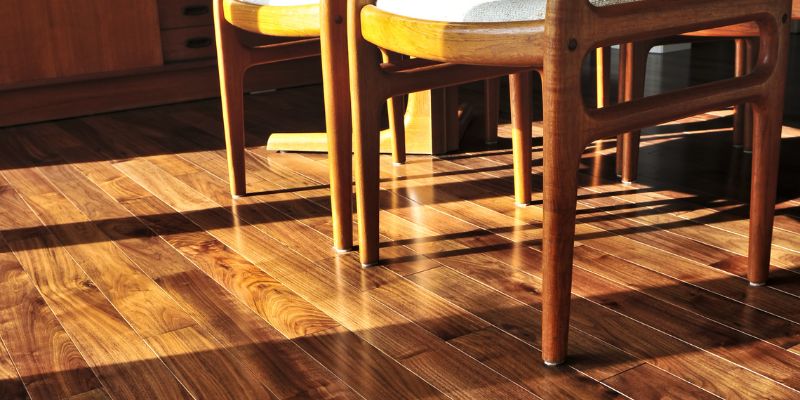
Semi-gloss is more forgiving in daily use. Its lower reflectivity diffuses light instead of concentrating it, which camouflages small scratches, scuffs, and dust — useful in high-traffic rooms or homes with pets and children.
High-gloss floors are not less durable as a coating — the polyurethane itself protects the wood the same way — but the mirror-like surface makes any scratch, footprint, or dust particle far more visible under direct light. That visibility, not the finish’s actual toughness, is what drives high-gloss floors’ reputation for “showing wear.”
Does High-Gloss Show Scratches More Than Semi-Gloss?
Yes. Light reflects directly off a high-gloss surface, so every scratch interrupts that reflection and stands out sharply — especially under sunlight or overhead lighting. Semi-gloss diffuses light across a wider angle, so the same scratch blends into the surrounding sheen instead of breaking a clean reflection.
“The less sheen, the less you will notice small scratches and other normal wear.”
This is true regardless of how well either finish is applied — it’s a property of the sheen itself, not a sign of a bad refinishing job.
Best Gloss Level for Homes With Pets and Kids
Semi-gloss is the safer choice for households with dogs, cats, or children. Nail scratches, toy drags, and everyday scuffs are inevitable in an active home, and semi-gloss’s lower reflectivity keeps those marks from standing out. High-gloss floors in the same household will show every one of those same marks clearly, often within weeks of refinishing.
High-gloss can still work in a busy home if it’s reserved for a low-traffic formal room — a dining room used a few times a month, for example — rather than a hallway, kitchen, or family room where pets and kids pass through daily.
Cost Comparison: Semi-Gloss vs High-Gloss Finish Products
Sheen level itself doesn’t change the price. Checking current listings for Minwax’s Fast-Drying Polyurethane line — the most common DIY refinishing product — a quart runs about $14.97 in either gloss or semi-gloss. The cost difference between the two sheens on a typical refinishing job is effectively zero; the real cost driver is how many coats and how much floor area you’re covering, not which sheen you pick.
Where cost does diverge is application quality: a high-gloss finish shows lap marks and brush strokes far more readily than semi-gloss, which often pushes DIYers toward a proper lambswool applicator or professional spray application — an added cost that has nothing to do with the can price.
Can You Change Sheen Without Full Sanding?
Yes, in most cases. If the existing finish is in good condition (no deep gouges or bare wood), a screen-and-recoat — a light abrasion pass followed by a fresh topcoat in the new sheen — can take a high-gloss floor down to semi-gloss or the reverse, without sanding to bare wood. Our full sanding and refinishing guide covers when a screen-and-recoat isn’t enough and a full strip-down is required instead — typically when the current finish is worn through to raw wood in high-traffic paths.
Does Sheen Level Affect Resale Value?
Indirectly, yes. Satin and matte sheens make up roughly 70% of residential hardwood installs in North America, and buyers touring a home are used to seeing that lower-sheen look as the modern default. A high-gloss floor reads as a distinctive, sometimes dated design choice to some buyers — it isn’t a defect, but it’s a more polarizing look than semi-gloss, which splits the difference between “shows well” and “looks current.”
If resale is a near-term concern, semi-gloss is the lower-risk choice; if you’re finishing a floor for your own long-term use in a formal space, high-gloss’s dramatic look is a legitimate personal preference, not a mistake.
Choosing the Perfect Finish for Your Hardwood Floors
Before deciding, evaluate your lifestyle honestly rather than picking based on a showroom sample.
- Foot traffic: A busy household with kids and pets constantly moving through will show every mark on a high-gloss floor within weeks. Semi-gloss is the more forgiving choice for daily-use rooms.
- Maintenance tolerance: High-gloss needs more frequent dusting and careful cleaning to stay looking pristine, since every bit of grit or dust is visible under direct light. Semi-gloss hides that same buildup between cleanings.
- Room purpose: Formal, low-traffic rooms (a dining room, a study) can carry high-gloss well. Hallways, kitchens, and living rooms are almost always better served by semi-gloss.
| Sheen Level | Gloss Units (60°) | Best For |
|---|---|---|
| Semi-Gloss | 35–70 GU | Everyday living rooms, hallways, homes with pets or kids |
| Gloss | 70–85 GU | Formal dining rooms, low-traffic accent areas |
| High-Gloss | 85+ GU | Showcase spaces only — minimal foot traffic, maximum shine |
Ultimately, the choice comes down to how much daily wear the floor sees versus how much dramatic shine you want. A semi-gloss finish is the practical default for most homes; high-gloss is a deliberate design statement for a room that can accommodate the upkeep it demands.
Frequently Asked Questions
Is semi-gloss better than gloss for hardwood floors?
For most homes, yes. Semi-gloss offers a balance of shine and durability, hides imperfections better than high-gloss, and needs less frequent cleaning. High-gloss is only the better choice in low-traffic, formal rooms where maximum shine matters more than low maintenance.
Does high-gloss show scratches more than semi-gloss?
Yes. High-gloss finishes reflect light directly, so scratches interrupt that reflection and stand out clearly. Semi-gloss diffuses light more broadly, which blends the same scratch into the surrounding sheen instead of highlighting it.
What is the best gloss level for hardwood floors?
Semi-gloss (35–70 GU) is the most practical all-around choice, balancing shine with forgiving wear. High-gloss (85+ GU) is best reserved for low-traffic, formal rooms, while satin (20–35 GU) suits those who want minimal shine and maximum scratch-hiding.
Can you change from high gloss to semi-gloss without sanding?
In most cases, yes — a screen-and-recoat (light abrasion plus a fresh topcoat in the new sheen) works if the existing finish is intact with no bare wood. A full sand-down is only needed if the current finish is worn through in high-traffic areas.
What are the pros and cons of high gloss wood floors?
High-gloss wood floors offer a sleek, polished appearance that brightens a room and enhances the wood grain. The tradeoffs: they show smudges, footprints, and scratches more easily, need more frequent cleaning, and can be more slippery when wet than lower sheens.
Is high gloss or low gloss hardwood floor polish better?
It depends on the room. High-gloss gives a shiny, reflective finish best suited to formal, low-traffic spaces. Low-gloss (satin or semi-gloss) provides a more natural, forgiving appearance better suited to daily-use rooms and homes with pets or kids.
What’s the best polyurethane for a high-gloss hardwood floor?
A self-leveling, one-coat gloss polyurethane — such as Varathane’s Triple Thick line — minimizes the lap marks and brush strokes that show up more visibly on a high-gloss surface than on lower sheens. Applying with a lambswool pad instead of a brush further reduces streaking.
Conclusion
Semi-gloss and high-gloss aren’t just style choices — they’re measurably different, at 35–70 GU versus 85+ GU on the industry gloss scale, and that difference drives real practical outcomes in scratch visibility, maintenance, and even resale perception. Match the sheen to how the room actually gets used, not just how it looks in a showroom sample.
Sponsored / affiliate links. As an Amazon Associate I earn from qualifying purchases. I may earn additional commission from eligible campaigns.