How Many Maple Taps Per Tree: The Proven Safe Answer
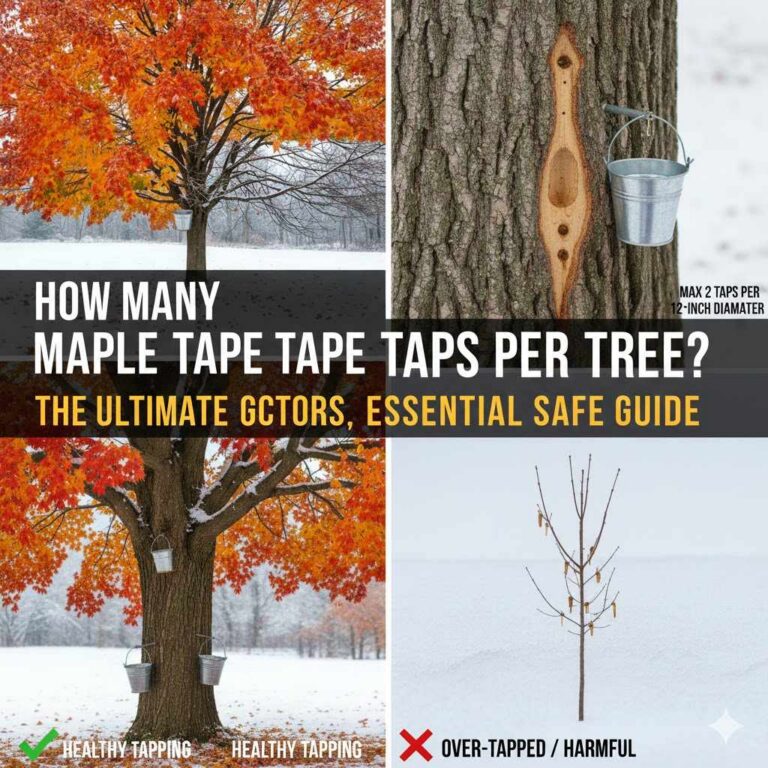
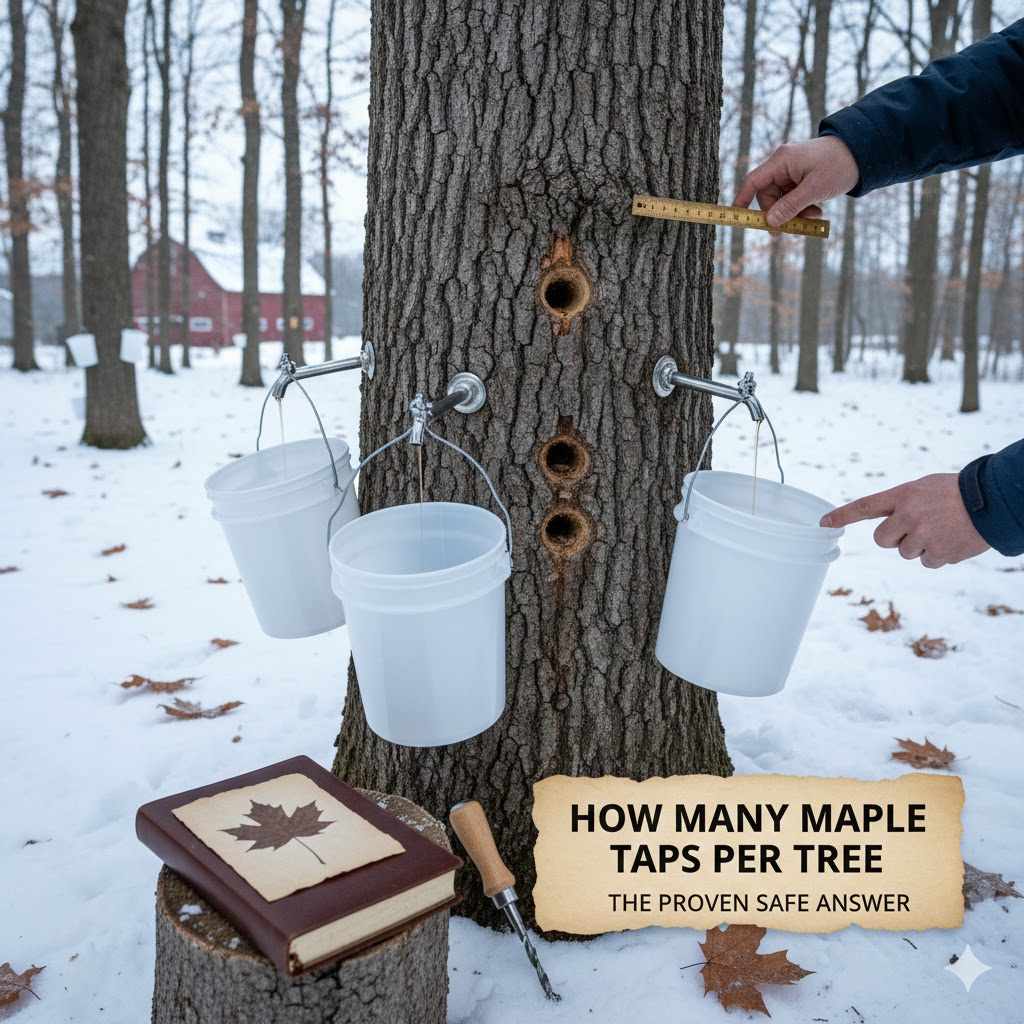
The number of taps a maple tree can safely handle depends entirely on its diameter. A tree with a 10–17-inch diameter can support one tap. A tree 18–24 inches can have two taps. A tree 25 inches or larger can have three taps. Never tap a maple tree that is less than 10 inches in diameter.
Hello there! I’m Md Meraj. In my workshop, I spend a lot of time turning wood into beautiful projects. But some of the best things wood gives us don’t require a saw at all. Making your own maple syrup is one of them. It’s a wonderful tradition. But a common question stops many folks before they start: “How many taps can I safely put in my maple tree?”
It’s a great question to ask. The last thing any of us wants to do is harm the beautiful trees that give us this sweet gift. You might hear different advice from different people. Some say one tap is always enough. Others say you can load up a big old tree. This can be confusing. But don’t worry. There is a proven, safe answer based on science and decades of experience. I’m here to walk you through it, step-by-step. Let’s learn how to partner with your trees so you can enjoy fresh syrup for years to come.
Why Your Tree’s Health Must Come First
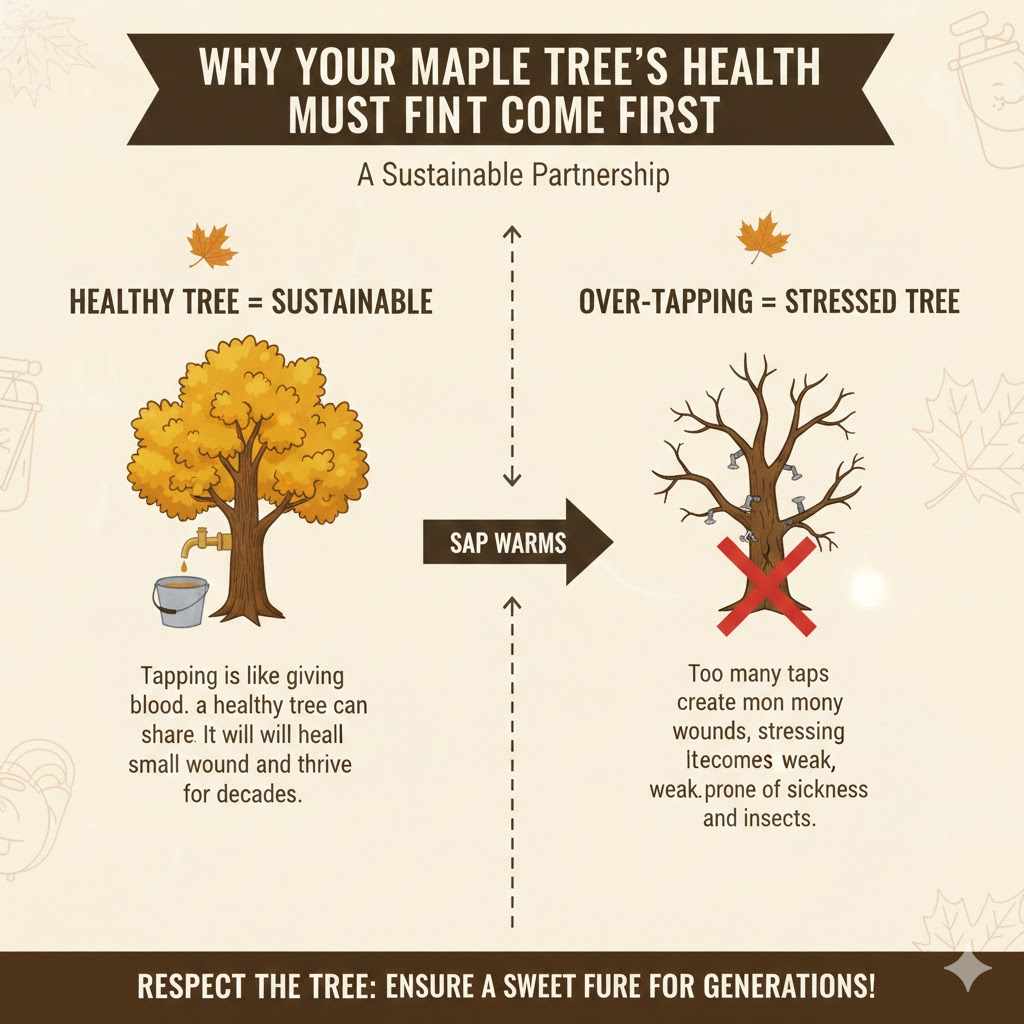
Before we grab a drill, let’s talk about the star of the show: the maple tree. Tapping a tree for sap is a bit like a person giving blood. A healthy person can donate blood without any problems. Their body recovers quickly. But if someone is not well or is asked to give too much, it can cause harm.
It’s the same with your trees. A healthy, strong maple can easily share some of its sap. It will heal the small tap hole and continue to thrive. But putting too many taps in a tree is like asking for too much. It creates too many wounds, stresses the tree, and makes it weak. A stressed tree is more likely to get sick or be attacked by insects. Our goal is to work with the tree. We want a sustainable partnership that lasts for decades. By following safe tapping rules, we ensure the tree stays healthy and productive for our kids and even our grandkids to enjoy.
The Golden Rule: Tap by Diameter, Not Age
So, how do we know what a tree can handle? The answer is simple and reliable. It’s all about the tree’s size—specifically, its diameter. We don’t measure by how tall it is or how old we think it is. We measure how thick it is around the trunk.
A wider, more mature tree has a bigger root system and more sap. It can handle more taps without stress. A younger, smaller tree is still growing. It needs all its energy to get bigger and stronger. Taking too much sap can stunt its growth for good. That’s why the number one rule in maple sugaring is to base the number of taps on the tree’s diameter. It’s the safest and most reliable way to make sure your tree stays healthy.
How to Measure Your Maple Tree Correctly
Measuring the diameter is easy. You don’t need any fancy tools. Here’s a simple, foolproof way to do it:
- Find the Right Height: We measure trees at what’s called “breast height.” This is a standard forestry measurement that is about 4.5 feet up from the ground. This height gives a good average size and avoids the wider base near the roots.
- Get the Circumference: Take a flexible measuring tape (like a sewing tape or a builder’s tape). Wrap it around the trunk of the tree at that 4.5-foot height. Make sure the tape is level and snug against the bark. Write down the measurement in inches. This number is the tree’s circumference.
- Do a Little Math: Now, we turn that circumference into the diameter. The formula is easy: Diameter = Circumference ÷ 3.14 (Pi). For example, if your tree’s circumference is 47 inches, you would calculate 47 ÷ 3.14 = 14.96 inches. You can round this to 15 inches. This is your tree’s diameter.
Once you have the diameter, you are ready to figure out exactly how many taps you can safely use.
The Official Maple Tapping Guidelines Chart
For generations, maple sugar producers and university forestry experts have used a standard chart. This chart is your best friend for safe tapping. It takes all the guesswork out of the process. I recommend printing this chart and keeping it with your tapping supplies.
| Tree Diameter (at 4.5 ft) | Recommended Number of Taps | Important Notes |
|---|---|---|
| Under 10 inches | 0 taps | Do not tap. The tree is too young and needs its energy to grow. |
| 10 to 17 inches | 1 tap | A healthy tree in this range can safely support one tap. |
| 18 to 24 inches | 2 taps | The tree is large enough to handle two separate tap holes. |
| 25 inches or more | 3 taps | This is the maximum for very large, healthy, and mature trees. |
A Serious Warning: Never Tap Small Trees
Look closely at the chart. The first row is the most important one. Never tap a maple tree that is less than 10 inches in diameter. A young tree simply cannot afford to lose the sap and energy needed to heal a tap hole. Tapping it too early can severely weaken the tree, stunt its growth, or even kill it. Be patient. It is always better to wait a few more years and have a healthy, productive tree for a lifetime than to rush it and cause permanent damage.
Beyond Diameter: Other Signs of Tree Health
The diameter chart is our primary guide, but it’s also smart to be a good observer. Before you drill, take a moment to look at the overall health of the tree. A tree that meets the size guidelines but looks unhealthy should be left alone for the season.
Here are a few things to check:
- A Full Crown: Look up at the branches. Does the tree have a full, healthy-looking crown with many branches and twigs? Or are there large, dead branches and sparse areas? A full crown is a sign of a vigorous tree.
- Healthy Bark: Check the bark for large cracks, missing sections, or signs of fungus. Healthy bark should look solid and intact.
- Past Year’s Growth: Look at the very tips of the branches. Can you see signs of new growth from the previous year? This shows the tree is actively growing and has good energy reserves.
If a tree has been through a tough year—like a severe drought or insect damage—it might be best to tap it more conservatively. For example, you might only put one tap in a large tree that looks a little stressed. Your good judgment is a key part of sustainable sugaring.
Choosing Your Tap Location Wisely
Once you know how many taps to use, the next step is deciding where to place them. You cannot just use the same hole every year. The tree needs time to heal the old wound. A good tapping strategy helps the tree compartmentalize, or “wall off,” the old injury so it can keep moving sap efficiently.
Follow these placement rules:
- Spread Them Out: If you are using two or three taps on a large tree, spread them out around the circumference. Don’t cluster them all on one side.
- Move Vertically: Your new tap hole should be at least 1-2 feet above or below last year’s hole.
- Move Horizontally: Your new tap hole should also be about 6 inches to the side of any previous tap holes.
Think of it as creating a spiral pattern up and around the tree over many years. This gives every part of the trunk plenty of time to heal and rest. You can often see the small, round scars from previous years’ taps, which will help guide you.
A Note on Modern Tapping Equipment
The tools we use have also gotten better for tree health. If you are just starting, I strongly recommend using modern spouts, also called taps.
- Use 5/16-inch Spouts: Years ago, taps were often 7/16-inch or even larger. We now know that smaller is better. Modern taps are typically 5/16-inch in diameter. They create a much smaller wound that the tree can heal in just one or two years. A larger hole can take three years or more to close.
- Drill the Right Depth: Drill the tap hole about 1.5 to 2 inches deep into the lighter-colored “sapwood.” Do not drill any deeper. Drilling too deep can injure the core of the tree, called the heartwood, which doesn’t produce sap and is harder for the tree to heal. Angle the hole slightly upward so the sap flows out easily.
Many experienced sugarmakers and researchers from places like the University of New Hampshire Extension now suggest that being even more conservative is better for the long-term health of your sugarbush. Some only put one tap in any tree, regardless of size, to ensure maximum health and longevity. It is a philosophy worth considering.
Frequently Asked Questions (FAQ)
1. Can I tap any type of maple tree for syrup?
You can, but some are much better than others. Sugar maples have the highest sugar content in their sap, meaning you need to boil less sap to make syrup. Red maples and silver maples are also commonly tapped, but their sap has lower sugar content. You can tap other maples, like boxelders, but the results will vary.
2. Does tapping a tree hurt it permanently?
When done correctly using the guidelines above, tapping does not permanently harm a healthy tree. The tree will form scar tissue and heal the tap hole, a process called compartmentalization. The danger comes from over-tapping (using too many taps), tapping trees that are too small, or not rotating your tap holes each year.
3. How old does a maple tree need to be to tap it?
It’s all about size, not age. Age can be hard to determine, but diameter is easy to measure. A maple tree is ready for its first tap when it reaches at least 10 inches in diameter, measured at 4.5 feet off the ground. Depending on growing conditions, this could be anywhere from 30 to 50 years.
4. What happens if I accidentally put too many taps in a tree?
Over-tapping puts a lot of stress on the tree. It creates excessive wounds that the tree has to spend energy healing. This can slow the tree’s growth, make it more vulnerable to diseases and insects, and reduce its sap production in future years. In severe cases, it can lead to the death of the tree.
5. Can I use the same tap hole I used last year?
No, you should never use the same tap hole again. The area around an old hole is healing and has formed non-conductive wood, so it will not produce sap. Always drill a new hole each season, following the placement rules of moving at least 6 inches to the side and 1-2 feet above or below old holes.
6. How long does the maple syrup season last?
The season typically lasts 4 to 6 weeks in late winter and early spring. The sap runs when daytime temperatures are above freezing (around 40°F) and nighttime temperatures are below freezing. Once the tree’s buds begin to swell, the sap changes flavor and the season is over.
7. How much sap does it take to make one gallon of syrup?
It depends on the sugar content of the sap. For sugar maples, the ratio is about 40 to 1, meaning it takes about 40 gallons of sap to make one gallon of finished syrup. For red maples, it might be closer to 60 to 1.
Your Partnership with the Tree
Making maple syrup is more than just a recipe; it’s a craft that connects us with nature and the changing seasons. The most important part of that craft is respect for the trees that make it all possible. By learning how to tap your trees safely and responsibly, you are not just ensuring you get great syrup this year—you are ensuring the health and productivity of your sugarbush for a long, long time.
Remember those simple rules: measure the diameter, use the tapping chart, and never tap a tree smaller than 10 inches around. Check for signs of good health and always choose a new spot for your tap each spring. Treat your trees like the generous partners they are, and they will reward you with pure, delicious maple syrup year after year. Happy tapping!