What Causes Spalted Maple? (Fungi, Species & How to Use It)
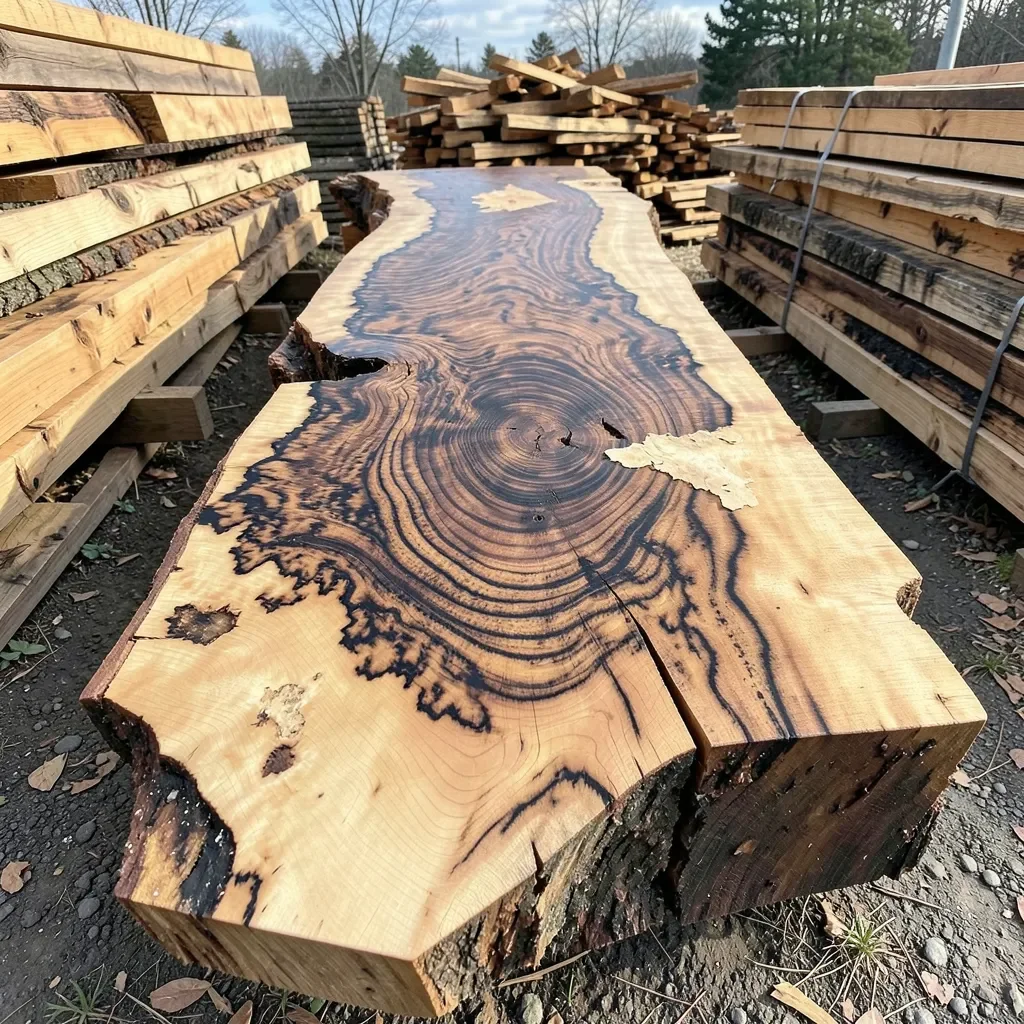
Spalted maple forms when wood-decay fungi colonize damp, dying, or freshly-felled maple and lay down dark zone lines, bleached streaks, and colored pigment before the wood loses too much structural strength. Maple spalts faster and more dramatically than many hardwoods because of its pale color and relatively high sugar content, which several common fungi feed on readily. This guide covers the specific fungi involved, why maple spalts differently than oak or walnut, and how to safely use spalted maple once it’s dried and stabilized.
Why Maple Spalts Faster Than Other Hardwoods
Best Spalted-Wood Stabilizer Pick
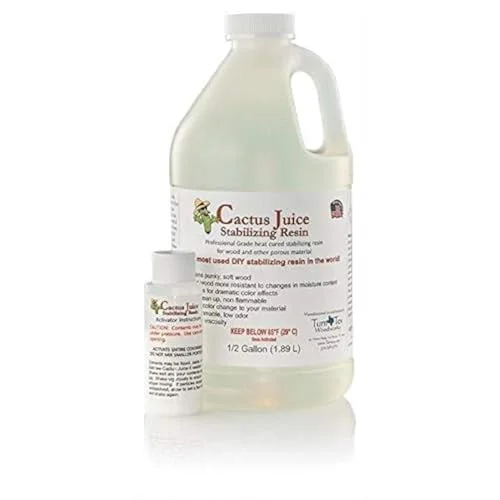 |
Cactus Juice Stabilizing Resin (1/2 Gallon) – $68.00 Spalted maple is partially decayed by the time the fungi finish their work, which is exactly why turners vacuum-stabilize it with a thin resin like this before it goes on the lathe.
|
Spalting is wood discoloration caused by fungi, and maple is one of the species most prized for it – not because it spalts by a different mechanism than other woods, but because two of maple’s natural traits make the results more dramatic. Its naturally pale, near-white sapwood provides high contrast against the dark zone lines fungi produce, and its comparatively high sugar content gives colonizing fungi an easy energy source, which is why hobbyists often see visible spalting in maple faster than in denser, more tannin-rich woods like oak or walnut.
This isn’t unique to sugar maple – soft maples (red and silver maple) spalt especially fast because their lower density lets moisture and fungi move through the wood more easily, while denser sugar maple spalts more slowly but often holds tighter, more defined zone lines.
The Fungi Behind Spalted Maple: White Rot, Zone Lines & Pigmentation
Spalting in maple isn’t caused by one fungus – it’s the combined, sequential work of several. Fungal spores enter through cracks or cut ends, and different species specialize in different effects:
| Fungal Activity | Effect on Maple |
|---|---|
| White rot | Breaks down lignin, leaving lighter, bleached zones |
| Zone lines (pigmented boundaries) | Dark, wavy or map-like lines where competing fungal colonies meet |
| Pigmentation fungi | Blue-gray or greenish staining from fungal pigments alone, with less structural breakdown |
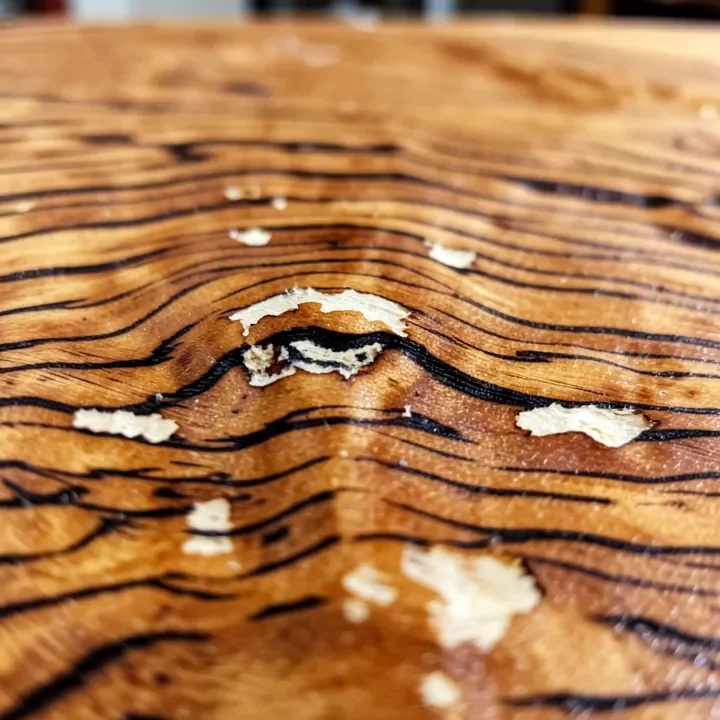
Some of these fungi can’t colonize maple alone – certain zone-line-forming species only move in after an earlier “primary colonizer” has already softened the wood, which is part of why spalting patterns look different from log to log even under similar conditions.
The Conditions That Trigger Spalting in Maple
Spalting fungi need three things to colonize maple: moisture, mild-to-warm temperatures, and time. Maple logs held at roughly 60–80°F with consistently damp (but not soaking) wood typically show visible zone lines within 2 to 6 months. Wood that dries out too fast stops the fungi before they produce much color; wood that stays too wet for too long risks moving past attractive spalting into soft, structurally unusable rot.
📊 Research on spalted wood has found that moisture content directly drives how much fungal pigment forms – too little moisture and pigment-producing fungi can’t establish, too much for too long and the wood moves past spalting into structural decay. Source: NIH/PMC, fungal pigment formation in spalted wood.
For more on the general biology of the process across species, see our guide to what spalting in wood actually is, which covers fungal types and species suitability beyond maple specifically.
Maple vs. Other Species: Why Not All Spalting Looks the Same
Maple’s pale color is what makes its spalting read as such high contrast, but it’s easy to confuse with two other maple-family effects that aren’t spalting at all. Ambrosia maple gets its dark streaks from ambrosia beetles introducing a staining fungus through their tunnels – a different mechanism than the broad fungal colonization behind true spalting. See ambrosia maple vs. spalted maple for the full comparison.
Compared to denser, more tannin-rich hardwoods like oak or walnut, maple generally spalts faster and shows more visual contrast, but the resulting wood is also more likely to have progressed further into soft, punky texture by the time the color looks its best – which is exactly why stabilizing spalted maple matters more than it does for a lightly spalted, denser species.
How to Safely Use Spalted Maple in Projects
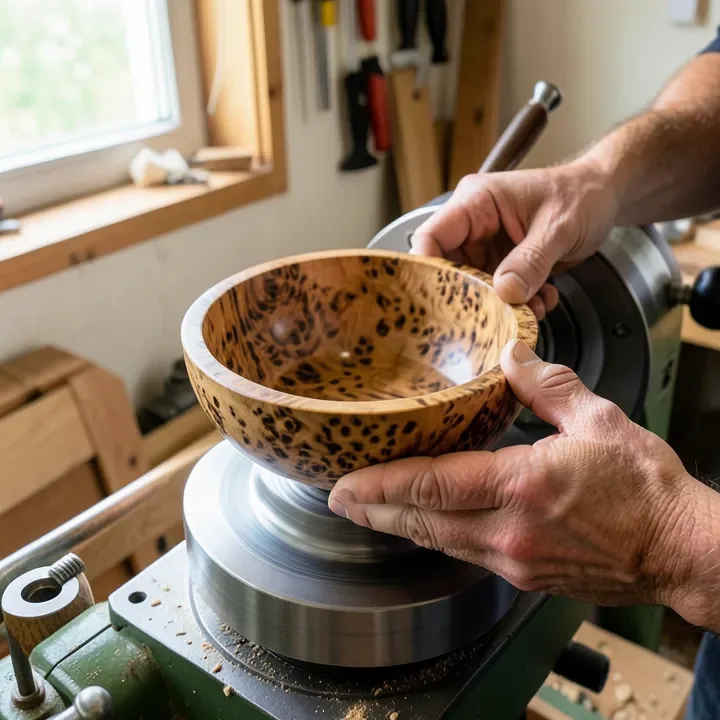
Spalted maple that still feels dense and hard can often be worked like normal maple. Once it feels soft, spongy, or “punky” – common after several months of spalting – it needs to be stabilized before it’s stable enough to turn, sand, or finish reliably.
- Dry the wood fully first: get moisture content below 10–12% to stop further fungal activity before doing anything else.
- Test for punkiness: press a fingernail into the softest-looking area – if it dents easily, the wood needs stabilizing before turning.
- Vacuum-stabilize soft sections: submerge the blank in a penetrating stabilizing resin under vacuum so the resin replaces air in the punky cells.
- Cure per the resin’s instructions: most stabilizing resins cure with heat (a toaster oven) rather than air-drying.
- Finish normally once cured: stabilized spalted maple takes stain, oil, and film finishes the same way as unspalted maple.
Frequently Asked Questions
What causes spalted maple?
Spalted maple is caused by wood-decay fungi colonizing damp, dying, or freshly cut maple. Different fungi produce different effects – some create dark zone lines, others bleach the wood white – and the process stops once the wood is dried below about 20% moisture content.
Why does maple spalt more than other woods?
Maple’s light color makes spalting’s dark zone lines and pigment stand out more visibly than on darker woods, and its relatively high sugar content gives colonizing fungi an easy food source, so spalting often appears faster and more dramatically in maple than in oak or walnut.
Is spalted maple safe to use?
Yes, once it’s dried and, for turning projects, stabilized with a penetrating resin. The fungi are inactive once the wood is dry, but heavily spalted wood is structurally weaker, so it should be evaluated before use in load-bearing applications.
Can I spalt maple myself?
Yes. Bury cut maple logs in damp wood chips or wrap them in plastic with high humidity, keep them at 60–80°F, and check every few weeks – visible spalting typically takes 2 to 6 months depending on moisture and temperature.
Is spalted maple the same as ambrosia maple?
No. Ambrosia maple gets its dark streaks from ambrosia beetles introducing a staining fungus through tunnels they bore, while spalted maple’s coloring comes from wood-decay fungi colonizing the wood more broadly. See our ambrosia maple vs. spalted maple comparison for the full difference.
Conclusion
Spalted maple’s dramatic dark lines and pale contrast come down to ordinary wood-decay fungi doing what they do to any species – maple just shows the results faster and more visibly because of its color and sugar content. Once the wood is dry and, if needed, stabilized, spalted maple works and finishes like any other hardwood, with a one-of-a-kind pattern no two boards share.
Sponsored / affiliate links. As an Amazon Associate I earn from qualifying purchases. I may earn additional commission from eligible campaigns.