How Shiny Is Satin Paint: Essential Guide
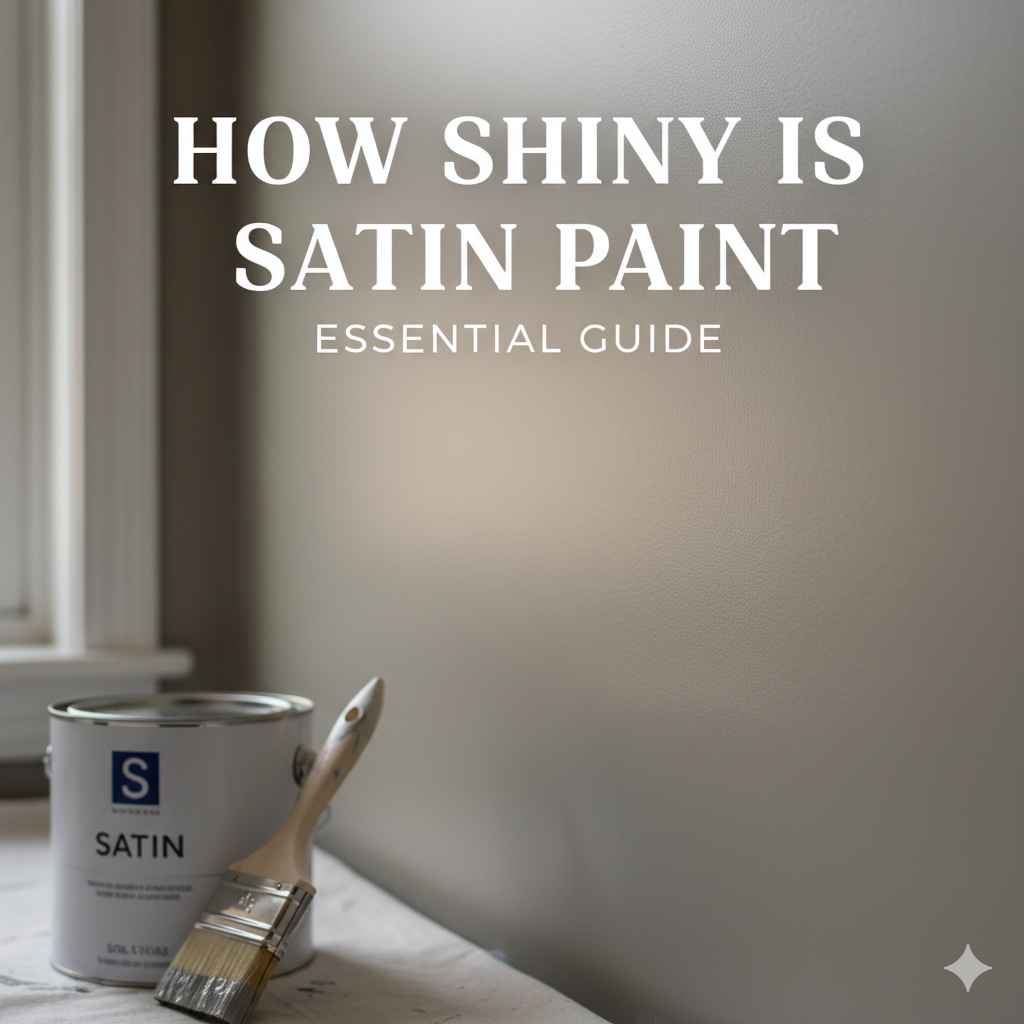
Satin paint has a low to medium sheen, offering a soft, subtle glow that isn’t too matte or too glossy. It’s a popular choice for walls because it balances durability and washability with a sophisticated, non-reflective finish, making it versatile for various rooms.
Choosing the right paint finish can feel like navigating a maze, especially when you’re just starting out. You want your walls to look great, but also be easy to clean and not show every little imperfection. That’s where satin paint comes in, and understanding its shine level is key to getting the look you want. This guide will break down exactly how shiny satin paint is, what makes it special, and where it performs best.
We’ll explore its unique sheen, compare it to other finishes, and help you decide if it’s the perfect match for your next DIY project. Get ready to understand paint finishes like a pro!
Understanding Paint Sheen Levels
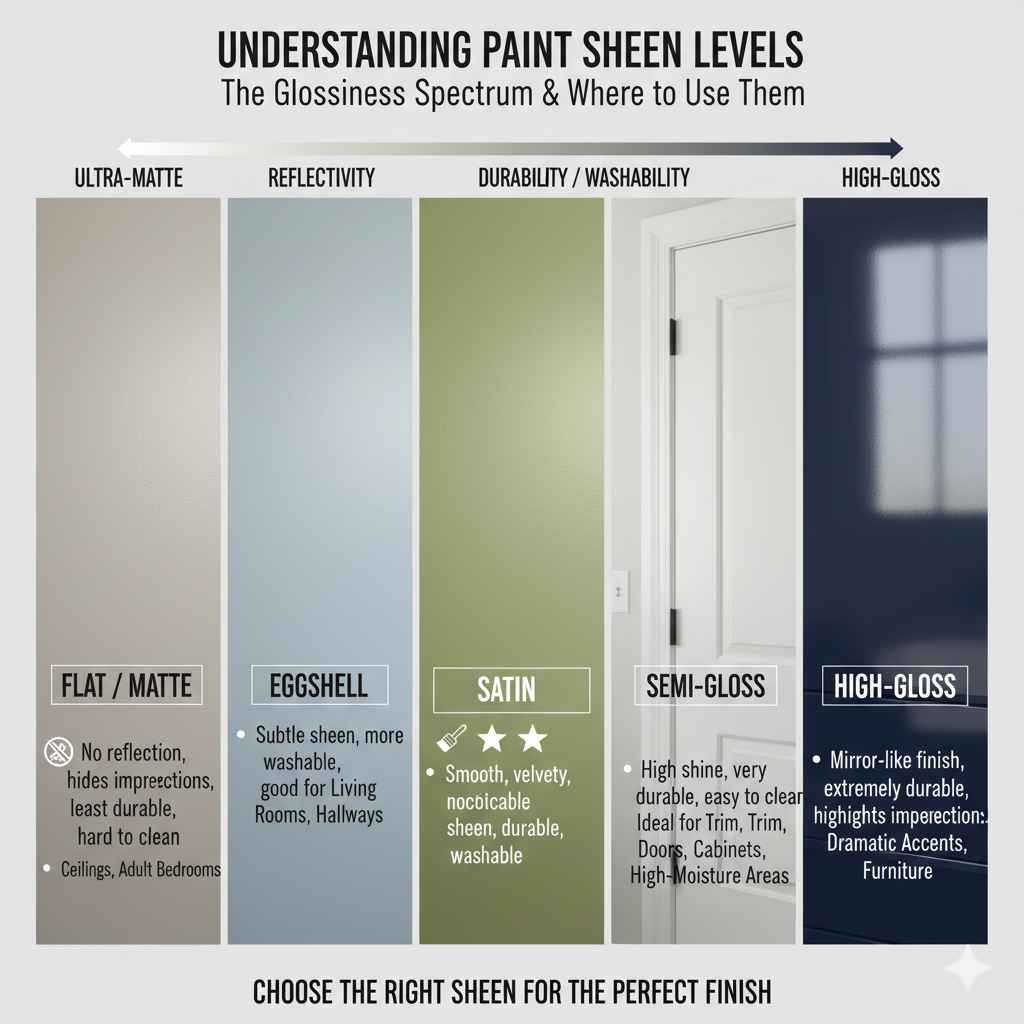
Paint sheen refers to how much light a paint reflects. It’s a crucial factor that affects not only the appearance of your painted surface but also its durability and washability. Think of it as the “glossiness” of the paint. The higher the sheen, the more gloss and the more light it reflects. Conversely, a lower sheen absorbs light, creating a more matte look.
Paint companies use a spectrum to describe sheens, generally ranging from ultra-matte at one end to high-gloss at the other. Each level has its own characteristics, making it suitable for different applications and surfaces. Understanding this spectrum is the first step to making an informed paint choice.
The Paint Sheen Spectrum: From Flat to High-Gloss
Let’s walk through the common paint sheens you’ll encounter. Knowing where satin sits within this range helps immensely.
- Flat/Matte: This finish has almost no sheen at all. It’s excellent at hiding imperfections on walls and ceilings, creating a smooth, velvety look. However, it’s the least durable and hardest to clean, easily scuffing or absorbing stains. It’s best for low-traffic areas like ceilings and adult bedrooms.
- Eggshell: Slightly less matte than flat, eggshell has a very subtle sheen, often compared to the surface of an eggshell (hence the name). It offers a bit more washability and durability than flat paint, making it a good option for moderate-traffic areas like living rooms and hallways.
- Satin: This is our focus! Satin paint provides a smooth, velvety look with a noticeable but not overly reflective sheen. It’s more durable and washable than matte or eggshell finishes. Its balanced nature makes it incredibly versatile.
- Semi-Gloss: Semi-gloss paints have a much more noticeable shine and reflectance. They are highly durable and washable, making them ideal for high-moisture areas or surfaces that get a lot of wear and tear, like trim, doors, and cabinets.
- High-Gloss: This is the shiniest finish available. High-gloss paint reflects a lot of light, creating a mirror-like surface. It’s extremely durable and easy to clean but will highlight every imperfection on the surface. It’s often used for dramatic accents or on furniture.
How Shiny Is Satin Paint? The Definitive Answer
So, to get straight to the point: how shiny is satin paint? Satin paint possesses a low to medium sheen. It’s not entirely flat, and it’s certainly not reflective like semi-gloss or high-gloss. Imagine a soft glow rather than a bright shine. This subtle sheen provides a touch of elegance without the drawbacks of higher gloss finishes.
The exact level of shine can vary slightly between brands, often falling in the 15-35% gloss measurement range. What this means for you is a finish that feels smooth and looks sophisticated, offering a pleasant visual depth to your walls and other surfaces. It’s a crowd-pleaser for a reason.
What Makes Satin Paint Unique?
Satin paint is a favorite for many DIYers and homeowners because of its excellent balance of appearance and performance. Its unique characteristics make it a go-to choice for many common painting projects.
- Subtle Sheen: As we’ve discussed, its defining feature is its gentle glow. It diffuses light rather than reflecting it harsh ly, which helps to mask minor surface imperfections more effectively than glossier finishes.
- Good Durability: Compared to flat or matte paints, satin finishes are more resilient. The binder in the paint creates a slightly harder, more durable film.
- Excellent Washability: This is a major advantage. You can wipe down satin paint with a damp cloth or sponge to clean off smudges, dirt, and even some stains without damaging the finish. This makes it practical for busy households.
- Versatility: Its balanced sheen and durability mean it works well in a wide variety of spaces, from living rooms and dining rooms to kids’ bedrooms and hallways.
Where to Use Satin Paint: Popular Applications
Because of its impressive balance of aesthetics and practicality, satin paint is a fantastic choice for many areas in your home. It’s a real workhorse that can elevate the look of both walls and trim.
Best Uses for Satin Paint
Here are some of the most common and effective places to use satin paint:
- Walls in High-Traffic Areas: Living rooms, family rooms, dining rooms, hallways, and staircases are perfect candidates. These areas see a lot of activity, and the washability of satin paint is a huge benefit.
- Kitchens and Bathrooms: While semi-gloss is often recommended for areas with high moisture, modern satin paints offer good moisture resistance and are much easier to clean than matte finishes. They provide a softer look than high-gloss.
- Children’s Rooms: Kids’ rooms are notorious for scuffs and marks. Satin’s durability and washability make it ideal for keeping these spaces looking fresh.
- Doors and Trim: While some prefer semi-gloss for doors and trim, satin offers a slightly softer look that blends seamlessly with wall colors, especially when ceilings are painted in a flat finish. It still provides enough durability for these frequently touched surfaces.
- Furniture and Cabinets (with Caution): For a sophisticated, modern look, satin can be used on furniture or cabinets. However, for surfaces requiring maximum durability and frequent, intense cleaning, a semi-gloss or even glossier finish might be a better long-term choice. For wood projects like cabinets, ensuring proper preparation and a good primer is crucial. A product like wood primer is essential for adhesion.
When to Avoid Satin Paint
While versatile, satin isn’t always the best choice. Here are a few situations where you might opt for a different sheen:
- Ceilings: A flat finish is almost always preferred for ceilings. It hides imperfections and minimizes glare from light fixtures, creating a smooth, receding surface. Satin would highlight every bump and joint compound error.
- Walls with Major Imperfections: If your walls have significant dents, cracks, or texture issues, a truly flat or matte finish will do a better job of hiding them. Satin’s subtle sheen can still reveal some flaws.
- High-Moisture Areas Requiring Maximum Protection: For shower stalls or areas that get splashed constantly, a semi-gloss or high-gloss finish offers superior moisture resistance and is easier to clean thoroughly.
Comparing Satin to Other Popular Paint Sheens
To truly understand how shiny satin paint is, it’s helpful to see it in context with its closest siblings on the sheen spectrum: eggshell and semi-gloss. This comparison will highlight the subtle differences that might sway your decision.
| Sheen Level | Appearance & Sheen | Durability & Washability | Best Use Cases | Pros | Cons |
|---|---|---|---|---|---|
| Eggshell | Very low sheen, soft, velvety. Almost matte. | Moderate durability and washability. Can be wiped gently. | Low to moderate traffic areas: bedrooms, living rooms. | Hides imperfections well, soft look. | Scuffs easily, less resistant to stains than satin. |
| Satin | Low to medium sheen, smooth, subtle glow. Silky finish. | Good durability and washability. Can be scrubbed gently. | High- Traffic areas: hallways, family rooms, kitchens, bathrooms, doors, trim. | Balanced look, durable, very washable, hides imperfections better than semi-gloss. | Can still show some imperfections, not as durable as semi-gloss for extreme wear. |
| Semi-Gloss | Medium to high sheen, noticeable shine. Reflective. | High durability and washability. Very resistant to moisture and stains. | High-wear surfaces: trim, doors, cabinets, kitchens, bathrooms. | Extremely durable, easy to clean, good for high-moisture areas. | Highlights imperfections, can look too shiny on large walls. |
As you can see from the table, satin hits a sweet spot. It’s more durable and washable than eggshell, offering more practical benefits for everyday living. Yet, it’s less shiny and more forgiving of surface imperfections than semi-gloss, giving it a softer, more approachable aesthetic for general wall applications.
Tips for Using Satin Paint Like a Pro
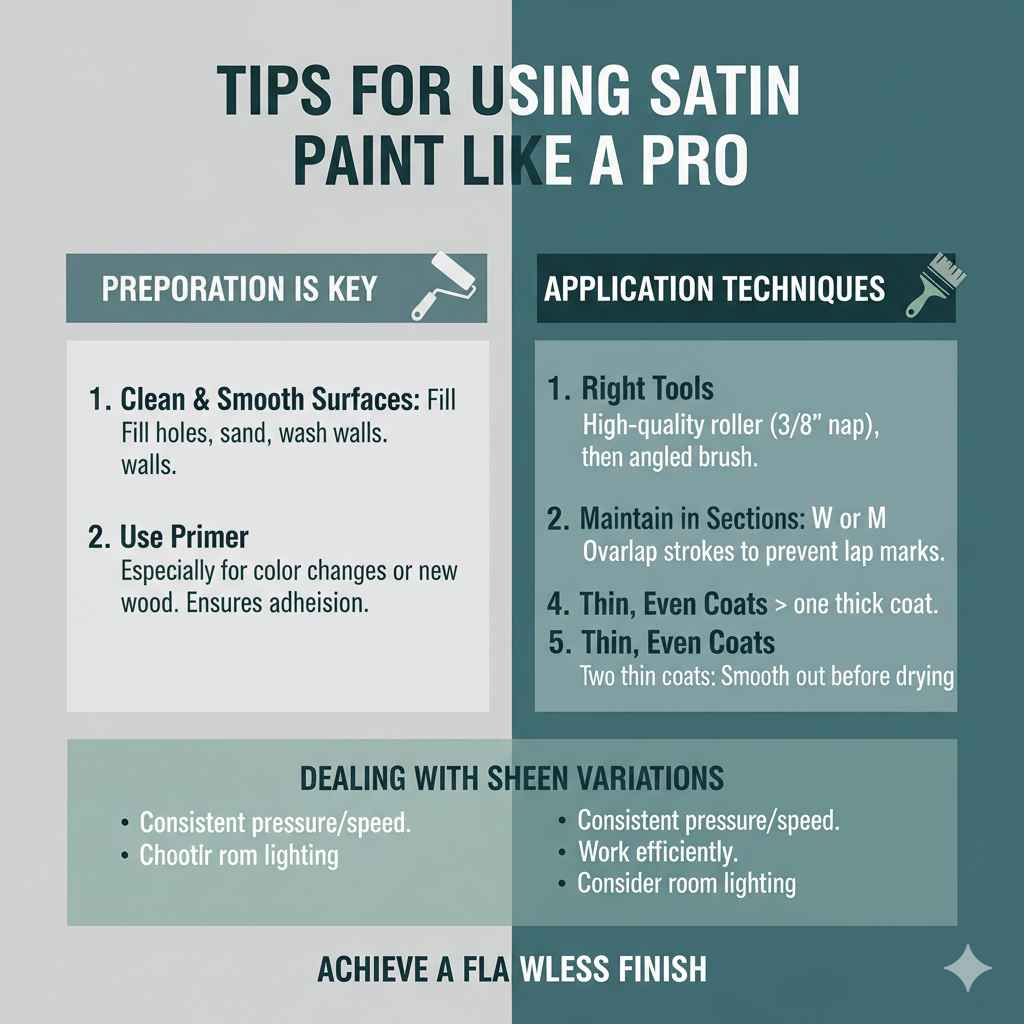
Whether you’re painting walls, trim, or even furniture, using satin paint can yield beautiful results. Here are some tips to help you achieve a professional finish:
Preparation is Key
No matter the sheen, proper preparation is paramount for a great paint job. Ensure your surfaces are clean, dry, and smooth. Fill any holes or cracks with spackle or joint compound and sand them smooth. Washing the walls to remove dirt and grease is also essential, especially in kitchens and bathrooms. A good primer can make a world of difference, especially when painting a dark color over a light one, or vice-versa. For new wood or previously painted surfaces, using a quality primer like pre-painting wall preparation for your chosen surface will ensure better adhesion and a more even finish.
Application Techniques
When applying satin paint:
- Use the right tools: A high-quality roller with a nap suitable for the surface (e.g., 3/8″ nap for smooth walls) and a good angled brush for cutting in edges will make the job easier and the finish smoother.
- Work in sections: For walls, paint in manageable sections (e.g., 3-4 feet wide). Apply paint in a W or M pattern with your roller, then fill it in with even, parallel strokes.
- Maintain a wet edge: Always overlap your strokes slightly onto the previously painted section while it’s still wet. This prevents lap marks, which can be more visible with satin finishes.
- Apply thin, even coats: Two thin coats are almost always better than one thick coat. This ensures even coverage and a smooth sheen.
- Check for drips: Regularly check for and smooth out any drips or sags before they dry.
Dealing with Sheen Variations
Satin’s sheen can sometimes highlight subtle differences in application, especially on large, flat surfaces under direct light. To minimize this:
- Ensure consistent roller pressure and speed.
- Work efficiently and maintain that wet edge meticulously.
- Consider the lighting in the room. If a wall receives direct, harsh light, a slightly lower sheen (like eggshell) might be better, or ensure your application is flawless.
Frequently Asked Questions about Satin Paint
How shiny is satin paint compared to matte?
Satin paint has a noticeable sheen, a soft glow. Matte paint has virtually no sheen and is completely non-reflective. Satin is noticeably shinier.
Will satin paint show imperfections?
Satin paint will show some minor imperfections, more so than a flat or matte finish. However, it’s much more forgiving than semi-gloss or high-gloss paints. It’s a good balance for most walls.
Is satin paint good for bathrooms?
Yes, satin paint is a popular choice for bathrooms and kitchens. It offers good moisture resistance and is highly washable, which is essential for these areas. For very intense moisture or frequent splashing, semi-gloss might offer slightly better protection.
Can I paint over satin paint with a different finish?
Yes, you can paint over satin paint. For best results, especially when changing from a lower sheen to a higher sheen, lightly sand the surface to help the new paint adhere. Always clean the surface thoroughly after sanding.
Does satin paint come in different types?
Yes, satin paint comes in various formulations, including latex (water-based), oil-based, and zero-VOC options. Latex satin is very common for interior walls. Different formulations might have slightly different sheens or durability.
How do I clean satin paint without damaging it?
For cleaning satin paint, use a soft sponge or cloth with mild soap and water. Gently wipe the affected area. Avoid abrasive cleaners or scrubbing too hard, as this can dull the sheen or remove the paint over time.
Is satin paint durable enough for a high-traffic hallway?
Absolutely. Satin paint is known for its durability and washability, making it an excellent choice for high-traffic areas like hallways where it will need to withstand scuffs and frequent cleaning.
Conclusion
Navigating paint finishes doesn’t have to be complicated. We’ve explored how shiny satin paint truly is – offering that desirable low to medium sheen that provides a soft, elegant glow without being overly reflective. Its balanced nature makes it a standout choice for its blend of approachability and performance.
From its excellent washability and inherent durability to its versatility in various home environments, satin paint proves itself to be a dependable and attractive option. Whether you’re refreshing a living room, tackling a busy kitchen, or even painting trim, understanding that satin offers that perfect middle ground—more sheen and washability than matte, yet softer and more forgiving than semi-gloss—empowers you to make the best choice for your project. So, embrace the subtle glow of satin and get ready to transform your space with confidence!