Will Paint Thinner Remove Stain From Vinyl Siding? What’s Actually Safe
Short answer: yes, paint thinner will usually pull an oil-based stain off vinyl siding – but it’s also strong enough to dull the finish, leave a splotchy patch, or soften the plastic if you use it wrong. Vinyl siding is a thermoplastic (PVC), and paint thinner is a blend of petroleum solvents built to dissolve paint film. Those two facts don’t mix well without some caution.
That doesn’t mean paint thinner is off the table. It means it belongs at the bottom of a list, not the top. Below is the order I’d actually work through on a real stain – what to try first, when paint thinner earns its place, and the two ingredients you should never reach for no matter how stubborn the drip is.
Start With a Cleaner Made for Vinyl, Not a Solvent
Safer First Move for Vinyl Stains
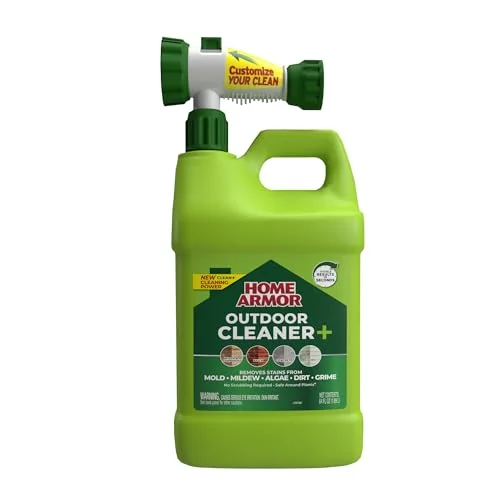 |
Home Armor Outdoor Cleaner+, 64 oz – $13.97 A hose-end, no-scrub cleaner formulated for exactly this job – it’s labeled safe for vinyl siding, which paint thinner is not.
|
If the stain is fresh dirt, algae, mildew, or a light drip, a dedicated outdoor/vinyl cleaner like this handles it without any solvent risk at all. Spray it on, wait the label’s dwell time, rinse. Save the section below for stains that don’t budge – usually a dried, oil-based wood stain or old paint drip.
Why Paint Thinner Is Risky on PVC Specifically
Vinyl siding is extruded polyvinyl chloride – a plastic, not a coating. Paint thinner (mineral spirits, sometimes blended with other petroleum distillates) is designed to break the molecular bonds in dried paint and stain resin. It doesn’t know the difference between the stain sitting on top of your siding and the vinyl underneath it. Left in contact too long, or used at full strength on a hot day, it can soften the surface enough to dull the sheen, warp a panel slightly, or leave a permanently discolored patch where the plastic itself reacted with the solvent.
Two variables matter more than most people expect: heat and contact time. Vinyl softens as it warms, so paint thinner applied to south-facing siding on an 85°F afternoon does more damage, faster, than the same solvent on a cool, shaded wall. And a rag that sits wet for ten minutes is a very different risk than one wiped on and off in thirty seconds. That’s the real reason “test a small spot first” shows up on every warning label – it’s not boilerplate, it’s the only way to see how your specific siding reacts before you commit to the whole stain.
Quick Test: Is the Stain Actually Oil-Based?
This matters because it decides whether you need a solvent at all. Dirt, pollen, algae, and mildew are water-based – soap and water or a mild oxidizer clears them. Wood stain, old paint, tar, and grease are oil-based – those are the ones that eventually justify a solvent step. A quick way to tell: dab a cotton swab with rubbing alcohol and touch a hidden edge of the stain. If color transfers onto the swab or the stain softens and smears, you’re dealing with an oil-based residue and it’s worth working down the list below. If nothing happens, stick with soap, water, and a vinyl-safe cleaner – a solvent won’t do anything soap can’t, and you’d be taking on risk for no benefit.
The Escalation Method: What to Try, in Order
This is the order I’d actually work through, moving to the next step only if the one before it fails:
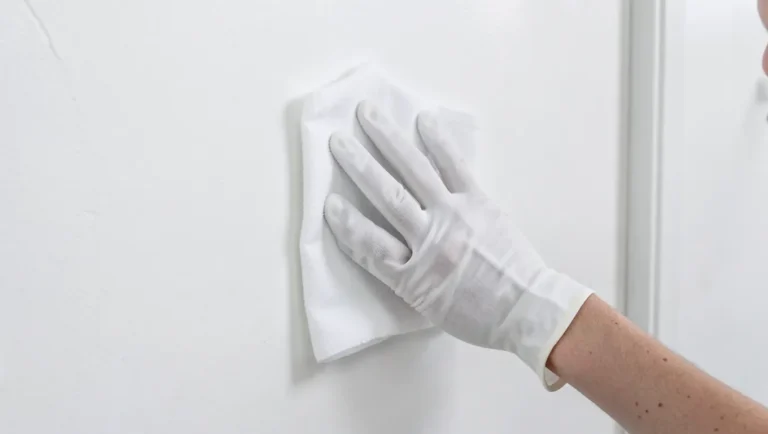
- Dish soap and warm water. A few drops of dish soap in warm water, applied with a soft-bristle brush, clears most dirt, pollen, and fresh drips with zero solvent risk.
- A dedicated vinyl/outdoor cleaner. The pick above, or a similar hose-end product labeled safe for vinyl. Handles mold, mildew, algae, and light staining.
- Isopropyl (rubbing) alcohol. Damp a white cloth and rub oil-based marks like tar, ink, or light paint transfer. Alcohol evaporates fast and is gentler on PVC than petroleum solvents.
- Diluted paint thinner, as a last resort. Reserved for a dried, oil-based wood-stain drip that steps 1–3 didn’t touch. See the safe method below – full-strength, undiluted paint thinner is not the way to start.
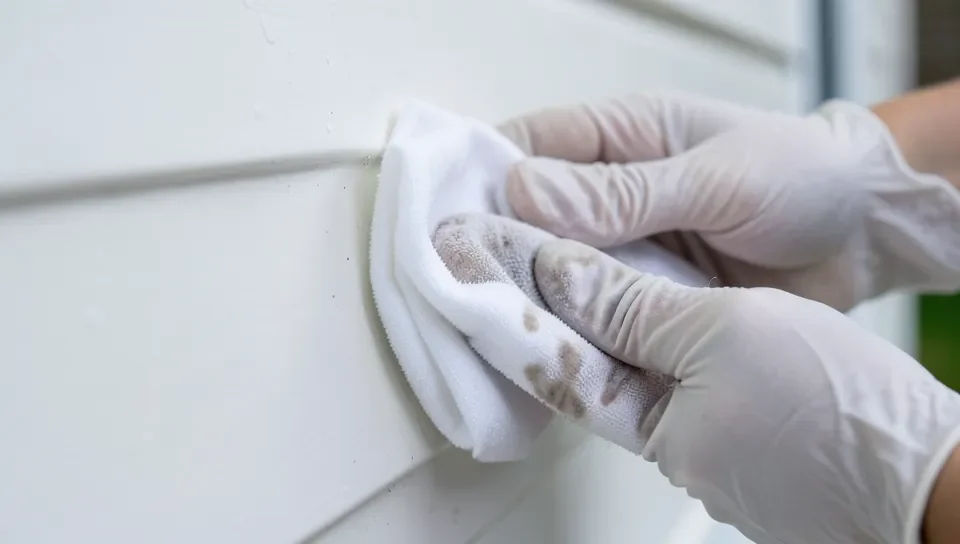
If You Do Use Paint Thinner: The Safe Method
If you’ve reached this point – a dried oil-based stain that soap, a vinyl cleaner, and alcohol couldn’t shift – here’s how to use paint thinner without gambling on the siding:
- Dilute it. Mix roughly 1 part paint thinner to 10 parts water. Full-strength thinner is the version that melts and discolors vinyl; diluted, it’s still effective on oil-based residue with far less risk.
- Spot-test first. Pick a hidden section – behind a shrub, near a corner – and apply the diluted mix for 30 seconds. Wait 10 minutes and check for dulling, softening, or color change before touching the visible stain.
- Work in the shade, not direct sun. Pick a cool part of the day. Warm, sun-heated vinyl is softer and absorbs solvent faster.
- Cap the contact time at 30 minutes – ideally far less. Apply with a soft cloth, work the stain, and don’t let the solvent sit and dry on the surface.
- Rinse thoroughly with a hose the moment you’re done, even if the stain isn’t fully gone. Residue left to dry is what causes the lingering dull patch.
- Wear gloves, eye protection, and work in open air. Paint thinner fumes are a real inhalation hazard outdoors or in.
Once you’re done, dispose of any leftover thinner and soaked rags properly – paint thinner should never go down a drain, and solvent-soaked rags can combust if balled up and left in a pile. A sealed metal container, laid flat to dry outdoors, is the safe way to store them until hazardous-waste drop-off.
What Not to Use on Vinyl Siding
A few products show up in “quick fix” advice for vinyl stains that genuinely shouldn’t be there:
- Acetone or nail polish remover. Acetone attacks the plastic itself, not just the stain – it can leave a permanently softened, cloudy, or pitted patch. It’s a step up in aggressiveness from paint thinner, not a safer substitute.
- Undiluted chlorine bleach. Can bleach the color out of the siding unevenly, and reacts badly if it mixes with any ammonia-based cleaner already on the surface.
- Abrasive scouring pads or wire brushes. Vinyl scratches easily; a dulled, scuffed patch is often more visible than the stain was.
If you want the fuller comparison of how these solvents differ chemically, mineral spirits, paint thinner, and lacquer thinner aren’t interchangeable – lacquer thinner in particular is even more aggressive toward plastics than standard paint thinner and should be avoided on siding altogether.
Preventing the Next Drip Stain
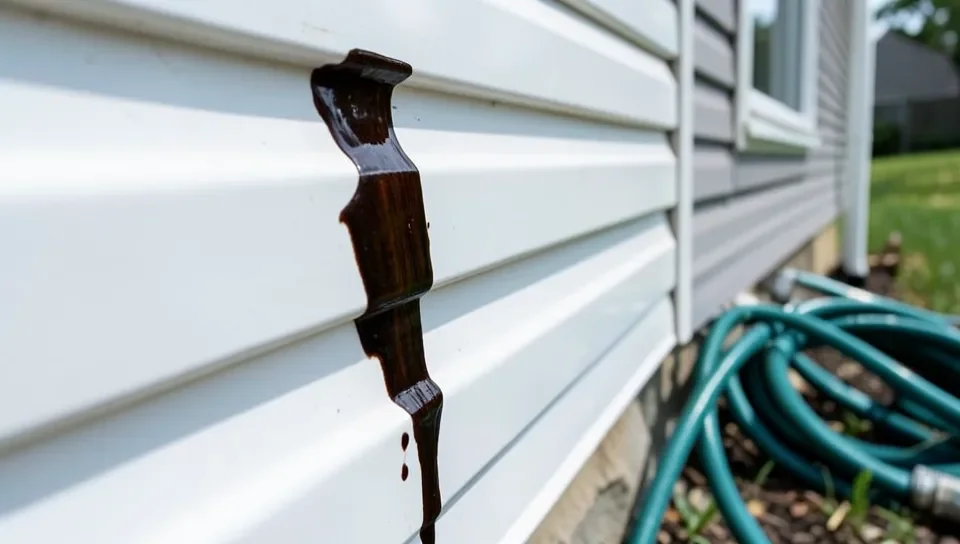
Most vinyl siding stains near a deck or fence come from wood stain or sealant splashed or dripped during a staining project. A drop cloth or plastic sheeting clipped along the base of the siding before you start staining nearby wood takes thirty seconds and prevents the whole problem. If a drip does land, wipe it while it’s still wet – a damp rag lifts fresh stain in seconds, long before it’s dry enough to need any solvent at all. Rinsing siding with plain water every few months also keeps dirt and pollen from building into the kind of ground-in grime that eventually needs a stronger cleaner to shift.
Frequently Asked Questions
Will Paint Thinner Remove Stain From Vinyl Siding?
Yes, especially on oil-based stains like wood stain or old paint drips. But full-strength paint thinner can dull, discolor, or soften vinyl if it sits too long or is used on hot, sun-warmed siding. Dilute it 1:10 with water, spot-test first, and rinse within 30 minutes.
Is Paint Thinner Safe on Vinyl Siding?
It’s not the safest option, but it’s manageable if diluted, spot-tested, kept to short contact time, and rinsed off promptly. Try dish soap and water, then a vinyl-labeled cleaner, before reaching for paint thinner.
Can You Use Acetone or Mineral Spirits on Vinyl Siding?
Avoid acetone entirely – it can permanently damage the plastic’s surface. Mineral spirits (a component of most paint thinners) can work similarly to paint thinner on oil-based stains, but the same dilution, spot-test, and short-contact rules apply.
What Should You Use Instead of Paint Thinner on Vinyl Siding?
Start with dish soap and warm water, then a dedicated vinyl/outdoor cleaner like Home Armor Outdoor Cleaner+, then isopropyl alcohol for oil-based marks. Paint thinner is a last resort for dried stains none of those touch.
Bottom Line
Paint thinner will remove most oil-based stains from vinyl siding, but it’s a solvent working on a plastic surface – treat it like the last step, not the first. Start with soap and water or a cleaner made for vinyl, save diluted paint thinner for stains that genuinely won’t move any other way, and always spot-test before you touch the visible section.
Sponsored / affiliate links. As an Amazon Associate I earn from qualifying purchases. I may earn additional commission from eligible campaigns.
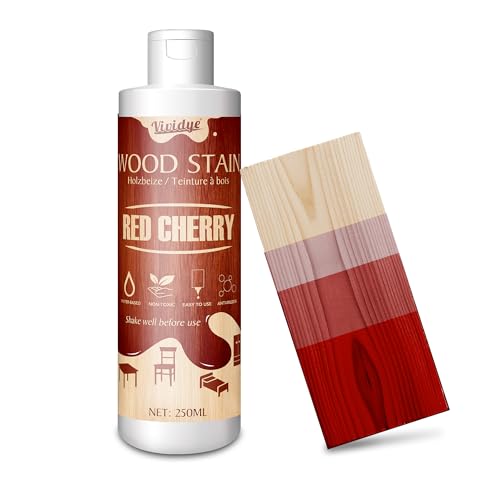 Wood Stain, 8.5oz/250ml Water Based Wood Stain for Indoor and Outdoor Furniture, Cabinet, Door, Trim and More - Fast Drying, Low Odor&Non-Toxic, Easy to Apply, Multiple Finishes (Red Cherry)
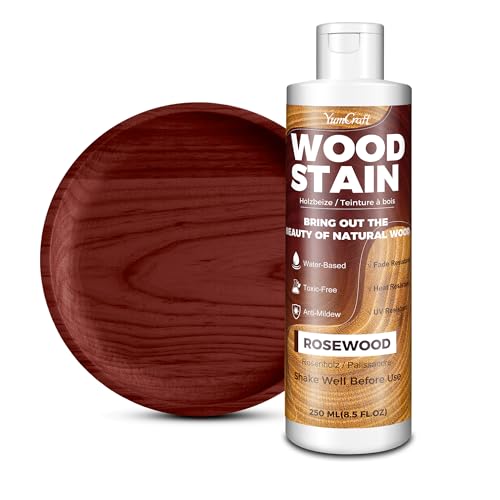 Water Based Wood Stain 8.5oz/250ml, Matte Fast Drying Stain & Varnish, Low Odor Non-Toxic Indoor Outdoor Wood Paint for Furniture, Cabinet, Door, Window, Wardrobe, Paneling, Trim & Multiple Finishes