How to Apply Thompson’s WaterSeal With a Sprayer (Step-by-Step)
Thompson’s WaterSeal applies best with a pump-up garden sprayer — but only if surface temperature stays above 40°F and no rain is forecast for 24 hours. Using the wrong sprayer type or skipping overlap coverage causes streaking and early seal failure. This guide covers the right sprayer setup, exact application technique, coat timing, and how to clean the sprayer after use.
Quick Answer
Apply Thompson’s WaterSeal with a pump sprayer: hold the brass wand 10–12 inches from the surface, use smooth overlapping passes at 50% coverage, and apply one coat unless the surface is highly porous. Allow 24 hours to dry before rain exposure; reapply within 4 hours if a second coat is needed.
Benefits Of Using Thompsons Water Seal
MANUFACTURER-RECOMMENDED SPRAYER
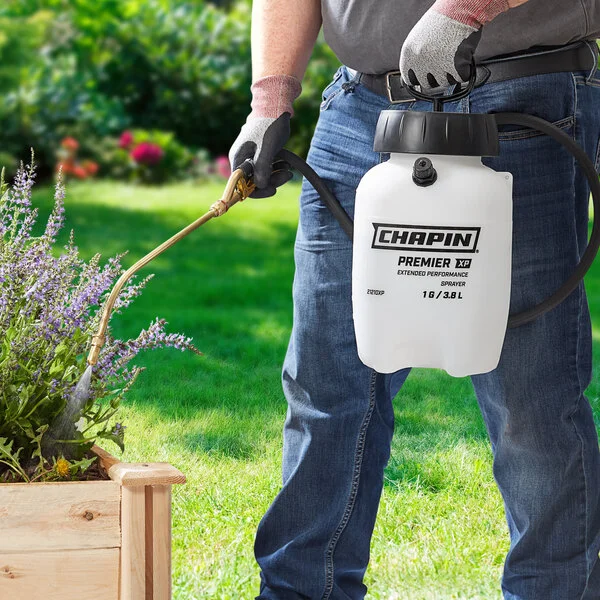 |
Chapin 21210XP Premier Pro XP Poly Sprayer (1-Gallon) – $51.53 The brass-wand pump sprayer type this guide recommends for even, streak-free Thompson’s WaterSeal application.
|
Thompson’s WaterSeal is a water-based penetrating sealer that soaks into wood, concrete, and masonry pores to block moisture at the surface level. It does not form a surface film like paint, which means it cannot peel — but it also requires reapplication every 1–2 years depending on exposure.
Protection Against Water Damage
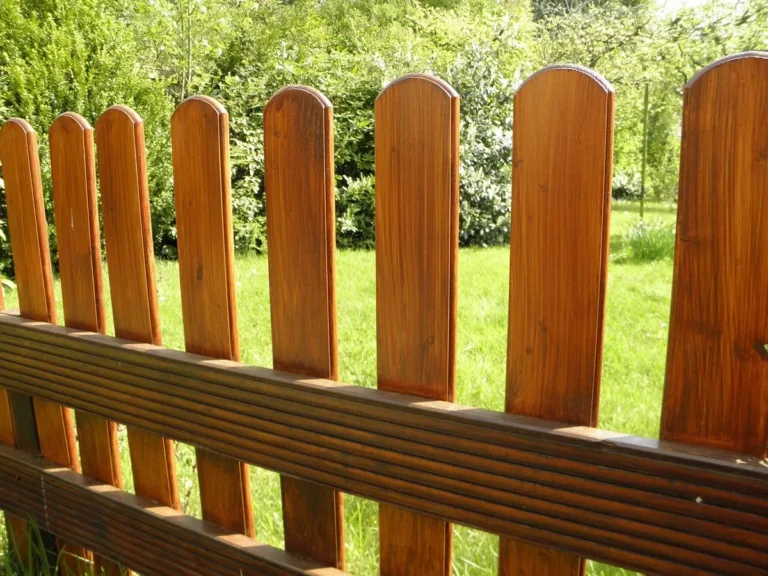
One of the primary benefits of using Thompson’s WaterSeal is its excellent protection against water damage. Whether it’s your deck, fence, or patio, exposure to rain, snow, and excessive moisture can lead to structural damage over time. Thompson’s WaterSeal creates a protective barrier that repels water, preventing it from seeping into the surface and causing warping, cracking, or rot. This ensures the longevity and durability of your outdoor surfaces, making them less susceptible to costly repairs or replacements.
Prevention Of Mold And Mildew Growth
Mold and mildew thrive in moist environments and can quickly take hold on outdoor surfaces that are not adequately protected. Thompson’s WaterSeal actively inhibits mold and mildew by sealing surface pores, preventing water from creating the damp conditions these fungi need. By using Thompson’s WaterSeal, you can maintain a clean and healthy outdoor space, minimizing the need for constant cleaning.
Choosing The Right Thompsons Water Seal
When choosing a Thompson’s WaterSeal product, match the formula to your surface material. Using a wood formula on concrete, or vice versa, reduces effectiveness and can cause premature product failure.
Understanding The Different Types Available
Thompson’s Water Seal offers several different types, each formulated for specific surfaces and applications. Understanding the differences between these types can help you make an informed decision and achieve the best results. Here are the main types of Thompson’s WaterSeal:
| Type | Application |
|---|---|
| Thompson’s WaterSeal Transparent | Perfect for wood surfaces, this type provides a natural finish while allowing the wood grain to show through. Ideal for new or freshly cleaned wood. |
| Thompson’s WaterSeal Advanced Natural Wood Protector | Offers enhanced defense against water damage and fading caused by UV rays. Ideal for decks, fences, and other exterior wood surfaces. |
| Thompson’s WaterSeal Maximum Strength | Designed for ultimate protection, this type is perfect for heavily exposed surfaces, including decks, fences, and concrete driveways. |
Considerations For Specific Surfaces
While Thompson’s WaterSeal can be used on various surfaces, there are specific considerations to keep in mind when choosing the right one:
- Wood surfaces: Whether you’re sealing a deck, a fence, or any other wood surface, choose a Thompson’s WaterSeal type that provides adequate protection against water, UV rays, and mildew. Consider the level of exposure to the elements and the desired finish.
- Concrete surfaces: Concrete driveways, patios, and walkways require a different type of sealant. Look for a Thompson’s WaterSeal designed specifically for concrete surfaces to ensure optimal protection against water damage, stains, and cracks.
- Masonry surfaces: If you’re working with brick, stone, or other masonry surfaces, a Thompson’s WaterSeal made for masonry is essential. It will help to prevent efflorescence, water penetration, and freeze-thaw damage.
Preparing The Surface For Application
Before applying Thompson’s WaterSeal with a sprayer, properly prepare the surface. This involves two important steps: cleaning and removing debris, and repairing any existing damage. Skipping either step shortens the seal’s lifespan and can cause it to peel or blister prematurely.
Cleaning And Removing Debris
Cleaning the surface is the first step to ensure optimal adhesion of Thompson’s WaterSeal. With a clean surface, the water seal can penetrate deeply into the pores of the material, providing excellent protection against water damage.
To clean the surface, start by removing any loose dirt, dust, or debris using a broom, brush, or vacuum cleaner. If necessary, rinse the surface with water to remove stubborn dirt or grime. Allow the surface to dry completely — at least 2 days for wood, 3 or more days for concrete or masonry — before continuing with the application.
Repairing Any Existing Damage
Before applying Thompson’s WaterSeal, inspect the surface for any existing damage — cracks, holes, or other imperfections that could affect the effectiveness of the water seal. If you spot any damage, take the time to repair it before proceeding. Depending on the type of surface, you may need to use a patching compound, caulk, or other suitable material to fill in the cracks or holes. Follow the manufacturer’s instructions for the specific repair product and allow sufficient drying time.
Steps To Apply Thompsons Water Seal With A Sprayer
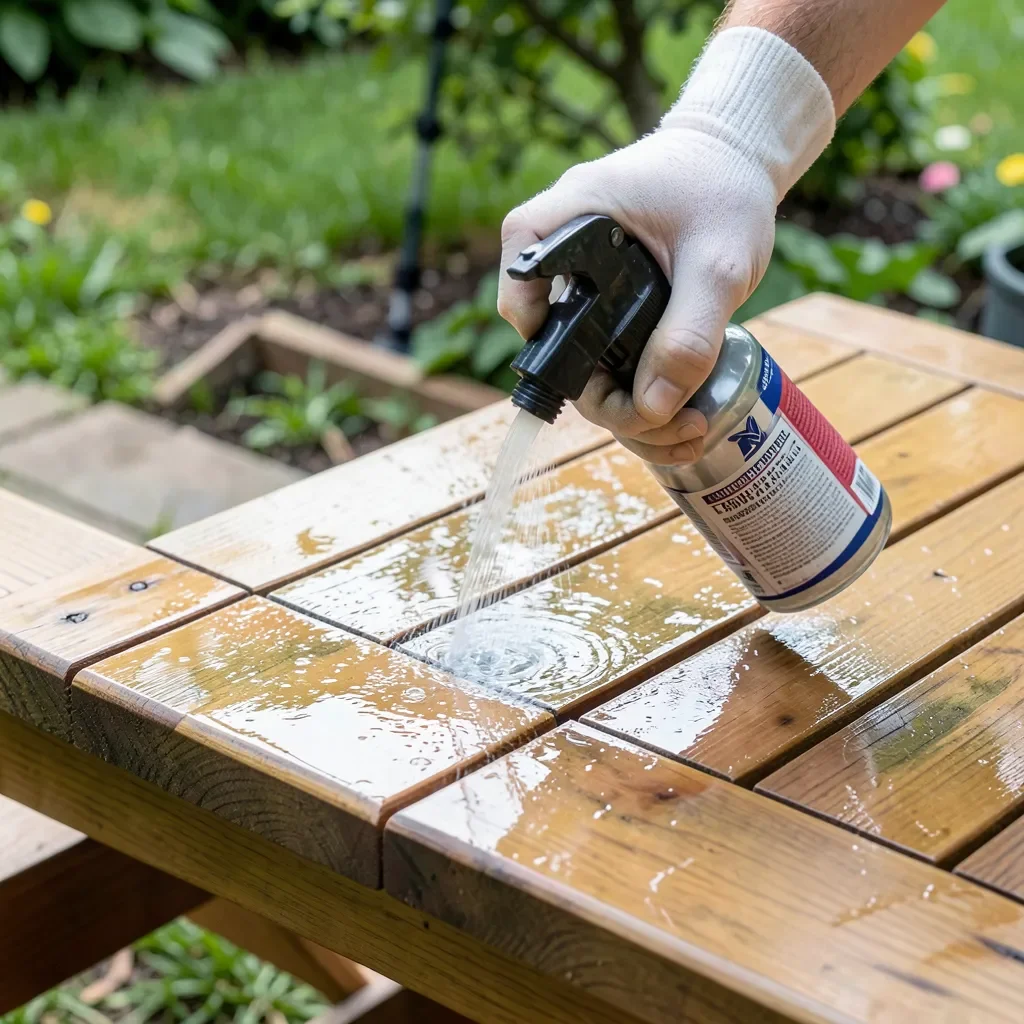
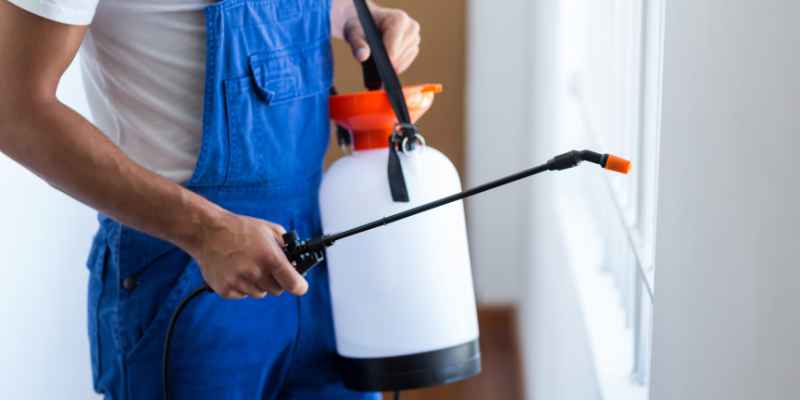
Applying Thompson’s WaterSeal with a pump sprayer is the fastest method for covering large flat surfaces like decks and fences. The manufacturer recommends a plastic sprayer with a brass wand — the Chapin Premier is the most commonly cited model. Avoid airless sprayers and HVLP guns unless you have experience adjusting tip pressure — see our guide to picking the right sprayer type and tip size for water sealer if you’re unsure; they often over-apply and cause puddling.
Gathering Necessary Tools And Materials
Before you begin the application process, gather all the necessary tools and materials for a smooth, hassle-free experience:
| Tools | Materials |
|---|---|
|
|
★ Recommended product
Chapin 20541XP Premier Poly Pump Sprayer
The manufacturer-recommended sprayer for Thompson’s WaterSeal. Includes a brass wand and adjustable nozzle for even coverage on decks, fences, and siding — without corroding from the sealant formula.
- Brass wand — won’t corrode with WaterSeal formulas
- Adjustable nozzle for coarse spray pattern
- 1-gallon capacity — covers up to 150 sq ft per fill
As an Amazon Associate we earn from qualifying purchases.
Preparing The Sprayer For Use
Once you have gathered all the necessary tools and materials, prepare the sprayer for use. Follow these steps:
- Remove any previous sealant or chemicals from the sprayer tank. Thoroughly clean it with clean water to avoid any unwanted interactions with the Thompson’s WaterSeal.
- Fill the sprayer tank with the appropriate amount of Thompson’s WaterSeal. Mix the sealant well with a stir stick before pouring it in.
- Attach the brass wand or extension wand to the sprayer, depending on the surface you will be treating and the reach you require.
- Pump the sprayer until you feel resistance — typically 10–15 pumps. Do not over-pump once you feel resistance.
- Put on your protective goggles and respirator mask before starting to spray.
Applying The Sealant Evenly
Now that your sprayer is ready, apply the Thompson’s WaterSeal using these steps for an even application:
- Start at one corner of the surface and hold the sprayer wand 10–12 inches away from it. According to the manufacturer, this distance provides optimal coverage without wasteful overspray.
- Squeeze the trigger to release a controlled spray. Move the wand in smooth, steady sweeping passes — each pass should overlap the previous one by approximately 50% to eliminate streaks.
- Work in manageable sections, maintaining a consistent application pattern throughout.
- For vertical surfaces like fences or walls, begin from the top and work your way down so any drips are covered by subsequent passes.
Ensuring Complete Coverage
To ensure complete coverage and maximum effectiveness of the Thompson’s WaterSeal, follow these additional tips:
- Apply the sealant in multiple thin coats rather than one thick coat. This allows the sealant to penetrate deeply into the surface and provide stronger protection.
- Check for any missed spots or areas with insufficient coverage. Use a brush or roller to touch up those spots.
- If puddling occurs, redistribute the product within 15 minutes to a dry area or wipe it off — do not allow it to pool and dry in place.
- Allow the Thompson’s WaterSeal to dry completely — at least 24 hours — before exposing the treated surface to rain or moisture.
Tips For Achieving The Best Results
Getting professional results from Thompson’s WaterSeal comes down to timing, temperature, and technique. Each of the tips below addresses a specific point of failure that causes early seal breakdown.
Applying Multiple Coats For Enhanced Protection
One coat is sufficient for most surfaces in average condition. For heavily weathered, highly porous, or newly cleaned surfaces, a second coat applied within 4 hours of the first coat provides enhanced durability. Do not apply a second coat after the first has fully cured — the second coat will not penetrate properly and will sit on the surface, causing uneven sheen.
Allowing Sufficient Drying Time
After applying each coat of Thompson’s WaterSeal, allow at least 24 hours of drying time before rain exposure. Do not apply the product if rain is forecast within 24 hours. Surface and air temperature must remain above 40°F during application and for 48 hours afterward. Full cure — where the sealer reaches maximum hardness — takes 21 days for one coat and up to 30 days for two coats.
Protecting Surrounding Surfaces
While applying Thompson’s WaterSeal, protect any surrounding surfaces you do not want coated. Cover adjacent areas with plastic sheets or drop cloths to prevent overspray or accidental staining. For railings and narrow surfaces, a brush gives better control than a sprayer — you’ll lose significant product to overspray when spraying small vertical targets.
Proper Cleaning And Maintenance
To clean the sprayer after use, run mineral spirits through the tank and wand to flush out residual sealant, then follow with clean water. For ongoing maintenance of sealed surfaces, clean with a mild detergent and soft brush periodically to remove dirt and biological growth. Inspect annually and reapply when water no longer beads on the surface — typically every 1–2 years for heavily exposed surfaces.
Applying Thompson’s WaterSeal: Common Mistakes to Avoid
Applying Thompson’s WaterSeal incorrectly shortens its effective lifespan and can leave the surface inadequately protected. These are the most common errors and how to avoid each one.
- Applying to wet or damp surfaces: WaterSeal cannot penetrate a surface that already holds moisture. Always wait at least 2 days after rain before applying to wood surfaces.
- Over-saturating in one area: Spraying too slowly or too close causes puddling. If puddling occurs, redistribute the product within 15 minutes using a brush — do not let it dry pooled.
- Using the wrong sprayer tip: A fine-mist tip applies too little product. Use a coarse fan-spray tip for efficient, even penetration.
- Applying in cold or hot temperatures: Below 40°F the sealant cannot cure properly. Above 90°F in direct sun, the product can dry too quickly and streak before penetrating.
- Skipping surface prep: Dirt, mold, or old peeling sealer prevents adhesion. Always clean the surface and allow it to dry completely before applying.
- Applying a second coat too late: If you want two coats, apply the second within 4 hours of the first while the surface is still tacky. Waiting longer than 4 hours means the second coat cannot bond properly.
Frequently Asked Questions
Can you apply Thompson’s WaterSeal with a pump sprayer?
Yes — a pump-up garden sprayer is the recommended method for applying Thompson’s WaterSeal to large surfaces. The manufacturer specifically recommends a plastic sprayer with a brass wand, such as the Chapin Premier. If you’re choosing between sprayer types for a bigger job, see our comparison of wood preservative sprayers by tank capacity and seal material. Avoid metal sprayers — the sealant formula can corrode aluminum and steel tanks over time. Do not use an airless sprayer without adjusting the tip pressure, as these tend to over-apply and cause puddling.
How many coats of Thompson’s WaterSeal should you apply?
One coat is sufficient for most surfaces in average condition. Apply a second coat only for highly porous, freshly cleaned, or heavily weathered surfaces — and only within 4 hours of the first coat while the surface is still tacky. Applying a second coat after the first has fully cured prevents proper penetration and causes uneven sheen. According to the manufacturer, one coat provides full waterproofing protection when applied correctly.
How long does Thompson’s WaterSeal take to dry?
Thompson’s WaterSeal is dry to rain exposure after approximately 24 hours under normal conditions (65°F, moderate humidity). Full cure — where the sealer reaches maximum hardness and water-beading performance — takes 21 days for one coat and up to 30 days for two coats. Do not apply if rain is forecast within 24 hours, and do not expose the surface to heavy water during the first 24 hours after application.
What temperature do you need to apply Thompson’s WaterSeal?
Both the surface and air temperature must be above 40°F during application and for 48 hours after application. Applying in temperatures below 40°F prevents the sealant from penetrating properly and curing to full hardness. Avoid application in direct sun above 90°F — high heat causes the product to dry before penetrating, which leads to streaking and poor coverage.
How do you clean a sprayer after using Thompson’s WaterSeal?
Run mineral spirits through the sprayer tank and wand immediately after use to flush out residual sealant. Pump it through the wand until the discharge runs clear. Then flush with clean water two or three times to remove the mineral spirits residue. Do not leave sealant sitting in the sprayer — it will clog the tip and corrode metal components. Proper cleaning extends sprayer life and prevents contamination in future applications.
Conclusion
Applying Thompson’s WaterSeal with a sprayer is straightforward when you use the right equipment and follow correct technique — a pump sprayer with a brass wand, 10–12 inch wand distance, 50% overlapping passes, and a 24-hour dry window. For deck stain and sealer projects, Thompson’s WaterSeal works well as a clear base or standalone waterproofer before winter exposure. Always reapply when water stops beading on the surface — typically every 1–2 years for outdoor wood.
Sponsored / affiliate links. As an Amazon Associate I earn from qualifying purchases. I may earn additional commission from eligible campaigns.