How to Build Exterior Wood Shutters: DIY Board-and-Batten Guide
Exterior wood shutters are built from three vertical cedar boards joined by two horizontal battens — cedar wins over pine or plain redwood because its natural oils resist rot without pressure treatment. Skip the 1/8-inch spacing gap between boards and the panels cup and crack within a season. This guide gives you the real cut list for a 40-inch shutter, the dado-joint trick that keeps battens from splitting, and an honest cost breakdown from $35 to $150 a pair.
Quick Answer
Build exterior wood shutters from kiln-dried cedar boards joined by two battens, leaving a 1/8-inch gap between boards so they don’t buckle when the wood swells. A standard 40-inch pair runs $35–$70 in materials if you rip your own cedar fence boards, or $100–$150 using dressed western red cedar lumber. Seal every cut edge — including the back — before you hang them.
Tools and Materials You’ll Need
Best Cedar Shutter Sealer Pick
Ready Seal Natural Cedar Exterior Wood Stain & Sealer, Turbo Spray
A one-coat, no-lap-mark stain-and-sealer combo built for small projects like a pair of shutters.
- Best for: Sealing a fresh cedar cut list in one afternoon
- Why we picked it: Spray format reaches louvers/edges and the back of the boards, which the honesty-in-sealing step above requires
- Main drawback: Small container — not enough for a whole-house re-stain job
Compare more cedar stain and sealer options
 Option 1 Thompson’s WaterSeal Natural Cedar
|
 Option 2 Olympic Maximum Cedar Transparent
|
 Option 3 DEFY Extreme Cedar Tone
|
As an Amazon Associate we earn from qualifying purchases.
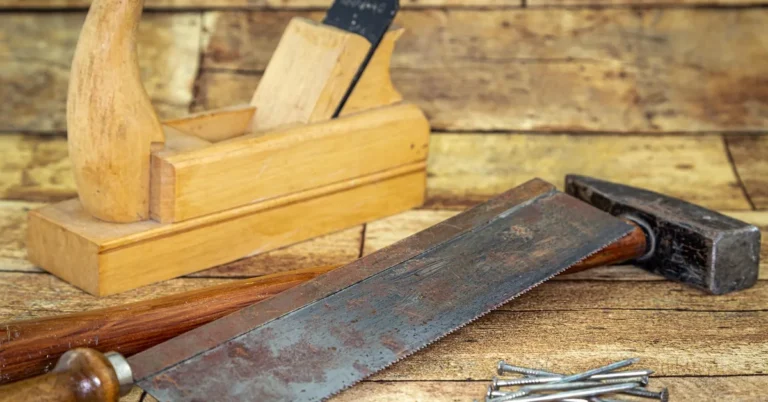
Gather everything before you start cutting — running back to the hardware store mid-project is how gaps end up uneven. This list builds one standard 40-inch shutter; double it for a pair.
Materials
- Cedar fence boards or dressed cedar 1×6 lumber (¾″ to 1″ thick)
- Exterior-grade waterproof wood glue
- 1 5/8-inch stainless-steel trim-head screws for battens
- 2½-inch exterior deck screws for wall mounting
- Exterior wood stain or paint (see the product picks below)
- Water-resistant clear coat or sealer for added protection
Tools
- Tape measure and pencil
- Circular saw or miter saw
- Drill/driver
- Bar clamps
- Sanding block or orbital sander
- Level
Which Wood Should You Use for Exterior Shutters?
Cedar is a softwood species that resists rot, insects, and warping because of the natural oils (thujaplicins) in its heartwood. It’s the default choice for exterior shutters because it needs no pressure treatment and takes stain evenly. Western red cedar and cypress both hold up outdoors for 20+ years with routine resealing; construction-grade pine will not, even painted, unless it’s pressure-treated first.
| Wood Species | Rot Resistance | Approx. Cost (per 6′ 1×6) | Best For |
|---|---|---|---|
| Western red cedar | Excellent (natural oils) | $12–$18 | Best all-around choice; takes stain well |
| Cypress | Excellent | $15–$22 | Humid/coastal climates |
| Redwood | Very good | $18–$28 | Regions where redwood is locally milled |
| Pressure-treated pine | Good (only if PT-rated) | $8–$12 | Budget builds that will be painted, not stained |
If you’re weighing styles beyond board-and-batten — raised panel, louvered, plantation — see our cedar shutter style ideas for a side-by-side look before you commit to a cut list.
Real Cut List for a 40-Inch Shutter
Most guides tell you to “measure your window” and stop there. Here’s an actual cut list, scaled from a 36¾″-wide × 48½″-high window opening (a common size) so you can see real numbers before you buy lumber.
| Part | Quantity (per shutter) | Dimensions |
|---|---|---|
| Vertical boards | 3 | 40″ long × 5½″ wide × ½″–¾″ thick |
| Battens (front or back) | 2 | 16–18″ long × 5½″ wide |
| Board gap | — | 1/8″ between each vertical board |
| Batten offset from top/bottom | — | 8–12″ |
📊 Real project cost data: This Old House priced a comparable western red cedar pair at $138 total, using 1/2×6 boards and stainless trim-head screws — Remodelaholic’s cedar-fence-board version came in under $40 for a pair using standard fence pickets. The gap between those numbers is almost entirely lumber grade (dressed cedar board vs. fence picket), not labor.
How to Build the Shutters, Step by Step
- Measure the window: Measure width at the top, middle, and bottom of the opening and record the smallest figure — window frames are rarely perfectly square. Shutters typically run the full height of the window and about half its width.
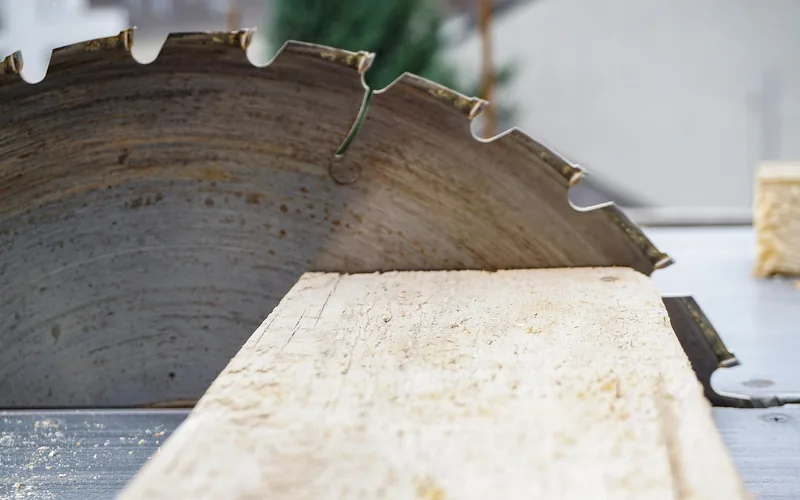
- Cut the boards to length: Rip your cedar to the vertical board width and cross-cut to length with a sharp carbide blade to avoid splintering the soft cedar grain.
- Set the 1/8-inch gaps: Lay the three vertical boards face-down on a flat surface. Use two 1/8-inch spacers (a pair of paint stir sticks works) between boards at the top, middle, and bottom to hold an even gap while you work — cedar expands seasonally, and boards butted tight will cup.
- Glue and clamp: Run a bead of exterior-grade waterproof glue along each mating edge before you clamp — glue alone at the batten joints roughly doubles long-term holding strength versus screws alone.
- Attach the battens: Position battens 8–12 inches from the top and bottom. For a stronger joint than a simple butt-and-screw connection, rout a 1/8-inch-deep dado (a shallow groove) into the battens so they seat into the boards rather than sitting flush on top — this is the detail that keeps battens from splitting when the wood moves. Drive trim-head screws from the back so no fasteners show on the face.
- Sand and finish: Sand all edges and both faces to 150-grit. Seal or stain every surface, including the back and the freshly cut edges — end grain left unsealed is where rot starts first, even on cedar.
- Hang the shutters: Mount with 2½-inch exterior deck screws, four per shutter, driven into solid framing or siding backer — not just through vinyl or foam trim.
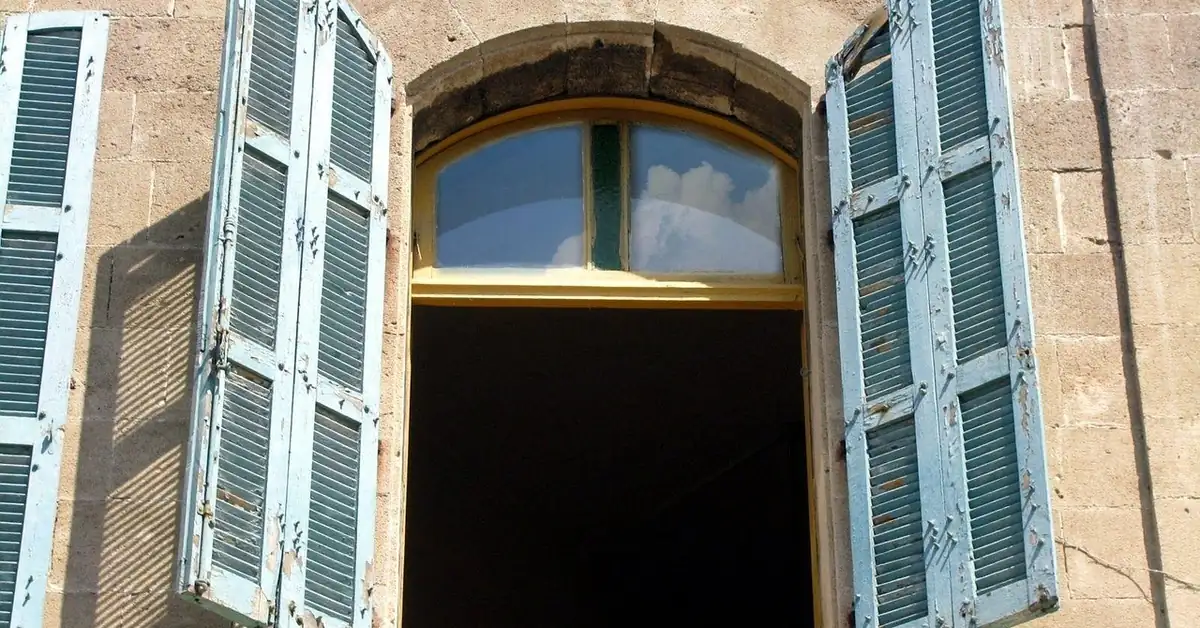
If you’re mounting to a brick or masonry wall instead of siding, standard deck screws won’t hold — see our guide to installing shutters on brick without drilling for anchor options that don’t require a hammer drill.
Common Mistakes That Ruin DIY Shutters
- Butting boards tight with no gap: Cedar swells across the grain with humidity. Zero gap means the panel cups or the glue joint splits within a year.
- Skipping the back seal: Painting or staining only the visible face traps moisture on the unsealed back, which is the single most common cause of early rot on DIY shutters.
- Using interior screws: Plain steel screws rust and streak the wood within months outdoors. Stainless or exterior-rated coated screws cost a little more and are worth it.
- Mounting flush with no airflow gap: Leave about a half-inch of clearance behind the shutter so moisture can evaporate instead of sitting against the wall.
Once the shutters are built and sealed, matching the finish to your trim is its own project — our paint-coverage guide walks through how much you’ll need for the number of shutters you’re hanging. For general project planning, browse more DIY wood projects on the site.
Frequently Asked Questions
What kind of wood should you use for exterior shutters?
Western red cedar is the top choice for exterior shutters because its natural oils resist rot, insects, and fungal growth without chemical treatment. Cypress is a solid second choice in humid or coastal climates. Pressure-treated pine works only if it’s rated for ground or exterior contact and will be painted, not stained.
How much does it cost to build wood shutters?
Expect $35–$70 per pair using cedar fence boards and basic hardware, or $100–$150 per pair using dressed western red cedar lumber and stainless trim-head screws. Add roughly $15–$25 per pair for stain or sealer.
How thick should the boards be for exterior shutters?
Use boards at least ½ inch thick, with ¾ inch to 1 inch preferred for wind and impact resistance in exposed locations. Thinner stock is more prone to warping outdoors.
What’s the gap between boards for board-and-batten shutters?
Leave a 1/8-inch gap between each vertical board. This lets the cedar expand and contract with seasonal humidity changes without cupping or splitting the glue joint at the battens.
Do I need to seal the back of the shutters too?
Yes. Sealing only the visible face traps moisture against the unsealed back and cut edges, which is the most common cause of early rot on DIY shutters. Seal all six sides, including end grain, before you hang them.
Conclusion
A pair of board-and-batten exterior shutters is a realistic weekend project: cedar boards, two battens, a 1/8-inch gap, and a sealed back are the four details that separate shutters that last 15+ years from ones that cup within a season. Budget $35 to $150 depending on lumber grade, and you’ll have a genuinely custom-fit pair for less than most stock sizes cost off the shelf.
Sponsored / affiliate links. As an Amazon Associate I earn from qualifying purchases. I may earn additional commission from eligible campaigns.