How to Clean Mango Wood: Ultimate Guide for Sparkling Results
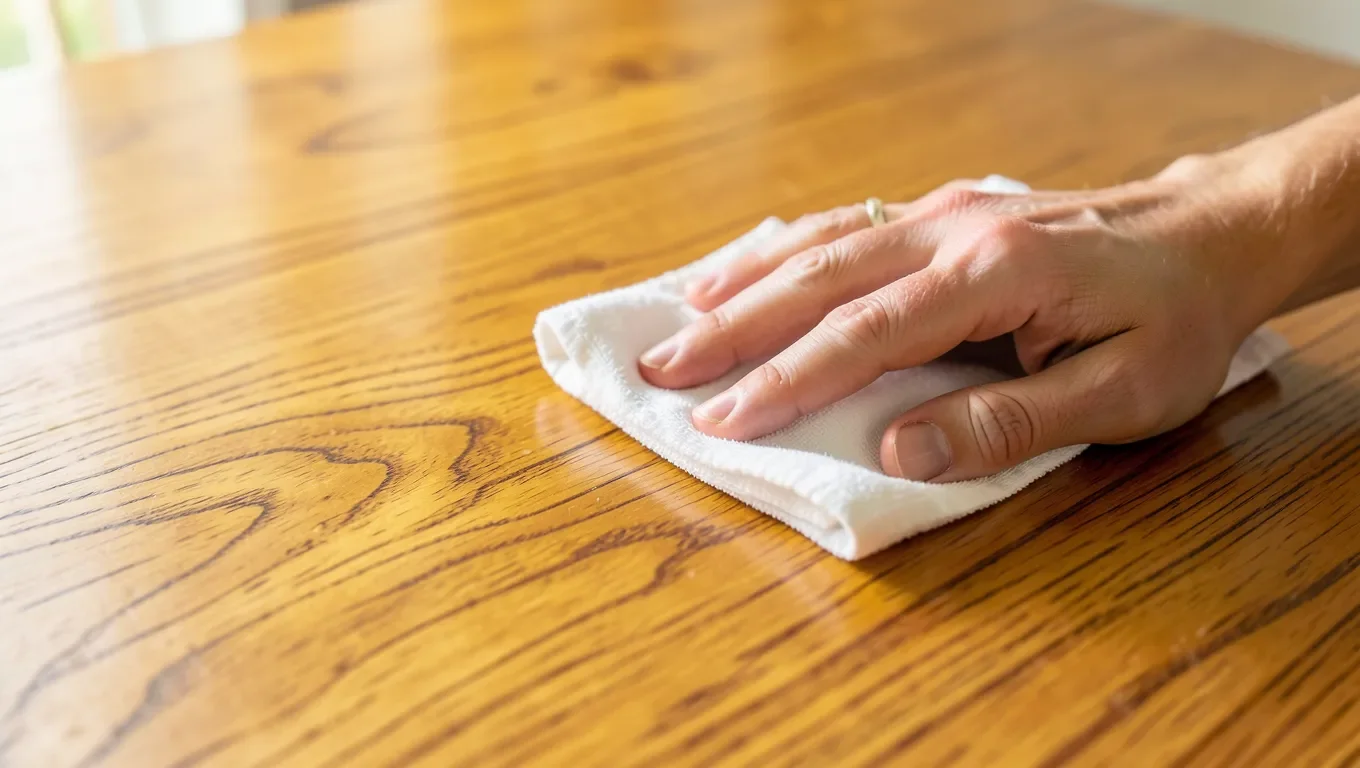
To clean mango wood, wipe it with a soft cloth dampened in warm water and a few drops of mild dish soap, then dry it immediately with a separate dry cloth. Avoid soaking the wood or using harsh chemical cleaners, since mango wood is porous and takes on moisture more readily than denser hardwoods like oak or teak.
Mango wood’s appeal is its wavy, variegated grain and relatively low cost compared to teak or walnut, but that same open grain means it’s less naturally water- and stain-resistant. Regular cleaning and periodic conditioning keep the color and grain from drying out or dulling over time.
What You’ll Need
Gather everything before starting: a soft, lint-free cloth (microfiber works well), a second dry cloth, a bowl of warm water, and a mild dish soap. Skip anything abrasive — scouring pads, ammonia-based glass cleaners, and bleach all strip the finish faster than normal wear would.
For Regular Cleaning
 |
Weiman Cabinet & Wood Clean & Shine Spray – $15.99 A pre-mixed alternative to soap and water for quick cleanups between deeper cleans.
|
How Mango Wood Care Differs From Teak or Oak
Mango wood is a fast-growing hardwood, typically harvested from trees that have stopped bearing fruit, which is part of why it costs less than slow-growing hardwoods like teak or walnut. The tradeoff is density: mango wood’s open, porous grain absorbs moisture and stains more readily than teak’s naturally oily, water-resistant grain or oak’s tighter, denser structure. That difference is the reason mango wood needs more frequent conditioning and faster drying after any wet cleaning — it’s simply less forgiving of standing moisture.
| Wood | Water Resistance | Cleaning Frequency | Conditioning Needed |
|---|---|---|---|
| Mango | Low — porous, absorbs moisture | Wipe weekly, dry immediately after any wet cleaning | Every 2–3 months |
| Teak | High — naturally oily grain | Wipe as needed | Every 6–12 months |
| Oak | Medium — dense, tight grain | Wipe as needed | Every 6–12 months |
How Often You Actually Need to Clean It
A quick dry dusting once a week is enough for mango wood furniture in normal household use — a dining table, a console, a bed frame. Reserve the full soap-and-water clean for once every one to two weeks, or immediately after a spill, since more frequent wet cleaning than that just adds unnecessary moisture exposure without actually improving how the wood looks. Kitchen pieces that see food contact daily are the exception: wipe those down after each use, but keep the wipe-down quick and dry the surface right after.
Step-by-Step: Cleaning Mango Wood
1. Dust First
Wipe or brush away loose dust and debris with a dry soft cloth before introducing any water. Skipping this step means grit gets dragged across the surface during the wet-wipe stage, which can leave fine scratches in the grain.
2. Wipe With a Mild Soap Solution
Mix a few drops of mild dish soap into warm water. Dip the cloth in, wring it out until it’s damp rather than wet, and wipe with the grain in small sections. Mango wood’s grain runs in wavy, irregular patterns rather than straight lines, so working in short back-and-forth strokes rather than long passes gets more even coverage.
3. Spot-Treat Stubborn Spots
For a stain that doesn’t lift with the soap solution, a paste of baking soda and a small amount of water applied with a soft cloth and gentle circular pressure handles most water rings and light food stains. Never scrub hard enough to feel resistance in the finish — that’s the point where you start removing sealant rather than dirt.
4. Rinse and Dry Immediately
Wipe down with a cloth dampened in clean water to remove soap residue, then dry the entire surface right away with a separate dry cloth. This is the step that matters most for mango wood specifically: leaving moisture sitting on a porous surface, even for a few minutes, is how water rings and warping start.

Maintenance and Protection
Condition It Periodically
Because mango wood is more porous than teak or oak, it dries out and dulls faster without periodic conditioning. A wood polish or conditioner containing beeswax or a food-safe mineral oil, applied every few months, keeps the grain from looking chalky and helps the finish resist moisture between cleanings.
Keep It Out of Direct Sun and High Humidity
Direct sunlight fades mango wood’s color unevenly over time, so positioning furniture away from a window that gets hours of direct light preserves the color longer. On the other end, rooms with consistently high humidity, like a bathroom or an uncovered patio, encourage the wood to swell, warp, or develop mold, since mango wood’s open grain absorbs ambient moisture more readily than denser species.
Reapply a Protective Finish When It Wears Thin
Most mango wood furniture ships with a factory finish — polyurethane, lacquer, or wax — that wears down with years of use and cleaning. Clean and fully dry the surface before reapplying any coating, and follow the product’s own cure time before using the surface again; a partially cured finish is what causes cloudy or tacky patches later.
Frequently Asked Questions
How do you clean mango wood furniture?
To clean mango wood furniture, mix mild detergent with warm water and use a soft cloth to wipe down the surface. Avoid excessive moisture and harsh cleaning solutions. Polish the wood occasionally with a natural wax or furniture oil to maintain its luster.
Can you use vinegar to clean mango wood?
Yes, you can use a mixture of equal parts vinegar and water to clean mango wood. However, it is important to dampen a cloth with the solution and not spray it directly on the wood. Wipe the furniture gently and dry it thoroughly to avoid any damage.
How do you remove stains from mango wood?
To remove stains from mango wood, create a paste with baking soda and water. Apply the paste to the stained area and gently scrub with a soft cloth. Rinse with water and dry thoroughly. If the stain persists, consider using a wood stain remover recommended by the manufacturer.
Is mango wood as durable as teak?
Not quite. Mango wood is a genuine hardwood and holds up well to normal furniture use, but its more open grain makes it more prone to moisture damage and surface scratches than teak, which contains natural oils that resist water and pests. Mango wood furniture with a good factory finish and regular conditioning closes most of that gap for indoor use.
Can mango wood be used outdoors?
It’s not a good choice for uncovered outdoor use. Mango wood’s porosity makes it prone to warping, cracking, and mold growth when exposed to rain and humidity swings over time, unlike naturally weather-resistant woods like teak or cedar. Covered patios or three-season rooms with stable humidity are about as far outdoors as mango wood furniture should go.
Conclusion
Mango wood’s wavy grain and lower cost compared to teak or walnut come with a tradeoff: it’s more porous, so it needs consistent cleaning and periodic conditioning to avoid drying out or absorbing moisture. Dust before wiping, dry immediately after any wet cleaning, and reapply a wax or oil conditioner every few months, and mango wood furniture holds its color and grain for years.
Sponsored / affiliate links. As an Amazon Associate I earn from qualifying purchases. I may earn additional commission from eligible campaigns.