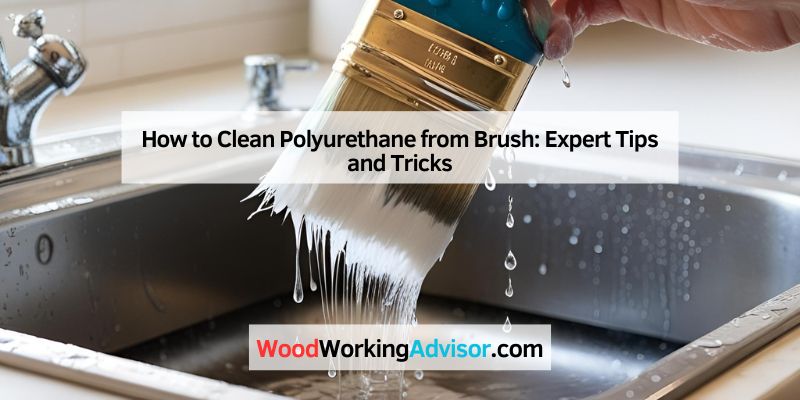
How to Clean Polyurethane from Brush: Expert Tips and Tricks
Cleaning polyurethane from a brush can be tricky. It needs careful attention and the right approach.
Polyurethane can harden on brushes, ruining them. Proper cleaning preserves the brush for future use. In this guide, you’ll learn effective methods to remove polyurethane from brushes. This process ensures your tools stay in good condition. Whether you’re a DIY enthusiast or a professional, keeping brushes clean is vital.
It saves money and time. Discover practical tips and step-by-step instructions. This will help you maintain your brushes easily and efficiently. Let’s dive into the details and keep your brushes in top shape.
Choosing The Right Brush
Different brushes serve different tasks. A natural bristle brush is good for oil-based polyurethane. It holds more finish and gives a smooth coat. A synthetic brush works well with water-based polyurethane. It does not absorb water, so it keeps its shape. Foam brushes are cheap and easy to use. They can be thrown away after use. This is handy for quick jobs.
| Brush Type | Advantages |
|---|---|
| Natural Bristle | Holds more finish. Smooth coat. |
| Synthetic | Good for water-based. Keeps shape. |
| Foam | Cheap. Disposable. Easy to use. |
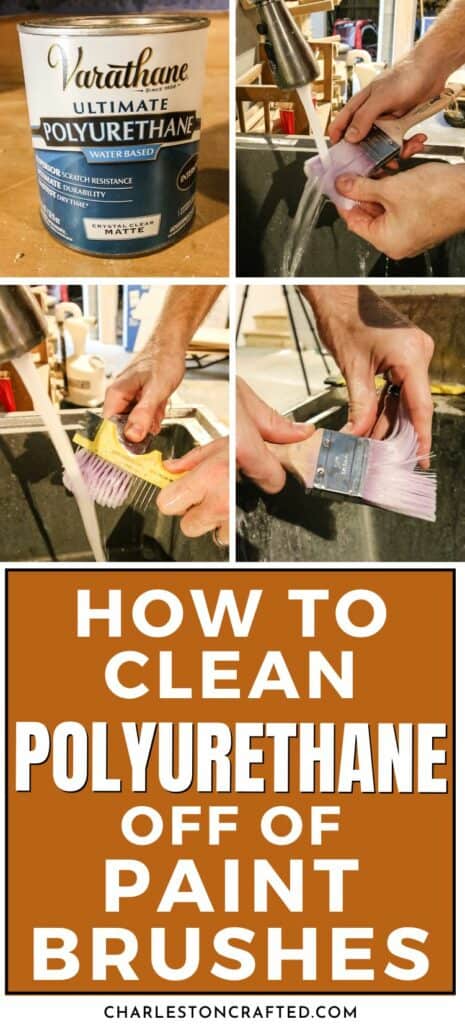
Credit: www.charlestoncrafted.com
Preparing For Cleaning
Gather the necessary supplies first. You’ll need mineral spirits or paint thinner. Get a clean container for the solvent. Have paper towels or rags ready. Use gloves to protect your hands. You might also need a brush comb or wire brush.
Find a well-ventilated area. Preferably work outdoors or near an open window. Lay down newspapers or a plastic sheet. This will protect your work surface. Ensure you have enough light to see clearly. Keep your supplies within reach.
Cleaning Fresh Polyurethane
Cleaning polyurethane from brushes requires patience and proper technique. Use mineral spirits to gently dissolve the residue. Rinse thoroughly and dry for best results.
Using Solvents
To clean fresh polyurethane, use a solvent. Common choices include mineral spirits or paint thinner. These solvents can break down the polyurethane. First, pour the solvent into a container. Dip the brush into the solvent. Swirl the brush to loosen the polyurethane. Use a comb to further clean the bristles. Repeat the process if needed. After cleaning, rinse the brush with warm water. Finally, allow the brush to dry completely.
Quick Cleaning Tips
- Work in a well-ventilated area.
- Wear gloves to protect your skin.
- Use a comb to remove stubborn residue.
- Rinse brushes thoroughly after cleaning.
- Store brushes properly to maintain their shape.

Credit: www.pinterest.com
Removing Dried Polyurethane
Cleaning polyurethane from a brush requires care. Use a mix of mineral spirits and warm, soapy water. Gently rinse until the brush is clean.
Soaking The Brush
Fill a container with mineral spirits. Place the brush in the container. Let the brush soak for several hours. This will help soften the dried polyurethane. Check the brush every hour. You may need to change the mineral spirits. Fresh mineral spirits work better. Keep the brush submerged. Move it around to help loosen the polyurethane. After soaking, remove the brush.
Scraping Off Residue
Use an old comb to scrape off the softened polyurethane. Start from the base of the bristles. Work your way to the tips. Be gentle to avoid damaging the brush. If residue remains, use a wire brush. This helps remove stubborn polyurethane. Rinse the brush under warm water. Make sure all residue is gone. Dry the brush with a clean cloth. Store the brush properly for future use.
Deep Cleaning Techniques
Vinegar can help clean brushes. Soak the brush in a cup of vinegar. Let it sit for an hour. The vinegar softens the polyurethane. Use a comb to remove the softened polyurethane. Rinse the brush with warm water. Dry the brush with a towel.
Mineral spirits are strong. Pour some into a container. Dip the brush into the mineral spirits. Swirl it around. This helps break down the polyurethane. Use a rag to wipe off the softened residue. Wash the brush with soapy water. Rinse and dry the brush well.
polyurethane from a brush
Maintaining Brush Quality
Always store brushes in a dry and clean place. Hang them or lay them flat. Never store them with the bristles down. This helps keep the bristles in good shape. Use a brush cover to protect the bristles. This ensures they stay dust-free and ready for use. Keep them away from direct sunlight.
Clean brushes after every use. Use the right cleaner for polyurethane. Warm, soapy water works well. Rinse brushes thoroughly. Shake off excess water. Let them air dry completely before storing. Check for dried paint in the bristles. Remove it with a comb. This keeps your brushes in top condition.
Eco-friendly Cleaning Options
Cleaning polyurethane from a brush can be done using natural methods. Try using vegetable oil to soften the polyurethane. Then, wash the brush with warm soapy water.
Natural Solvents
Natural solvents are better for the environment. Vinegar is a great choice. Mix vinegar with water. Soak the brush for an hour. Gently rub the bristles. Rinse with clean water. Let the brush dry.
Safe Disposal Methods
Dispose of cleaning materials properly. Do not pour solvents down the drain. Use a sealed container. Take it to a local waste facility. Check for community drop-off points. Always read local guidelines. Keep the environment safe.
Troubleshooting Common Issues
Stiff bristles can be annoying. Soak the brush in warm soapy water. This will help soften the bristles. Brush gently with a comb. Remove any dried polyurethane. Repeat if needed. You can also use a brush cleaner. Let it soak for an hour. Rinse and dry properly. Store the brush in a safe place.
Persistent stains can be tough. Use mineral spirits. Dip the brush in the solution. Let it sit for 15 minutes. Gently scrub the bristles. Rinse with warm water. If the stain remains, repeat the process. Make sure to dry the brush well. Clean brushes work better. Take good care of them.

Credit: www.youtube.com
Frequently Asked Questions
What Cleans Polyurethane Off Brushes?
To clean polyurethane off brushes, use mineral spirits or paint thinner. Rinse thoroughly and let dry completely.
What Is The Best Thing To Clean Polyurethane With?
Use a soft cloth with mild soap and water to clean polyurethane surfaces. Avoid harsh chemicals and abrasive materials.
How To Clean A Polyurethane Applicator?
Clean a polyurethane applicator with mineral spirits. Rinse thoroughly with warm soapy water. Dry completely before storage.
Can You Use Rubbing Alcohol To Clean Polyurethane?
Yes, you can use rubbing alcohol to clean polyurethane. Test a small area first to avoid damage.
Conclusion
Cleaning polyurethane from your brush is crucial for its longevity. Follow the steps carefully. Use the right cleaning tools and materials. Rinse thoroughly to remove all residue. Dry your brush properly before storing. A well-maintained brush ensures better painting results.
Regular cleaning saves time and money. Keep your brushes clean for all future projects. This guide helps you achieve just that. Happy painting!