How to Clean a Water-Based Polyurethane Brush (Without Ruining It)
To clean a water-based polyurethane brush, wipe off the excess, then work warm water and a few drops of dish soap through the bristles until the water runs clear. Do this within 30-60 minutes of your last coat – once water-based poly skins over in the bristles, no amount of soaking brings a brush back to full shape.
That time window is the part most cleaning guides skip, and it’s the reason so many good brushes end up in the trash after a single project. Water-based polyurethane forms a thin skin the moment it’s exposed to air, and once that skin sets inside the ferrule (the metal band holding the bristles), soap and water alone won’t dissolve it. Dried polyurethane at the base of the bristles is what turns a $12 brush into a stiff paddle after one coat.
Below is the full process – what to use, how long to spend on it, the one bristle mistake that ruins brushes before they even touch a finish, and what to do if you’re reading this an hour too late and the brush has already started to stiffen.
Why Water-Based Polyurethane Brushes Need Different Care
Water-based polyurethane cleans up with soap and water instead of mineral spirits, which is the main reason people switch to it. But that convenience comes with a catch: it also dries faster in the bristles than oil-based finish does, so the cleaning window is shorter, not longer. A brush loaded with oil-based poly can usually sit wrapped in plastic overnight; a brush loaded with water-based poly starts tacking up in well under an hour at normal room humidity.
The same water-versus-natural-fiber rule applies if you’re using a roller instead of a brush on the same project. See our guide on the right roller for water-based polyurethane for which material and nap length to use.
Best Tool For Getting Brushes Bone-Dry Fast
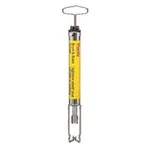 |
Purdy Brush & Roller Spinner – $22.89 After the soap-and-water rinse below, a few pumps of this spinner throws off far more trapped water than blotting on a towel, which is what actually keeps bristles from splaying as they dry.
|
There’s also a bristle-type mistake that has nothing to do with timing. Many natural-bristle (hog hair) brushes are sold as all-purpose, but natural bristle absorbs water and swells – it’s built for oil-based finishes, not water-based ones. Use a natural-bristle brush with a water-based poly and the bristles will splay and lose their point no matter how carefully you clean them, because the damage happens from the water-based product itself, not from cleaning technique. A synthetic (nylon/polyester blend) brush is the one that actually holds its shape with water-based finishes over repeated cleanings, including Minwax Polycrylic brushes.
What You Need Before You Start
You don’t need anything specialized for a brush that’s still wet with finish:
- A rag or paper towel to wipe off the bulk of the finish before you go near water
- Warm water – hot enough to feel warm on your hands, not scalding
- A few drops of dish soap (Dawn or similar) – regular hand soap works, but dish soap cuts the finish faster
- A brush comb or your fingers to work soap down to the base of the bristles, where finish hides and hardens first
- A spinner tool or a clean towel for drying (see above – a spinner cuts drying time from hours to seconds)
If the brush has already sat for more than an hour and feels slightly stiff at the base, add one more item: plain white vinegar or liquid fabric softener, both of which are used in the revival method further down.
Step-By-Step: Cleaning A Brush Right After Use
- Wipe off the excess. Drag the brush across the rim of the can or a rag until it stops dripping. This step alone removes most of what would otherwise dry in the bristles.
- Rinse under warm running water. Point the bristles down and let water flow from the ferrule toward the tip – never the other way, or you’ll drive finish deeper into the base.
- Work in a few drops of dish soap. Rub the bristles between your fingers or against your palm, paying extra attention to where the bristles meet the metal ferrule. That’s where residue hides and where stiffness starts.
- Rinse again until the water runs clear. Cloudy or milky water means there’s still finish left; repeat the soap step.
- Reshape the bristles by pulling them gently back into their original taper while they’re still damp.
- Remove excess water with a spinner (best) or by pressing – not wringing – the bristles in a towel.
- Lay flat or hang bristle-down to finish air-drying. Never stand a wet brush on its bristles; the weight of the handle bends them out of shape as they dry.
Total time for this process is usually two to three minutes. The single biggest reason it takes longer, or doesn’t fully work, is skipping step 3 and only rinsing the surface of the bristles instead of working soap down to the ferrule.
Reviving A Brush That’s Already Started To Harden
If you’re past the 30-60 minute window and the bristles feel tacky or slightly stiff rather than fully hard, there’s still a fix – this is the part most cleaning guides don’t mention because they assume you’re cleaning immediately:
- Soak in warm water with a splash of liquid fabric softener for 15-20 minutes. Fabric softener breaks down the partially-cured polymer film without the fumes of a solvent, which works because water-based poly hasn’t fully cross-linked yet at this stage.
- Alternative: white vinegar soak. Warm (not boiling) white vinegar for 20-30 minutes softens the same partially-dried film, then follow with the full soap-and-water process above.
- Work the bristles constantly during the soak – flexing them with your fingers every few minutes speeds up the softening and tells you when it’s working.
Once the finish has gone fully hard and brittle – typically after several hours to overnight – no soak brings it back. At that point the honest answer is to retire the brush for rough work (glue spreading, stain application) rather than fine finishing.
Drying And Storing A Cleaned Brush
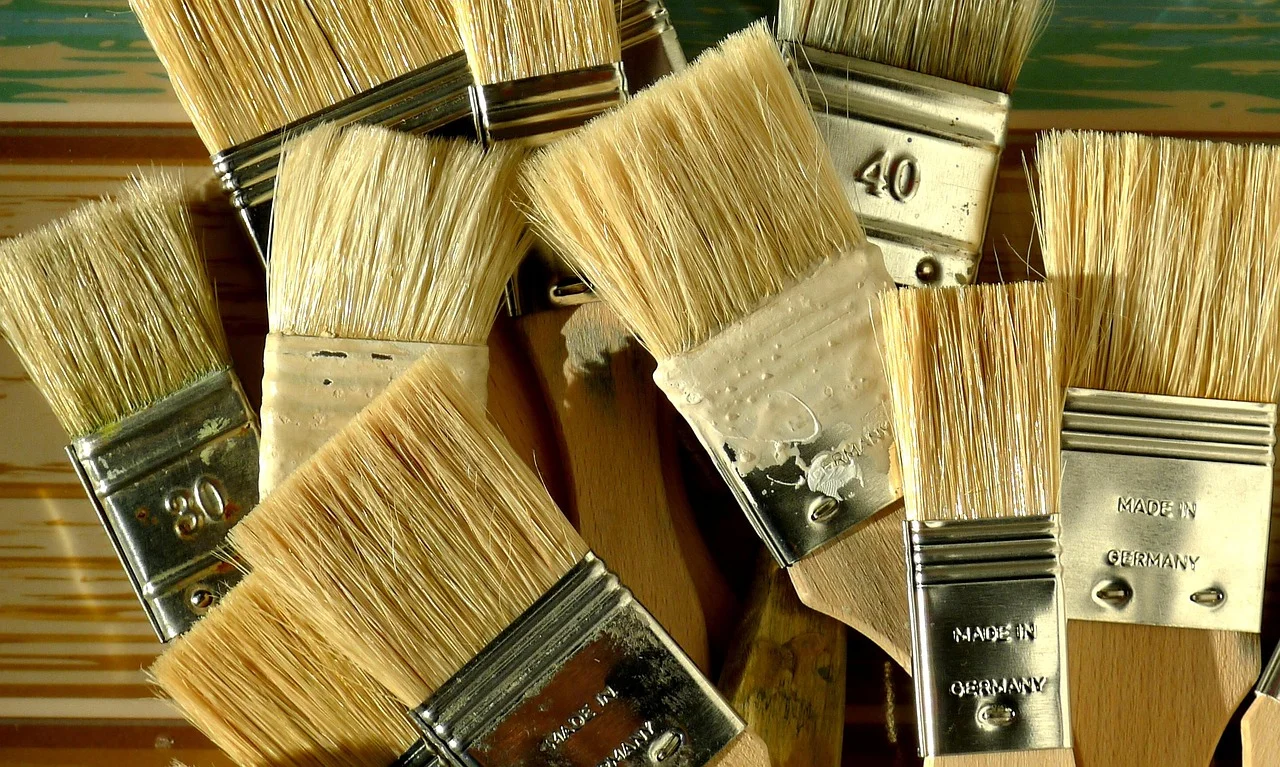
How a brush dries matters almost as much as how it’s cleaned. Bristles that dry flat or hanging keep their factory taper; bristles that dry standing in a jar or lying in a puddle of their own water dry warped, and a warped brush never applies finish as smoothly again.
- Hang bristle-down using a hole drilled in the handle, or lay the brush flat on its side on a paper towel.
- Wrap in its original paper sleeve once dry, or craft one from paper – this keeps the bristle shape locked in during storage.
- Store flat or hanging, never bristle-up in a cup – gravity pulls the bristles into a permanent bend over weeks of storage.
- Keep away from heat sources like a garage wall in direct sun; heat re-softens and can re-deform bristles that were reshaped while damp.
Troubleshooting Common Problems
Bristles feel stiff at the base but flexible at the tip. This means soap never reached the ferrule during cleaning. Re-wet the brush and work soap into the base specifically, using a comb if you have one, rather than repeating a surface rinse.
Brush sheds bristles after cleaning. A small amount of shedding in the first few uses is normal for any new brush. Heavy shedding after repeated cleanings usually means the brush was scrubbed too aggressively against a hard surface, or soaked in hot (not warm) water, which can loosen the epoxy holding bristles in the ferrule.
Water won’t run clear no matter how long you rinse. Switch from plain water to the dish-soap step and increase contact time – plain water alone doesn’t break down polyurethane’s binder the way a surfactant does.
Bristles dried splayed even though you cleaned promptly. This is almost always the natural-vs-synthetic bristle mismatch described above, not a cleaning mistake – check what the brush is actually made of before assuming you did something wrong.
Disposing Of Rinse Water The Right Way
Water-based polyurethane rinse water is not the same as clean dish water, and most municipal guidelines ask that it not go straight down the drain in large amounts, since dried solids can build up in pipes and treatment systems weren’t designed for finish residue.
- Let the rinse water sit uncovered in a bucket for 24-48 hours. The polyurethane solids will settle to the bottom or form a film on top as the water evaporates.
- Pour off the clear water on top once separation happens – this part is safe for the drain in small household quantities.
- Let the remaining solid sludge dry out completely, then dispose of it as solid waste in the trash, not down the drain.
- For frequent or large-volume cleaning (a shop doing multiple projects a week), check your local household hazardous waste program – some municipalities want cured finish solids dropped off rather than trashed.
Frequently Asked Questions
Can I use a natural-bristle brush with water-based polyurethane?
No – natural (hog hair) bristles absorb water and swell, which permanently splays the bristles regardless of how carefully the brush is cleaned. Use a synthetic nylon/polyester brush for any water-based finish; save natural bristle for oil-based products.
How long can polyurethane sit in a brush before it’s ruined?
Water-based polyurethane typically starts skinning over in the bristles within 30-60 minutes at normal room temperature and humidity. Clean the brush within that window for the best results; past several hours to overnight, the finish is usually too hard to remove.
What’s the best way to revive a brush that already dried stiff?
Soak the bristles in warm water with a splash of liquid fabric softener, or in warm white vinegar, for 15-30 minutes, flexing the bristles every few minutes. This softens polyurethane that has partially dried but hasn’t fully cross-linked. Once the finish is fully hard and brittle, no soak will restore the brush.
Can I pour the rinse water down the drain?
Not right away. Let the rinse water sit uncovered for 24-48 hours so the polyurethane solids settle out, pour off the clear water on top, and let the remaining sludge dry before throwing it away as solid waste rather than pouring it down the drain.
Conclusion
A water-based polyurethane brush is easy to keep in service almost indefinitely, as long as it’s cleaned within the first hour, soap reaches the base of the bristles every time, and it dries flat or hanging rather than standing in a jar. The brush type matters just as much as the cleaning routine – a synthetic brush cleaned correctly can outlast a dozen projects, while a natural-bristle brush will splay regardless of technique.
Sponsored / affiliate links. As an Amazon Associate I earn from qualifying purchases. I may earn additional commission from eligible campaigns.