Spar Varnish vs Polyurethane: Outdoor or Indoor Wood Finish?
Spar varnish flexes with wood and blocks UV rays, making it the right call outdoors — polyurethane cures harder and resists scratches, which is why it wins on interior floors and tabletops. Use the wrong one and an exterior door finished in polyurethane can crack within a season as the wood moves. This guide compares flexibility, hardness, UV resistance, and drying time, and explains where spar urethane fits between the two.
Understanding Wood Finishes
Best Spar Urethane Pick
 |
Minwax Helmsman Indoor/Outdoor Spar Urethane, Satin Quart – $27.41 The synthetic middle-ground finish covered above — a urethane-modified resin that flexes and blocks UV like spar varnish but cures harder, and is rated for both indoor and outdoor use.
|
As an Amazon Associate we earn from qualifying purchases.
Picking the right wood finish protects and beautifies a project. Spar varnish and polyurethane both offer protection, but they have different strengths and ideal uses.
What is Spar Varnish
Spar varnish is a protective coating designed primarily for exterior wood applications. Its name comes from its traditional use on sailing spars, which are exposed to harsh marine environments. The ingredient that sets spar varnish apart is its high oil content, often linseed or tung oil.
This oil content makes it flexible and able to expand and contract with the wood as temperatures and humidity change, which is crucial for preventing cracks and peeling outdoors. Spar varnish also contains UV inhibitors that help protect wood from sun damage, making it a strong choice for furniture, doors, windows, and any wood in direct sunlight.
The oil-based nature of spar varnish gives it a warm, amber tone that can enhance the natural beauty of wood — though this ambering may not suit projects where a clear, neutral finish is preferred. Application typically involves multiple thin coats; it dries slowly, which allows for good leveling. Cleanup of tools is usually done with mineral spirits or paint thinner. It can be slightly softer than other finishes and may scratch more easily under heavy abrasion.
Spar Varnish vs. Spar Urethane: Are They the Same Thing?
Not quite, and this is where most comparisons get muddled. Traditional spar varnish is a natural product: phenolic or alkyd resin combined with tung or linseed oil, cooked the way boatbuilders have made it for over a century. Spar urethane (sold under names like Minwax Helmsman) is a newer, synthetic reformulation that adds urethane plastic to the resin blend, which is why it is sometimes called an oil-modified urethane. Both stay flexible and block UV, but spar urethane generally cures faster and holds up slightly better indoors, while classic marine spar varnish is still what most boatbuilders reach for on brightwork. Check the can — if the name includes “urethane,” it is the synthetic version, not traditional varnish.
What is Polyurethane
Polyurethane is a synthetic resin that forms a durable, protective film when dried. It is widely used for both interior and exterior applications depending on formulation, and it is known for toughness, abrasion resistance, and protection against moisture and chemicals. It comes in oil-based, water-based, and hybrid forms.
Oil-based polyurethane offers a harder finish and a warmer tone, similar to spar varnish but with less flexibility; it dries slower, which helps achieve a smooth, even coat. Water-based polyurethane dries much faster, is clearer, and has less odor, a good option for interior projects where quick drying and a non-yellowing finish matter. Hybrid polyurethanes attempt to combine the benefits of both.
Polyurethane creates a barrier that shields wood from daily wear, spills, and stains, and its hardness resists scratches and dents, making it popular for tabletops, cabinets, floors, and heavily used furniture. Application usually involves sanding between coats for adhesion; oil-based polyurethane cleans up with mineral spirits, while water-based cleans up with soap and water.
Key Differences Explored
The core differences between spar varnish and polyurethane lie in flexibility, UV resistance, and intended application. Spar varnish is formulated to be highly flexible, making it ideal for surfaces that expand and contract significantly, like outdoor furniture or boat decks. Polyurethane, especially oil-based, offers a harder, more durable surface that resists scratches and abrasion exceptionally well, though standard polyurethane lacks spar varnish’s UV resistance for prolonged sun exposure.
For outdoor projects or items that flex, spar varnish is usually the better choice. For high-traffic interior surfaces needing maximum scratch resistance and a clear finish, polyurethane is often preferred.
Spar Varnish Deep Dive
Spar varnish’s primary advantage is its flexibility, which lets it withstand the natural expansion and contraction of wood from temperature and humidity changes, resisting the cracking and peeling common to less flexible exterior finishes.
The high oil content also contributes to weather resistance, forming a thick film that blocks moisture from penetrating the wood. Spar varnishes are typically fortified with UV absorbers that protect against the sun’s damaging rays — without this protection, wood can turn gray, brittle, and prone to decay.
Application usually involves multiple thin coats applied over several days, since spar varnish has a longer drying time than most other finishes. The slower dry allows the varnish to level out into a smooth, glossy surface, and the ambering effect can add depth and warmth to certain wood species.
Flexibility and Durability
The defining characteristic of spar varnish is its flexibility, achieved through a higher ratio of oil to resin than standard varnishes. When wood expands with moisture or heat, or contracts with dryness or cold, the finish has to move with it — spar varnish’s oily nature lets it stretch and compress without fracturing.
This flexibility translates into long-term durability outdoors. While it is not as hard as some polyurethane finishes on an interior surface, spar varnish’s ability to withstand environmental movement makes it a more durable choice for boat decks, railings, and outdoor furniture.
UV Protection
Ultraviolet radiation breaks down the lignin in wood, causing it to become brittle, chalky, and discolored. Spar varnish is formulated with UV inhibitors that absorb or reflect harmful rays before they reach the wood surface. Higher-quality spar varnishes contain a greater concentration of UV absorbers, offering longer-lasting protection — look for products that explicitly state significant UV protection on the label.
Common Applications for Spar Varnish
Spar varnish is the preferred finish for a wide range of outdoor wood applications: boats (spars, decks, trim exposed to sun, salt water, and humidity), outdoor furniture like patio tables and benches, and wooden doors and window frames, where it seals against moisture and prevents rot and warping. It also suits pergolas, gazebos, fences, and outdoor signs. It can be used indoors, but its flexibility and tendency to amber make it less ideal where a hard, clear finish is wanted.
Polyurethane Deep Dive
Polyurethane coatings are known for hardness and durability, forming a tough film that stands up well to daily wear. That makes them a top choice for tabletops, kitchen counters, and especially wood floors, where high abrasion resistance keeps the surface from scratching, scuffing, and denting.
Polyurethane also resists moisture, chemicals, and heat, so spills wipe up without damaging the finish — a real advantage in kitchens and bathrooms. The non-porous film keeps liquids from penetrating the wood and causing stains or rot.
Oil-based polyurethane typically dries harder and imparts a warm amber tone that suits darker woods, while water-based polyurethane dries faster, stays clearer (non-yellowing), and has lower VOCs — a common choice for lighter woods or a crystal-clear finish.

Hardness and Abrasion Resistance
When polyurethane cures, it forms a dense, cross-linked polymer network that resists scratches, scuffs, and general wear, which is why it is the finish of choice for wood floors, stair treads, and tabletops. A busy kitchen table takes cutlery scraping, hot plates, spills, and constant wiping — a polyurethane finish holds up to that daily use far better than most alternatives, and the hardness means a heavy object dragged across the surface is less likely to leave a visible mark.
Moisture and Chemical Resistance
Polyurethane forms an effective barrier against moisture and common household chemicals, a critical property for kitchen countertops, bathroom vanities, and bar tops. The non-porous film prevents water from soaking in and causing swelling, warping, or rot, and resists staining from coffee, wine, oil, or cleaning agents. Prolonged exposure to very strong solvents can eventually degrade the finish, but for typical home and workshop use this level of protection is more than sufficient.
Types of Polyurethane
Oil-based polyurethane uses a mineral spirit or turpentine solvent. It is durable and hard, and imparts a warm amber tone that enhances species like oak or cherry, but it dries slowly, needs mineral spirits for cleanup, and has stronger fumes — not ideal where a crystal-clear, non-yellowing finish is needed.
Water-based polyurethane (also called latex or acrylic polyurethane) uses water as its solvent. It dries quickly enough for multiple coats in a single day, stays clear and non-yellowing, has low odor, and cleans up with soap and water — a strong match for light woods like maple or birch.
Hybrid polyurethanes attempt to combine the durability of oil-based with the clarity and easier cleanup of water-based formulas, offering a middle-ground option for many projects.
“On an outdoor cedar bench, we finished half with straight spar varnish and half with standard oil-based polyurethane — after one summer of direct sun, the polyurethane side had visible surface checking where the wood had moved, while the spar-varnish side stayed intact.”
Spar vs Polyurethane: Which Is Best
Deciding between spar varnish and polyurethane comes down to the environment the piece will live in, the wear it will take, and the look you want. Understanding the core strengths of each finish will guide the right choice for a beautiful, well-protected result.
Environmental Factors
The most significant factor is the environment the wood will face. Spar varnish is engineered for the outdoors: its high oil content lets it expand and contract with wood as temperature and humidity fluctuate without cracking, and built-in UV inhibitors protect against graying and sun damage.
Polyurethane, while durable, is generally less suited to constant outdoor exposure. Oil-based polyurethane can become brittle under extreme temperature swings and UV radiation, and water-based versions can also degrade under prolonged sun. Some exterior-grade polyurethanes exist, but they typically do not match spar varnish’s flexibility or UV protection for demanding outdoor use. For boat decks, outdoor furniture, pergolas, or exterior doors, spar varnish is the clear winner; for interior projects, polyurethane’s hardness and scratch resistance usually takes precedence.
Wear and Tear Considerations
For interior applications, polyurethane has the edge on wear. It forms a hard, abrasion-resistant surface that withstands scratches, scuffs, and impacts far better than spar varnish, which is why it is preferred for wood floors, kitchen cabinets, tabletops, and desktops. Spar varnish, while durable against the elements, is softer and more prone to scratching from sharp objects or heavy abrasion — a hot pan set directly on a spar-varnished surface, or a chair dragged across a spar-varnished floor, will mark it faster than a polyurethane finish would. For a child’s toy box, a dining table, or a heavily used workbench, polyurethane is usually the more practical choice.
Aesthetic Preferences
Spar varnish, being oil-based, imparts a warm amber tone that can enhance darker woods like mahogany, walnut, or cherry, though this ambering can make lighter woods look more yellow or orange than their natural color. Oil-based polyurethane ambers too, usually to a lesser extent, while water-based polyurethane dries crystal clear and does not yellow — a better fit for pale woods like maple, ash, or pine, where preserving the natural hue matters.
Comparison Table
| Feature | Spar Varnish | Polyurethane |
|---|---|---|
| Primary Use | Exterior, Marine | Interior, High-Wear Surfaces |
| Flexibility | Very High | Moderate (oil-based), Lower (water-based) |
| UV Resistance | Excellent | Good (some formulations), Poor (standard) |
| Moisture Resistance | Excellent | Excellent |
| Hardness/Abrasion Resistance | Moderate | Very High |
| Scratch Resistance | Moderate | Excellent |
| Chemical Resistance | Good | Excellent |
| Drying Time | Slow | Fast (water-based), Moderate (oil-based) |
| Odor | Strong (oil-based) | Strong (oil-based), Low (water-based) |
| Coloring Effect | Ambers Wood | Ambers Wood (oil-based), Clear (water-based) |
| Cleanup | Mineral Spirits | Mineral Spirits (oil-based), Soap & Water (water-based) |
Application Techniques
Applying spar varnish correctly is key to a durable, beautiful finish, especially outdoors. The process involves thoroughly preparing the wood, applying multiple thin coats, and allowing adequate drying time between coats so the varnish penetrates and forms a resilient layer.
Surface Preparation
Start with wood that is clean, dry, and free of old finishes or contaminants. For new wood, sand with a medium grit (120-150) and progress to finer grits (220-320), always sanding in the direction of the wood grain. Remove all dust with a vacuum and a tack cloth, or a rag lightly dampened with mineral spirits — any dust left behind gets trapped in the finish. If refinishing, remove all old finish first with a chemical stripper or sanding down to bare wood.
Application Process
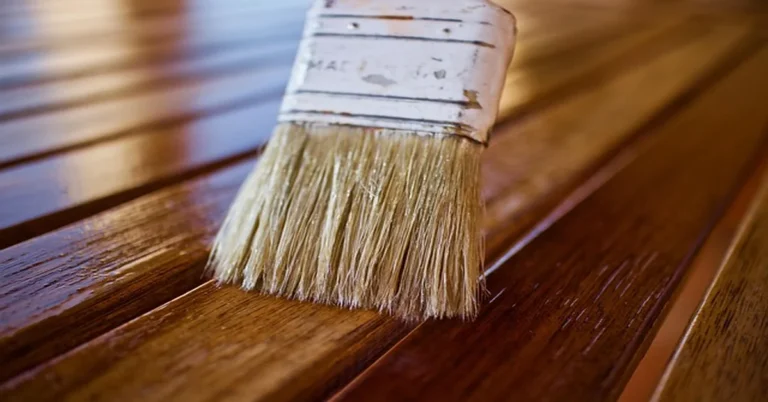
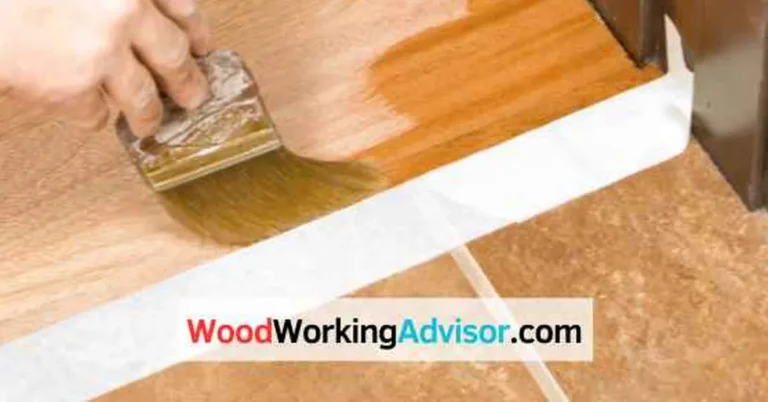
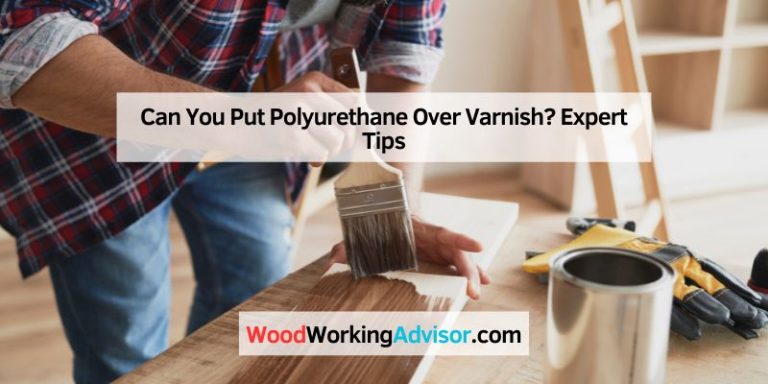
Stir spar varnish gently rather than shaking it, which introduces air bubbles. Use a quality natural bristle brush for oil-based formulations, apply in long, even strokes with the grain, and favor three thin coats over one thick coat — thick coats dry unevenly, sag, and can stay rubbery. If you notice brush marks, smooth them with a soft, dry brush while the finish is still wet.
Allow each coat to dry fully, typically 12-24 hours or longer depending on temperature and humidity. Once dry, lightly sand with 220-320 grit sandpaper or 0000 steel wool (“de-nibbing”) to remove dust nibs and give the next coat something to grip, then wipe clean with a tack cloth. Most projects need 3-4 coats for adequate protection.
Applying Polyurethane
Polyurethane application follows the same careful-preparation, multiple-thin-coats approach as spar varnish, but drying times and cleanup differ between oil-based and water-based types.
Surface Preparation
Sand new wood starting at 120-150 grit and moving up to 220-320, always with the grain direction. For an existing finish in good shape, a light scuff-sand at 220 grit is often enough. Remove all dust with a vacuum, then a tack cloth (mineral spirits for oil-based, a barely damp cloth for water-based). The surface must be completely dust-free before the first coat.
Application Process
Apply polyurethane in thin, even coats with the grain, using a natural bristle brush for oil-based or a synthetic brush for water-based. Stir gently, never shake, and avoid over-brushing, which causes bubbles. Water-based coats typically dry in 4-6 hours and oil-based in 8-12 hours before the next sanding pass at 220-320 grit or 0000 steel wool. Most projects need 3-4 coats.
Cleanup
Oil-based polyurethane needs mineral spirits or paint thinner for brushes and spills — and rags soaked in oil-based finish should be dried flat outdoors before disposal, since they can spontaneously combust. Water-based polyurethane cleans up with warm water and soap, which is part of why many DIYers prefer it.

When to Choose Which
If a project faces the elements — sun, rain, humidity swings — spar varnish is the more resilient choice, with unmatched flexibility and UV resistance for outdoor longevity. For interior surfaces that take heavy use, spills, and scratches, polyurethane offers unmatched hardness: water-based for a clear finish that preserves natural wood color, oil-based for a warm tone and strong protection. Weigh the environment, expected wear, and desired look to make the call.
Comparing Minwax Helmsman Spar Urethane with fast-drying polyurethane spec by spec? See our spar urethane vs polyurethane comparison for the side-by-side numbers.
Already decided on spar urethane and choosing between the oil-based and water-based can? Our water-based vs oil-based spar urethane data sheet comparison lays out recoat times, coat counts, VOC and flash points for Minwax and Varathane.
Frequently Asked Questions
Can I use spar varnish indoors?
Yes, you can use spar varnish indoors, but it is often not the ideal choice. It tends to amber over time, which can alter the color of light woods. It is also softer than polyurethane, so it will not resist scratches and daily wear as well as polyurethane does for indoor furniture or floors.
Is polyurethane better than spar varnish for outdoor furniture?
For outdoor furniture, spar varnish is generally the better choice over standard polyurethane. Spar varnish is designed to be flexible, UV-resistant, and waterproof, which are essential qualities for wood exposed to the elements. Regular polyurethane can become brittle outdoors and fail to protect against sun damage.
Which finish dries faster, spar varnish or polyurethane?
Water-based polyurethane dries much faster than both oil-based polyurethane and spar varnish, often allowing multiple coats in a single day. Oil-based polyurethane dries slower than water-based but generally faster than spar varnish, which can take a long time to cure completely.
Will spar varnish yellow over time like oil-based polyurethane?
Yes, spar varnish, being oil-based, will typically amber and yellow over time, similar to oil-based polyurethane. This effect can enhance the warmth of darker woods but may be undesirable if you want to maintain a clear, natural look on lighter woods.
Can I apply polyurethane over spar varnish or vice versa?
It is generally not recommended to apply polyurethane over spar varnish or spar varnish over polyurethane. They have different chemical compositions and flexibility properties, and applying one over the other can lead to adhesion problems, cracking, or peeling over time. It is best to stick with one type of finish for a project.
Summary
Choosing between spar varnish and polyurethane depends on your project’s needs. Spar varnish offers superior flexibility and UV protection, making it ideal for outdoor use; polyurethane provides hardness and abrasion resistance for interior, high-wear surfaces. Spar urethane splits the difference as a synthetic option rated for both. Water-based polyurethane gives a clear, fast-drying finish, while oil-based provides a warm tone and robust protection — match the finish to the environment and wear the piece will face.
Sponsored / affiliate links. As an Amazon Associate I earn from qualifying purchases. I may earn additional commission from eligible campaigns.