Cut Plywood With a Circular Saw Without Splintering (60T+ Blade)
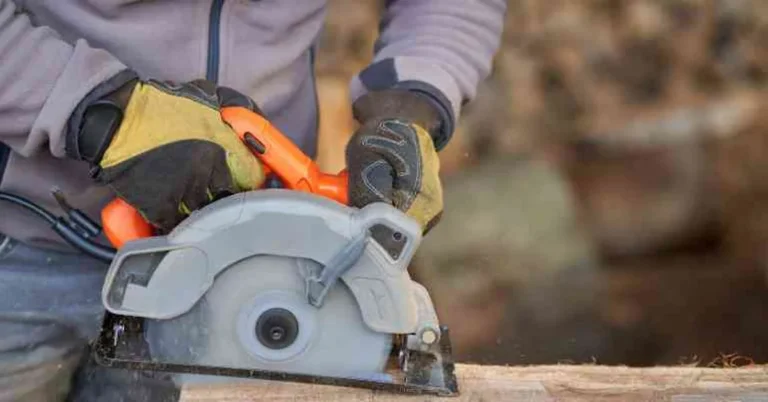
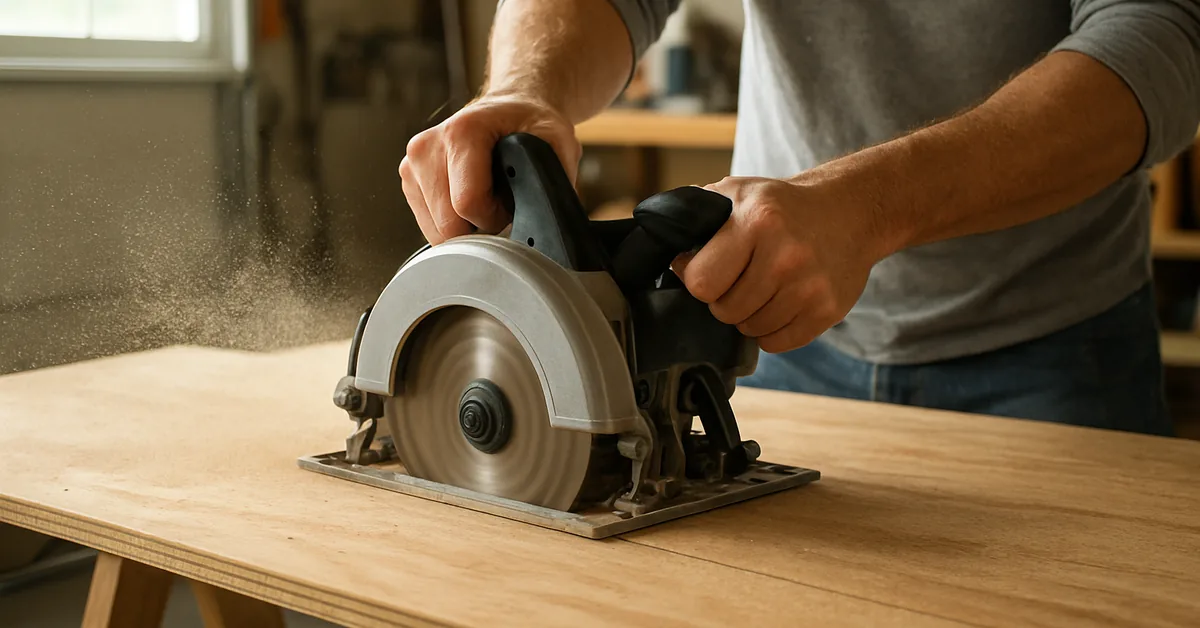
Plywood splinters under a circular saw when a low tooth-count blade tears cross-grain face fibers instead of slicing them — the fix is a 60- to 80-tooth blade, a scored cut line, and painter’s tape over the mark, not a slower feed rate alone. Skip any one of these and even a sharp blade will still chip veneer-faced sheets. This guide covers circular saw blade choice by plywood thickness, the scoring-and-tape method step by step, and how cutting veneer plywood differs from standard sheet goods.
Insert your Affiliate Disclosure reusable block here

Why Does Plywood Splinter When You Cut It?
Best Fine-Tooth Plywood Blade Pick
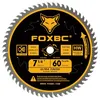
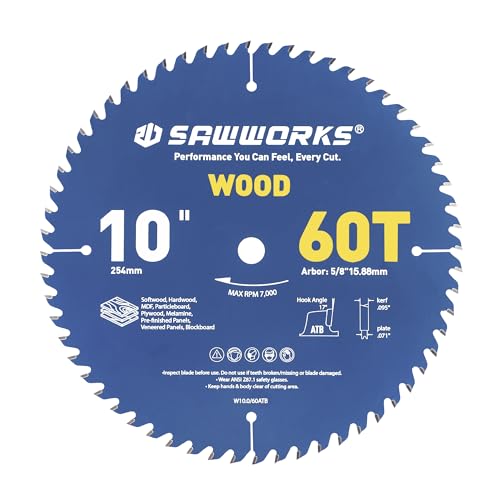
FOXBC 7-1/4″ 60-Tooth Ultra Fine Finish Blade – $16.99
Matches the 60-tooth minimum this guide recommends for standard 3/4″ sheathing and cabinet-grade plywood, and fits any standard 7-1/4″ circular saw.
- Best for: Standard 19/32″–3/4″ plywood and sheet goods
- Why we picked it: Hits the 60-tooth threshold this guide’s table calls for without paying for teeth thin sheathing doesn’t need
- Main drawback: Not the best choice for thin 1/4″ veneer — size up to an 80-tooth blade for that
Compare more splinter-prevention options
 Option 1 ScotchBlue Painter’s Tape, 2″ – $5.99
|
 Option 2 Freud LU80R010 80T Hi-ATB – $104.97
|
 Option 3 Kreg Accu-Cut XL Track Saw Guide – $179.00
|
As an Amazon Associate we earn from qualifying purchases.
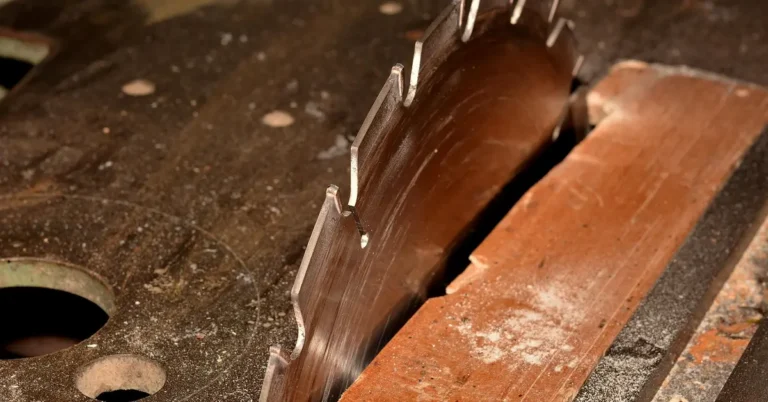
Tear-out is the splintered, torn edge left along a cut line when a blade’s teeth lift and rip wood fibers instead of shearing them cleanly. It happens most on cross-grain cuts through thin face veneer, where fibers aren’t backed by enough material to resist the blade’s upward bite. A circular saw’s blade spins so it exits through the top face of the sheet — the same face most builders want left clean — which is why the top surface splinters far more than the bottom.
A related page on this site, how to cut plywood without splintering, compares this problem across table saws, track saws, and jigsaws; this guide goes deep on the circular saw specifically, since it’s the tool most DIYers already own.
Choose the Right Blade: Tooth Count by Plywood Thickness
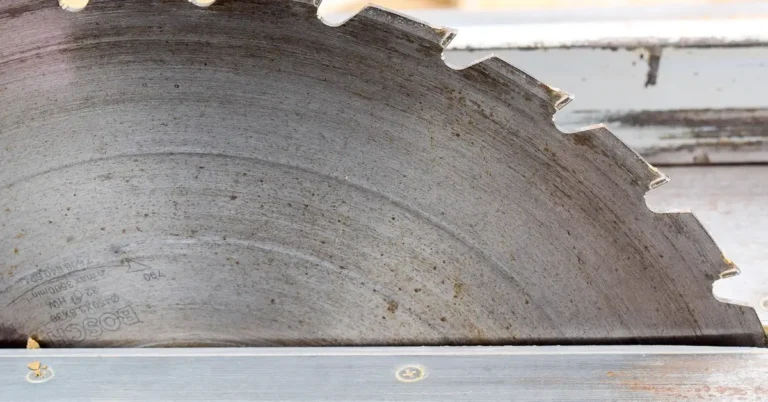
Tooth count matters more for a splinter-free cut than any technique alone. More teeth means each one removes a thinner chip, which is gentler on face veneer — but the ideal count changes with sheet thickness, not just material type. A worn or dull blade will splinter plywood regardless of tooth count, so if a blade has cut more lumber than it should have, check how long it should actually last before blaming your technique. If you’re still deciding which saw belongs in your kit at all, our full woodworking tools and saws guide breaks down when a circular saw is the right call versus a track saw or table saw.
| Plywood Thickness | Recommended Tooth Count | Why |
|---|---|---|
| 1/4″ – 1/2″ (thin, veneer-faced) | 80–100 teeth | More teeth per inch means a thinner chip per tooth, which protects thin face veneer from lifting |
| 19/32″ – 3/4″ (standard sheathing/cabinet grade) | 40–60 teeth | 60 teeth is a practical minimum for a 7-1/4″ blade; fewer teeth clear sawdust faster on thicker cuts without overheating |
| 3/4″+ hardwood-veneer or melamine-faced | 60–80 teeth, Hi-ATB grind | Hi-ATB (High Alternate Top Bevel) geometry severs each face fiber before it lifts — the grind Freud built specifically for plywood and melamine |
When it’s time to swap blades, changing a circular saw blade takes a few minutes and no special tools beyond the wrench that ships with most saws.
The Scoring-and-Tape Method for a Splinter-Free Cut
This is the full method — it replaces piecing together tips from five different “how do I stop tearing” questions with one sequence that actually works together.
- Mark and square the cut line: Use a speed square or a straightedge guide so the line is exactly where you want the blade, not just close.
- Score the line with a utility knife: Run a sharp blade along the mark at a shallow depth, just enough to sever the top veneer fibers completely before the saw ever touches them.
- Apply painter’s tape over the score line: Press a strip of 2-inch tape down firmly on the face you’re cutting into; it bridges the severed fibers so the blade meets a continuous surface instead of loose ones.
- Set the blade depth about 1/4 inch past the material: Just enough blade to clear the bottom of the sheet — not so much that you expose more spinning edge than the cut needs.
- Position the good face down: The blade exits through the top, so whichever face is up takes the worst of the tear-out.
- Cut with a slow, steady feed: Let the teeth do the work. Forcing the saw increases vibration, and vibration is what tears fibers a sharp blade would otherwise shear cleanly.
📊 Federal law requires every portable circular saw to have a self-adjusting lower guard that automatically returns to cover the blade the instant it’s pulled back from the cut. — Source: OSHA, 29 CFR 1926.304(d)
If you’re cutting the same straight line over and over, it’s worth learning to cut straight with a circular saw using a clamped guide rather than freehanding along a pencil mark — a wandering cut tears out edges just as reliably as the wrong blade does.

What to Put Under Plywood When Cutting With a Circular Saw
A stable, supported surface underneath the sheet keeps it from flexing mid-cut, which causes the blade to bind and tear rather than shear. Rigid foam insulation board is a common shop choice: it’s cheap, the blade cuts through it without dulling, and it supports the full sheet evenly instead of just at a few clamp points. Scrap 2x4s or sawhorses work too, as long as they’re positioned so the blade never bears down on them directly — and a track saw’s guide rail can double as a support edge if you already own one.
Cutting Veneer Plywood Without Splintering
Veneer plywood is plywood finished with a thin decorative face layer — often birch, oak, or maple — bonded over a lower-grade core. That thin face layer is exactly what tears first, so it needs the highest tooth count and shallowest cut of any plywood type. Set the blade to go no more than about 1/8 inch past the material, square the fence carefully, and use a straightedge or string line on long cuts to keep the blade from wandering off the score line.
“In our shop, scoring the face veneer with a utility knife before the first pass has stopped more tear-out on birch plywood than switching blades ever did — it’s the one step people skip because it feels unnecessary.”
— Our team, 12+ years hands-on woodworking
What If You Don’t Have a Circular Saw?
A jigsaw with a fine-tooth, downstroke blade can make cleaner curved or detail cuts than a circular saw, though it’s slower on long straight rips — see our full guide to cutting plywood with a jigsaw without splintering for blade and speed settings specific to that tool. A hand saw works too, though it demands more patience and a different blade choice — our guide to cutting plywood with a hand saw covers the technique in full. And if you don’t own any saw at all, a utility knife, power drill, or chisel can still make the cut — our guide on how to cut plywood without a saw ranks all three by the thickest plywood each one handles.
If you’d rather skip cutting it yourself entirely, most big-box lumber counters will make a limited number of straight cuts on a sheet you buy from them — Home Depot’s in-store cutting policy is a good example of what to expect and what it typically costs.
Frequently Asked Questions
Does painter’s tape really stop plywood from splintering?
Yes — painter’s tape bridges the wood fibers along the cut line so the blade’s teeth have something continuous to shear instead of loose fibers to lift. Press a strip of 2-inch tape firmly over the marked line on the face you’re cutting into, then cut through the tape itself. It works best combined with a scored line, not as a stand-alone fix.
How deep should a circular saw blade be set to cut plywood?
Set the blade so it protrudes about 1/4 inch below the bottom of the plywood, or roughly half a tooth’s height past the material. A deeper setting exposes more blade than the cut needs, which increases the chance of the exit face splintering and makes the saw harder to control.
Which side of the plywood should face up when cutting with a circular saw?
Cut with the good, or show, face down. A circular saw’s blade rotates upward and exits through the top of the material, so whichever face is up takes the worst of the tear-out. Flipping the good side down puts any splintering on the face nobody sees.
Can you cut plywood without splintering using a standard framing blade?
Not reliably. A 24-tooth framing blade is built to rip framing lumber fast, not to shear thin face veneer cleanly, so it will tear plywood even with careful technique. Swap in a 40- to 80-tooth fine-finish blade — tooth count matters more for a clean edge than technique alone.
Is scoring the cut line necessary if I use a high tooth-count blade?
It’s not strictly required, but it’s cheap insurance. A high tooth-count blade cuts cleaner on its own, but scoring the face veneer first with a utility knife severs the surface fibers before the blade ever reaches them, which stops tear-out even if the blade catches a rough spot or grain reversal.
Conclusion
Cutting plywood without splintering comes down to three things working together: enough teeth on the blade for the material’s thickness, a scored and taped cut line so fibers have somewhere to stop tearing, and a blade depth set just past the sheet rather than deep enough to expose more edge than the cut needs. Skip the technique and a fine blade alone won’t save a rushed cut; skip the blade and no amount of tape will fix a 24-tooth framing blade tearing through 1/4-inch veneer.
Sponsored / affiliate links. As an Amazon Associate I earn from qualifying purchases. I may earn additional commission from eligible campaigns.